



Antique Silver Hand Mirror
An antique silver hand mirror brings dressing table elegance from Edwardian and Art Deco decades directly to your daily routine.
Antique Silver Hand Mirror
Every antique silver hand mirror listed here represents personal vanity items produced from the late nineteenth century through the mid twentieth century. Buyers encounter distinct periods including Edwardian pieces alongside later Art Deco designs and Chinese Export examples. These objects frequently appear singly or as part of larger dressing table sets.
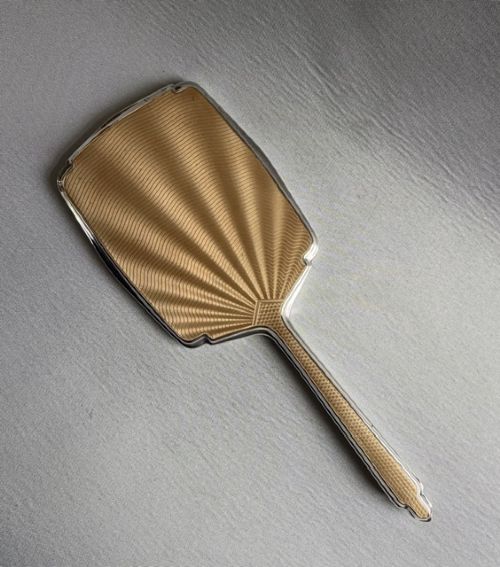
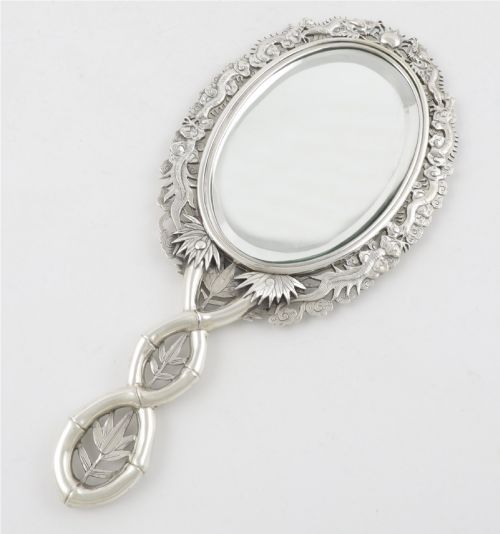
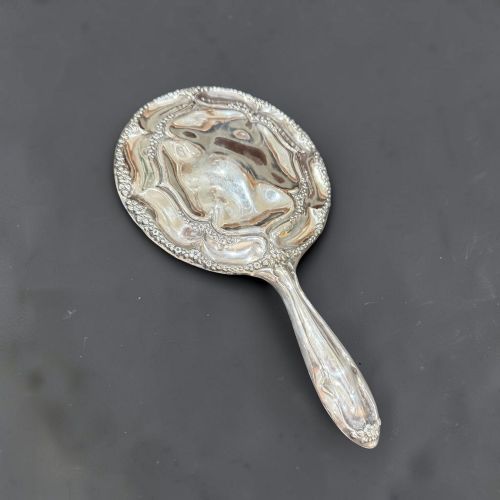
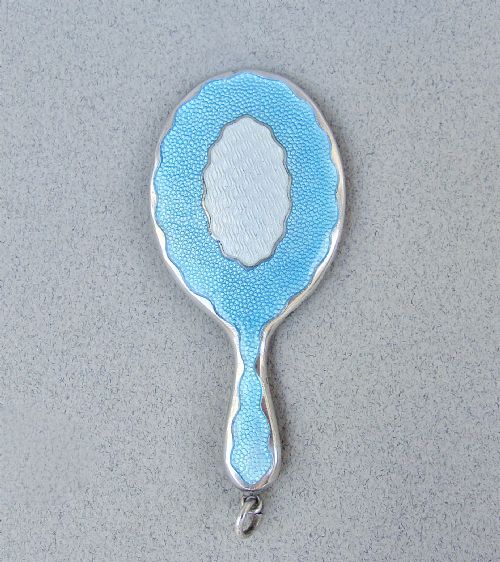
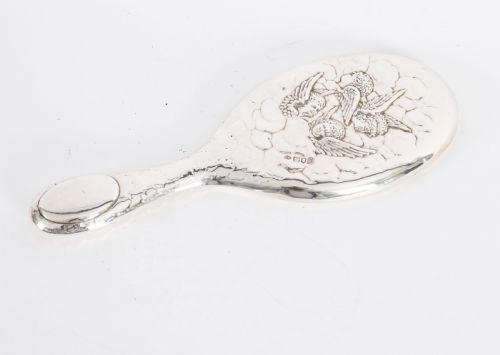
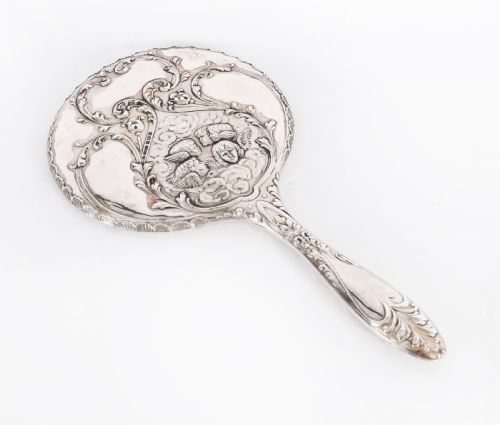
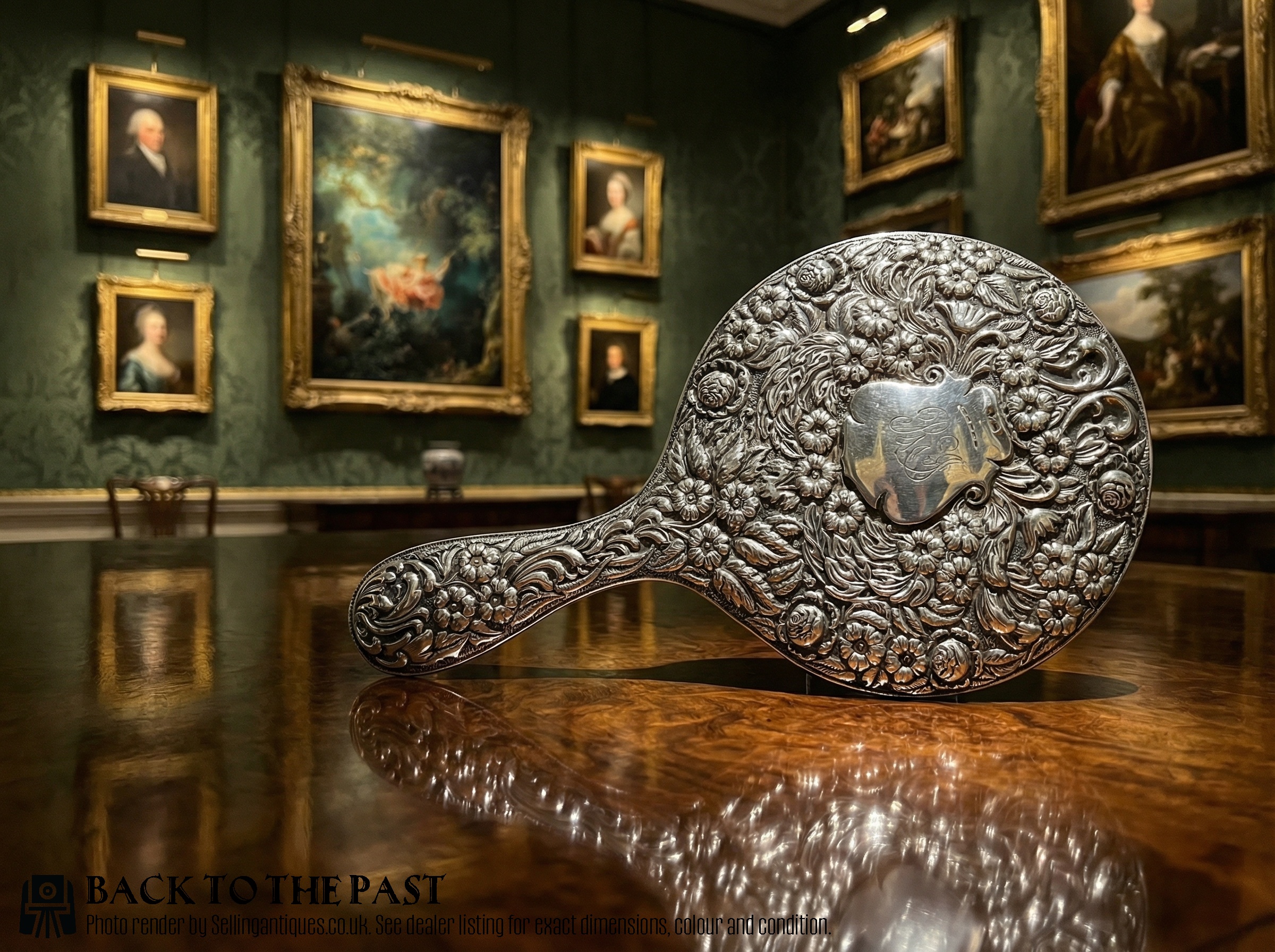
The dominant aesthetic spans embossed floral borders and cherub motifs to geometric guilloche enamel surfaces. Collectors find mirrors shaped in circular forms or traditional handled silhouettes composed of sterling silver or continental silver. Sizes range from miniature versions to standard dressing table editions measuring several inches across.
Distinctions in craftsmanship
Quality separates simple stamped metal shells from substantial hand finished silver bodies possessing deep relief work. Fine examples showcase crisp detailing in cherub faces, swing scenes or floral borders rather than smoothed, shallow pressings.
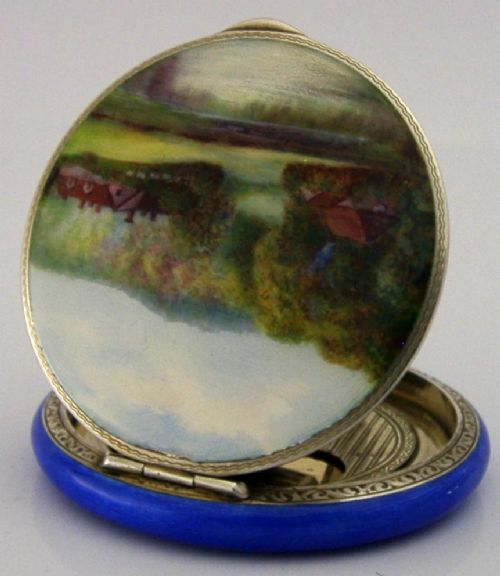
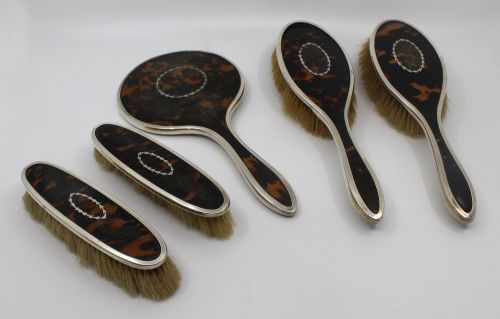
The sophistication of the secondary material defines the upper tier of the range. Intricate guilloche patterning beneath translucent enamel or perfectly fitted tortoiseshell and mother of pearl inserts denotes superior workshop standards.
Antique Silver Hand Mirror Retail Price Guide 2026
Typical asking prices for silver hand mirror among the pieces listed under this phrase on Sellingantiques today, from the lower quarter to the upper quarter. They describe what is for sale here now, not the wider market.
The site archives record antique silver hand mirrors spanning Edwardian, Art Deco and Chinese Export styles.
S Blanckensee And Son·William Comyns And Sons·Tiffany And Co
The Antique Silver Hand Mirror Glossary
- Guilloche
- A decorative engraving technique producing precise, intricate geometric patterns beneath translucent enamel. This engine turned method underpins the colourful backs of many Art Deco mirrors.
- Sterling silver
- A silver alloy consisting of ninety two point five percent pure silver by mass, with other metals added for durability. Most British dressing table items bear this standard.
- Tortoiseshell
- The shell of certain turtle species historically utilised as an overlay on luxury vanity items. It provides a mottled amber and brown background behind silver frames.
- Chinese Export
- Objects manufactured in China specifically for Western markets during the late nineteenth and early twentieth centuries. These pieces display distinct regional artistic motifs.
- Natural bristle
- Animal hair utilised in the construction of accompanying dressing table brushes. This organic material appears frequently alongside mirror plates.
Antique Silver Hand Mirror: Frequently Asked Questions
How do I clean an antique silver hand mirror?
Use a soft microfibre cloth and specialised silver polish to gently remove tarnish from the metal frame and back. Avoid getting liquid polish onto mirror glass edges, enamel panels, tortoiseshell or natural bristles.
Store the mirror in a dry environment away from direct sunlight to minimise future oxidation and protect delicate organic inserts from humidity changes.
Were these mirrors sold individually or in sets?
Makers produced hand mirrors both as standalone vanity accessories and as core components of larger dressing table sets. These matched groupings included hairbrushes, clothes brushes and powder jars.
Individual mirrors often match the decorative motifs of wider vanity collections even when acquired separately by modern collectors.
How can I date an antique silver hand mirror?
British pieces typically bear hallmarks stamped into the silver frame, including maker marks, assay office symbols and date letters. These official stamps allow precise identification of the year of manufacture.
Stylistic indicators such as geometric guilloche enamel point toward the Art Deco era, while embossed cherubs or floral scrolls often suggest Edwardian or Victorian origins.
Can I use an antique mirror daily?
These pieces function well for everyday dressing table use provided they receive careful handling. The sturdy silver frames and mirror glass remain practical for routine personal grooming.
Owners should treat enameled or tortoiseshell versions with extra caution to prevent accidental impact damage to the decorative surfaces.