

Rococo Candle Holders
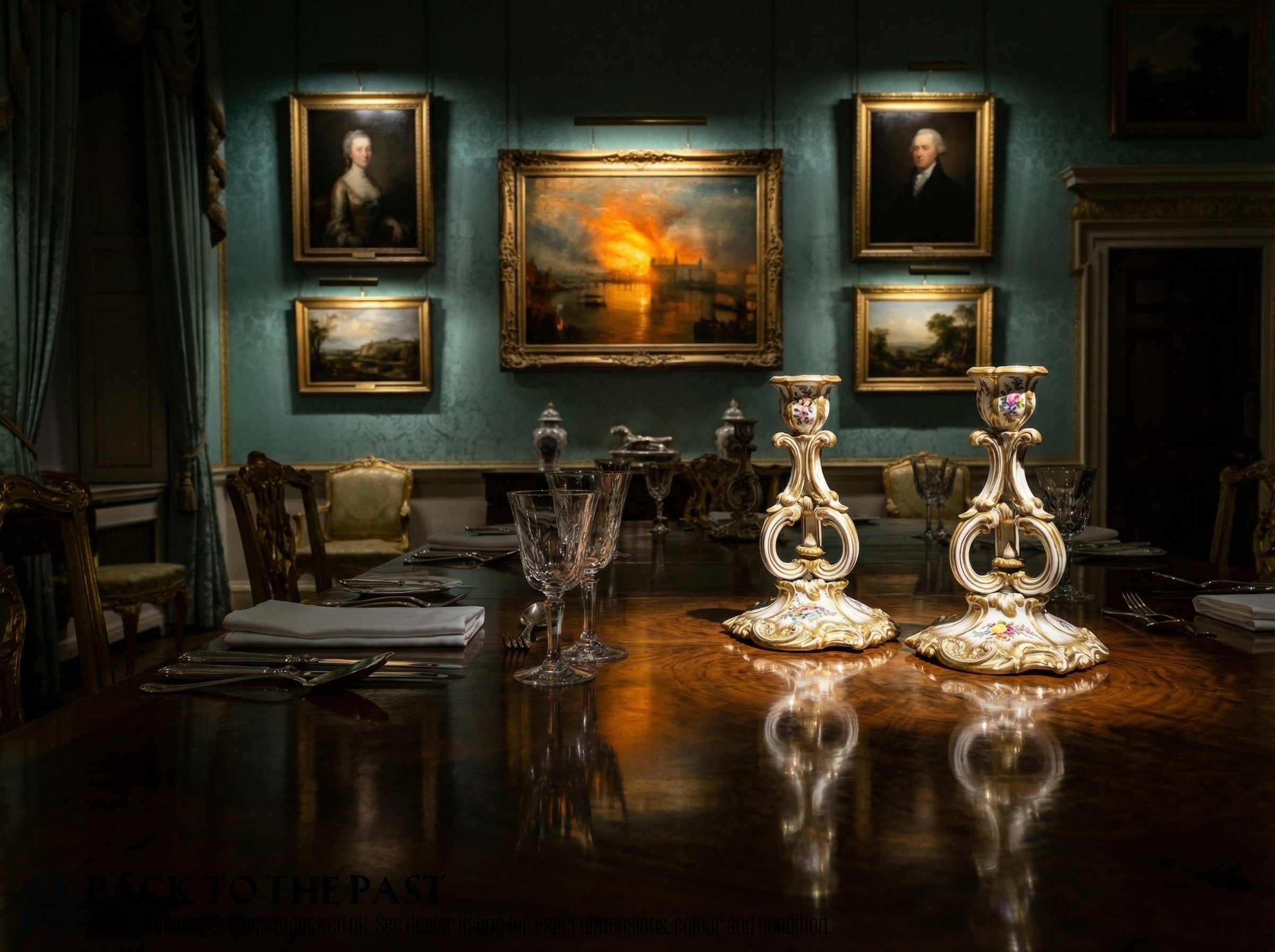
Rococo candle holders bring elaborate scrollwork and asymmetrical forms to table tops and walls.
Rococo Candle Holders
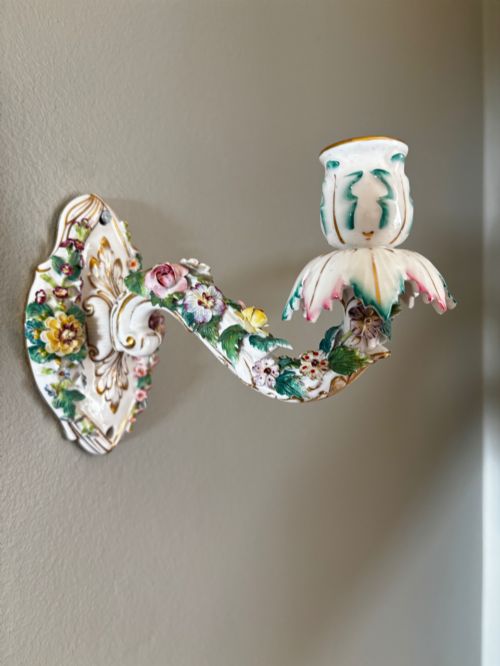
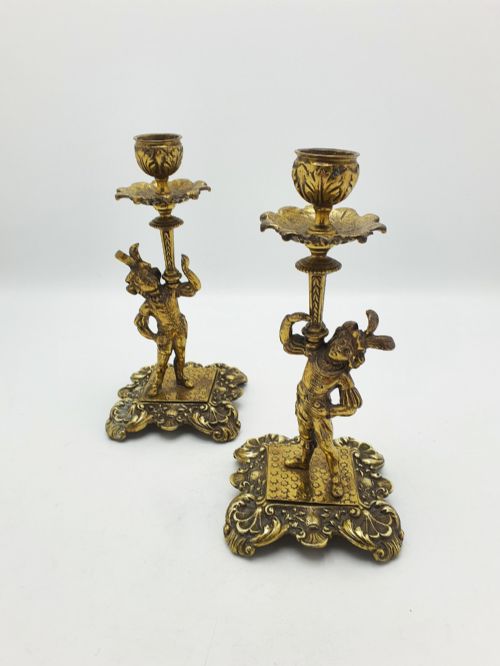
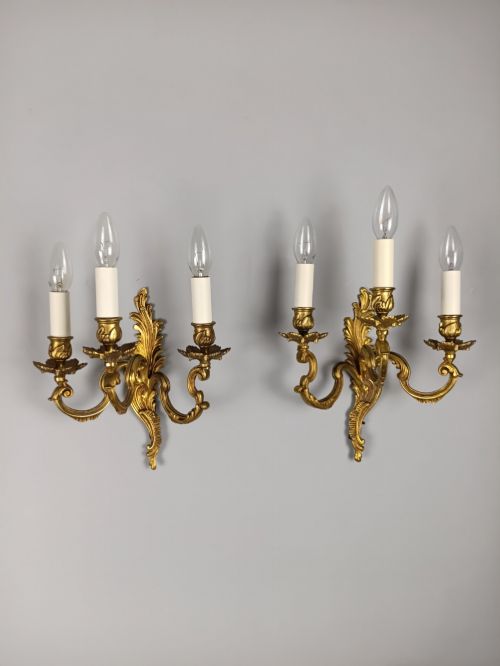
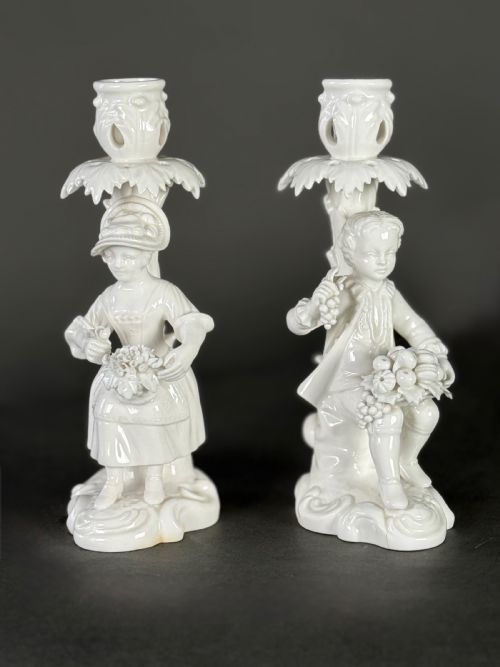
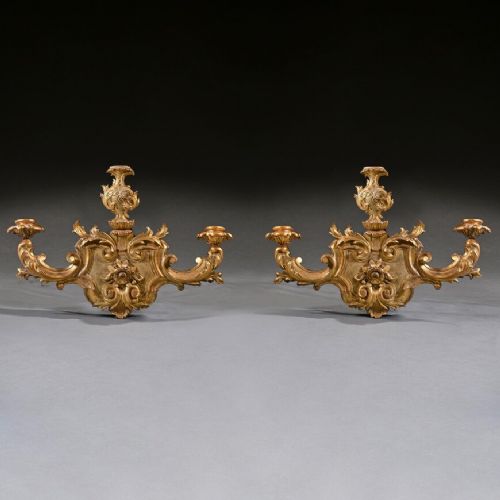
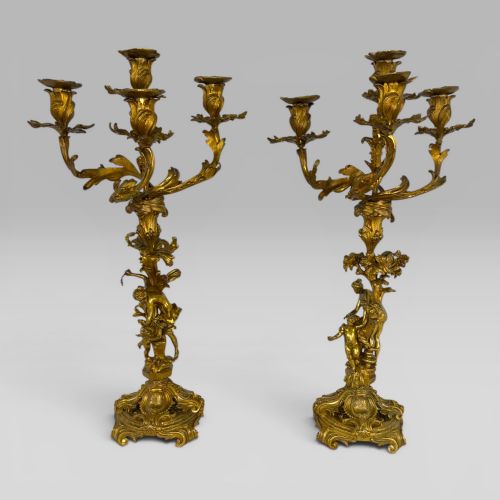
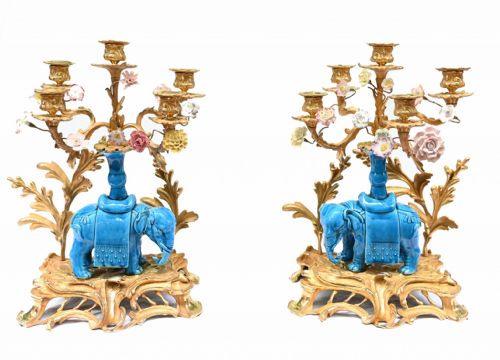
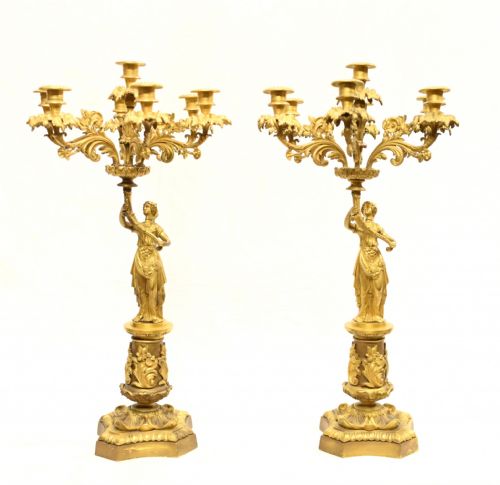
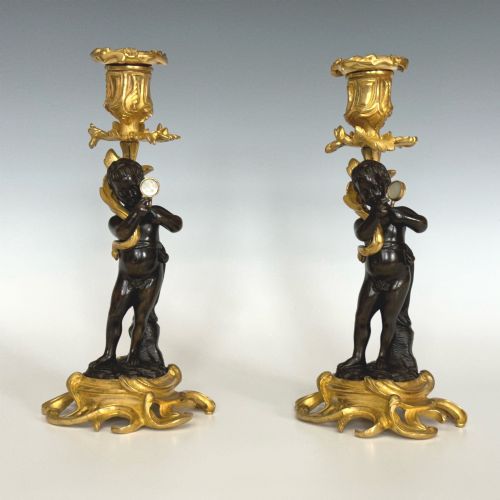
When you search for rococo candle holders, you encounter items designed to support wax illumination through extravagant, flowing ornamental lines. The pieces on this page span table candlesticks, multi-armed candelabra, wall sconces and small chambersticks.
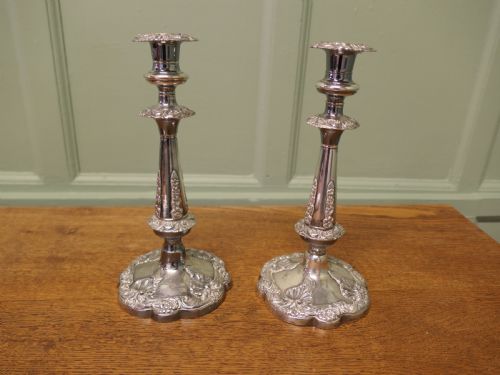
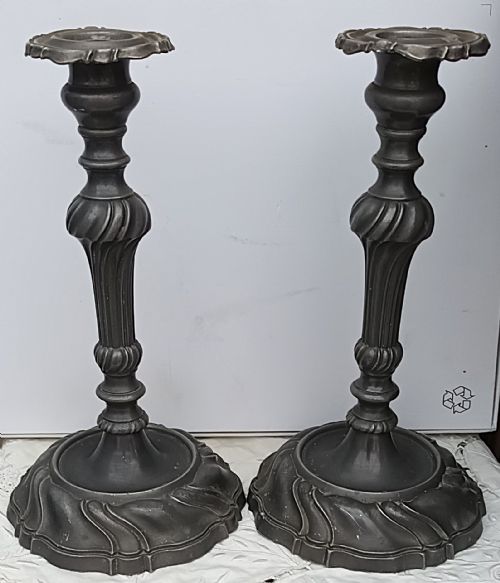
The versions you are most likely to meet on this page originate from nineteenth-century revivals, alongside earlier eighteenth-century Georgian examples. Forms range from plain cast metal shafts to complex figural groupings framed by porcelain foliage.
Makers utilised diverse formats, from French gilt bronze wall lights to English silver-plated dining table centrepieces. Each object reflects the curving asymmetry and natural motifs characteristic of the style.
How they were made
Metals such as bronze, brass and pewter were cast, chased and gilded, with ormolu and gold leaf adding reflective brilliance to surface details. Silver plating techniques applied thin layers of silver over base metals for formal dining displays.
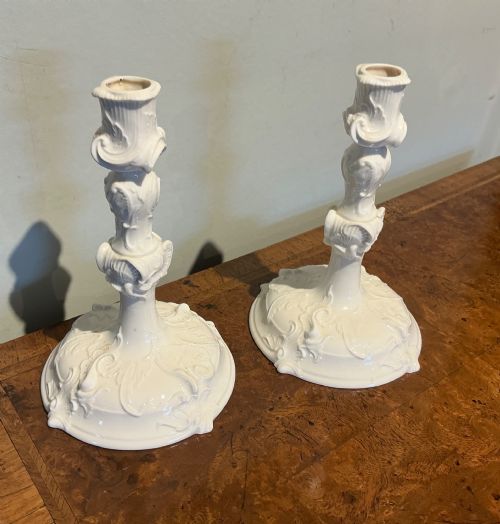
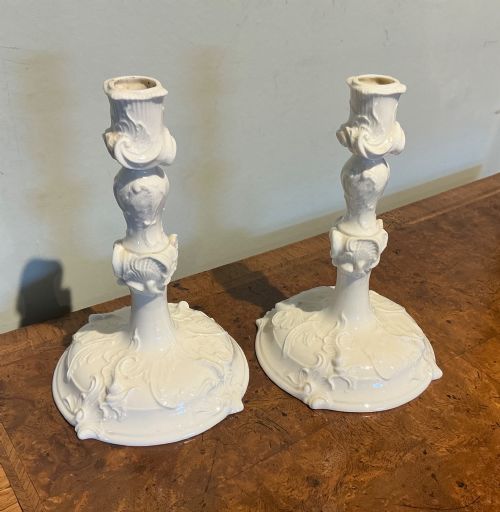
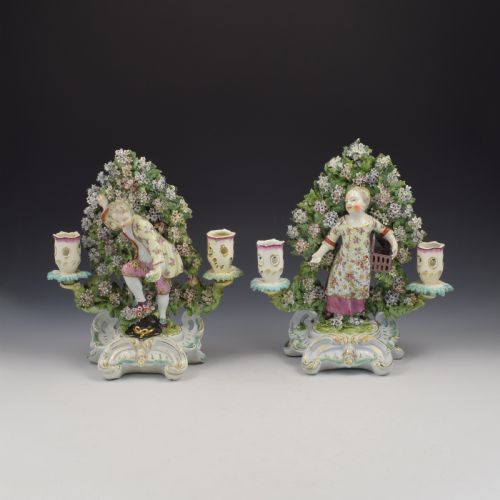
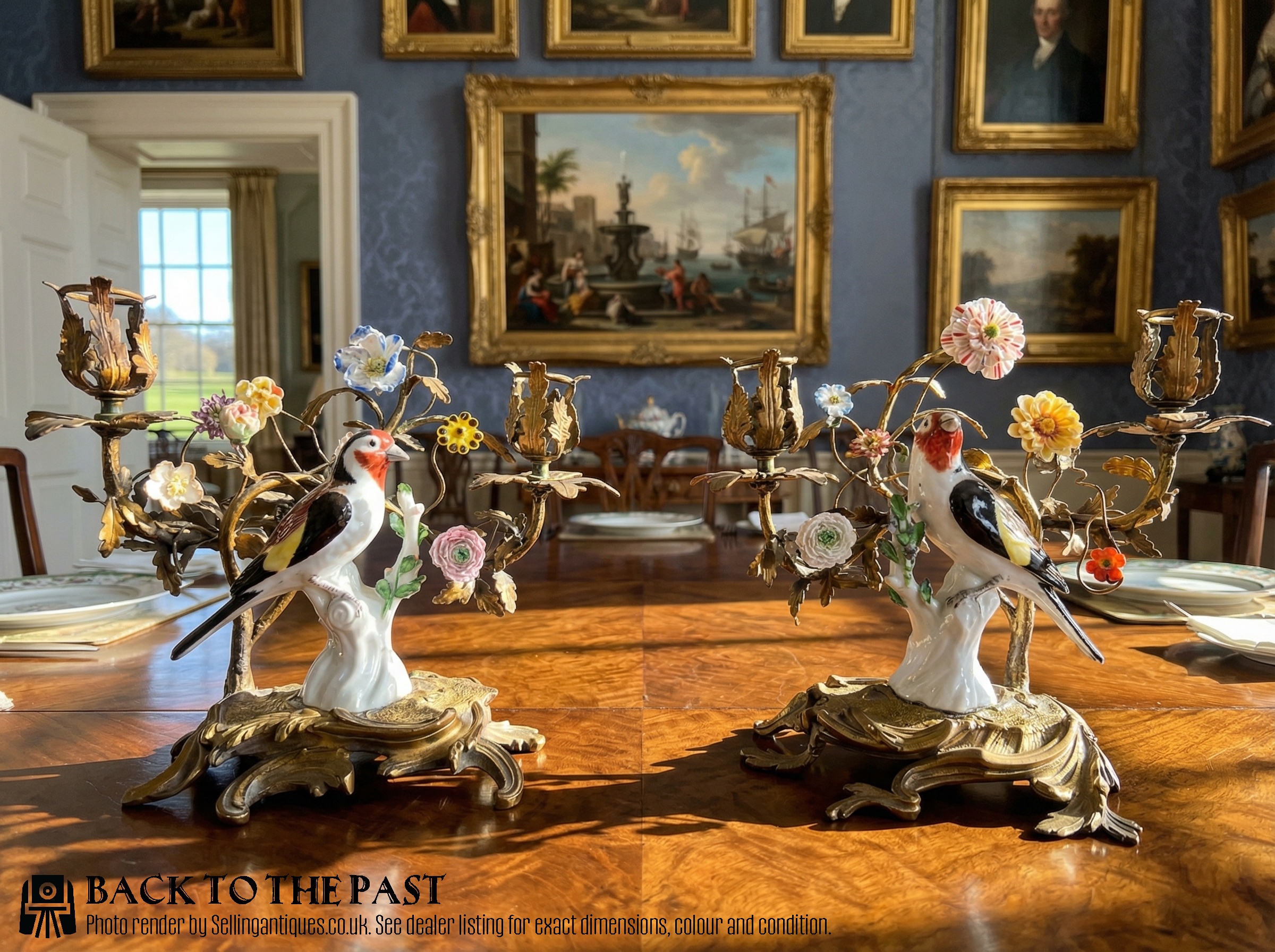
Porcelain elements, including hard paste figures and bocage backgrounds, were modelled by hand, glazed and painted before being mounted into metal or giltwood fittings. Giltwood wall sconces combined carved timber with mirrored panels to multiply the light.
Rococo Candle Holders Retail Price Guide 2026
Typical asking prices for rococo candle holders among the pieces listed under this phrase on Sellingantiques today, from the lower quarter to the upper quarter. They describe what is for sale here now, not the wider market.
Porcelain dancers and musicians hold candle sockets amidst fragile ceramic leaves.
What varies in quality
The integration of multi-branch arms and detachable components affects the structural harmony of larger candelabra. Superior items maintain balance across complex branches and heavy bases without awkward joints.
John Cafe·Smith And Sissons And Co·Nymphenburg·Meissen·Derby·Volkstedt·Chelsea·Minton
The Rococo Candle Holders Glossary
- Ormolu
- Gilded bronze produced through a mercury amalgamation process on decorative metalwork. This technique gives the surface a rich, golden appearance.
- Bocage
- Applied porcelain foliage and floral background work commonly found behind eighteenth-century figures. It frames the candle socket with naturalistic ceramic leaves.
- Candelabra
- A branched candleholder designed to hold multiple tapers from a single base. They often feature removable sconces for cleaning.
- Chamberstick
- A short portable candlestick equipped with a wide drip pan and a handle for carrying through rooms. They were standard bedroom lighting before electricity.
- Sconce
- A wall-mounted lighting fixture designed to hold candles and project light outward into a space. They frequently incorporate mirrors to enhance illumination.
- Pricket
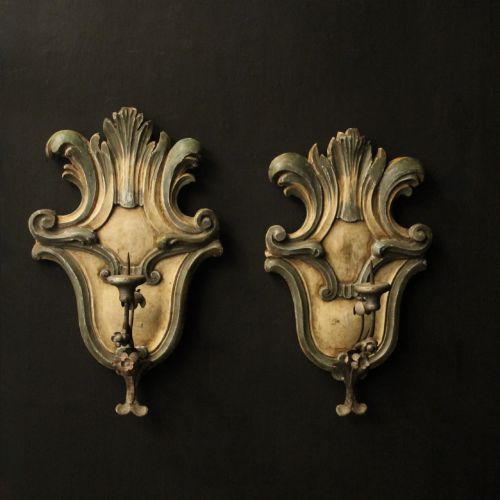
- A sharp metal spike upon which a candle is impaled, rather than dropped into a socket. This medieval form reappears in later Italian decorative items.
Rococo Candle Holders: Frequently Asked Questions
What is a rococo candle holder?
These items are lighting devices featuring the scrollwork, asymmetrical curves and natural motifs typical of the eighteenth-century movement. They appear as single candlesticks, multi-branched candelabra and wall fixtures.
Craftsmen produced them in porcelain, gilt bronze, silver plate and carved wood. Their primary purpose was holding wax tapers while serving as decorative table centrepieces or wall ornaments.
How do I tell an 18th-century piece from a 19th-century revival?
Eighteenth-century items often show the softer paste characteristics and hand-modelled nuances of early porcelain factories. They bear the marks and stylistic restraint of their specific period of origin.
Nineteenth-century revival pieces tend to utilise heavier base metals, crisper machine-assisted casting and brighter gilt finishes. Examining the construction of the sockets and mounts helps clarify the date of manufacture.
Were candelabra used on dining tables?
Large multi-branch candelabra were standard fixtures for illuminating dining tables and formal rooms during dark evenings. They stood as centrepieces alongside matching candlesticks and mirrored plateau bases.
Their detachable branches allowed households to reconfigure the lighting arrangement depending on the scale of the dining occasion. Silver-plated and ormolu versions reflected candlelight across the room.
How should I care for antique gilt bronze and ormolu?
Gilt bronze and ormolu require gentle dusting with a soft dry brush to prevent the accumulation of dirt in recessed crevices. Avoid commercial metal cleaners, which can strip away the delicate gold layer.
Keep these items away from direct moisture and sources of excessive heat. Proper handling preserves the original surface sheen built up over centuries.