
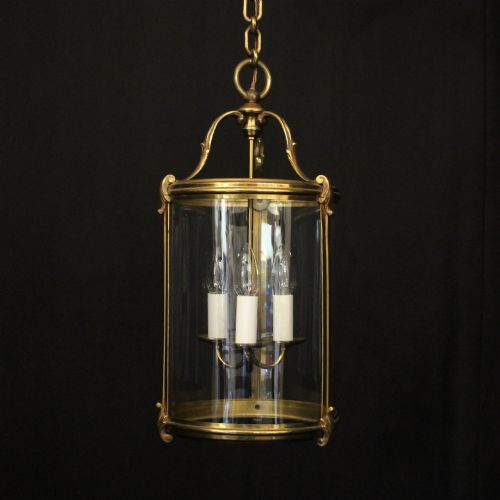
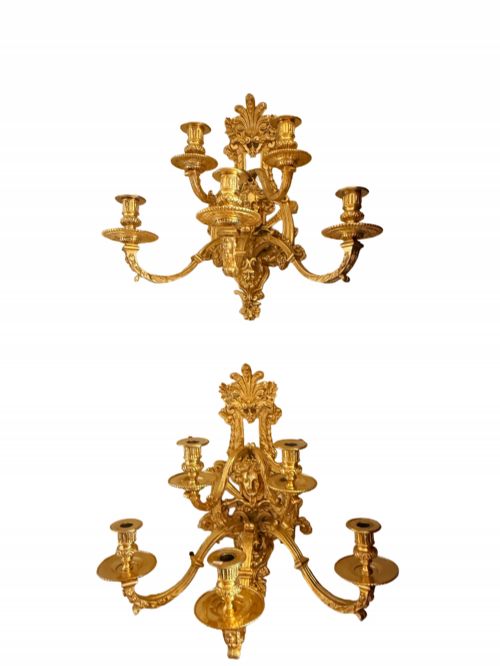
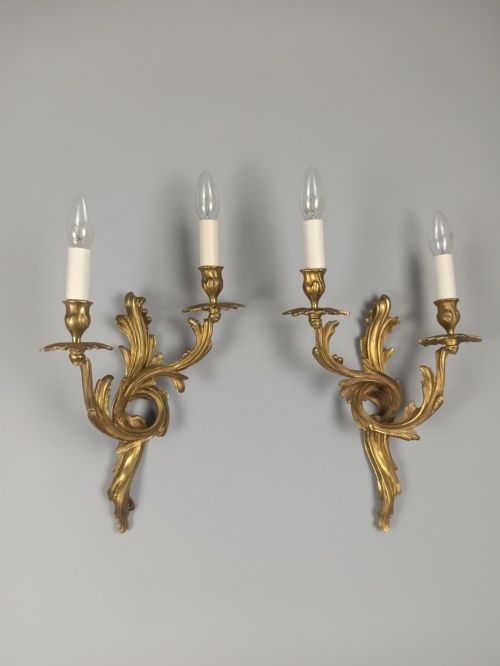
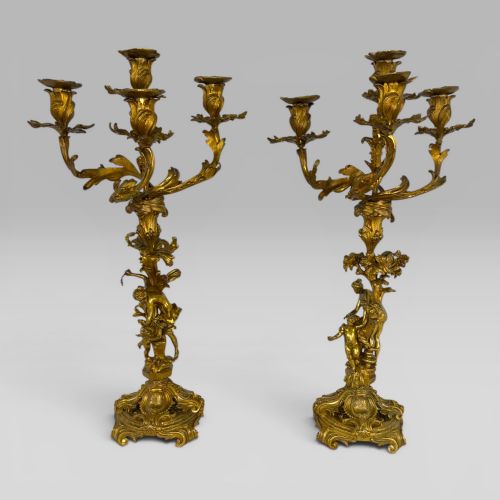


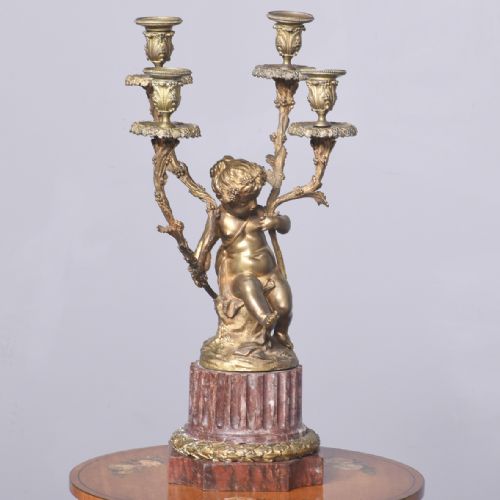


Louis XV Candelabra
Louis xv candelabra are flamboyant French rococo revival lighting pieces that bring unmistakable 19th-century sculptural drama to a room.

Louis XV Candelabra
When you search for louis xv candelabra, you are looking at ornamental lighting fixtures designed to hold multiple candles, predominantly appearing here in pairs dating from the nineteenth century. These pieces draw heavily on French rococo revival and French rococo aesthetics, expressing the dynamic asymmetry and organic curves of the eighteenth-century movement through later nineteenth-century interpretations.
The forms span from two-light and triple-arm configurations up to five-light designs, frequently incorporating figural elements such as cherubs and putti alongside standard branching scrollwork. Alongside standard candelabra forms, the historical record shows related expressions including convertible candelabra and candelabra clock sets.
Most examples originate from French workshops, though the material selections show interesting variations including Samson porcelain alongside standard metallic compositions. The dominant style on this page captures the exuberant scrollwork and naturalistic motifs characteristic of mid-to-late nineteenth-century revivalism.
Materials and Techniques
These pieces are constructed primarily through metal casting and mounting, utilising materials such as gilt bronze, ormolu, brass, patinated bronze, and patinated metal. Bronze and brass components were cast, chased, and gilded to create the characteristic golden sheen of ormolu, while other surfaces received dark patination for tonal contrast.
Several examples incorporate contrasting media, bringing together porcelain, marble bases, and cast metals within a single object. The structural elements are held together with threaded bolts and pins, allowing for complex multi-branch arrangements and figural attachments like cherubs and putti.
Retail Price Guide 2026
Typical UK retail prices for louis xv candelabra, calculated from the Sellingantiques database of over a million retail prices indexed since 2003. This retail price guide relies exclusively on Sellingantiques data; no external sources or auction records are used, so the figures do not describe the wider market.
Materials recorded across these listings include gilt bronze, ormolu, brass, patinated metal, porcelain, patinated bronze, and marble.
The Spectrum of Quality
The integration of secondary materials also dictates the tier of the piece. Candelabra incorporating fine marble bases, high-grade ormolu gilding, or hand-painted Samson porcelain sections represent the more ambitious end of nineteenth-century production compared to simpler brass or patinated metal versions.
Samson·Meissonnier·Clodion
The Louis XV Candelabra Glossary
- Ormolu
- Gilded bronze, where a finely ground gold-mercury amalgam is applied to a bronze base and heated. This technique produces the rich, golden surface seen on many French revival pieces.
- Rococo
- An artistic style originating in France characterised by ornate scrollwork, asymmetry, and motifs drawn from nature. It forms the primary decorative vocabulary for these candelabra.
- Patinated Bronze
- Bronze that has been chemically treated to produce a dark or antique surface finish. It provides a deliberate visual contrast against bright ormolu mountings.
- Putti
- Depictions of plump, winged toddler cherubs frequently cast in bronze or brass as figural supports. They climb among the scrolling arms of nineteenth-century lighting.
Frequently Asked Questions
How do I clean gilt bronze candelabra?
Dust these pieces gently with a soft, dry brush to prevent dirt accumulation in the recessed rococo scrollwork. Avoid all abrasive cleaning agents or harsh polishes, which can strip the thin gilt layer from the metal.
Water and chemical solvents should be kept away from marble bases and porcelain sections. Professional conservation is recommended if deeper cleaning of the ormolu surface becomes necessary.
Were these candelabra originally wired for electricity?
Nineteenth-century candelabra were manufactured exclusively to hold wax candles for ambient lighting in French drawing rooms. Many surviving pairs remain in their original candle-holding configuration.
Some examples have been converted into table lamps over time. Buyers should inspect the mounting and nozzles to determine whether the original structure has been altered for electrical wiring.
How do I distinguish 19th-century pieces from later reproductions?
Examine the casting quality of the bronze and the construction of the joints, threaded screws, and base plates. Nineteenth-century revival pieces display heavy, hand-chased metal components with natural wear patterns.
Look closely at the gilding and patination for signs of age. Modern reproductions often show uniform machine finishes and lack the crisp undercutting found in nineteenth-century French work.
Where should I place a pair of candelabra?
These tall, sculptural pieces suit symmetrical placement on a mantelpiece, sideboard, or console table. Their height and branching arms create strong visual focal points in a reception room.
Ensure the supporting surface is stable and deep enough to accommodate the spread of the arms. Keep them away from direct heat sources and strong sunlight to protect marble and patinated surfaces.