


French Rococo Candelabra
French rococo candelabra are flamboyant lighting pieces defined by asymmetrical scrollwork and botanical motifs that instantly elevate a grand interior.
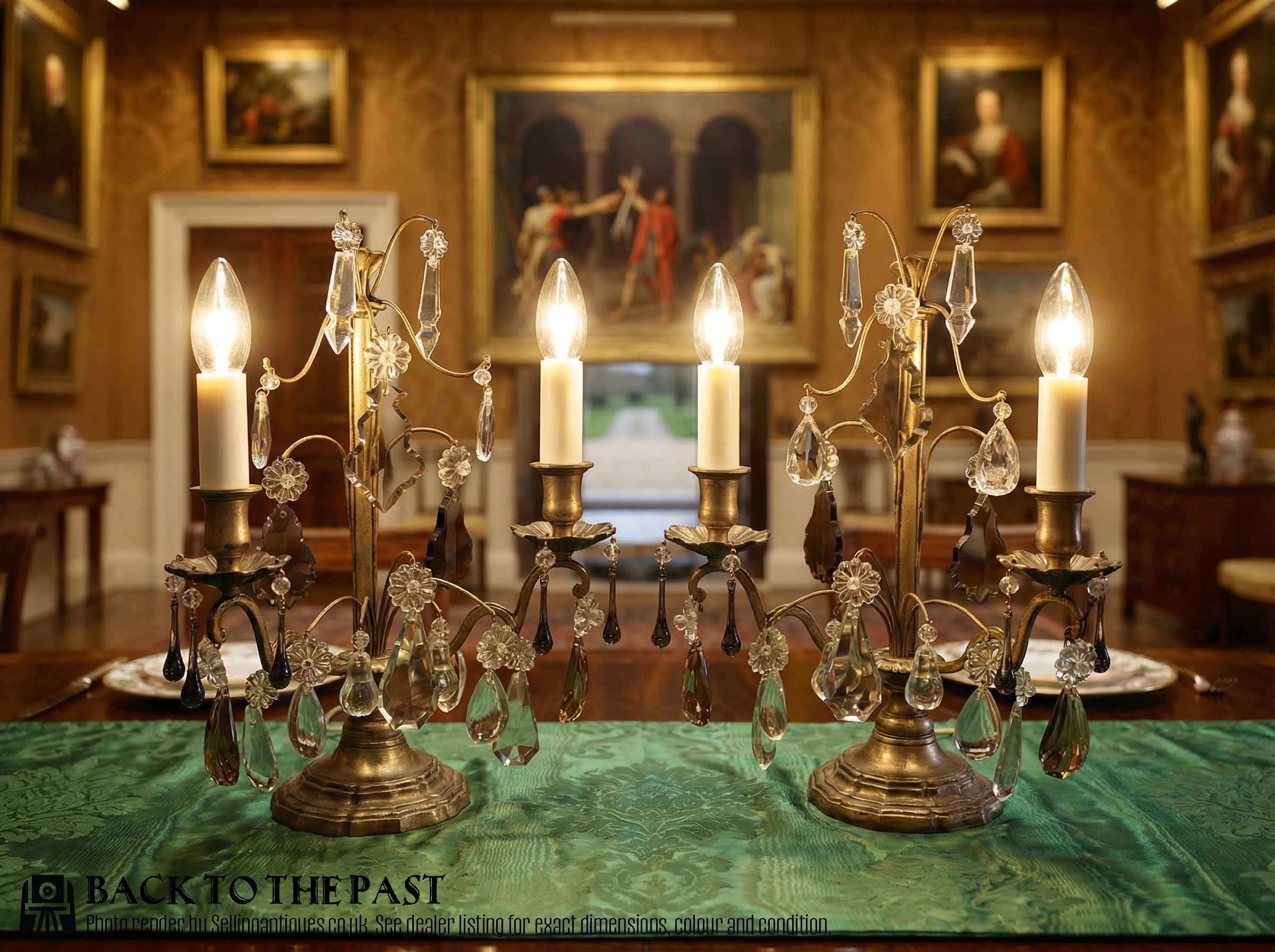
Understanding french rococo candelabra
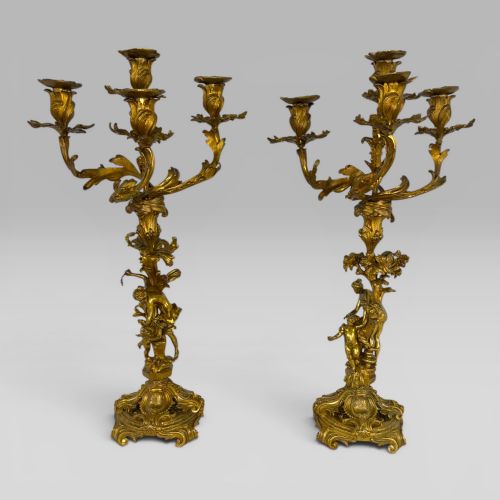
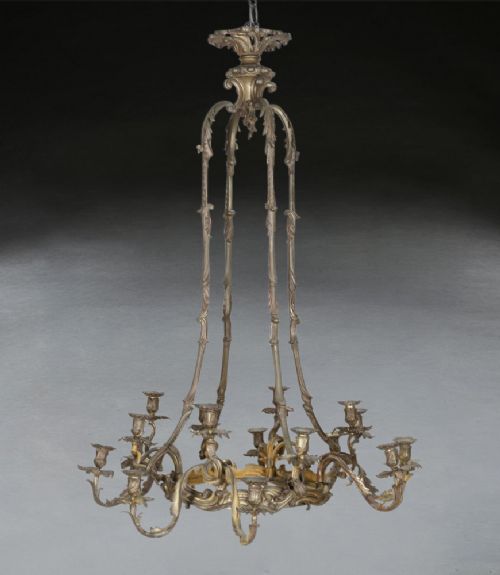
When you search for french rococo candelabra, you find lighting fixtures designed to hold multiple candles, originating from the eighteenth-century aesthetic and its later nineteenth-century revivals. These pieces combine elaborate sculptural forms with functional branches for illumination.
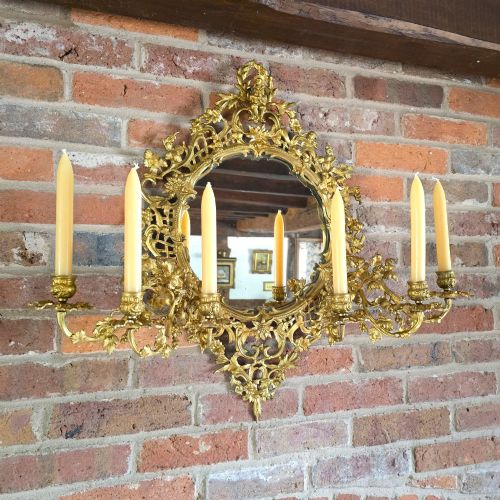
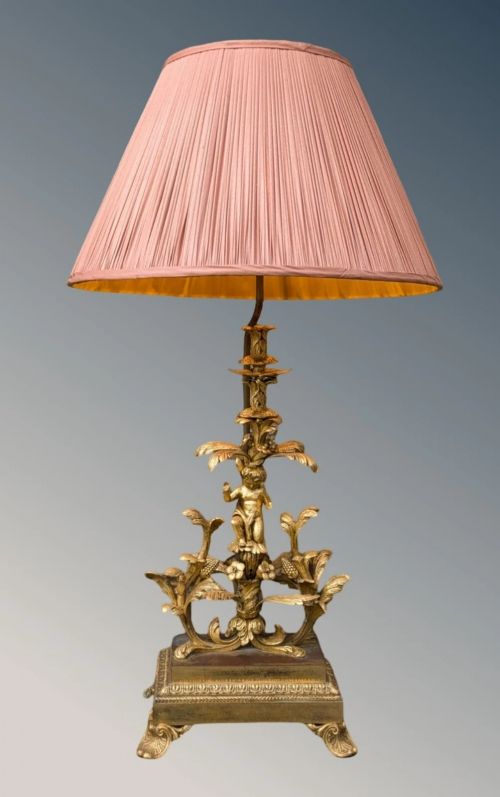
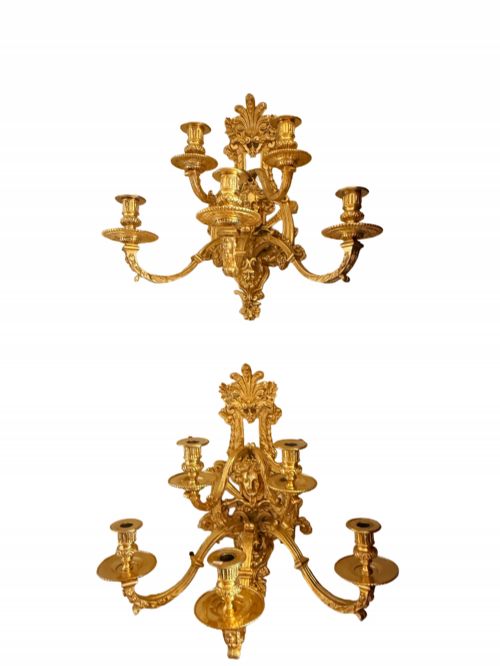
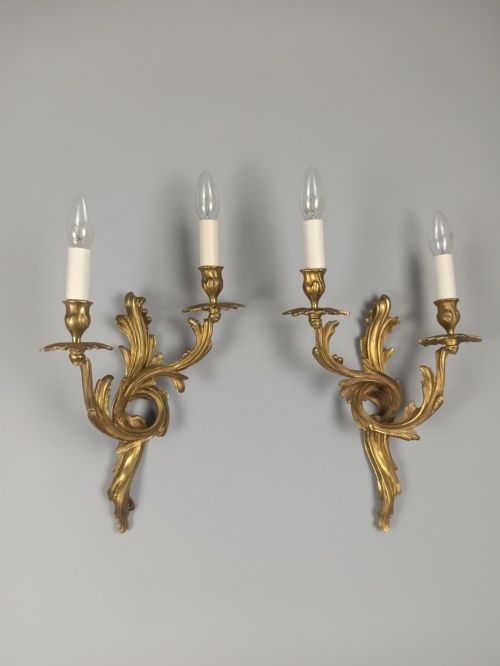
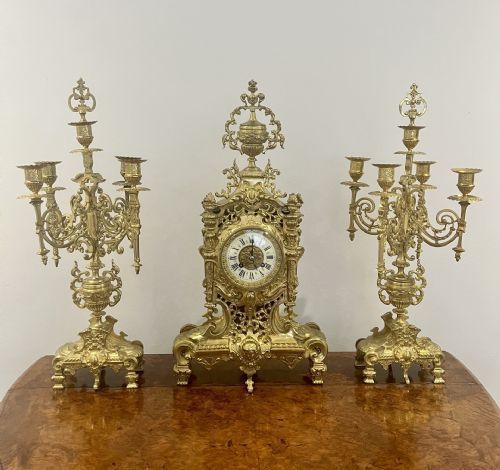
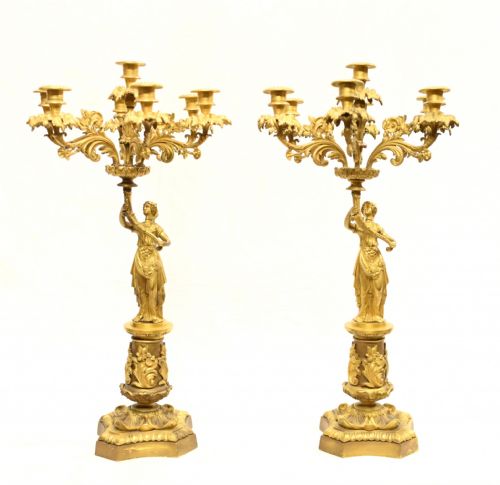
The versions you meet on this page include nineteenth-century pairs, late nineteenth-century Samson porcelain and ormolu models, and silvered metal examples from around nineteen-twenty. Forms range from twin-light configurations to large five-light and seven-light candelabra featuring cherubs and putti.
Makers drew on historical styles such as French Rococo Revival and French Chateau designs, sometimes working after Meissonnier. You also encounter lustre candlesticks and candelabra lamps that adapt these historical lighting forms for modern settings.
Distinctions in quality
Quality rests on the crispness of the casting and the depth of the chasing across the bronze or ormolu surfaces. Finer examples display sharp definition in foliage and sculptural figures, whereas lesser pieces exhibit softer, blurred details from worn moulds.
The integration of mixed materials also defines the hierarchy of pieces, particularly where porcelain or cut crystal meets metal. Superior manufacture ensures secure, seamless joints that hold complex multi-light branches in alignment without rigidity.
Retail Price Guide 2026
Typical UK retail prices for french rococo candelabra, calculated from the Sellingantiques database of over a million retail prices indexed since 2003. This retail price guide relies exclusively on Sellingantiques data; no external sources or auction records are used, so the figures do not describe the wider market.
Cherubs and putti frequently work overtime on these branches, holding up heavy lights with permanent expressions of cheerful exhaustion.
The French Rococo Candelabra Glossary
- Ormolu
- Gilded bronze produced through a mercury amalgamation process that leaves a durable, rich golden finish. This technique characterises the finest eighteenth-century and nineteenth-century decorative metalwork.
- Candelabra
- A branched candlestick designed to hold multiple candles simultaneously. These lighting fixtures often feature a central shaft dividing into several arms.
- Putti
- Depictions of chubby male infants, frequently winged, used as decorative figures in art and sculpture. They appear frequently supporting the branches of nineteenth-century candelabra.
- Lustre
- A glass pendant or drop hung from a candelabrum to catch and reflect candlelight. These elements add sparkle and movement to the lighting apparatus.
Frequently Asked Questions
What is the difference between candlesticks and candelabra?
Candlesticks hold a single candle upon a single vertical shaft. Candelabra feature branched arms that support multiple candles from one base.
In period lighting, candelabra provide substantially more illumination and involve more complex sculptural casting.
How do I date a pair of french candelabra?
Dating relies on examining the casting techniques, material composition, and stylistic revival markers. Nineteenth-century pieces often emulate earlier Louis XV designs while employing contemporary manufacturing methods.
Evidence from styles like French Rococo Revival helps narrow the period of production between the nineteenth century and the early twentieth century.
Where should I place candelabra in a room?
These decorative objects sit effectively on mantelpieces, sideboards, or large dining tables where their height and branched arms command visual attention. They function as sculptural centerpieces even when unlit.
Ensure placement avoids high-traffic areas where multi-light branches might suffer accidental impacts.
How do I clean gilt bronze and ormolu?
Dust these metallic surfaces gently with a soft, dry brush to prevent the accumulation of dirt within the chased details. Avoid abrasive cleaners or chemical polishes that strip the original gilding.
Professional conservation is advisable for pieces showing significant tarnish or structural instability.