
Ormolu Mounted Porcelain
Ormolu mounted porcelain marries gilded bronze with glazed ceramics, bringing opulent nineteenth-century display pieces and functional items into sophisticated modern interiors.
Ormolu Mounted Porcelain
Ormolu mounted porcelain encompasses decorative and functional objects created primarily during the nineteenth century in French and English workshops. These items combine fragile ceramic bodies with cast, chased, and gilded bronze mounts.
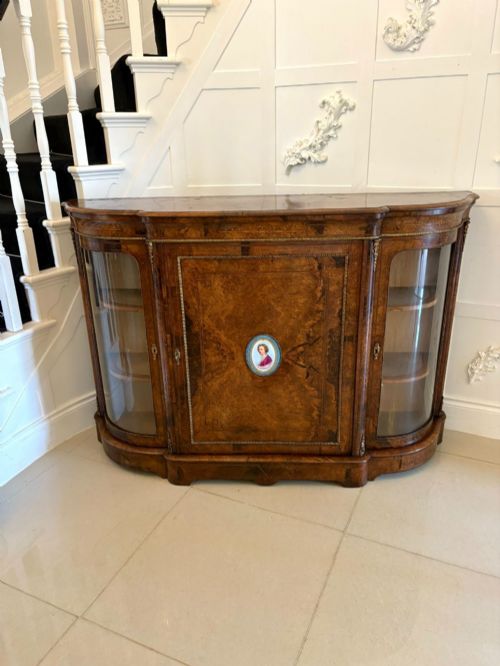
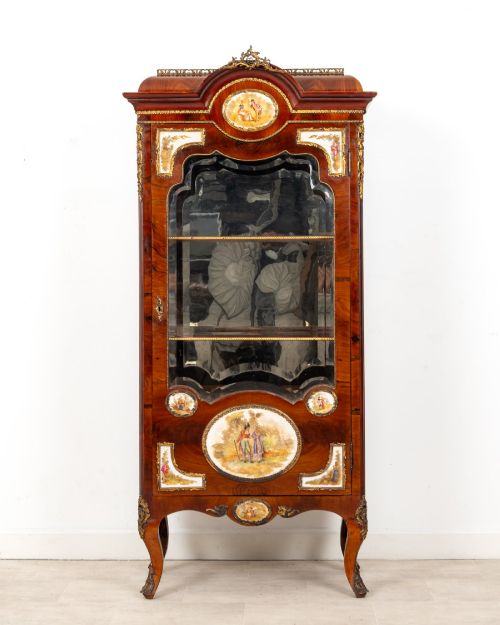
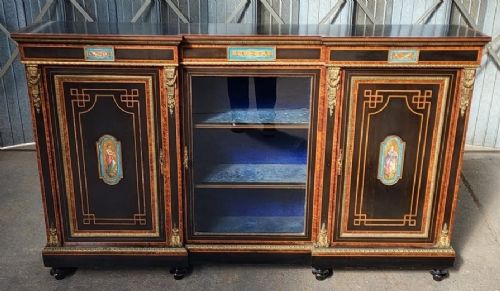
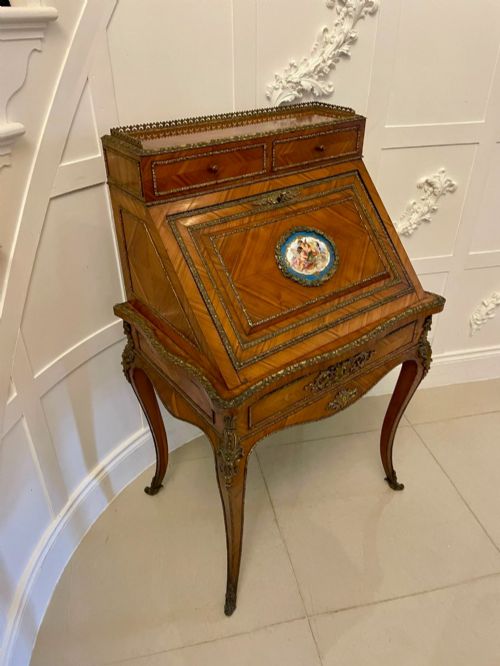
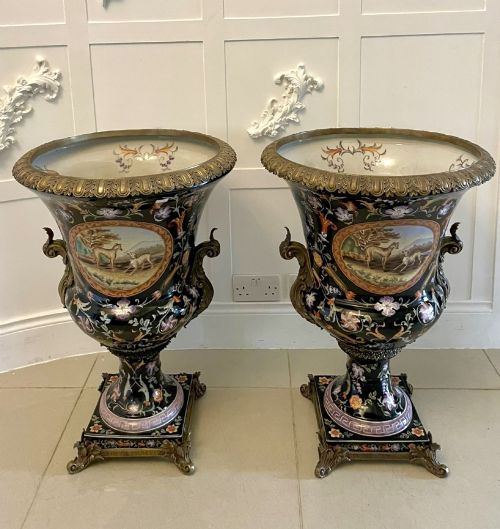
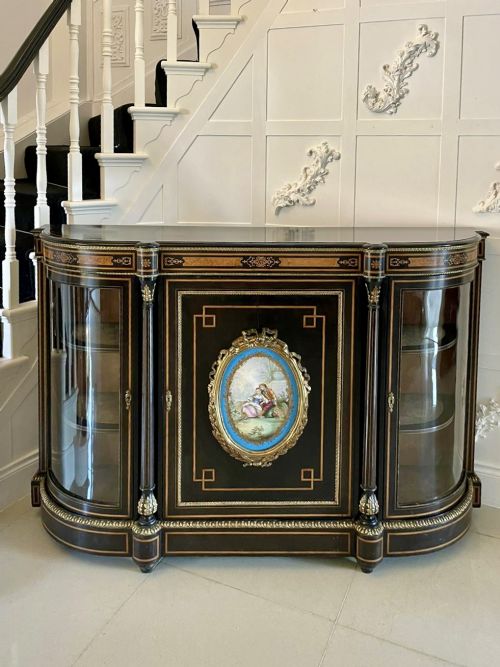
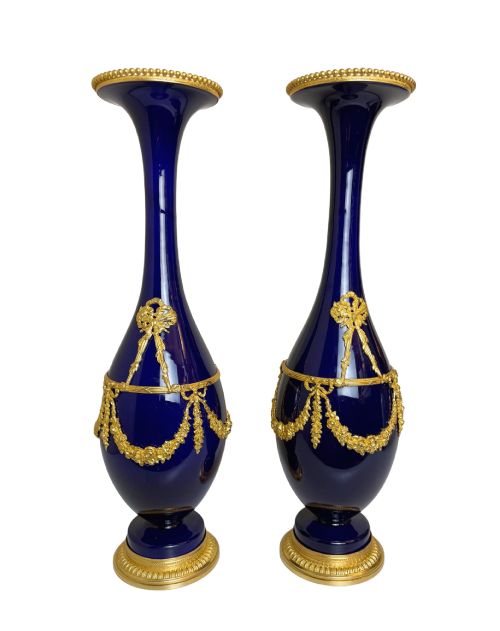
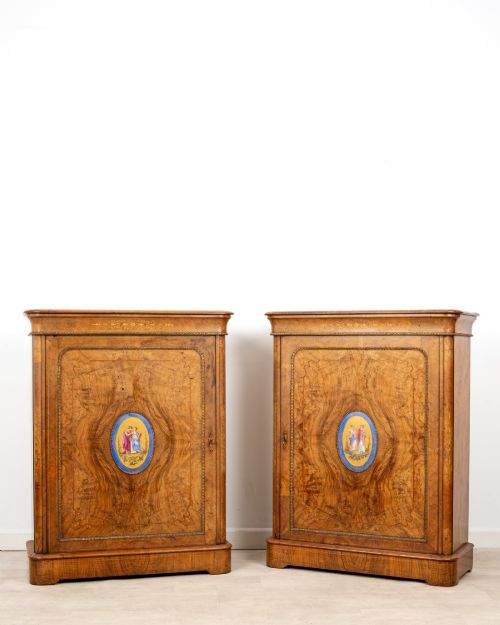
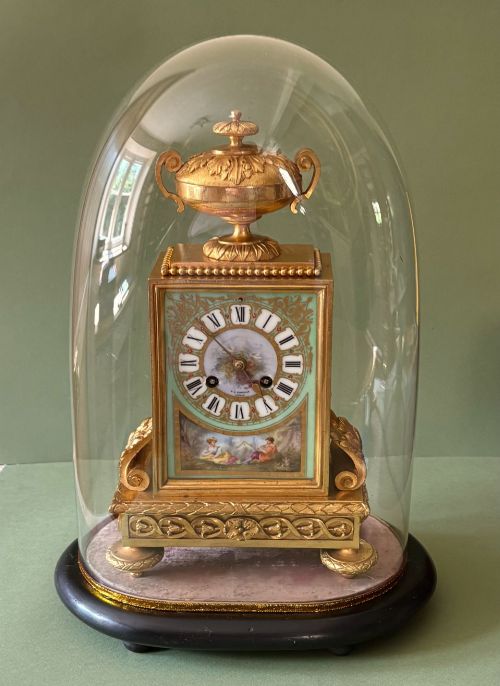
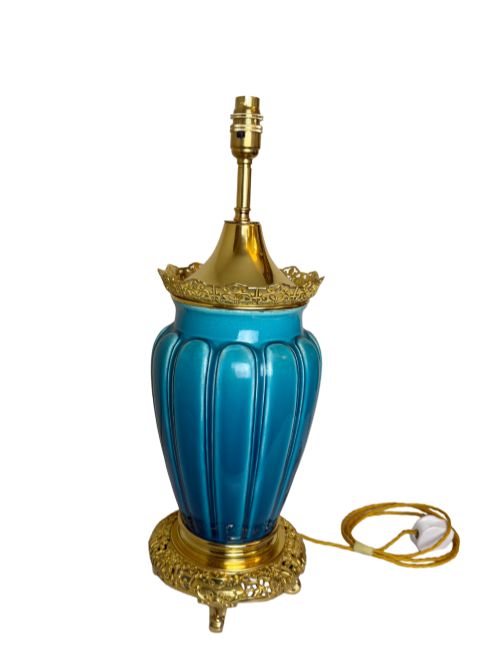
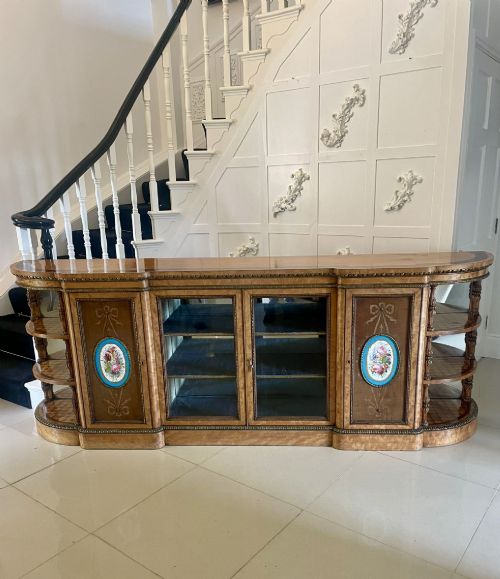
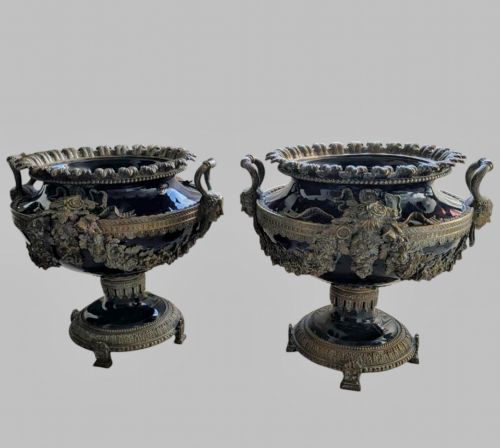
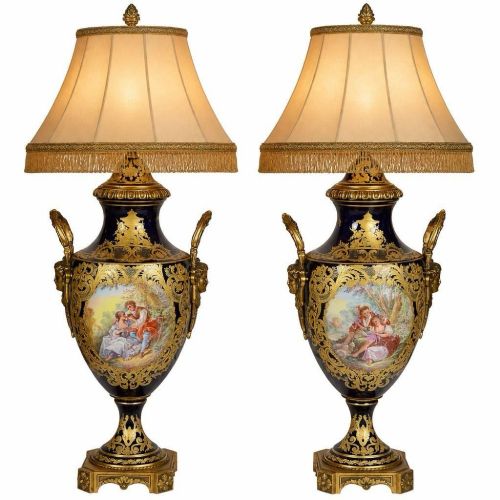
Buyers encounter a wide variety of domestic forms including credenzas inset with porcelain plaques, monumental table lamps, garniture sets, mantel clocks, and jardinières. Many examples draw directly on earlier French Rococo and Louis XV revival aesthetics.
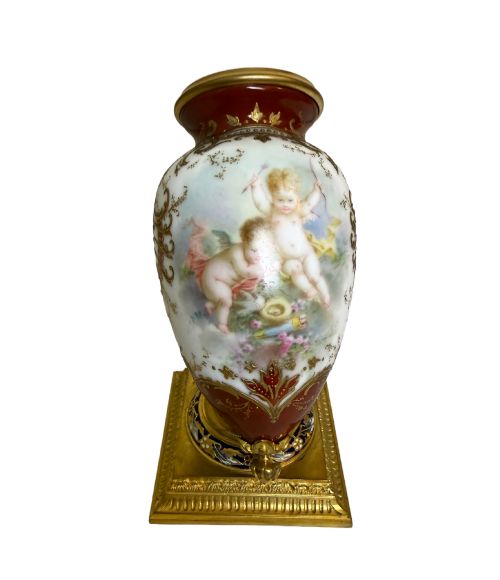
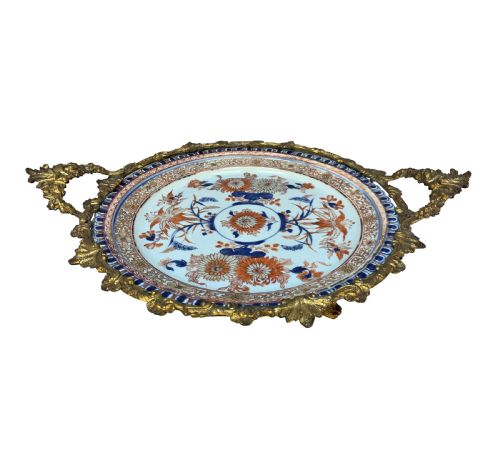
The ceramic components range from European factories such as Sevres and Dresden to imported Chinese Imari and Cantonese wares. These diverse traditions meet through the application of bronze mounts designed to accentuate the form of the vessel or furniture piece.
How they were made
Makers shaped porcelain bodies through traditional potting and firing methods before applying hand-painted glazes, cobalt blues, or enamel details. Ormolu elements began as bronze casts that artisans chased by hand to sharpen details before applying a mercury gilding process to achieve a rich metallic sheen.
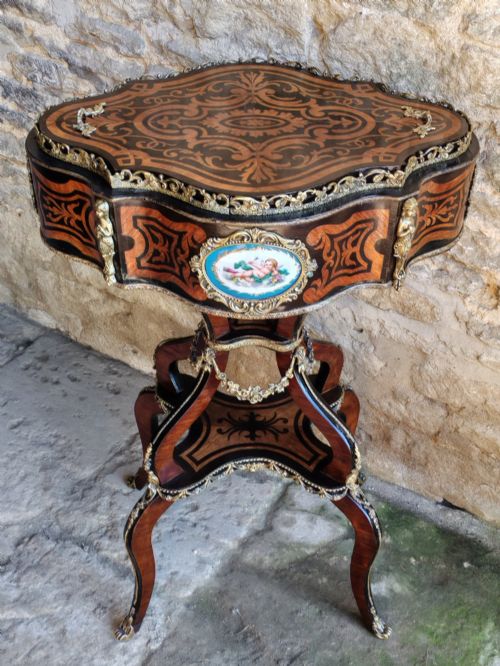
Cabinetmakers integrated these mixed media elements into furniture using fine timbers such as kingwood, walnut, amboyna, and ebonised wood. Bronze mounts were secured carefully around ceramic plaques and vessels to protect edges and provide structural ornamentation.
Materials commonly recorded include Sevres style porcelain, gilt bronze ormolu, kingwood, burr walnut, and ebonised timber.
What varies in quality
Quality rests heavily on the crispness of the bronze chasing and the depth of the gilding on the mounts. Superior pieces display sharply defined scrollwork, acanthus leaves, and figural details that fit the ceramic contours precisely without gaps.
The standard of the underlying porcelain painting and the prestige of the factory, such as Sevres or Meissen, dictate upper tiers of value. Cabinetry standards also separate average production from exceptional display pieces through the complexity of marquetry and timber selection.
Etienne Lenoir·G T Morant·J.B. Delettrez·Paul Milet
The Ormolu Mounted Porcelain Glossary
- Ormolu
- Gilded bronze, where a gold-mercury amalgam is applied to a cast brass or bronze base and heated to leave a durable metallic finish.
- Sevres
- The renowned French porcelain factory producing soft-paste and hard-paste ceramic luxury goods frequently utilised in elite nineteenth-century mounts.
- Jardiniere
- A decorative container or stand designed to hold plants or flowers, often lined with metal and mounted with bronze handles and feet.
- Credenza
- A long, low side cabinet utilised for display and storage, frequently decorated with inlaid timbers and inset porcelain plaques.
- Garniture
- A matching set of ornamental vases, urns, or candelabra designed to be displayed together on a mantelpiece or sideboard.
Ormolu Mounted Porcelain: Frequently Asked Questions
How do I clean ormolu mounts safely?
Dust bronze mounts gently with a soft, dry brush to prevent abrasive damage to the delicate gold surface. Avoid chemical polishes entirely, as they strip away historical gilding and ruin the patina.
For porcelain sections, wipe surfaces clean with a damp cloth and dry immediately. Keep these mixed-media objects away from direct sunlight and moisture to protect both the timber carcase and the gilding.
Are these pieces French or English?
The vast majority of ormolu mounted porcelain follows French design traditions, particularly the Louis XV and Napoleon III revivals popular throughout the nineteenth century. Many items utilise imported Sevres style porcelain housed in Parisian bronze mounts.
At the same time, English cabinetmakers in London produced comparable high-end credenzas and console tables incorporating imported porcelain plaques. Examining the construction methods and timber framing helps distinguish between domestic English workshop production and continental imports.
How can I date my piece accurately?
Dating relies on stylistic clues, mounting techniques, and factory marks found on the base of the porcelain or beneath bronze fittings. Most surviving decorative objects and furniture pieces date from the mid to late nineteenth century, spanning the Victorian and Napoleon III eras.
Earlier examples from the eighteenth century feature genuine period Chinese export or European porcelain paired with contemporary bronze work. Later nineteenth-century revivals often replicate these earlier aesthetics using machine-finished casting techniques alongside hand-chased details.
Where should I display a jardiniere?
Jardinières and planter stands work best positioned on sturdy side tables or directly on the floor where their detailed bronze mounts and painted ceramic bodies remain visible. Because damp soil can damage antique ceramic bodies and interior linings, use a waterproof liner inside the vessel.
Placing these decorative planters away from heavy foot traffic protects delicate protruding ormolu handles and feet from accidental knocks. They function equally well as standalone sculptural objects or as containers for dried arrangements.