

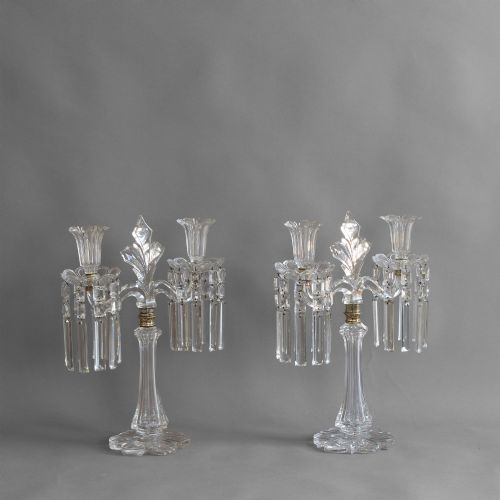
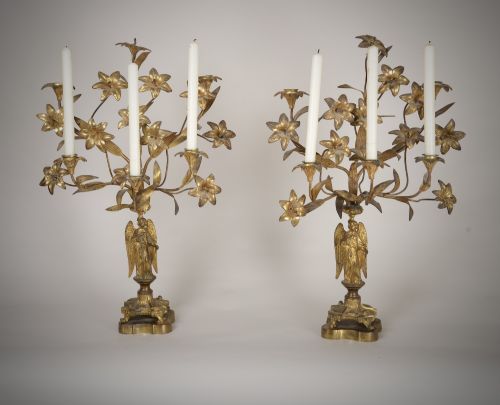
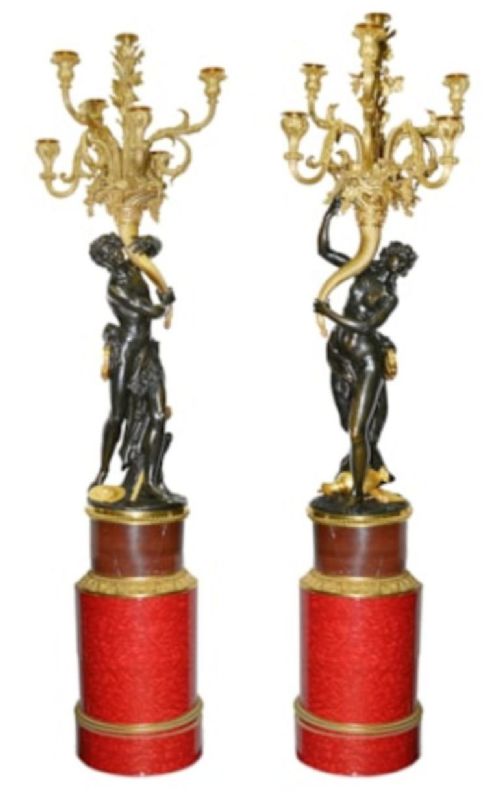
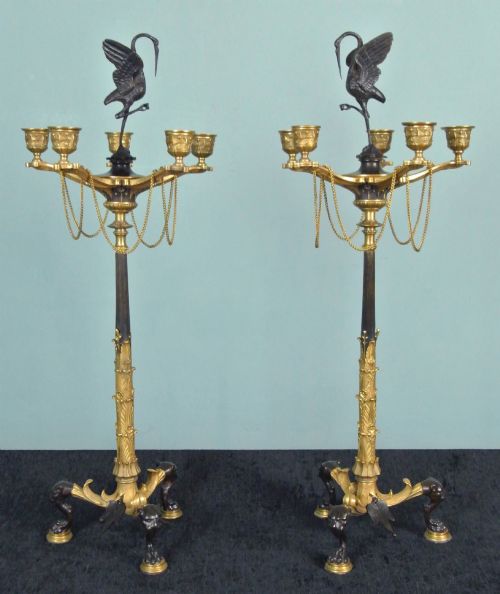
Pair French Candelabra
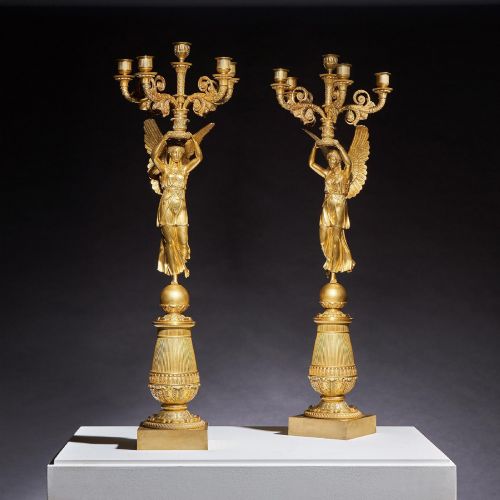
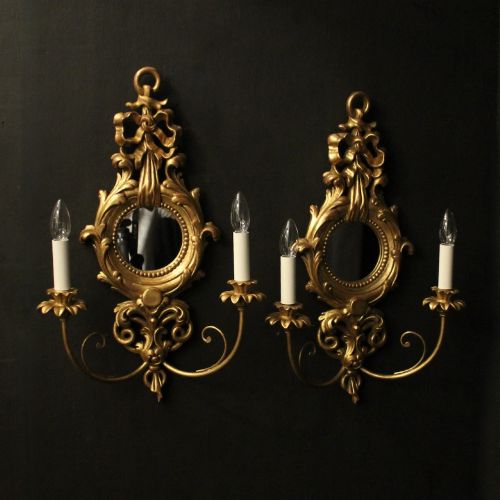
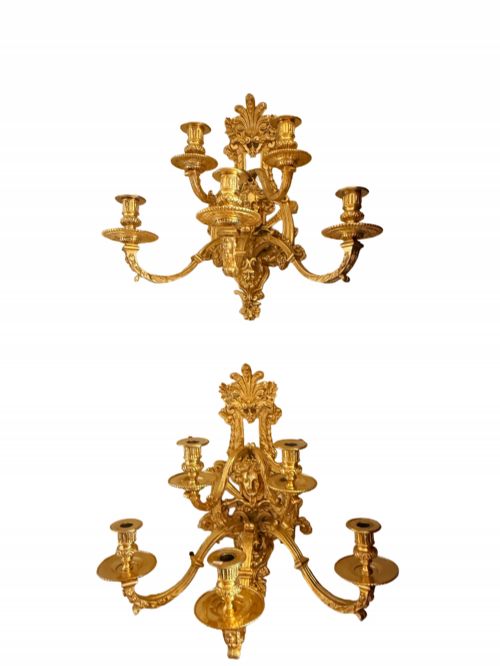
A pair french candelabra brings undeniable presence to a room, cast in heavy bronze and glowing ormolu to catch the evening light.

What They Are
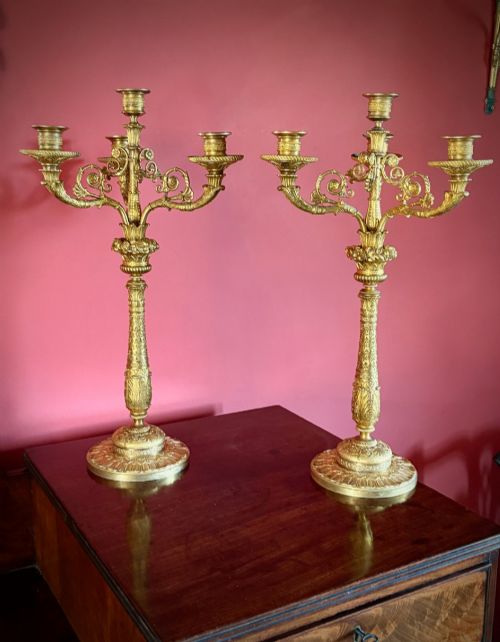
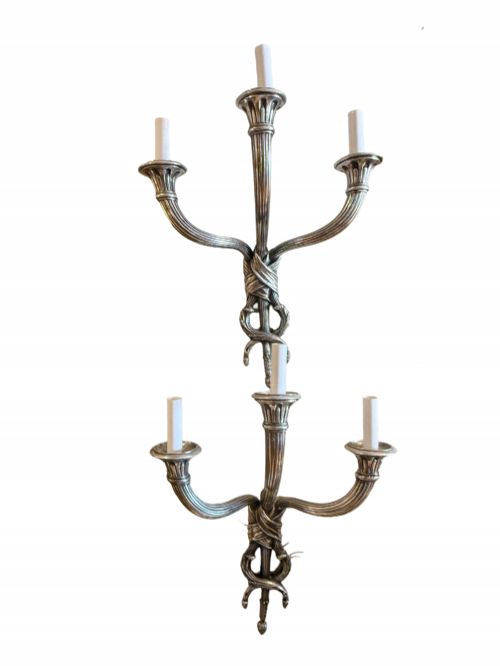
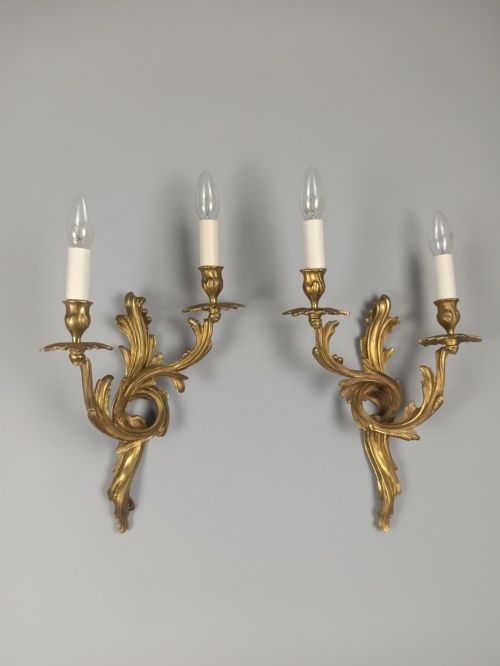
A pair french candelabra represents the height of continental metalwork, designed to hold multiple taper candles for interior illumination. These pieces originate predominantly across the nineteenth century, spanning from the neoclassical discipline of the earlier decades to the exuberant curves of later revivals.
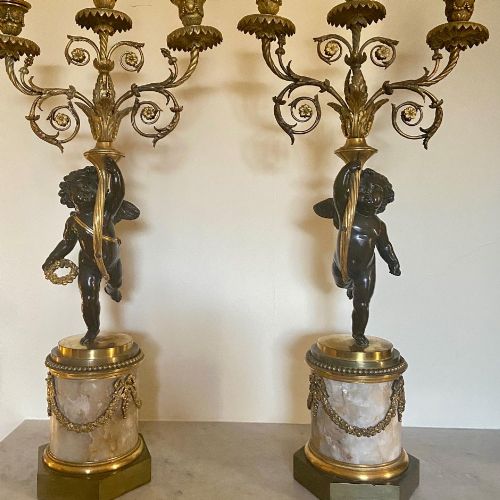
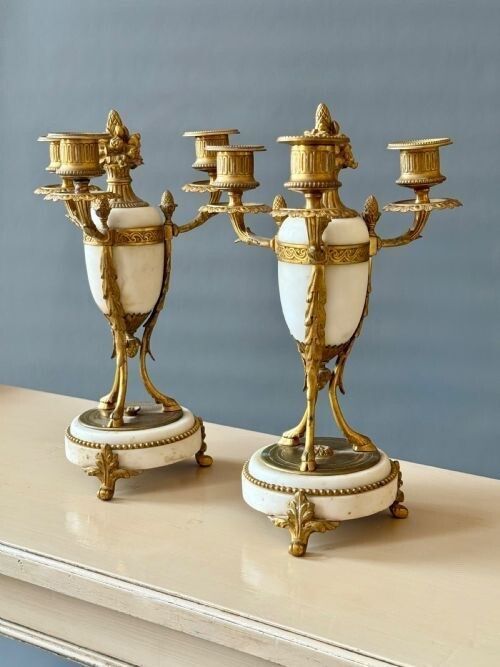
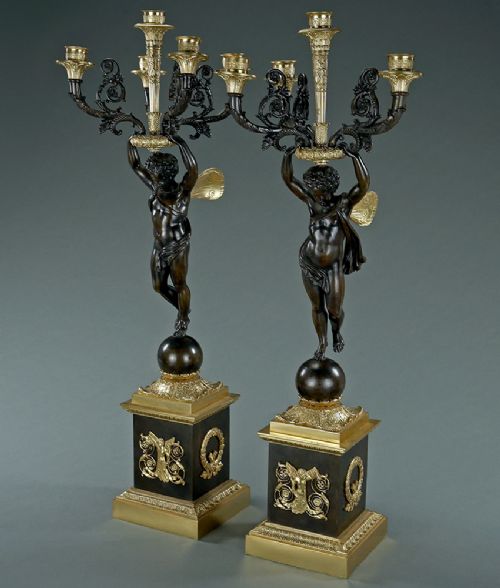
Buyers looking through this selection will frequently encounter figural designs, particularly cherub and putti motifs rendered in gilt bronze. Architectural forms incorporating marble bases also appear regularly, reflecting both Louis XVI and Rococo revival tastes.
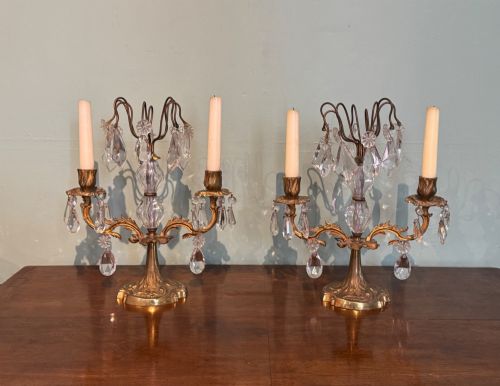
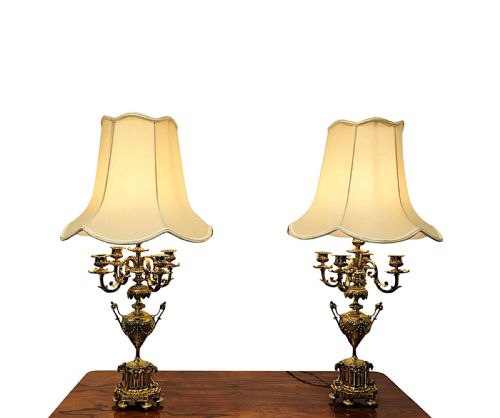
The inventory encompasses substantial multi-light configurations alongside domestic table variants. Many examples show adaptation to electricity in subsequent decades, bridging historical utility with modern interior demands.
How They Were Made
Foundries produced these objects primarily through lost-wax or sand casting in copper alloys like bronze and brass. Artisans then applied mercury gilding, known as ormolu, to create a durable, lustrous golden surface over the base metal.
Component parts such as drip pans, arms, and central shafts were cast separately and joined mechanically with threaded screws and pins. This modular construction allowed workshops to assemble complex multi-branch lighting structures with secure structural integrity.
Cherubs occasionally share lighting duties with nimble whippets.
What Varies In Quality
The distinction between standard commercial output and exceptional studio work lies in the crispness of the chasing. Superior pieces retain sharp definition in hair, drapery, and acanthus leaves, whereas lesser examples show softened contours from worn production moulds.
Weight and metal density dictate the foundational substance of the object, with heavier bronze castings offering better stability and longevity. The application of ormolu also varies, with superior mercury gilding displaying a deep, warm matte and burnished contrast rather than a flat, uniform yellow wash.
The architectural harmony of the paired components separates master workshop output from ordinary production. Fine pairs demonstrate mirror-image symmetry and balanced casting proportions across both branches and figural elements.
Claude Galle·Pierre Philippe Thomire·Odiot Paris·Samson Porcelain
The Pair French Candelabra Glossary
- Ormolu
- Gilt bronze created by applying a mercury and gold amalgam to a bronze base, then heating it to vaporise the mercury. This historic technique produced a durable, deep golden finish distinct from modern electroplating.
- Patinated bronze
- Metal treated with chemical solutions to darken or colour the surface, creating contrast against gilt elements. It highlights the underlying sculptural modeling of figures and foliage.
- Chasing
- The manual process of refining a cast metal surface using hammers and small steel punches. It restores crisp detail lost during the casting process and creates surface texture.
- Putti
- Depictions of chubby male toddlers, often winged, used as decorative supports in sculptural metalwork. They frequently appear in nineteenth-century revival lighting designs.
- Rococo Revival
- A nineteenth-century design movement favoring asymmetrical scrolls, naturalistic shell motifs, and exuberant curves. It reinterprets eighteenth-century French aesthetic principles.
Frequently Asked Questions
How do I clean gilt bronze?
Dust gently with a soft dry cloth to remove surface particles without abrasive contact.
Avoid chemical polishes entirely, as they strip the historic ormolu layer and expose the base metal underneath.
Were these originally wired for electricity?
Nineteenth-century lighting was exclusively designed for wax or tallow tapers mounted in sockets.
Many examples underwent conversion during the twentieth century to accommodate internal electrical wiring for domestic lamps.
How do I date a nineteenth-century piece?
Examine the casting method, assembly screws, and style markers such as neoclassical restraint versus rococo asymmetry.
Material combinations like specific marble types and mercury gilding provide additional chronological indicators.
Can converted candelabra be restored to candles?
Most conversions utilised existing hollow channels and mounting points without permanently altering the primary structural bronze.
Reversing the process involves removing internal wiring and restoring the original drip pans and candle nozzles.