
French Ormolu Candlesticks
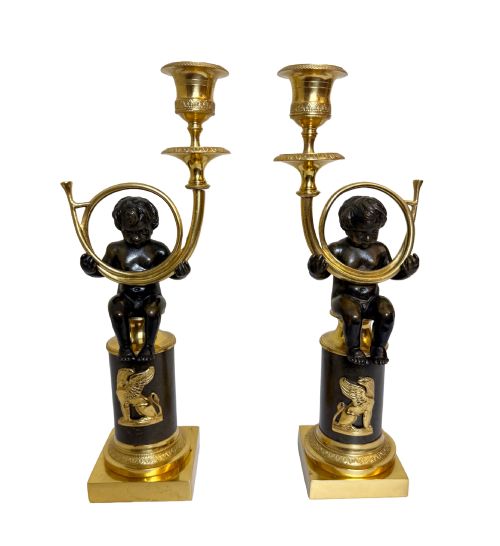
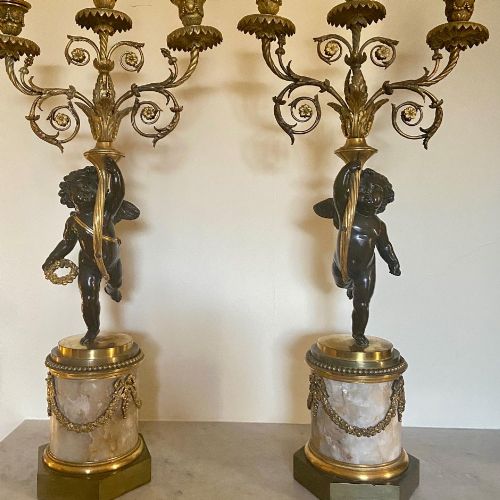
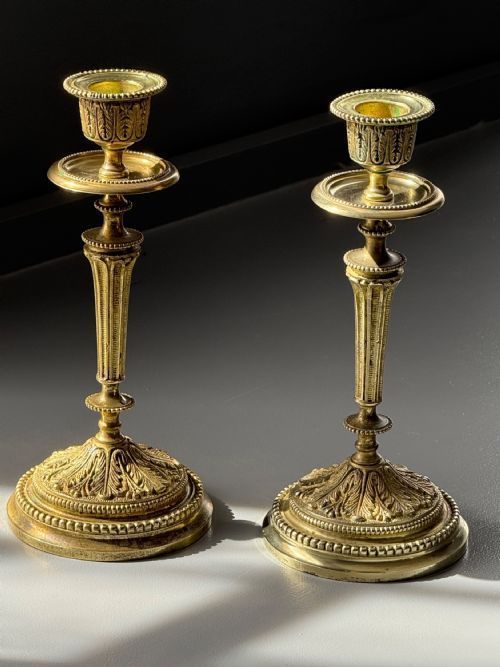
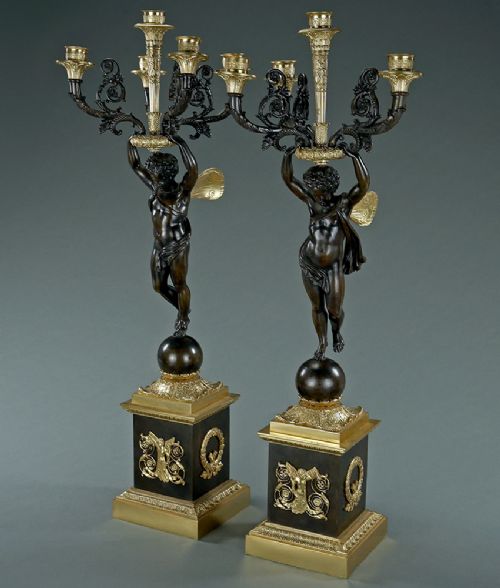
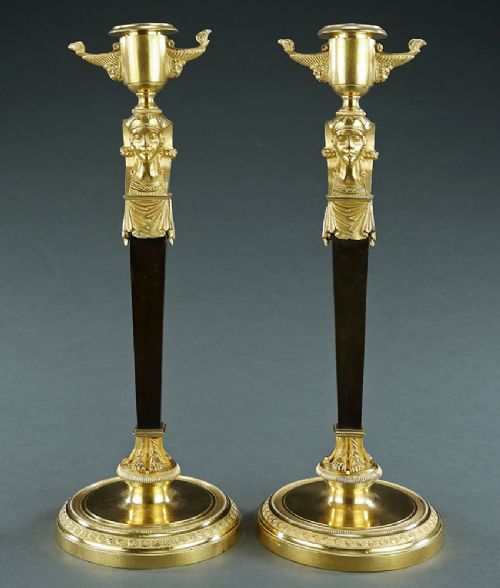
French ormolu candlesticks bring the warmth of mercury-gilded metal and patinated bronze into a room, drawing the eye with sculptural figures and neoclassical columns.
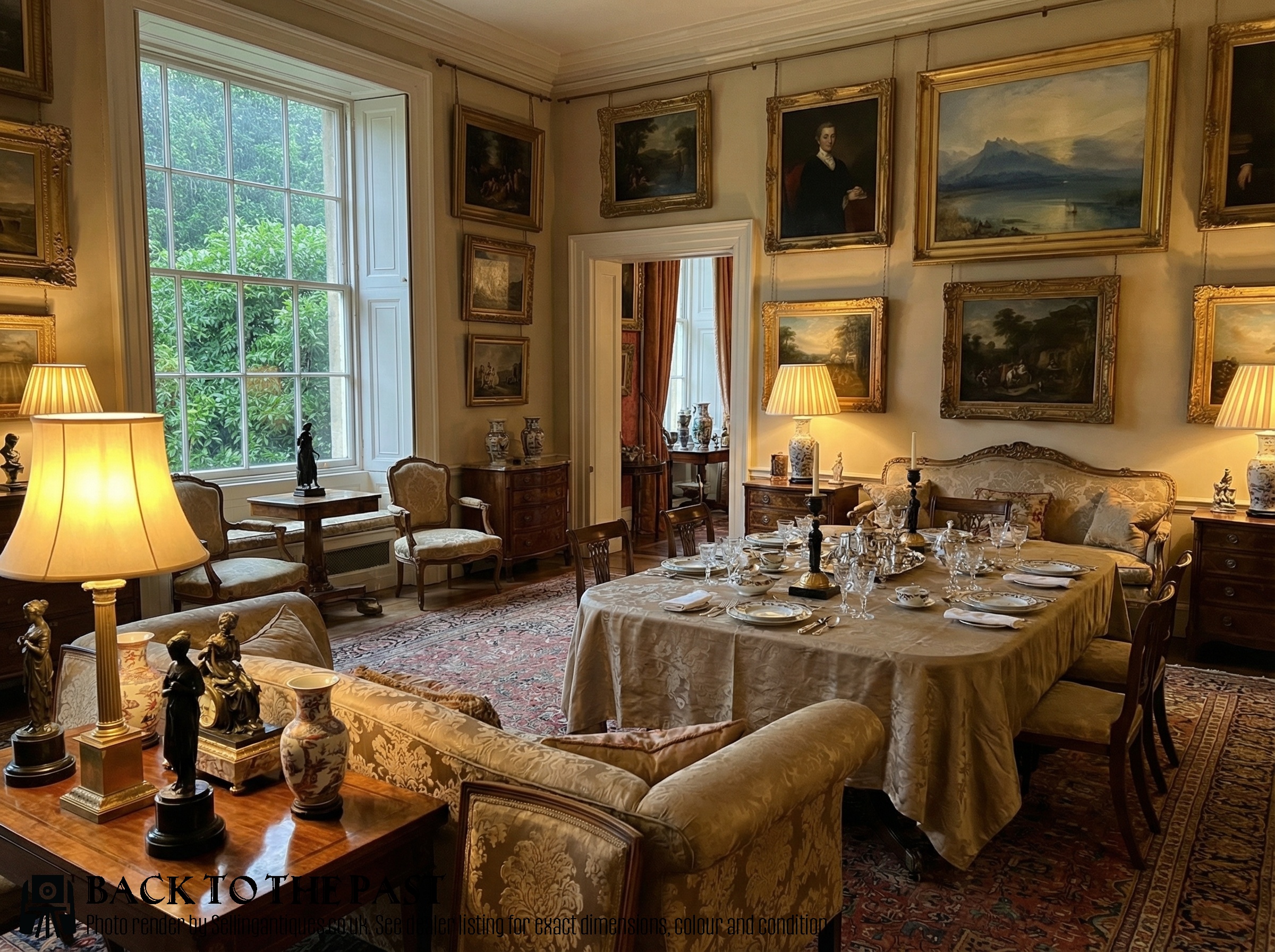
French Ormolu Candlesticks
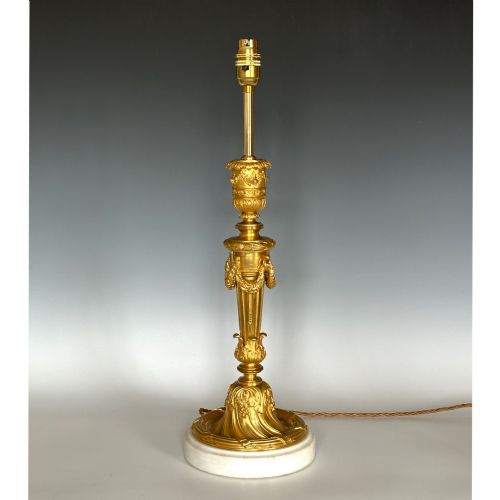
French ormolu candlesticks encompass light-holders and candelabra produced in various periods from the eighteenth century through to the early twentieth century, drawing heavily on historic design idioms. The most common examples met here belong to the nineteenth century, reflecting revivals of Louis XVI, Rococo, and Empire aesthetics.
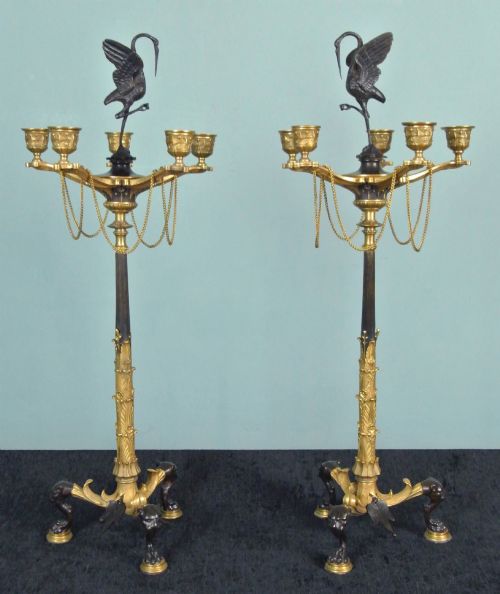
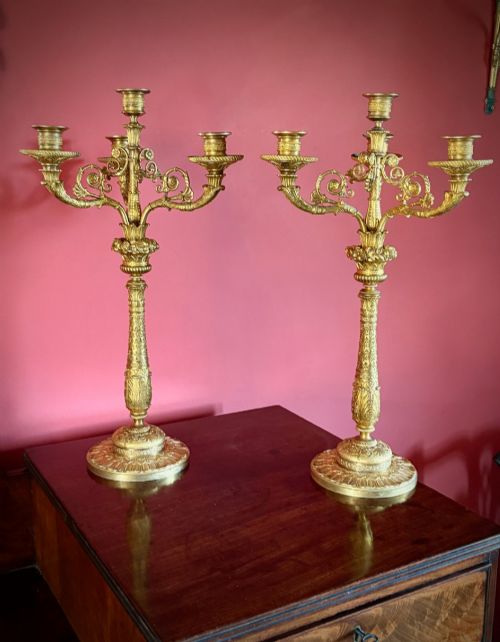
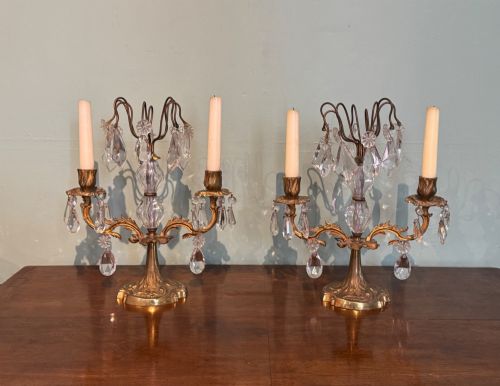
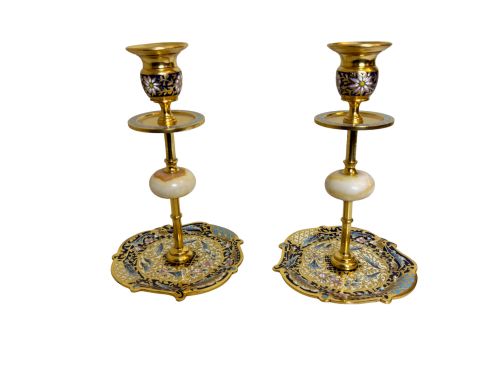
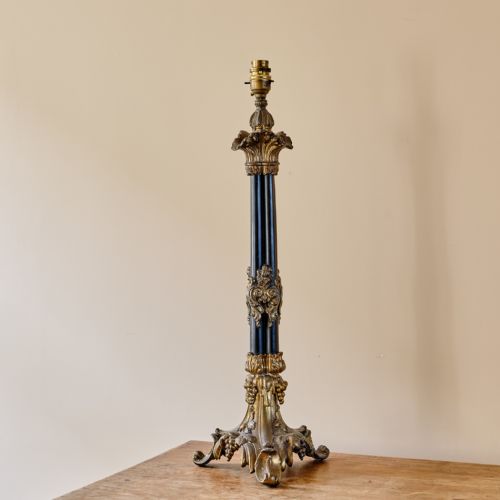
Beyond standard single-light sticks, surviving forms incorporate multi-branch candelabra, table lamps adapted from earlier standards, and desk accessories integrated with inkstands. These pieces frequently pair cast metal with contrasting elements like white marble, onyx, or champleve enamel.
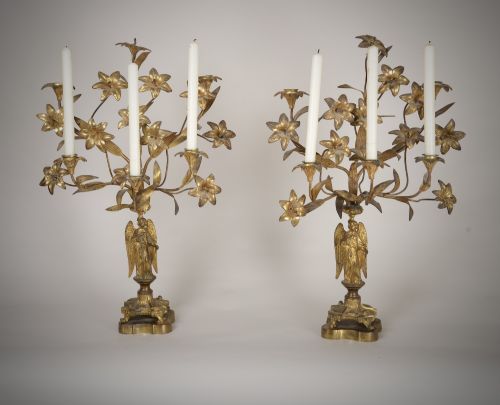
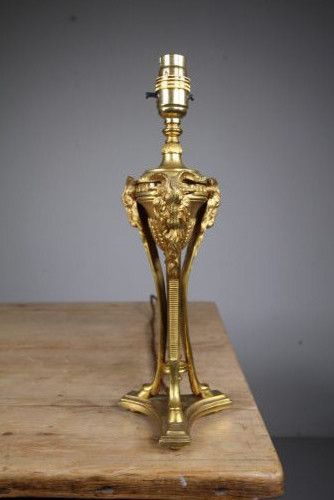
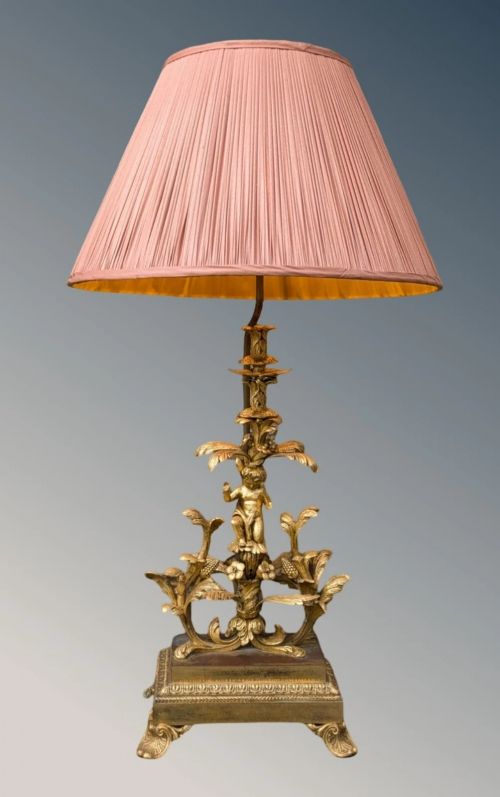
Stylistic influences span from strict neoclassical columns to ornate naturalistic motifs involving cherubs, putti, and foliage. Many items originate from the extensive production runs of the nineteenth century, capturing earlier monarchical tastes through industrial-era casting techniques.
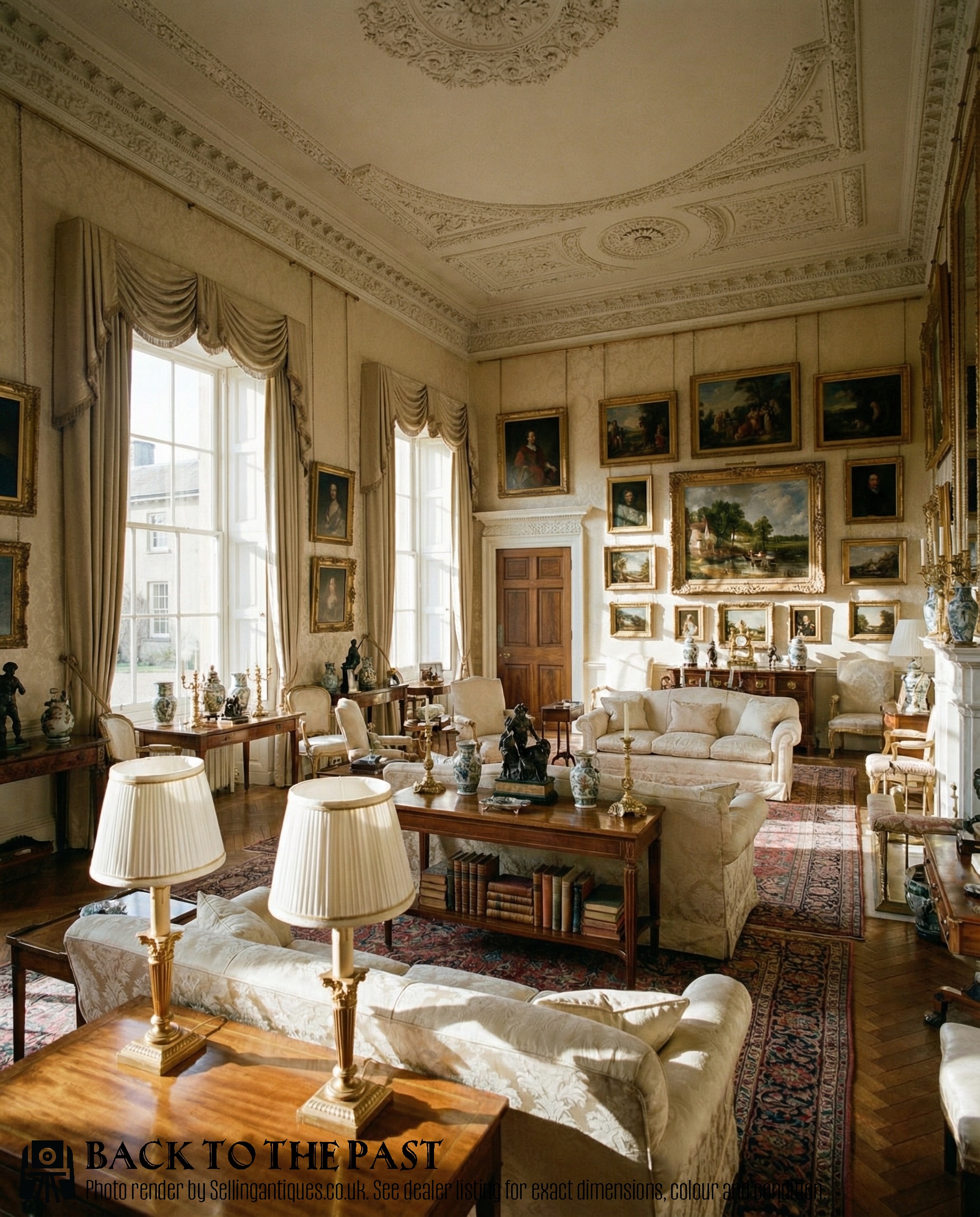
How they were made
The primary structural components rely on bronze or brass, shaped through detailed sand casting and lost-wax methods before undergoing hand chasing to sharpen surface textures and relief details. Gilding was traditionally achieved using mercury amalgamation, which imparted a deep, lasting lustre, though later nineteenth-century pieces often utilise electroplating.
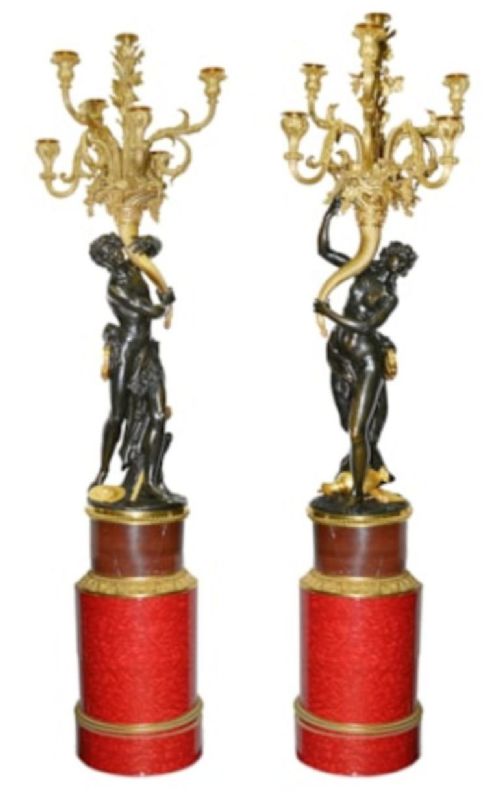
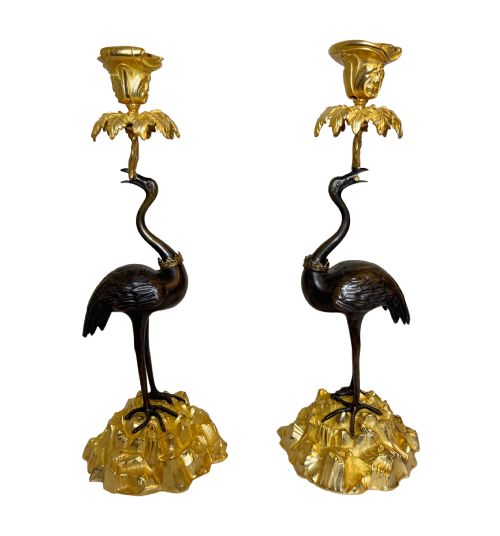
Makers integrated mixed media by mounting metal work onto bases of Carrara marble, fossil marble, or onyx, and occasionally accented designs with champleve enamel, cut glass, or porcelain inserts. Patinated bronze sections were frequently combined with gilded or ormolu elements to create stark colour contrast.
French Ormolu Candlesticks Retail Price Guide 2026
Typical asking prices for french ormolu candlesticks among the pieces listed under this phrase on Sellingantiques today, from the lower quarter to the upper quarter. They describe what is for sale here now, not the wider market.
Listings span periods from the eighteenth century to 1900, incorporating materials such as champleve enamel, marble, and patinated bronze alongside standard ormolu.
What varies in quality
The finish of the gilding also dictates the standard of the object, with mercury-gilded surfaces displaying a rich, warm tone compared to the brighter, more uniform sheen of later chemical or electroplated alternatives. Integration of high-grade natural materials like fine-grained marble or intact champleve enamel further elevates the standing of an individual pair.
Barbedienne Bronze·Francois Redmond
The French Ormolu Candlesticks Glossary
- Ormolu
- Gilded bronze produced by applying a mercury and gold amalgam to a bronze base and heating it until the mercury vaporised, leaving a durable gold layer. This technique creates a distinctive golden hue characteristic of decorative metalwork.
- Patinated bronze
- Bronze treated with chemical solutions to produce a dark, aged surface tone rather than a gilded finish. It often provides a moody contrast against bright ormolu mountings.
- Champleve enamel
- A technique where troughs are gouged into a metal surface, filled with powdered enamel, and fired. The resulting colourful patterns appear flush with the surrounding metal.
- Candelabra
- A branched candleholder designed to support multiple tapers from a single central stem. These pieces often feature removable upper branches allowing conversion to simpler candlesticks.
- Régence style
- A transitional decorative style bridging the late seventeenth-century Baroque and the eighteenth-century Rococo. It introduces lighter, more asymmetrical curves while retaining formal structure.
French Ormolu Candlesticks: Frequently Asked Questions
What is the difference between ormolu and gilt bronze?
Ormolu is simply the traditional term for mercury-gilded bronze, originating from the French expression for ground gold. In practice, dealers use both terms interchangeably to describe gilded metalwork from the eighteenth and nineteenth centuries.
Earlier items tend to use mercury gilding, while late nineteenth-century pieces often employ electroplating. Both methods achieve a brilliant golden appearance on a bronze substrate.
Were these electrified later?
Many nineteenth-century candlesticks and candelabra underwent conversion into table lamps during the twentieth century to suit modern domestic lighting needs. Some adaptations preserve the original structure by running cords through existing central channels without drilling.
When evaluating a converted piece, check whether the alteration is reversible. Original sconce fittings remaining intact allow collectors to restore the item to its initial candle-bearing form.
How can I tell the period?
Dating relies on examining the casting precision, the combination of materials like marble or enamel, and the prevailing decorative vocabulary. Neoclassical motifs point towards the late eighteenth or early nineteenth century, while busy revival styles often indicate later nineteenth-century production.
Examining the underside of the base frequently reveals casting seams, tool marks, or mounting screws that correspond to specific manufacturing eras. Comparing the construction to known dated examples helps narrow down the decade of creation.