

Gilt Bronze Candle Holders
Gilt bronze candle holders bring heavy metal presence and bright French flair to a room, which is why collectors seek out these 19th-century pairs.
What gilt bronze candle holders are
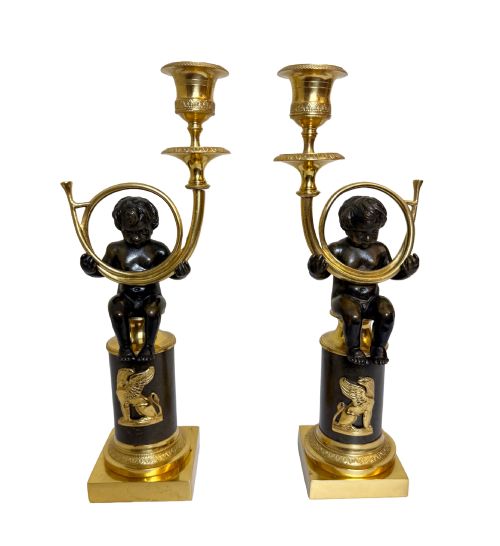
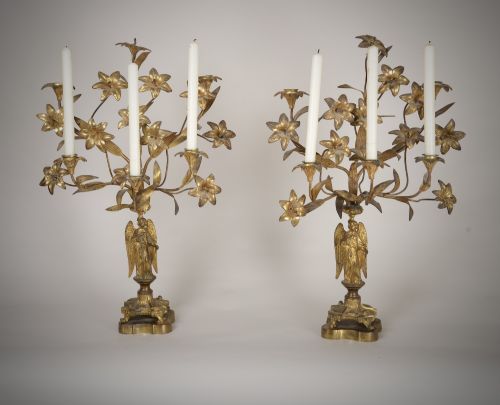
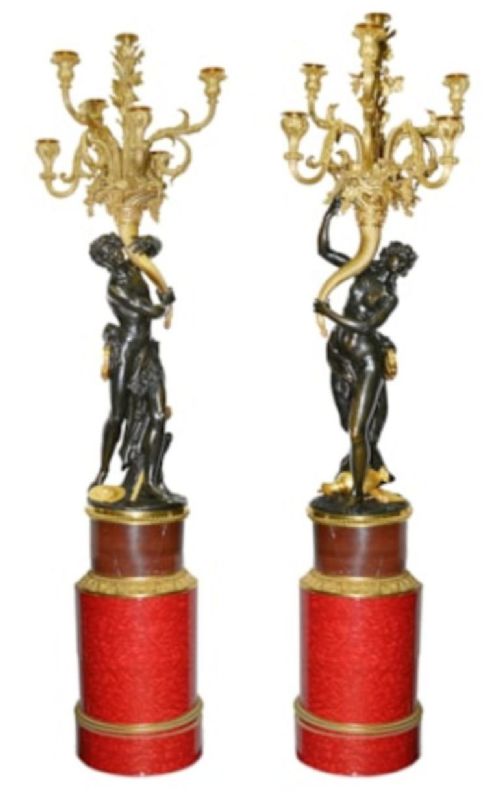
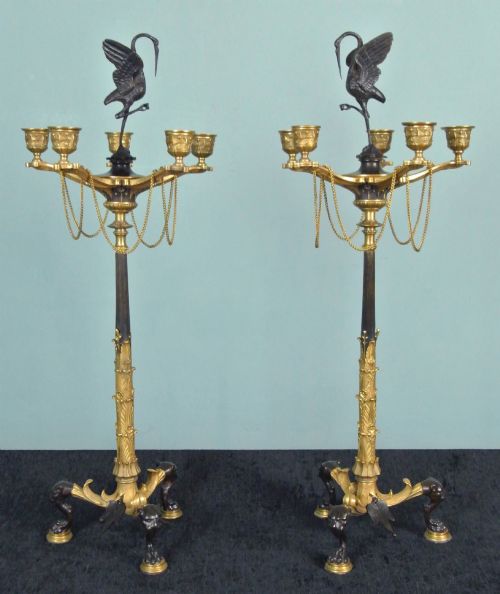
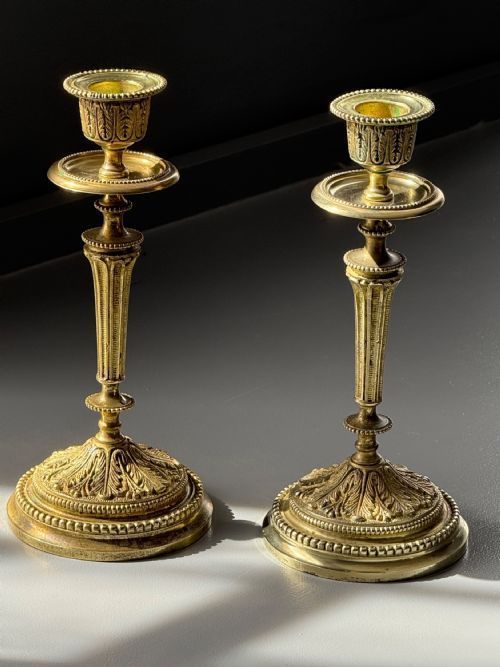
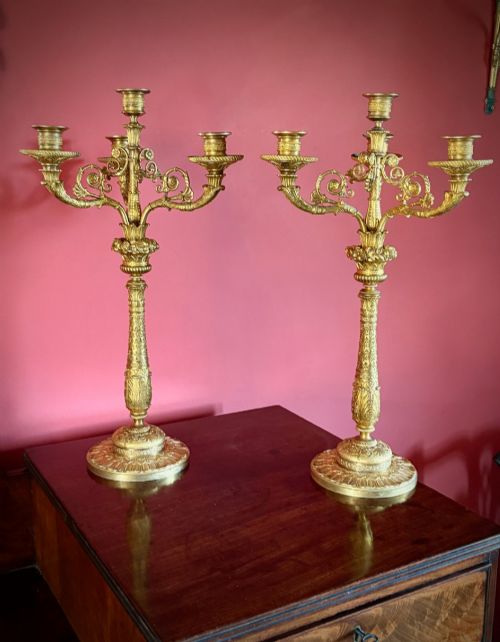
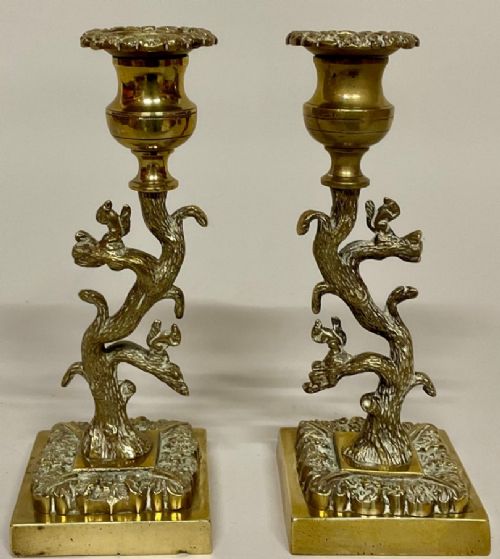
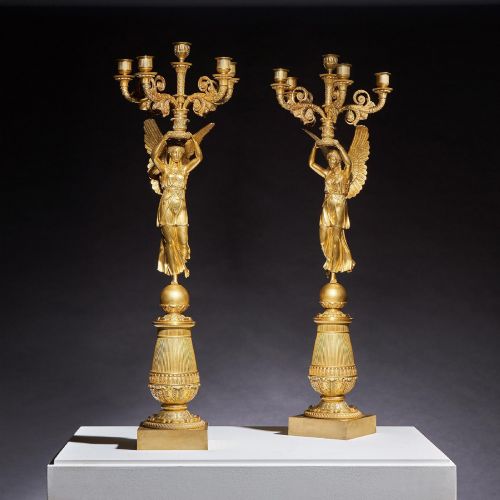
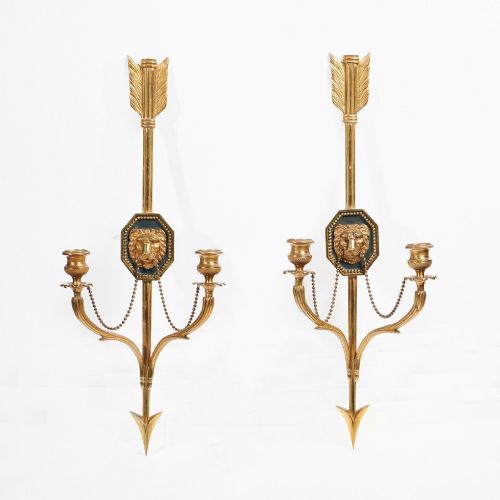
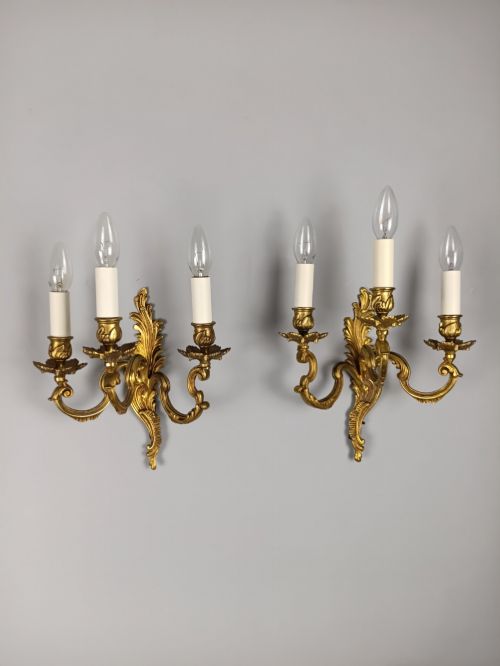
Gilt bronze candle holders span the Regency, George IV, and Napoleon III periods, drawing heavily on French Louis XV, Rococo, and Empire styles. Buyers hunting for these pieces frequently encounter substantial pairs formed as candlesticks rather than multi-branch candelabra.
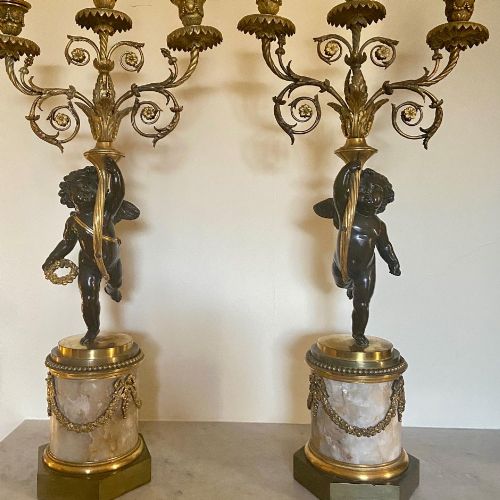
The decorative vocabulary relies on figurative motifs and classical forms. Examples range from putti and dolphin figures to the distinct Rococo 'Au Bon Sauvage' lustre candlesticks and chateau-inspired designs.
How they were made
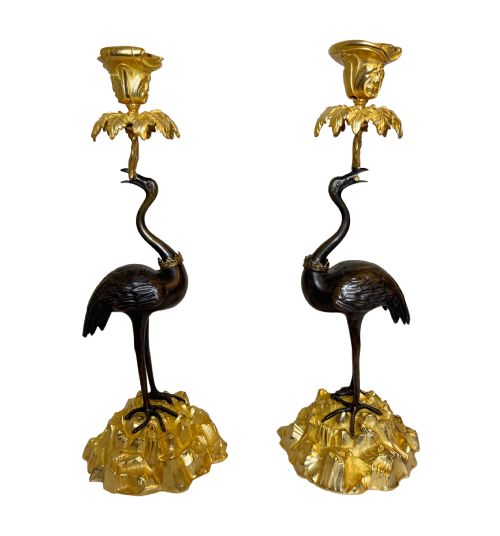
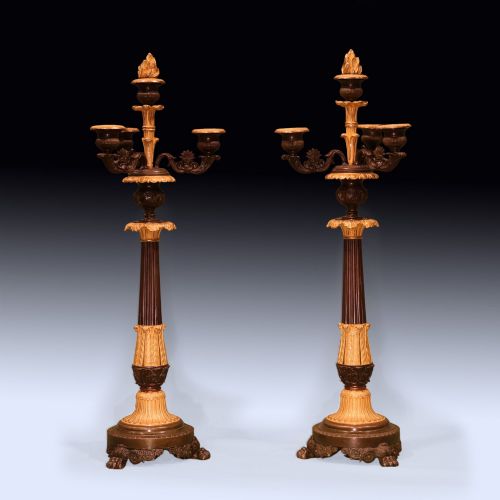
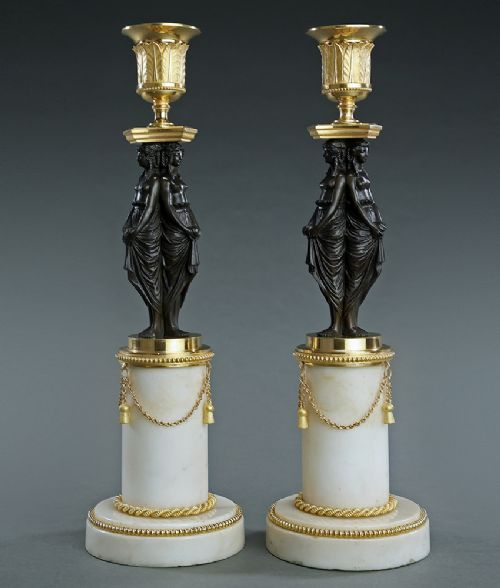
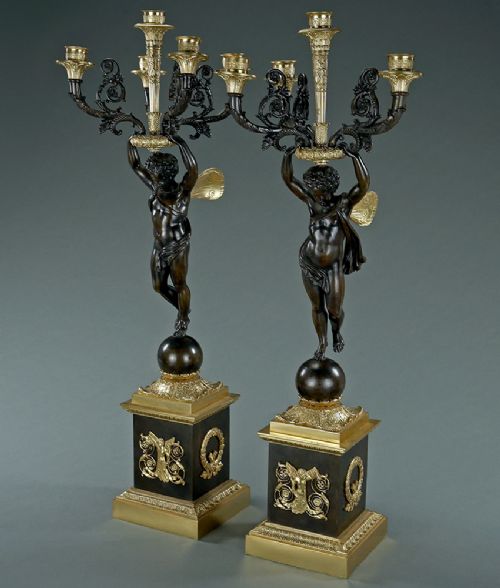
Maker's workshops built these objects using cast bronze and brass, often combining patinated bronze with ormolu for striking tonal contrast. Artisans also integrated cut crystal and marble components into the metalwork structures.
The technique paired metal casting with careful gilding, creating a durable surface that highlights intricate sculptural details. Patinated dark bronze sections stand out sharply against the bright gold ormolu highlights.
Retail Price Guide 2026
Typical UK retail prices for gilt bronze candle holders, calculated from the Sellingantiques database of over a million retail prices indexed since 2003. This retail price guide relies exclusively on Sellingantiques data; no external sources or auction records are used, so the figures do not describe the wider market.
Dolphins appear surprisingly often as structural support for nineteenth-century candles, acting as stout little marine pillars.
What varies in quality
The refinement of the casting and chasing dictates the upper tier of these pieces. Sharper relief in figures like putti and dolphins marks superior workshop output.
The contrast between bright ormolu and deep patinated bronze separates standard production from exceptional work. Integrated materials like marble and cut crystal also elevate the complexity of the piece.
The Gilt Bronze Candle Holders Glossary
- Ormolu
- Gilt bronze produced by applying a finely ground high-carat gold-mercury amalgam to a bronze object. This historic French technique yields a distinctive warm lustre.
- Patinated Bronze
- Bronze treated to achieve a dark surface tone through chemical means or natural oxidation. It provides a dark contrast against bright ormolu details.
- Rococo
- A decorative style characterised by asymmetrical curves, scrollwork, and naturalistic motifs. It heavily influences many nineteenth-century French lighting designs.
- Dolphin
- A common marine motif in Regency and Empire metalwork, often rendered with curved tails supporting the candle socket. These creatures symbolize speed and sea mastery.
Frequently Asked Questions
What periods do these pieces come from?
The inventory spans the nineteenth century, including Regency, George IV, and Napoleon III eras.
Stylistic influences point primarily to French workshops working in Louis XV, Rococo, and Empire traditions.
How do I clean gilt bronze candle holders?
Dust gently with a soft dry cloth to protect the delicate metallic surfaces. Avoid abrasive cleaners that strip the gold ormolu layer.
Harsh chemical polishes will permanently damage the historic patinated bronze and ormolu finishes.
Are these items sold as pairs?
Many listings feature matching pairs designed for symmetrical placement on mantelpieces or side tables. Single candlesticks appear less frequently.
Matching pairs maintain balanced proportions for traditional interior display.
What materials make up these objects?
Construction relies heavily on cast bronze, brass, and ormolu with contrasting dark patinated bronze surfaces. Secondary materials include cut crystal and marble.
These mixed media combinations define the rich aesthetic of nineteenth-century French decorative metalwork.