

Antique Bronze Candle Stands
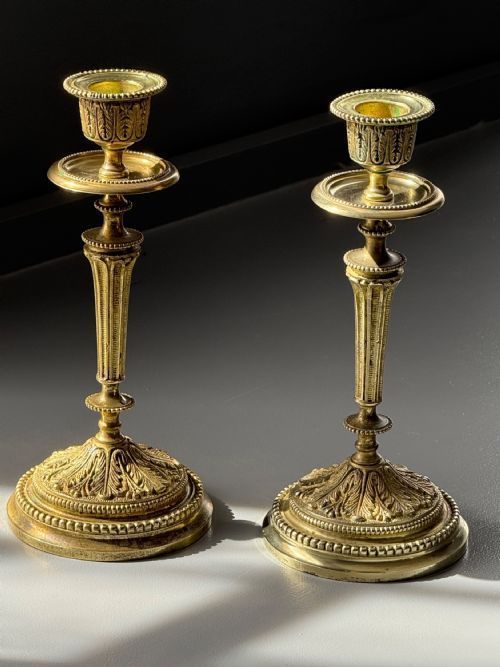
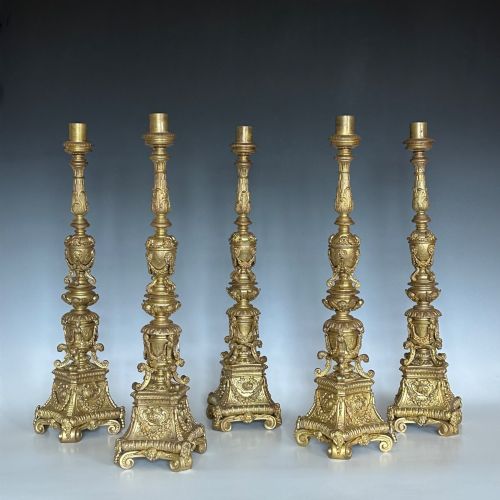
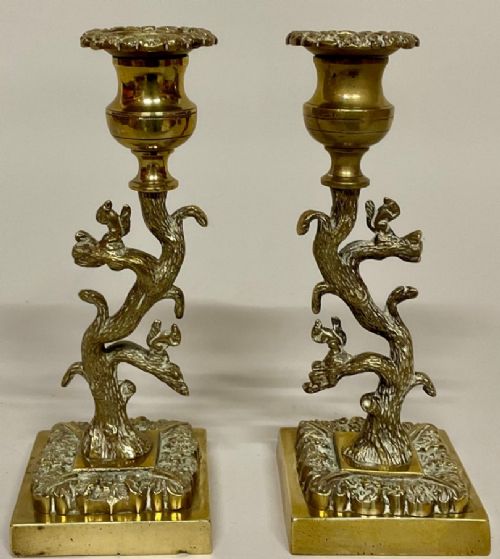
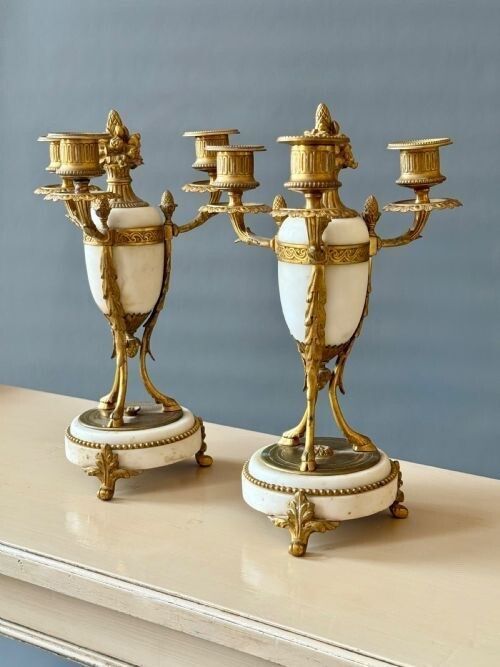
Antique bronze candle stands bring genuine weight and nineteenth-century craftsmanship to a room, offering both sculptural presence and functional illumination.
What these pieces are
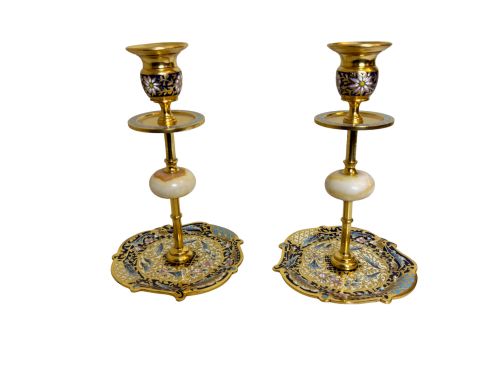
When you search for antique bronze candle stands, you encounter nineteenth-century lighting pieces that take the form of candlesticks and candelabras. These objects originate from French workshops and Japanese makers, reflecting diverse stylistic influences including French Empire, Regency, and Meiji Period designs.
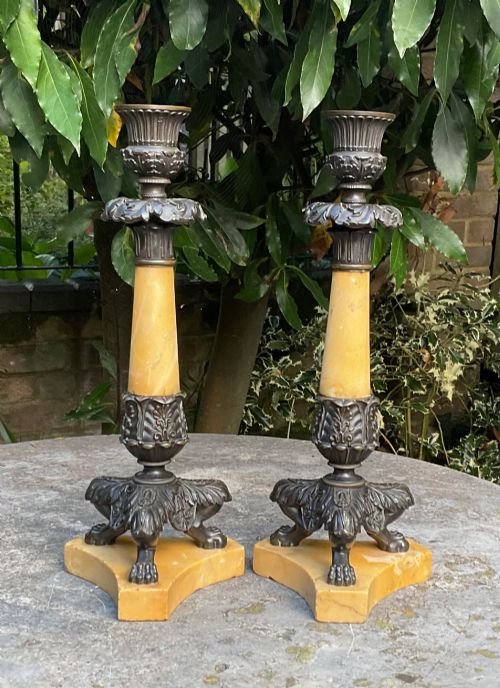
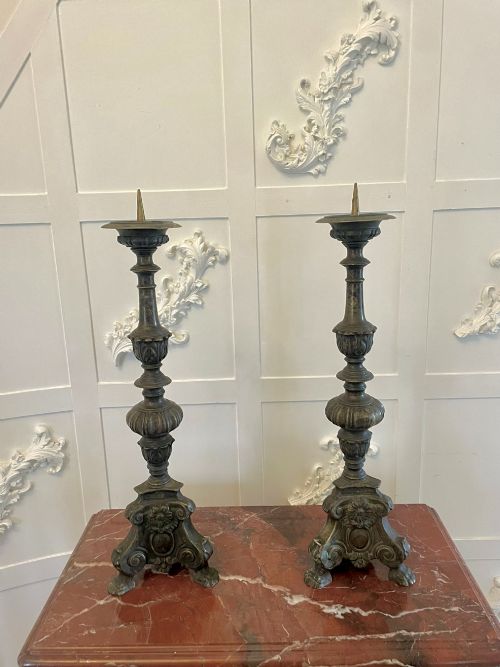
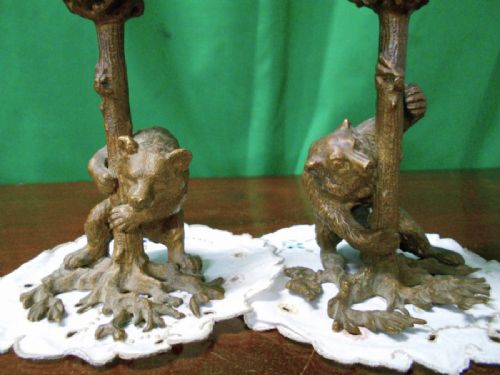
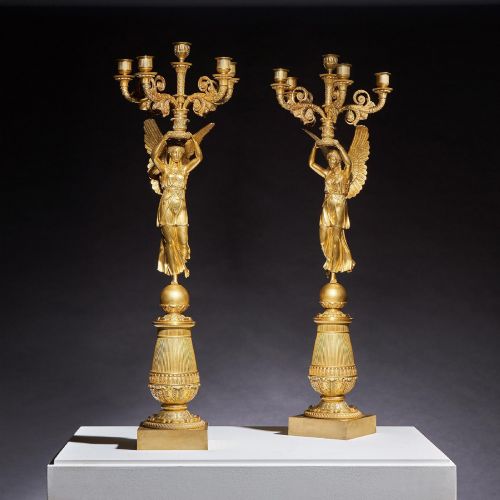
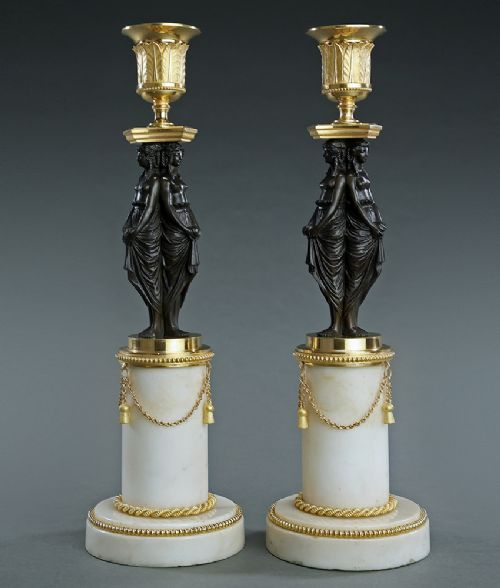
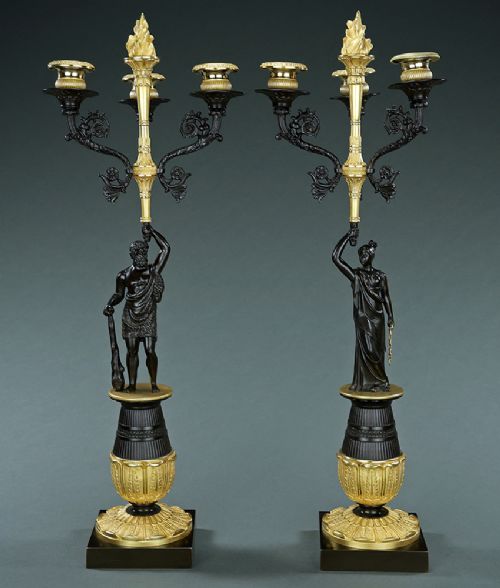
The pieces available here lean heavily towards pairs, featuring figural subjects such as Hercules and Hesione, Chinese figures, or classical motifs. They combine utilitarian function with decorative sculpture, standing as substantial tabletop or mantel ornaments.
How they were made
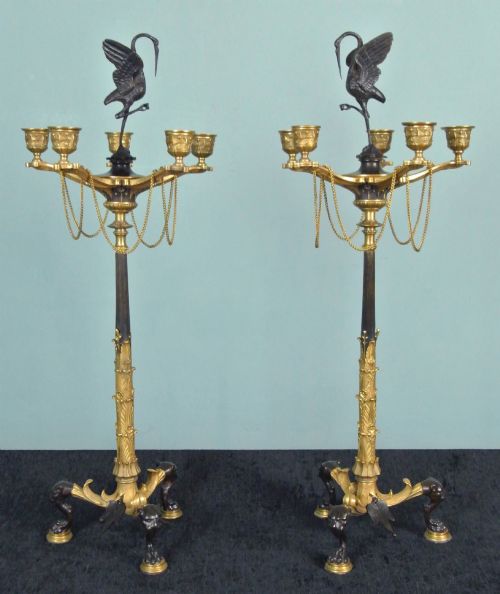
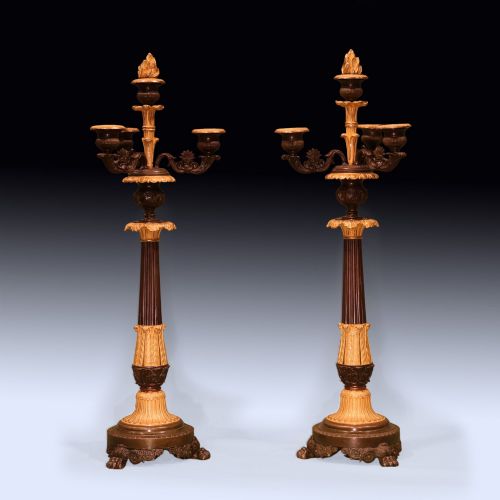
The construction relies primarily on cast bronze, often enhanced through patination or gilding to create distinct surface finishes. Artisans utilised techniques that combined cast bronze elements with ormolu accents, achieving striking contrasts in texture and colour.
Makers shaped these metals into complex figural and architectural forms, integrating pricket tops or standard socket designs. The execution demonstrates meticulous metalwork, whether depicting mythological scenes or Eastern-inspired figures.
Retail Price Guide 2026
Typical UK retail prices for bronze candle stands, calculated from the Sellingantiques database of over a million retail prices indexed since 2003. This retail price guide relies exclusively on Sellingantiques data; no external sources or auction records are used, so the figures do not describe the wider market.
Hercules and Hesione stand ready to hold your candles, guarding the mantelpiece with mythological resolve.
What varies in quality
Quality reveals itself in the crispness of the casting and the depth of the chasing work on the bronze surface. Finer examples show superior definition in facial expressions, drapery, and ornamental details.
The sophistication of the finish, whether through rich patination or carefully applied gilt bronze and ormolu, separates standard production from exceptional work. Balance, proportion, and the harmony of combined materials dictate the overall merit of each piece.
Japanese Bronze·French Empire
The Antique Bronze Candle Stands Glossary
- Bronze
- A copper and tin alloy prized for its strength and suitability for detailed metal casting. It forms the structural base for these nineteenth-century stands.
- Ormolu
- Finely ground high-carat gold applied to a bronze base through a mercury amalgamation process. This technique creates a brilliant, durable golden finish seen on Regency and French pieces.
- Patinated bronze
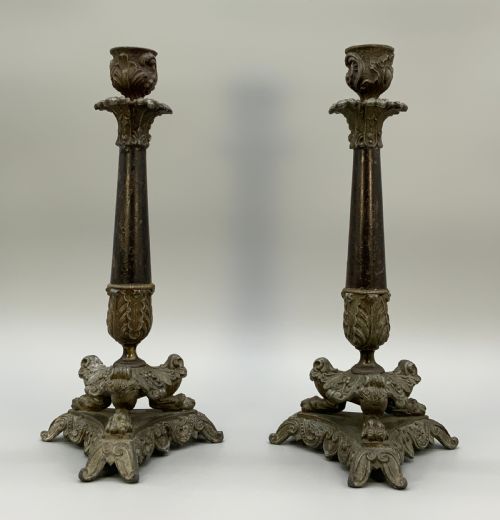
- Metal treated chemically to produce a darkened or antiqued surface finish. This process highlights the sculptural contours of the figures.
- Pricket candlestick
- A lighting device featuring a central spike upon which a wax candle is impaled. Japanese nineteenth-century examples frequently employ this form.
- Candelabra
- A branched candlestick designed to hold multiple candles simultaneously. These larger stands often incorporate complex figural narratives.
Frequently Asked Questions
What is an antique bronze candle stand?
These are nineteenth-century metal lighting devices cast in bronze, often featuring gilt or patinated surfaces. They take the form of candlesticks or multi-branched candelabras.
Many examples incorporate figural or mythological subjects, serving as decorative sculptures as well as functional candle holders during the Regency and Victorian eras.
How do I clean antique bronze?
Dusting with a soft, dry cloth is usually sufficient for maintaining the surface. Avoid chemical polishes that can strip away original patination or damage gilt layers.
Professional conservation advice should be sought if deeper cleaning is required to preserve the historical finish.
Were these made for daily use?
In the nineteenth century, these stands provided essential interior lighting before electric lamps became common. They sat on dining tables, mantels, and sideboards to illuminate rooms.
Today, they are primarily collected and displayed as decorative antiques rather than relied upon for primary lighting.
How can I tell the period?
Dating relies on stylistic clues such as the neoclassical lines of the Regency period or the ornate flourishes of French Rococo Revival. Material combinations, such as bronze paired with ormolu, also point to specific manufacturing eras.
Examining the casting technique and wear patterns helps confirm nineteenth-century origin.