
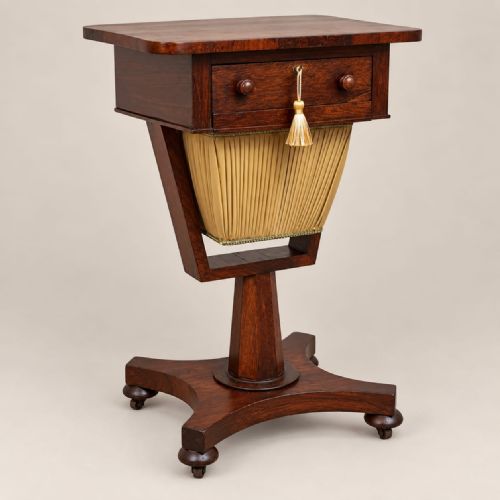
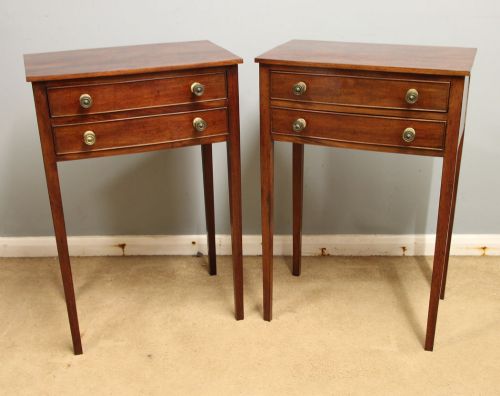
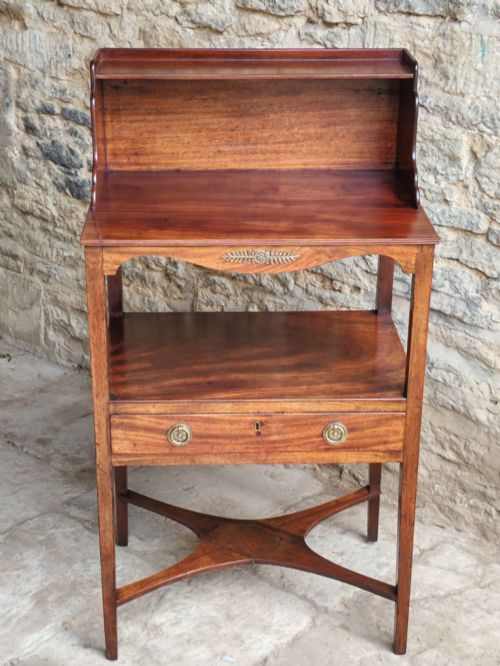
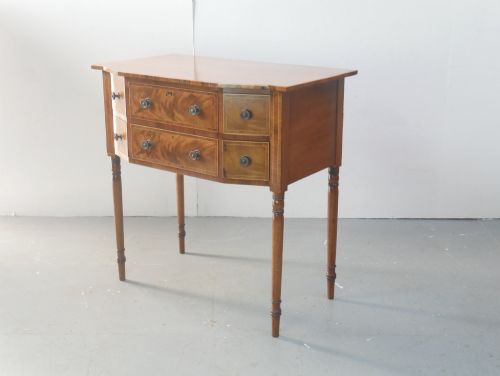

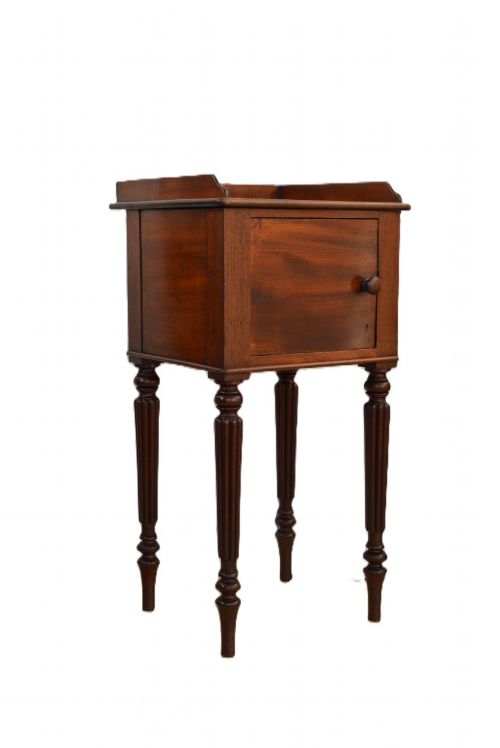
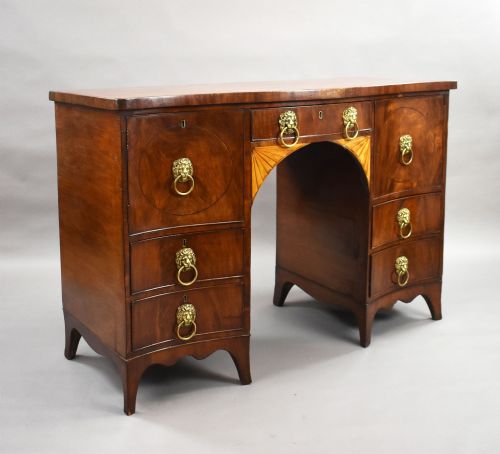

Regency Table Cabinet
A regency table cabinet brings compact refinement to a room, offering portable display or storage grounded in early nineteenth-century design.
Regency Table Cabinet
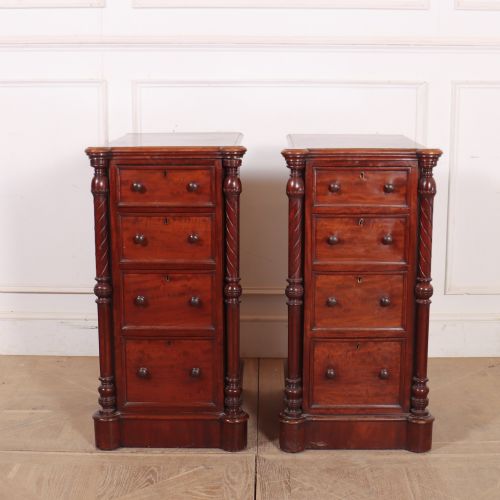
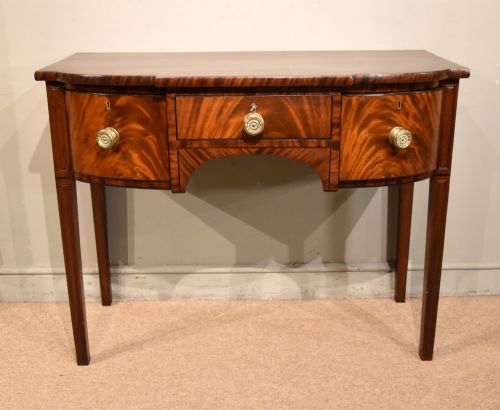
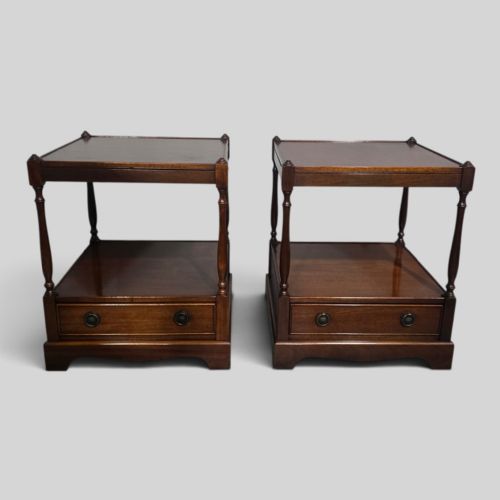
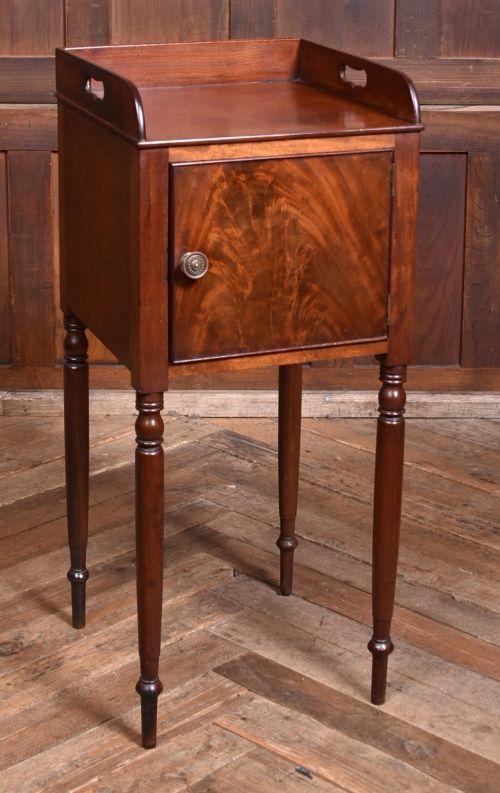
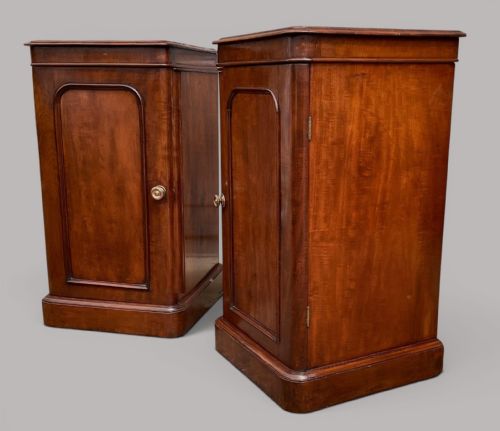
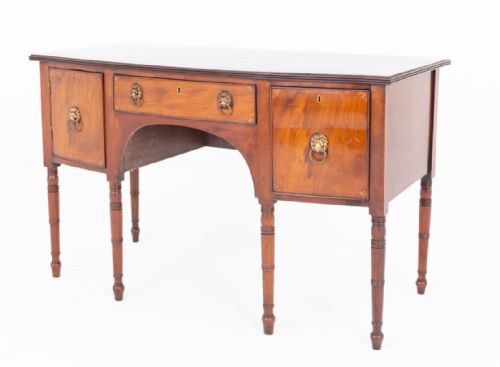
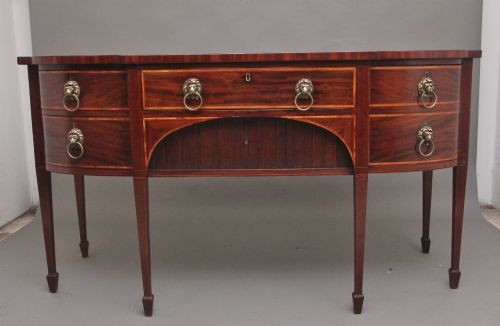
A regency table cabinet encompasses small-scale display cases, tabletop repositories, and miniature storage pieces originating primarily from the nineteenth century. These items appear alongside related forms such as bedside cupboards, side cabinets, and compact sideboards spanning Georgian, Regency, and Victorian eras.
The selection frequently includes rosewood and mahogany table cabinets featuring glass panels, brass handles, or inlaid boxwood details. Buyers also encounter portable tabletop styles and cylindrical bedside cupboards designed to sit neatly upon larger surfaces or serve specific utilitarian functions in private chambers.
How they were made
Cabinetmakers constructed these pieces using solid timbers and veneers, predominantly employing mahogany, flame mahogany, and rosewood over supportive secondary woods. Surfaces often incorporate precise boxwood stringing, brass inlay, and polished glass panels to create refined geometric or linear contrasts.
Joinery techniques rely on traditional carcase construction, dovetailed drawers, and turned or reeded legs characteristic of the period. Interior fittings include adjustable shelving, small compartments, and specialised spaces for writing, sewing, or displaying small collections.
A penwork and ivory tabletop cabinet from eighteen twenty survives alongside cylindrical bedside cupboards.
What varies in quality
Quality rests upon the selection of timber figures, such as the richness of flame mahogany or the depth of grain in rosewood veneers. Superior examples display meticulous attention to timber matching across prominent surfaces and precise execution of inlaid brass and boxwood details.
The refinement of internal fittings, original hardware, and secondary framing distinguishes exceptional pieces from standard workshop production. Attribution to notable makers or adherence to distinct Gillows-influenced design traditions elevates the standing of individual cabinets.
Holland and Sons·John Davenport of Longport·Gillows·William Trotter·Robert James
The Regency Table Cabinet Glossary
- Flame mahogany
- A highly figured timber veneer displaying a distinct flame-like pattern derived from specific cuts of mahogany logs. It was widely utilised on prominent Regency furniture faces.
- Tabletop cabinet
- A miniature cabinet designed to rest upon a table, desk, or chest rather than stand directly on the floor. These pieces frequently house small collections, stationery, or sewing equipment.
- Boxwood
- A dense, pale yellow wood used extensively for contrasting stringing and inlay work on dark timbers. It provides fine decorative borders on Regency cabinets.
- Reeded legs
- Cylindrical furniture supports carved with parallel convex mouldings running vertically. This decorative turning is typical of Regency and William IV pieces.
- Breakfront
- A piece of furniture whose central section projects forward from the flanking outer sections. This architectural arrangement adds depth and shadow to larger side cabinets and sideboards.
Regency Table Cabinet: Frequently Asked Questions
What is a regency table cabinet used for?
These compact cabinets served various domestic purposes, from housing private correspondence and writing materials to displaying small valuables, coins, or curiosities.
Their portable nature allowed owners to move them between rooms or place them securely upon larger desks and side tables for immediate access.
How do I distinguish Regency from Victorian pieces?
Regency pieces date from the early nineteenth century and typically display restrained classical proportions, reeded legs, and precise brass or boxwood inlay.
Victorian items from later decades often feature heavier proportions, darker finishes, and Revival styles that imitate earlier Georgian and Regency forms.
Where should I place a tabletop cabinet?
These cabinets sit securely on sturdy surfaces such as writing desks, chests of drawers, side tables, or dedicated low sideboards.
Ensure the supporting surface matches the footprint of the cabinet and avoids direct sunlight to protect sensitive rosewood or mahogany veneers.
What woods are common in these cabinets?
Mahogany and rosewood form the primary structural and decorative timbers found across these listings, often enhanced by flame mahogany veneers.
Secondary contrasting woods like boxwood appear frequently in fine stringing, while brass is utilised for handles and decorative inlay.