
Antique Apprentice Cabinet
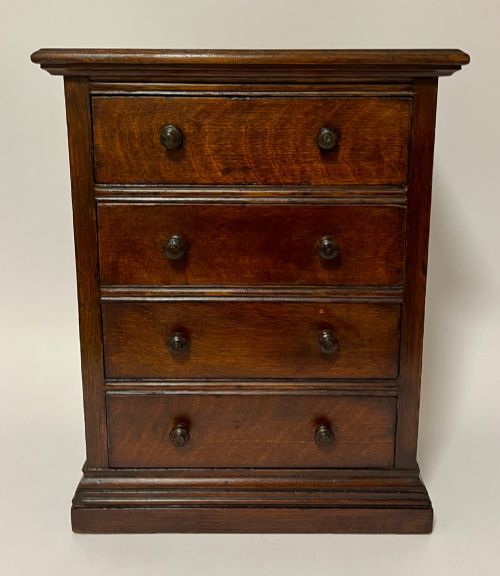
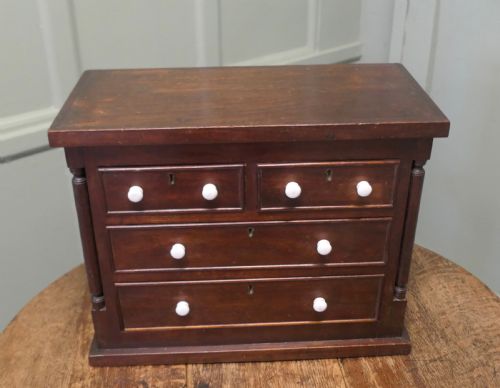
An antique apprentice cabinet is a small-scale piece created to demonstrate skill, ranging from miniature chests of drawers to tabletop cabinets.
Antique Apprentice Cabinet
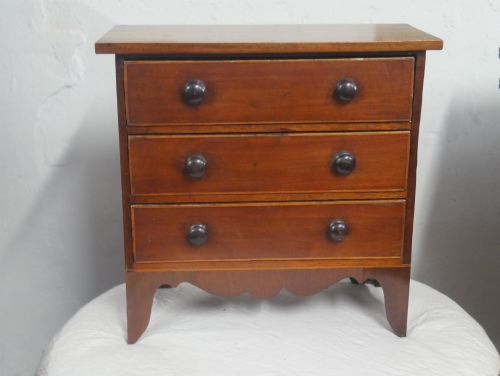
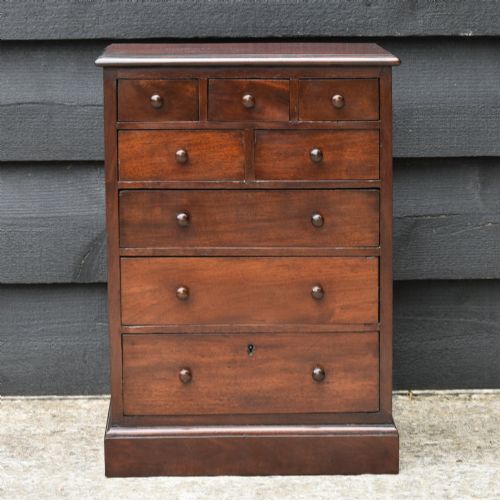
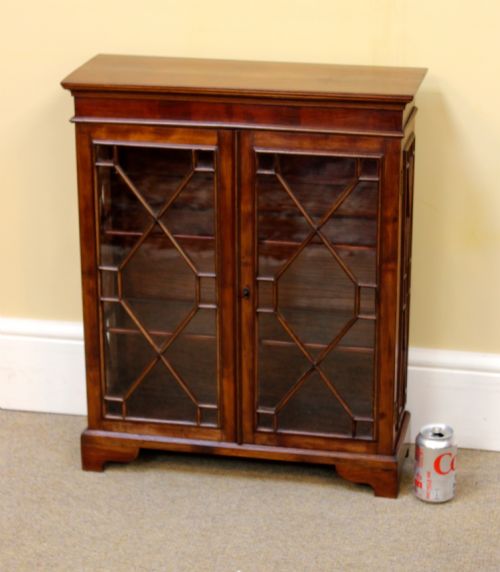
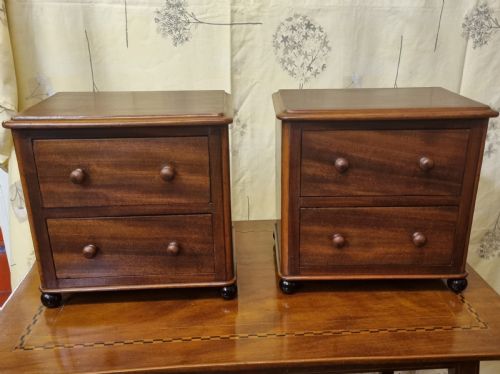
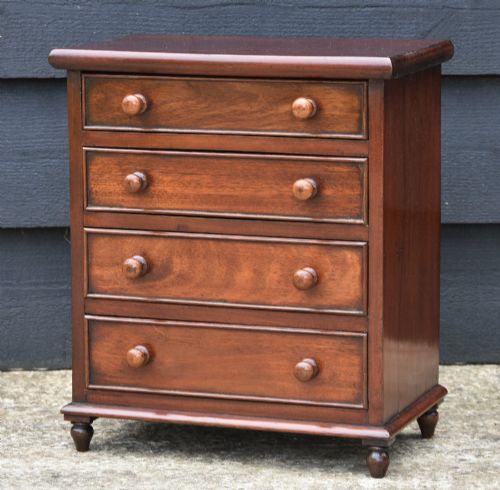
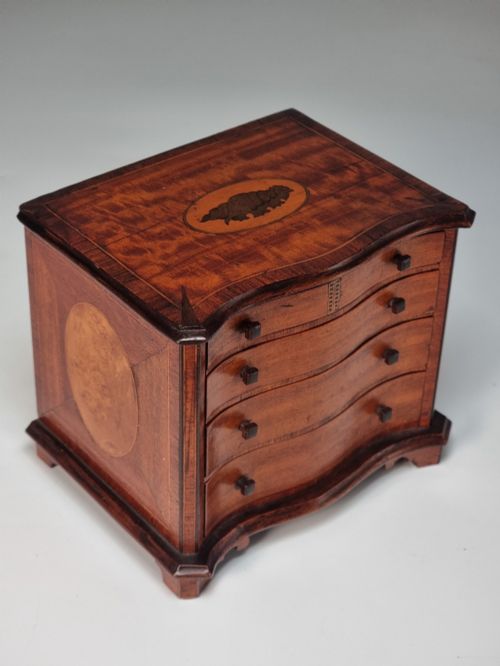
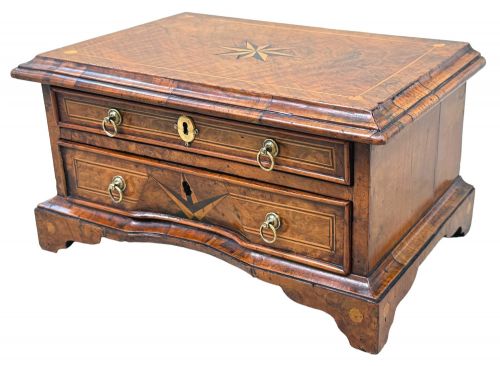
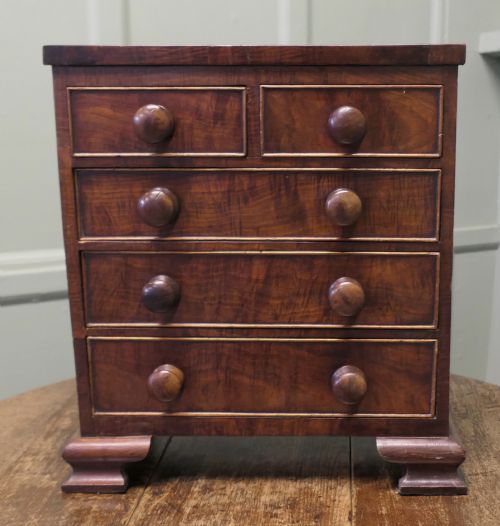
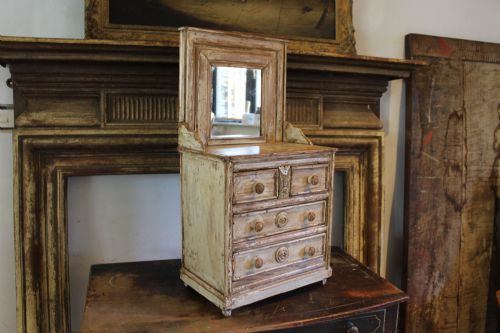
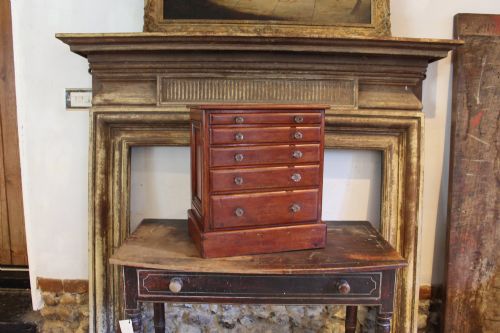
When you search for an antique apprentice cabinet, you encounter miniature furniture forms such as chests of drawers, display cabinets, and bureau bookcases. These small objects served as makers' samples or demonstrations of fine woodworking skill.
The pieces on this page span the eighteenth, nineteenth, and early twentieth centuries, covering Georgian, Victorian, and Edwardian periods. Regional variations appear in Scottish and French provincial designs.
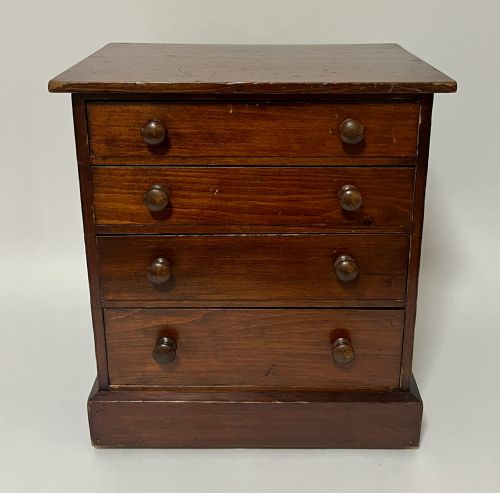
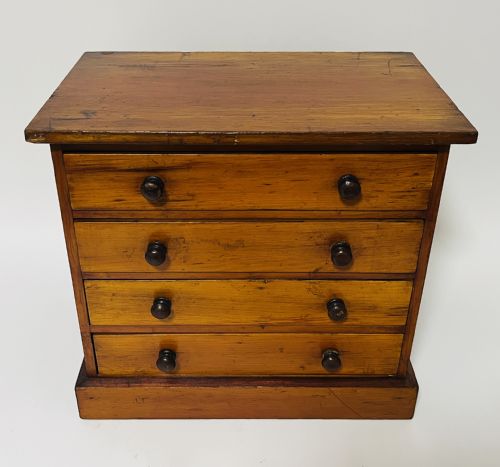
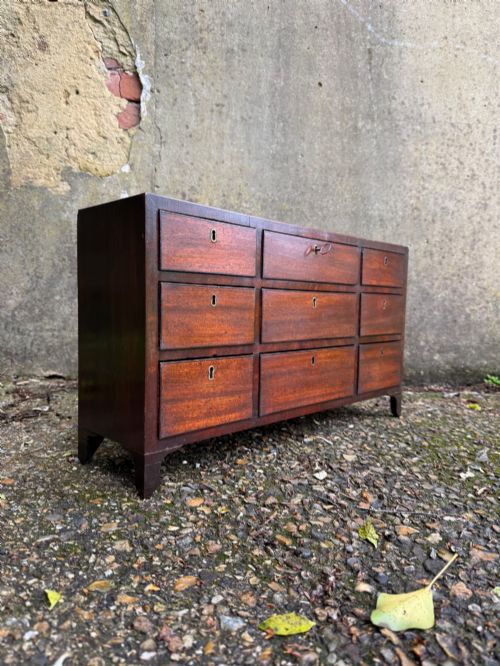
Most examples take the form of miniature chests of drawers, alongside specialised pieces like kneehole desks, collector cabinets, and spice boxes. They replicate full-size furniture down to working drawers and small compartments.
How They Were Made
Cabinet makers utilised dense hardwoods such as mahogany, walnut, and oak, alongside satinwood, amboyna, and pine. Secondary woods often reinforced internal drawer construction.
Joinery techniques mirrored standard furniture production, incorporating dovetail joints for drawers and precise inlays. Surfaces received polish or French polishing to highlight the grain of the wood.
Listings feature eighteenth and nineteenth century periods, incorporating mahogany, oak, walnut, and pine across various miniature drawer and cabinet formats.
What Varies in Quality
The refinement of the timber selection distinguishes the standard of an antique apprentice cabinet. Figured veneers, matching grain patterns across drawer fronts, and choice hardwoods indicate superior execution.
Precision in miniature joinery dictates the grade of the piece. Tight dovetails, flush drawer fits, and subtle details like secret drawers or inlaid banding demonstrate the maker's proficiency.
A. F. Lloyd
The Antique Apprentice Cabinet Glossary
- Apprentice piece
- A small-scale model created by a woodworker to demonstrate mastery before admission to a guild or trade.
- Bowfront
- A curved cabinet or chest front that swells outward in the centre.
- Secret drawer
- A hidden compartment built into the furniture frame, accessed by removing a standard drawer or sliding panel.
- French polished
- A wood finishing technique that applies many thin coats of shellac using a pad to impart a high gloss.
Antique Apprentice Cabinet: Frequently Asked Questions
What is an apprentice cabinet?
An apprentice cabinet is a miniature furniture piece made by a woodworker to demonstrate technical skill to master craftsmen.
These small models replicate full-scale chests, desks, and cupboards with working drawers and precise joinery.
How were these miniature cabinets used?
Makers carried these small pieces as travelling portfolios to demonstrate their abilities to prospective clients or guilds.
Collectors later prized them as decorative objects for display on tables or inside larger cabinets.
How do I date an antique cabinet?
Dating relies on timber choices, construction methods, and prevailing design styles associated with specific periods.
Georgian pieces display different secondary woods and drawer linings compared to later Victorian or Edwardian examples.
Are all miniature cabinets apprentice pieces?
Not every miniature piece served as a training exercise; many functioned as high-end children's furniture or salesman samples.
Documentation, regional styles, and construction quality help distinguish true apprentice work from other small-scale furniture.