




Regency Serving Platters
Regency serving platters bring refined formality to the table through transfer-printed ceramics, gilded papier-mâché, and gleaming metalwork.
Regency Serving Platters
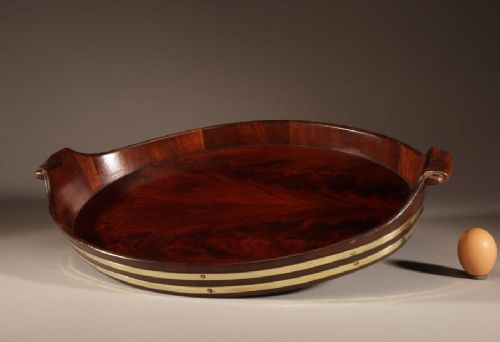
Regency serving platters encompass large transfer-printed earthenware meat dishes, porcelain dessert services, and lacquered trays designed for formal dining rooms. These pieces emerged during the late Georgian and Regency periods, spanning into the early Victorian era.
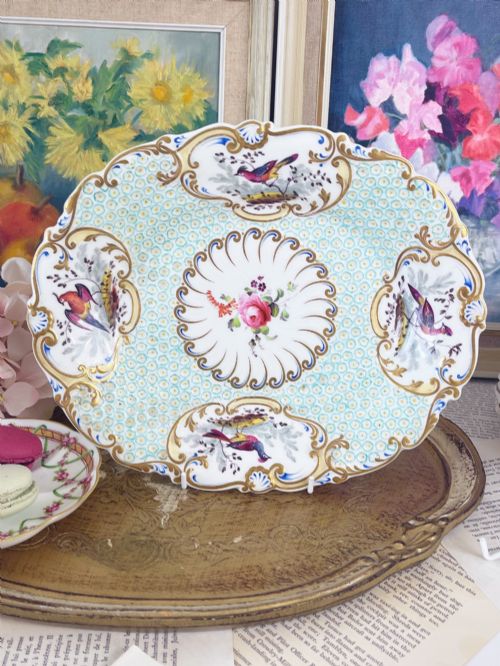
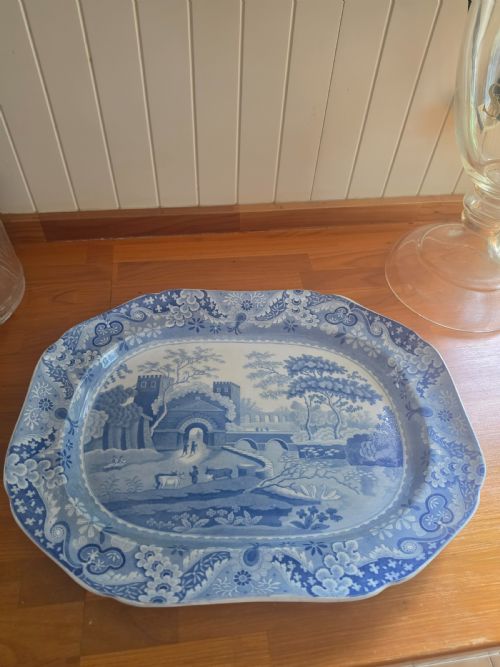
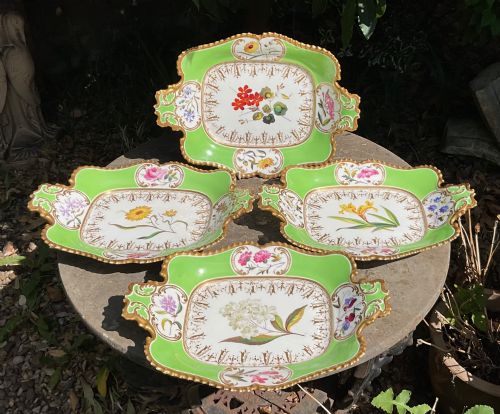
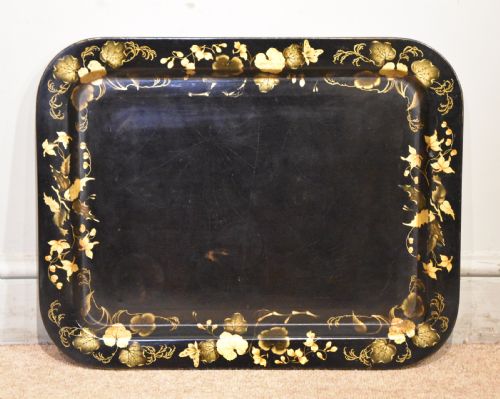
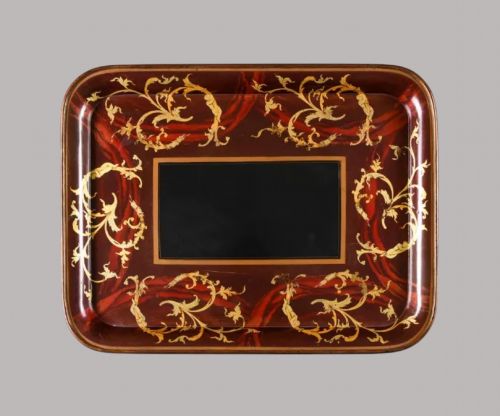
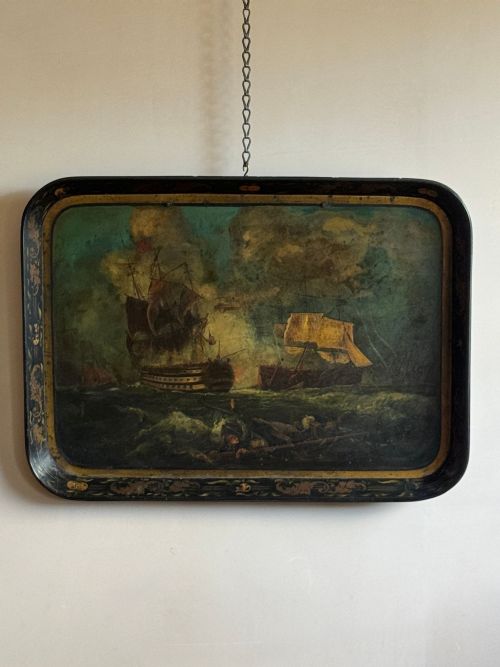
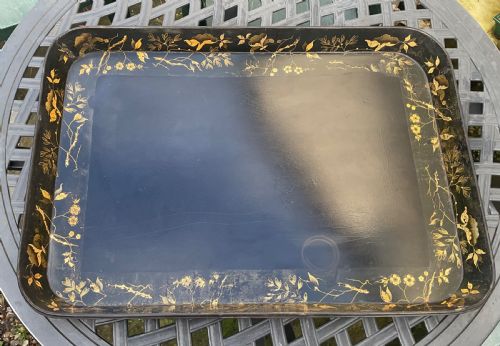
Buyers frequently encounter blue and white transferware platters alongside papier-mâché trays decorated with Japanned or gilded motifs. Porcelain dishes from factories such as Spode and Chamberlains Worcester also appear regularly within this category.
How They Were Made
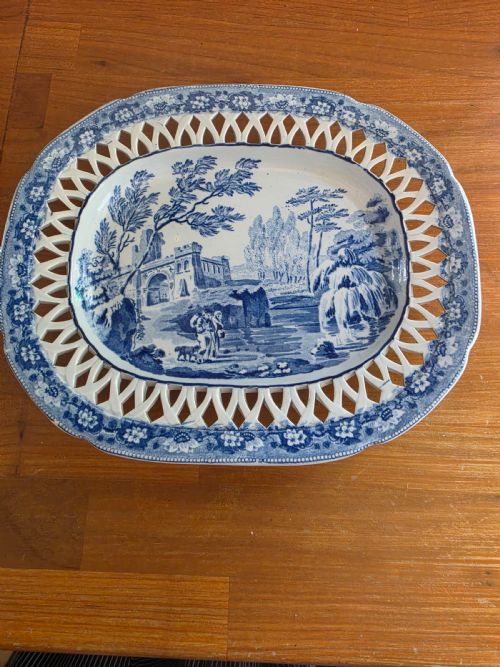
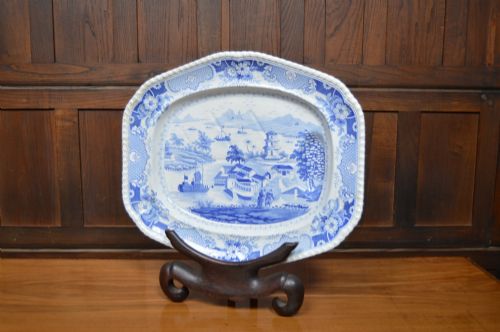
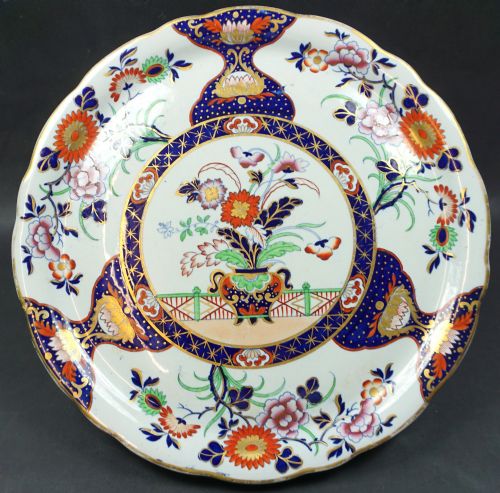
Ceramic platters were formed from earthenware, ironstone, or porcelain, often decorated using copperplate transfer printing to apply intricate patterns like India Temple or Blue Pheasants. Hand-colouring and gilding were frequently added over the glaze to enhance the visual depth.
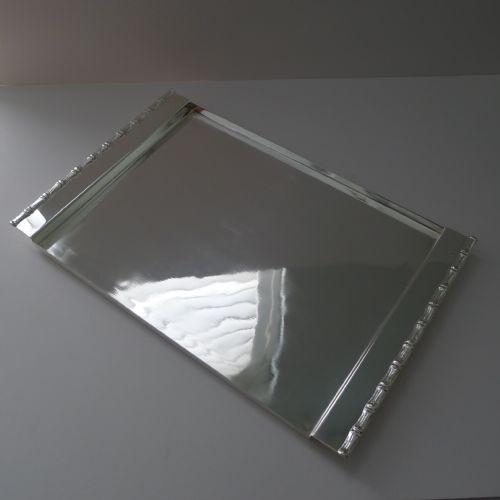
Papier-mâché trays were built from layered paper pulp treated with oil and varnish, resulting in a durable surface suitable for lacquer and gold leaf application. Metal pieces utilised Old Sheffield Plate, fusing silver onto a copper base.
Water dogs and exotic birds occasionally paddle across nineteenth-century meat plates, proving Regency dinner guests enjoyed talking fauna.
What Varies in Quality
The sophistication of the painted or transfer-printed design dictates the visual appeal of ceramic platters, with crisper details and richer blue tones commanding attention. The preservation of original gilding and lacquer on papier-mâché trays marks the difference between a pristine survivor and a tired piece.
Subtleties in potting thickness, the absence of warping in large ironstone meat dishes, and the clarity of maker marks elevate certain examples above standard utilitarian wares.
H & R Daniel·Davenport·Chamberlains Worcester·Hicks & Meigh·Coalport·Mason’s Ironstone·Spode·Copeland & Garrett·Ridgway·Minton·Barr Flight & Barr·Clay
The Regency Serving Platters Glossary
- Transferware
- Pottery decorated by applying a paper transfer of a printed design from an engraved copper plate onto the unglazed or biscuit ceramic surface. This technique allowed factories to produce complex pictorial scenes consistently.
- Ironstone
- A dense, durable type of earthenware patented in the early nineteenth century to imitate Chinese porcelain. It resists chipping and staining far better than standard pottery.
- Old Sheffield Plate
- A composite material made by fusing a thin sheet of sterling silver to a thicker copper core. Items made this way reveal the underlying copper where the silver layer has worn through.
- Papier-mâché
- A composite material consisting of paper pieces or pulp reinforced with glue, starch, or resin. When dried and lacquered, it formed lightweight yet exceptionally strong trays and furniture.
- Japanned
- A European imitation of East Asian lacquerwork achieved through successive coats of dark varnish and heat-curing. It provided a glossy, hard-wearing finish on wooden and papier-mâché items.
Regency Serving Platters: Frequently Asked Questions
What were regency serving platters used for?
These large dishes served joints of meat, game, and side dishes during multi-course formal dinners.
Deep wells and drainers on specific platters collected meat juices for gravy distribution at the table.
How do I care for papier-mache trays?
Keep papier-mâché and Japanned items away from direct sunlight and excessive moisture to prevent warping or lacquer flaking.
Dust gently with a dry, soft cloth and avoid chemical cleaning products entirely.
Can I use antique ironstone platters for food?
Most nineteenth-century ironstone and earthenware remain structurally sound for serving dry foods or room-temperature dishes.
Hand wash these pieces gently rather than placing them in modern dishwashers.
How do I identify a transferware pattern?
Makers often named their specific pictorial scenes, such as Bridge of Lucano or India Temple, printed on the base or border.
Factory marks and registry diamonds stamped underneath help pinpoint the exact production era.