
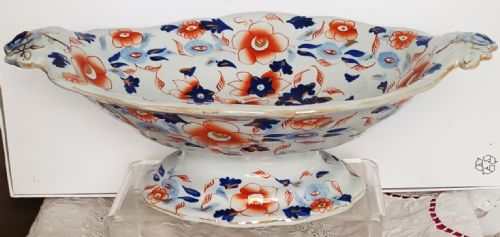


Georgian Ironstone Dishes
Georgian ironstone dishes are sturdy, heavily decorated ceramic wares built for nineteenth-century service, offering bold patterns and lasting durability.
Georgian Ironstone Dishes
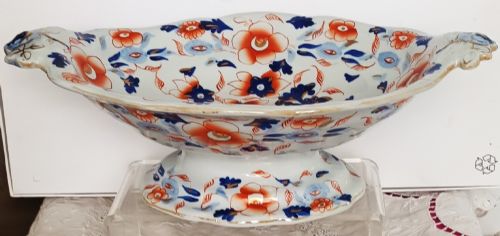
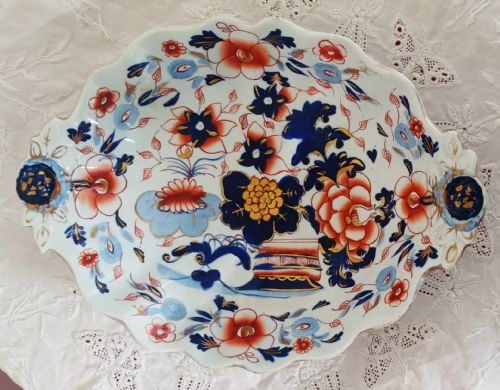
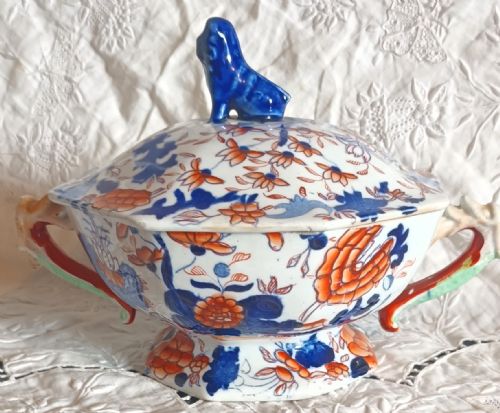
When you search for georgian ironstone dishes, you encounter a robust class of nineteenth-century ceramics designed for robust dining and serving use. The selection spans utilitarian serving platters, tureens, sauce tureens, and decorative comports rather than simple tableware.
Most examples originate from the nineteenth century, carrying Georgian and Regency styles alongside early Victorian crossover pieces. Forms vary from footed comports and vegetable tureens to specialised chestnut baskets and soap dishes.
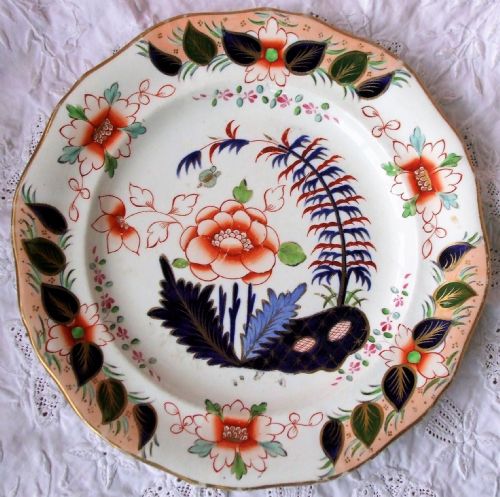
The aesthetic leans heavily toward orientalist motifs, with Japan pattern, Imari, and Chinoiserie Mandarin designs dominating the available selection. Buyers find everything from large country house platters to small pickle dishes and salt cellars.
What Varies in Quality
The standard of painting sets pieces apart, with crisp, hand-applied enamel work and precise gilding representing the finest output. Simpler transfer-printed or hastily hand-coloured surfaces sit lower down the scale.
The ambition of the form dictates distinction, separating standard dinner plates from elaborate chestnut baskets with matching trays or large footed comports. Crisp moulding on relief-decorated tureens and crisp application of gold leaf further elevate individual service pieces.
Current listings feature ironstone ceramic vessels spanning the nineteenth century, encompassing Georgian, Regency, and early Victorian periods.
John Davenport of Longport·Mason’s·Coalbrookdale
The Georgian Ironstone Dishes Glossary
- Ironstone
- A heavy, durable ceramic body patented in the nineteenth century to rival imported porcelain. It offers high resistance to chipping and forms the base for all these dishes.
- Comport
- A raised serving dish or pedestal bowl used for presenting fruit, sweets, or desserts at the table. These often feature low or footed bases.
- Imari
- A decorative style inspired by Japanese export wares, typically featuring a palette of cobalt blue, iron red, and gilt. It appears frequently on nineteenth-century serving vessels.
- Chinoiserie
- A European interpretation of Chinese and East Asian artistic traditions. This style manifests in fantastical landscapes and figures on tureens and plates.
- Tureen
- A deep covered bowl designed for serving soups, sauces, or vegetables. They range from large family-sized vessels down to small sauce tureens.
Georgian Ironstone Dishes: Frequently Asked Questions
What were ironstone dishes used for?
These pieces served heavy dining functions in nineteenth-century households, carrying everything from soups and vegetables to sauces and desserts at the table.
Larger platters and tureens managed communal portions, while smaller items like pickle dishes and soap dishes catered to specific domestic needs.
How do I clean ironstone dishes?
Wash these ceramic pieces gently in warm water using mild soap, avoiding harsh abrasive scrubbers that might damage the delicate enamel and gold leaf.
Because many examples carry hand-painted decoration over the glaze, modern dishwashers should be avoided entirely to preserve the colours.
Are these dishes safe for food?
While nineteenth-century ironstone is fundamentally a ceramic body, the historical glazes and enamels on antique service wares can contain trace materials not approved for modern dining.
Most collectors treat these pieces as decorative items or for dry display rather than regular daily food service.
How do I identify a Georgian ironstone dish?
Look for dense, heavy ceramic bodies combined with nineteenth-century decorative motifs like Japan patterns, Imari palettes, and Chinoiserie Mandarin scenes.
Many pieces also carry factory marks or patent names on the underside from prominent makers active during the Regency and Georgian eras.