

Regency Brass Inlay
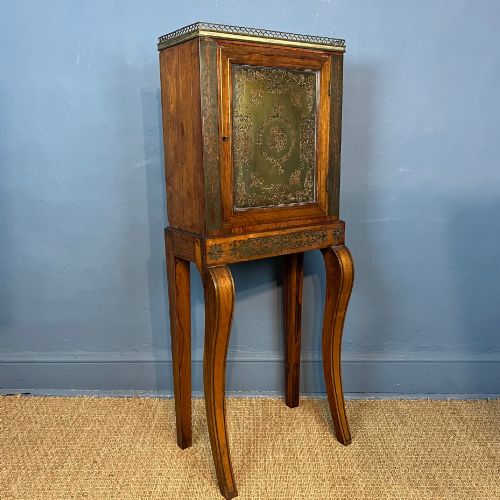
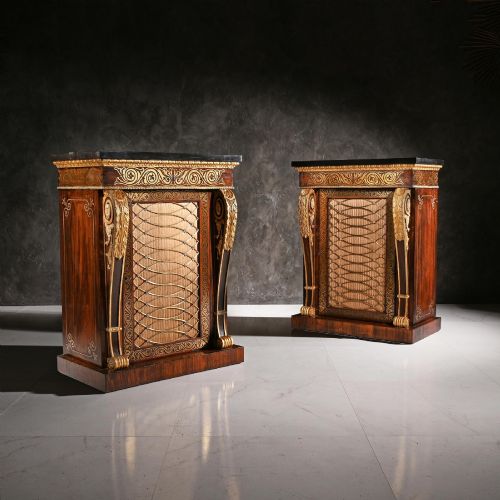
Regency brass inlay describes the refined furniture and portable boxes decorated with gleaming metal lines against rich dark timbers.

Regency Brass Inlay
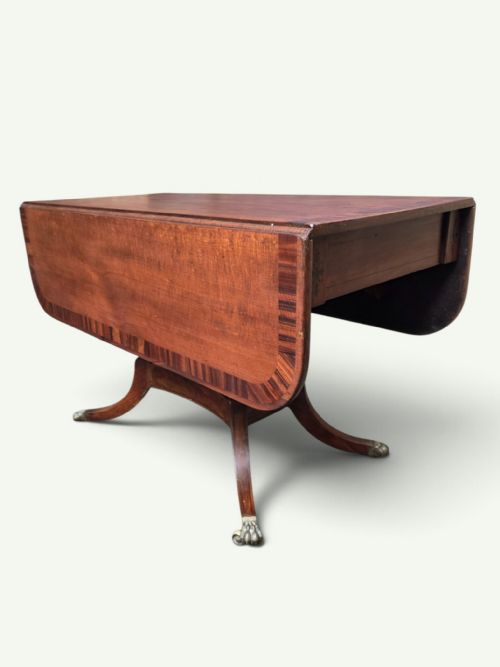
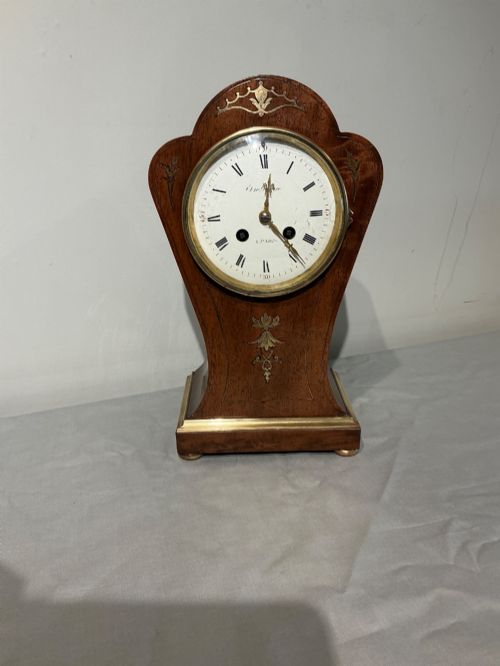
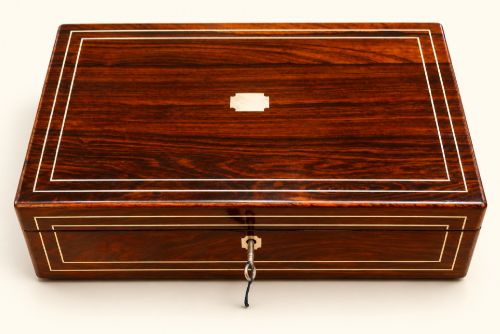
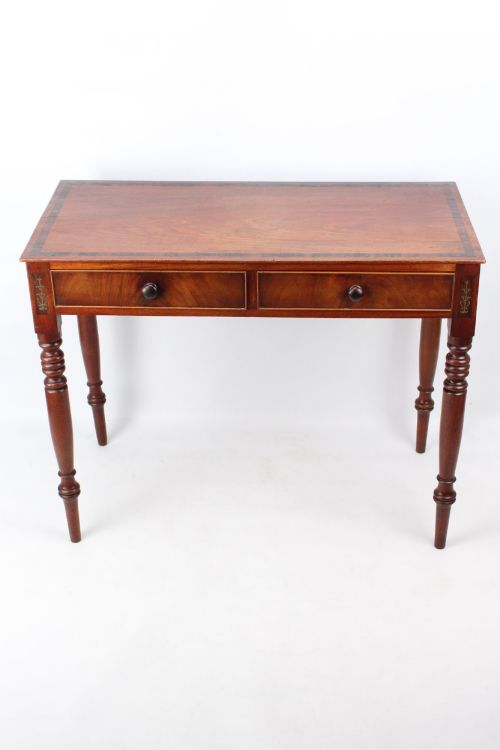
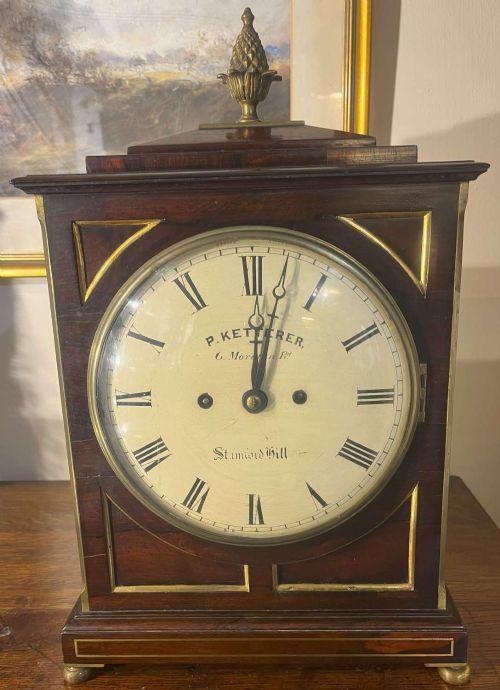
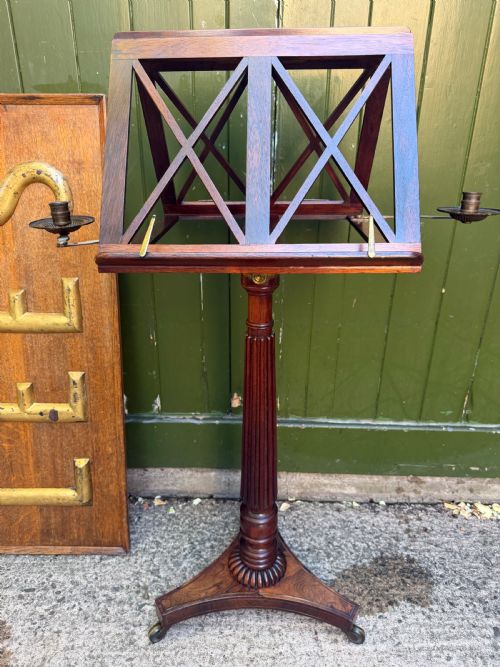
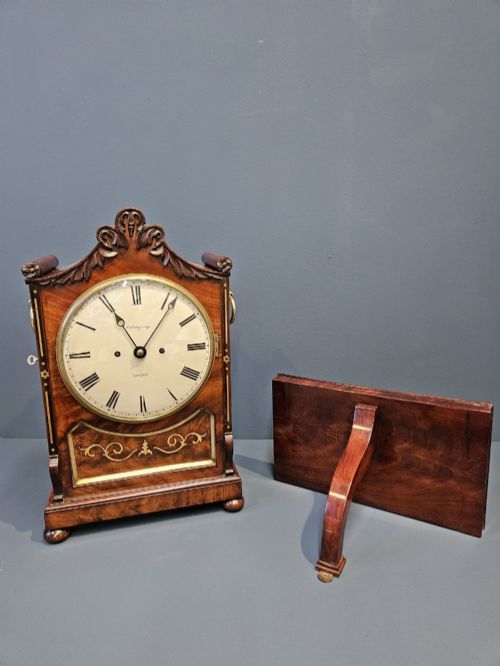
Buyers seeking regency brass inlay encounter a specialised selection of domestic furniture and decorative accessories predominantly originating from the nineteenth century. The form encompasses functional household items such as card tables, dining chairs, library clocks, and compact writing boxes.
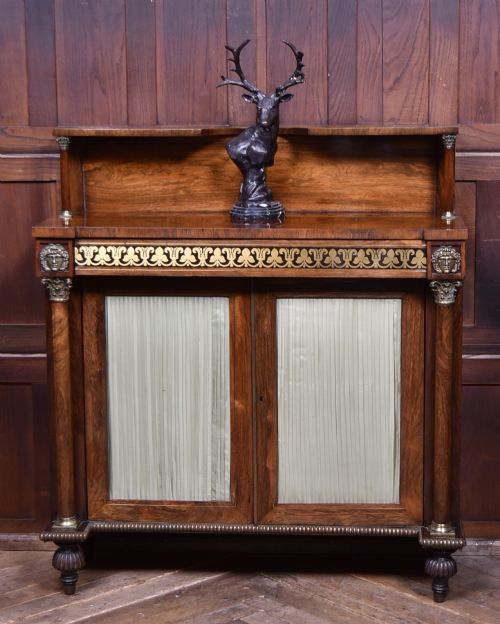
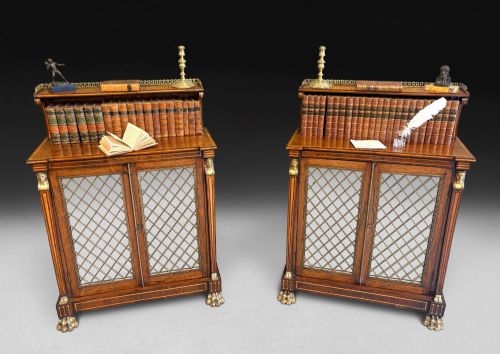
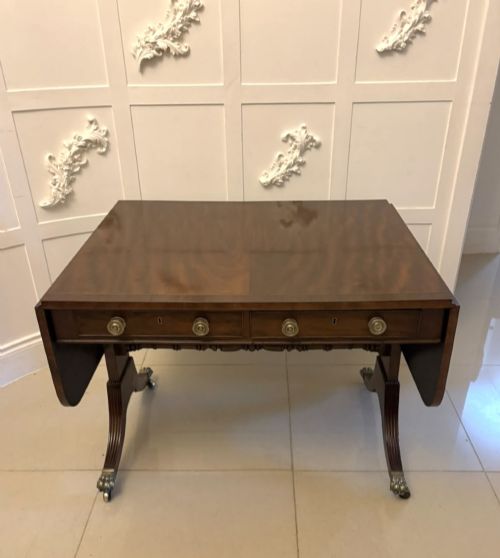
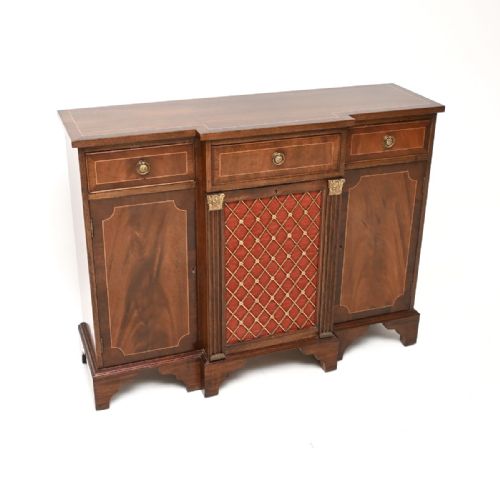
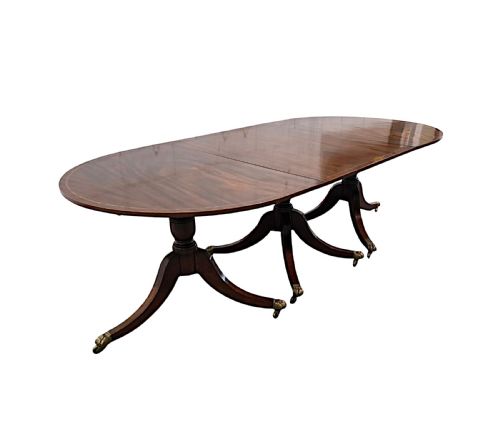
The inventory leans heavily towards rosewood and mahogany dining tables, chiffonier bookcases, and fold-over console tables displaying precise metal detailing. Pieces from later revival periods also appear, mirroring the classical proportions and decorative restraint of the initial Regency era.
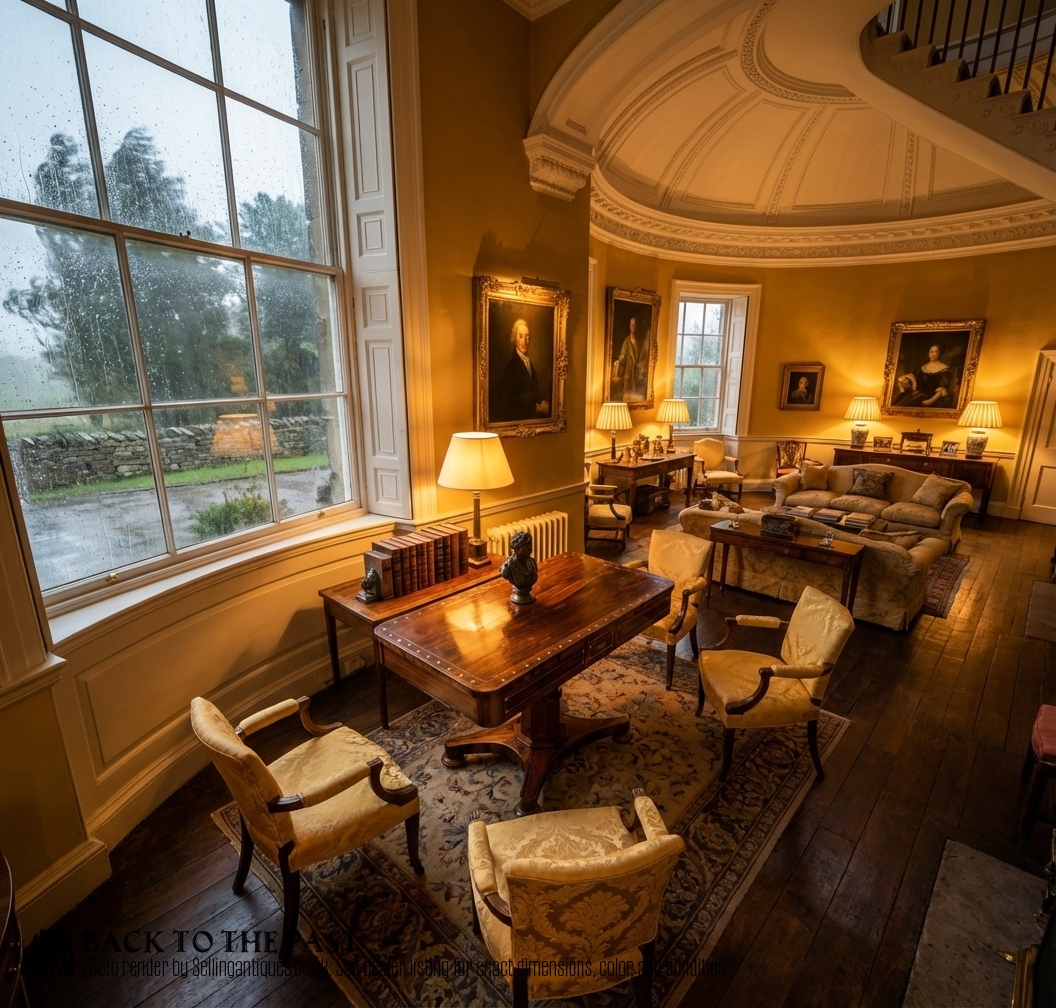
Materials and construction methods
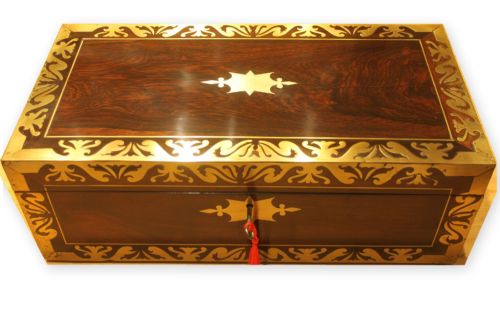
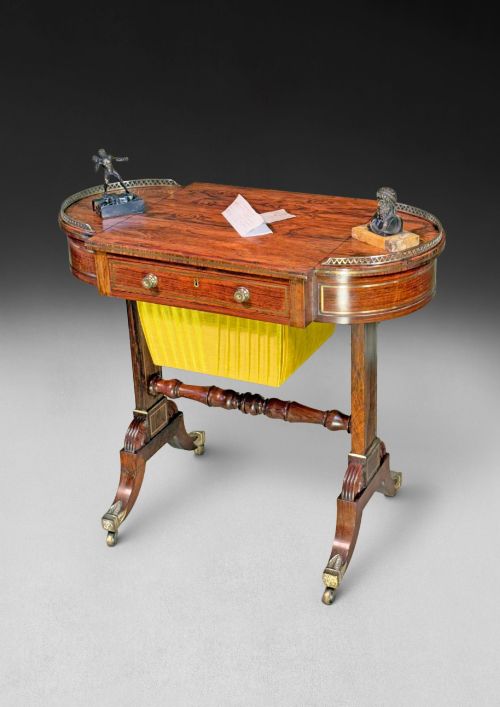
Cabinet makers utilised dense, richly grained primary timbers like rosewood, mahogany, and amboyna as a dark foundation for contrasting metalwork. Brass was meticulously sawn and inlaid into precise channels cut directly into the wood surface, frequently accompanied by secondary stringing in ebony, boxwood, or satinwood.
Portable items like lap desks and writing boxes received intricate cut brass decoration alongside fitted interiors and lockable compartments. Structural joinery relied on traditional methods, while mounts and escutcheons in gilt bronze or cast brass provided functional and decorative accents.
Regency Brass Inlay Retail Price Guide 2026
Typical asking prices for regency brass inlay among the pieces listed under this phrase on Sellingantiques today, from the lower quarter to the upper quarter. They describe what is for sale here now, not the wider market.
A sturdy chaise longue dressed in simulated rosewood waits patiently to support eighteenth-century daydreams.
Factors separating standard pieces from masterworks
Quality rests significantly upon the precision of the metal inlay and the choice of primary timber figures, such as flame mahogany or heavily grained rosewood. Finer examples display tight, seamless integration of brass lines without visible gaps or excessive filler.
Attribution to documented workshops or makers elevates a piece, as does the survival of original patination, glass, and interior fittings. Proportion, delicate carving on legs and supports, and the complexity of the brass motifs further distinguish ordinary utility items from exhibition standard works.
George Bullock·Gillows Oxford Street Workshop·George Oakley
The Regency Brass Inlay Glossary
- Brass line inlay
- The technique of embedding thin strips of brass into narrow channels cut into the wooden surface to form geometric borders or linear patterns.
- Crossbanding
- A narrow strip of veneer applied perpendicularly to the grain of the main surface, often framing the perimeter of a tabletop or box lid.
- Pier table
- A low console table designed to sit against the wall between windows, frequently featuring a mirror above or mounted gilt bronze details.
- Fusee movement
- A clock mechanism utilising a conical pulley and chain to ensure even tension and accurate timekeeping as the mainspring unwinds.
- Campaign box
- A portable writing slope or lap desk constructed for travel, reinforced with brass corners and flush handles.
Regency Brass Inlay: Frequently Asked Questions
How do I identify genuine regency brass inlay?
Authentic pieces exhibit hand-cut brass channels embedded into period hardwoods like rosewood or mahogany, showing natural oxidation and minor signs of age rather than modern mechanical precision.
Examine the surrounding timber grain and the underside of the piece to confirm traditional construction methods and period-appropriate secondary woods.
Where were these tables and boxes placed?
Card tables and sofa tables stood in principal reception rooms for entertaining, while delicate writing boxes and lap desks sat upon library tables or travelled with owners.
Pier tables and chiffonier cabinets occupied specific wall spaces between windows or against parlour walls to display ornaments and store household documents.
How should I care for rosewood and brass furniture?
Maintain stable indoor humidity levels and keep wooden pieces away from direct heat sources to prevent the timber from shrinking and loosening the metal inlay.
Apply occasional mild wax suitable for antique hardwoods and polish the brass gently with a soft cloth, avoiding abrasive cleaners that might scratch the surrounding wood.
What is the difference between original and revival pieces?
Original nineteenth-century items display the wear, patination, and construction traits characteristic of the Regency and Georgian periods.
Revival pieces, produced around the early twentieth century, replicate the classical forms and brass decoration utilising slightly different joinery markers and timber preparation.