

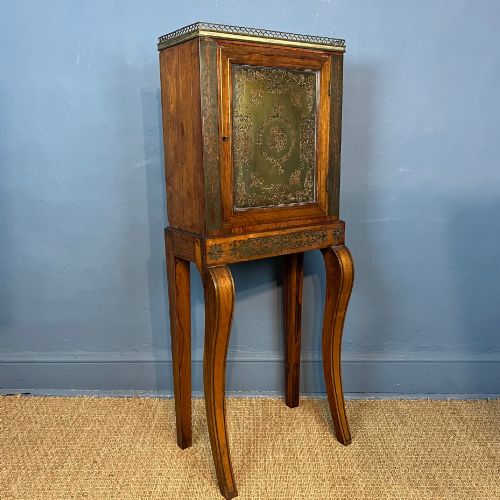
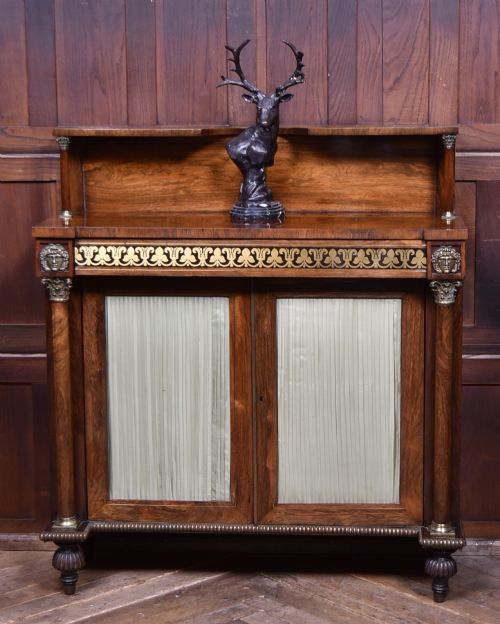
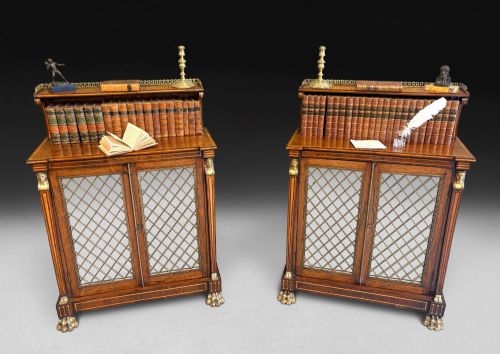
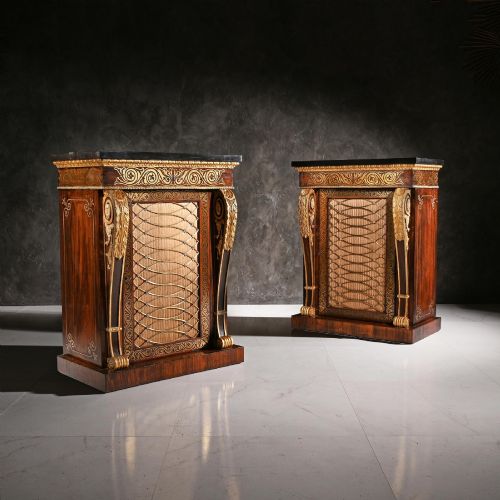




Regency Brass Inlaid Cabinet
A regency brass inlaid cabinet brings refined timber and gleaming metalwork into a room, offering both display space and practical storage.
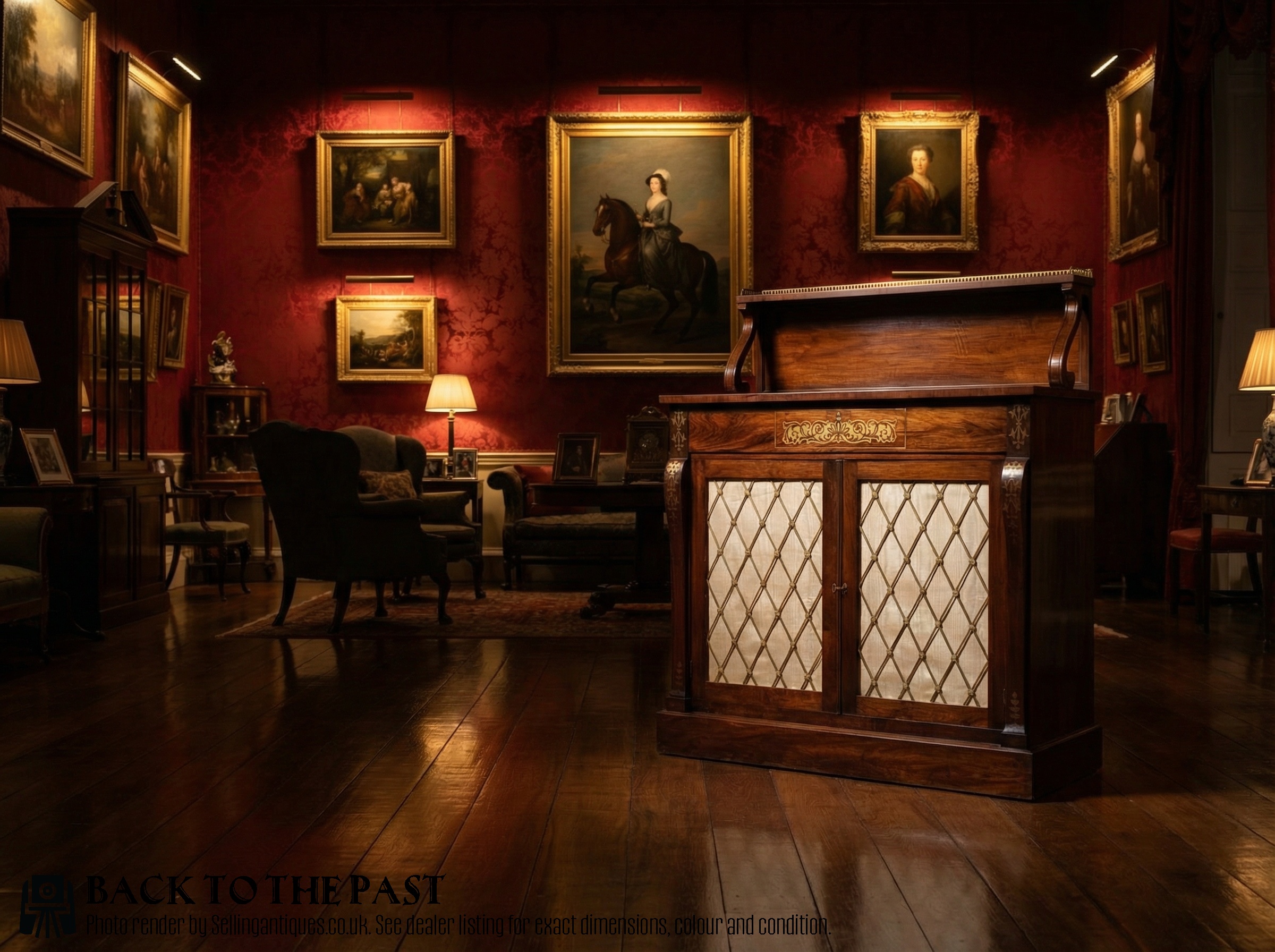
Regency Brass Inlaid Cabinet
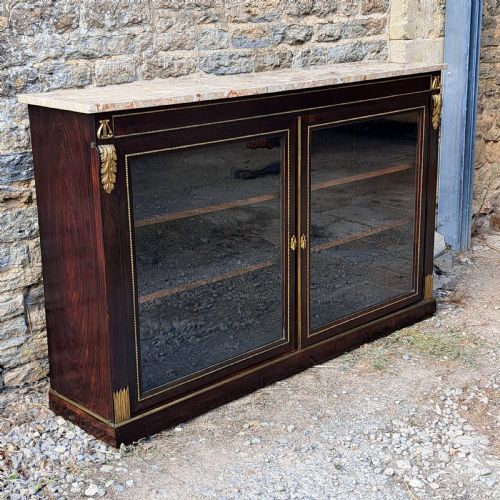
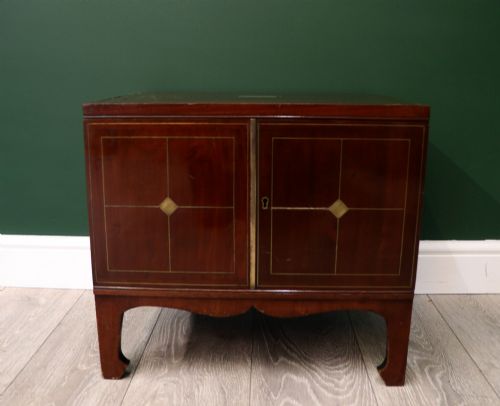
A regency brass inlaid cabinet combines the formal architectural lines of the early nineteenth century with striking decorative metalwork. Buyers searching for a regency brass inlaid cabinet encounter sophisticated storage furniture designed to hold books, display treasured objects, or conceal domestic items behind panelled or glazed doors.
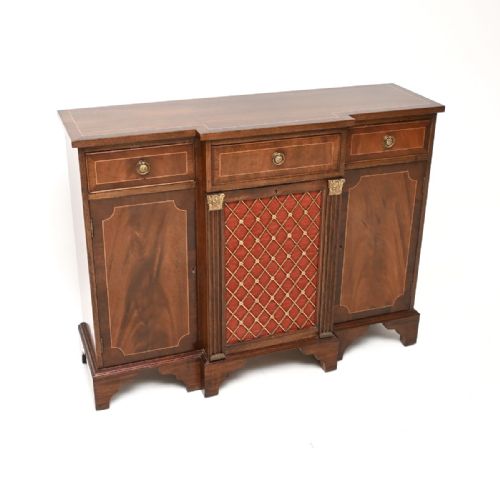
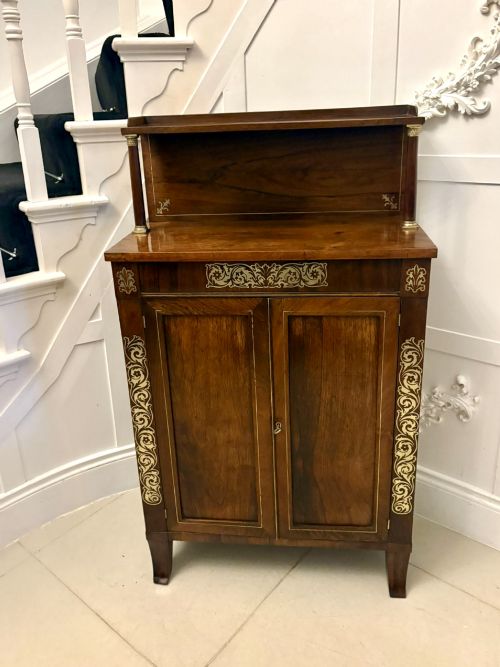
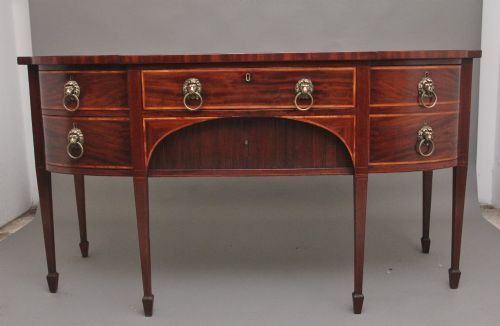
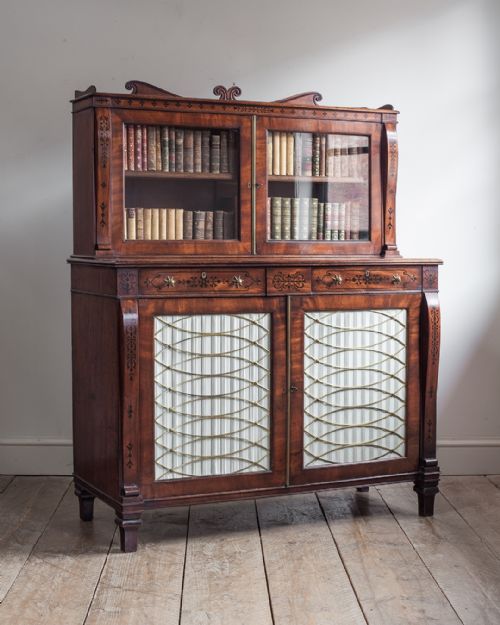
The pieces appearing on this page span the Regency and Georgian periods, showcasing forms such as side cabinets, chiffoniers, and bureau bookcases. Rosewood forms the predominant timber across these listings, providing a dark, richly grained backdrop for precision brass inlay.
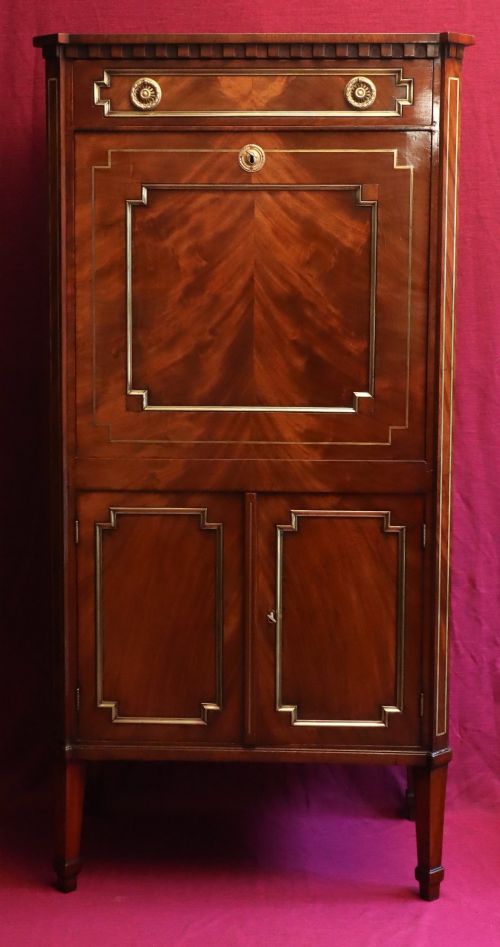
Side cabinets and chiffoniers dominate the selection, often featuring two doors, brass grillework, or marble tops supported on turned feet. Larger examples include bookcase combinations and secretaire variants that demonstrate the multifunctional ambition of cabinetmakers working in the Regency style.

Construction and materials
Cabinetmakers constructed these pieces primarily from rosewood timber, selected for its deep colour and pronounced grain. Brass was precisely cut and set directly into the wooden surface to form delicate classical motifs, geometric lines, and foliate patterns.
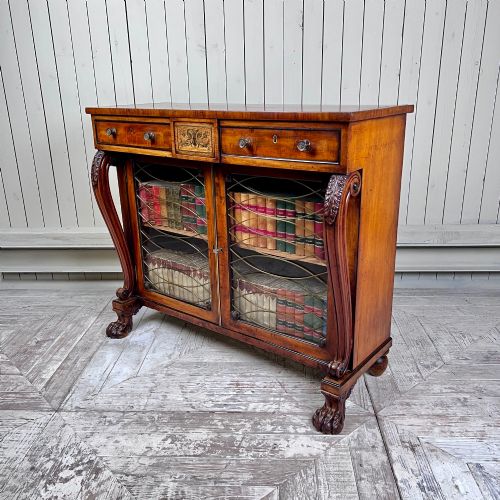
Additional materials appear in specific forms, including glass for bookcase doors, fabric linings, and marble tops set onto side cabinets. Giltwood accents and turned wooden feet complete the structural composition of these nineteenth-century pieces.
Regency Brass Inlaid Cabinet Retail Price Guide 2026
Typical asking prices for regency brass inlaid cabinet among the pieces listed under this phrase on Sellingantiques today, from the lower quarter to the upper quarter. They describe what is for sale here now, not the wider market.
Listings feature rosewood, mahogany, marble, and giltwood combined with brass inlay across Regency and Georgian forms.
Distinctions in craftsmanship
Quality in a regency brass inlaid cabinet rests upon the precision of the metalwork and the selection of the timber. Finely executed pieces display tightly fitted brass inlay flush with the polished rosewood surface, whereas simpler examples show wider joints or less refined engraving.
The architectural presence of the piece also dictates its standing, marked by proportion, the quality of the turned feet, and whether secondary elements like marble tops or brass grilles remain intact.
Pitcher
The Regency Brass Inlaid Cabinet Glossary
- Regency
- A stylistic period spanning the early nineteenth century, characterised by classical restraint, architectural symmetry, and classical revival motifs.
- Chiffonier
- A low sideboard or cabinet featuring shelves or cupboards, frequently surmounted by a mirror or a raised back gallery in these listings.
- Bureau bookcase
- A combination form incorporating a sloping writing desk flap beneath an upper section fitted with shelves for books.
- Giltwood
- Timber treated with gold leaf or a gold-coloured finish to provide decorative highlights to mouldings and carved details.
Regency Brass Inlaid Cabinet: Frequently Asked Questions
What is a regency brass inlaid cabinet used for?
These cabinets served multiple domestic functions in nineteenth-century interiors, acting as sideboards, bookcases, or writing desks depending on the specific internal layout. Lower side cabinets provided concealed storage behind doors while displaying decorative objects on their upper surfaces.
Today, owners utilise them in living rooms and studies to store books and tableware while adding period character to the space.
How do I identify a Regency period piece?
Identification relies on examining the characteristic timber choices, such as rosewood, paired with classical architectural proportions and precise brass inlay. The presence of turned feet and specific hardware styles further aligns the piece with early nineteenth-century cabinetmaking traditions.
Comparing the overall form to documented examples from the Regency and Georgian eras helps confirm the period of manufacture.
Are all these cabinets made of rosewood?
Rosewood forms the vast majority of the timber seen in these listings, valued for its dark heartwood and striking grain patterns. Cabinetmakers utilised this dense wood to contrast sharply with bright brass inlay.
Mahogany also appears among the documented examples, demonstrating that alternative hardwoods were occasionally selected for similar decorative schemes.
How should I care for a rosewood and brass cabinet?
Maintenance requires keeping the timber and metal away from direct sunlight and maintaining stable room humidity to prevent wood movement. Gentle dusting with a dry, soft cloth preserves the polished rosewood finish without harming the inlaid brass elements.
Harsh chemical cleaners should be avoided to protect the aged patina of both the metal and the timber surfaces.