





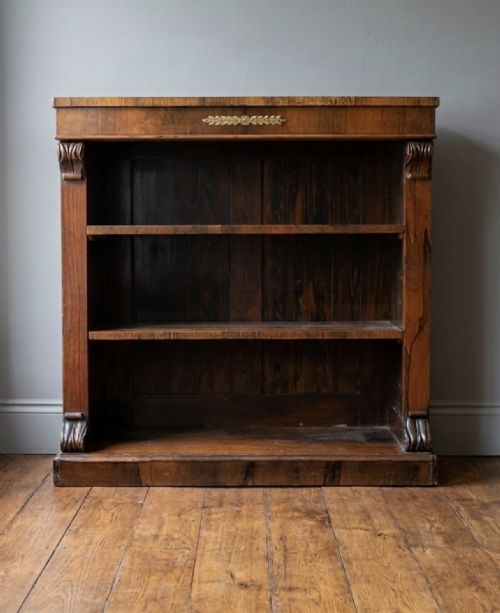


Antique Rosewood Bookshelf
An antique rosewood bookshelf brings rich dark grain and architectural presence to a room, offering sturdy display space for a growing library.
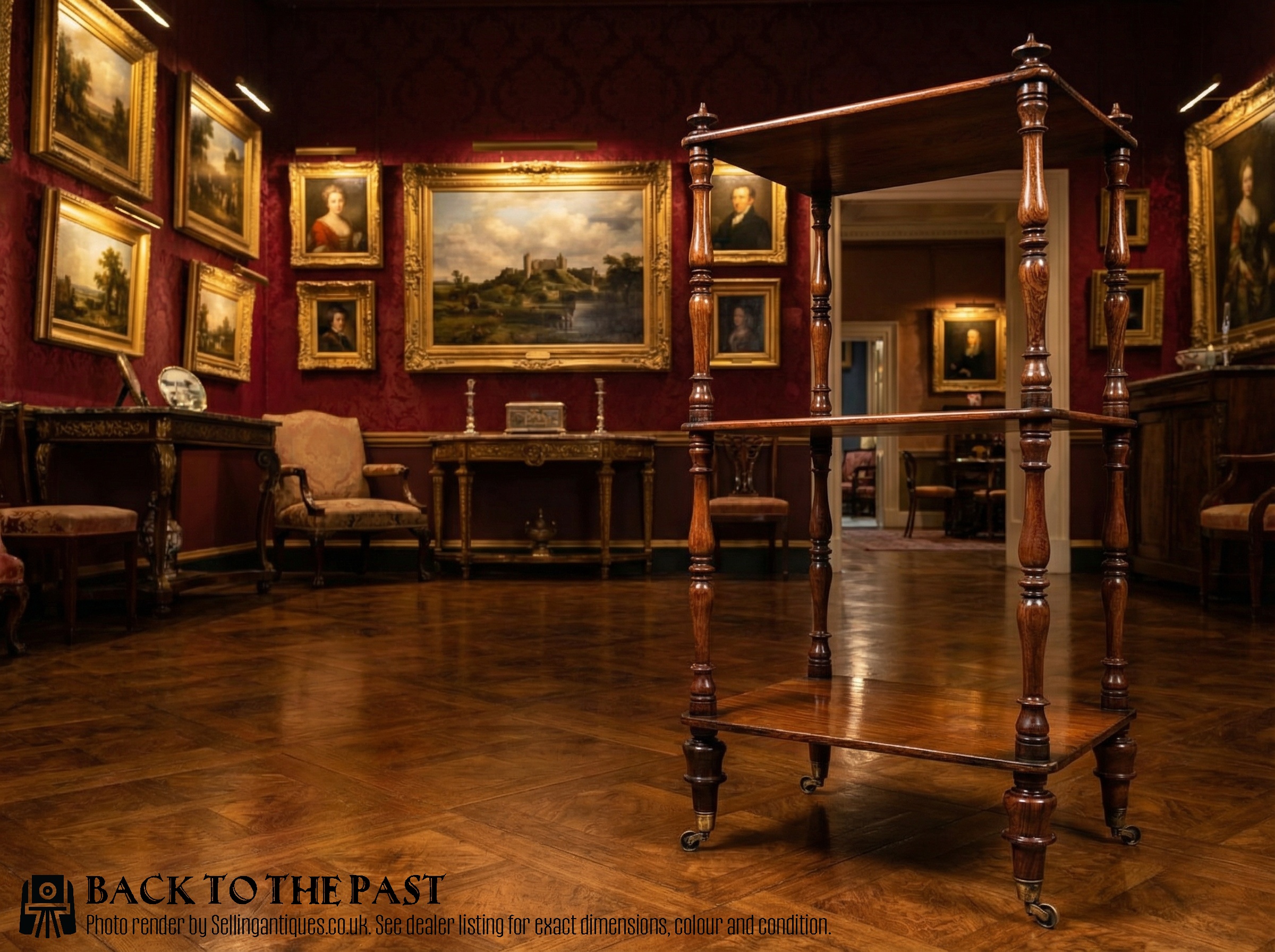
Antique Rosewood Bookshelf
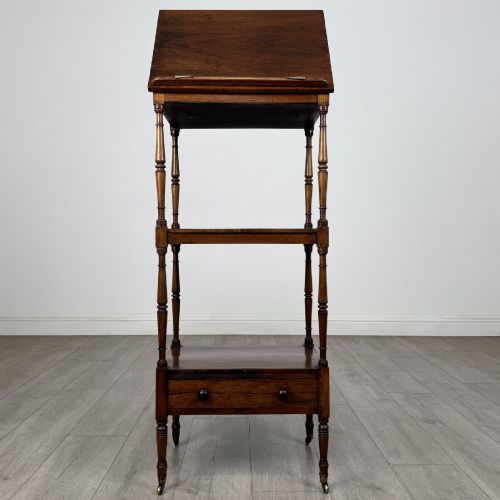
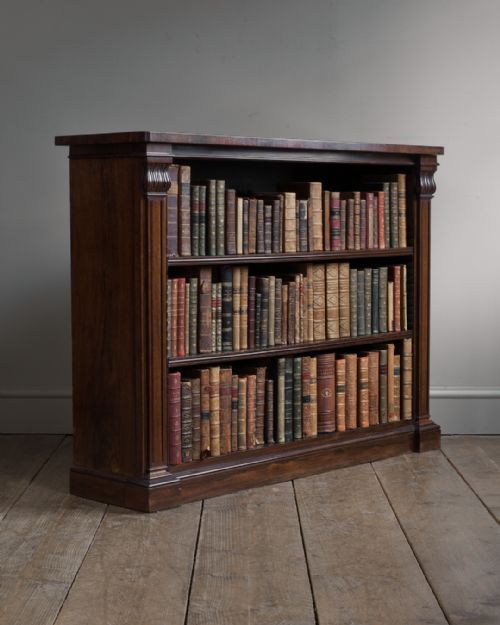
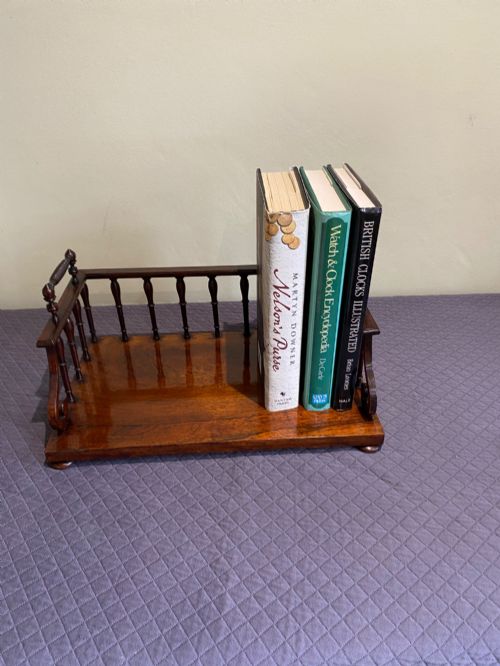
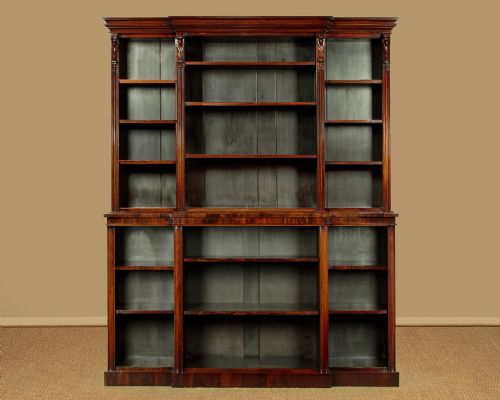
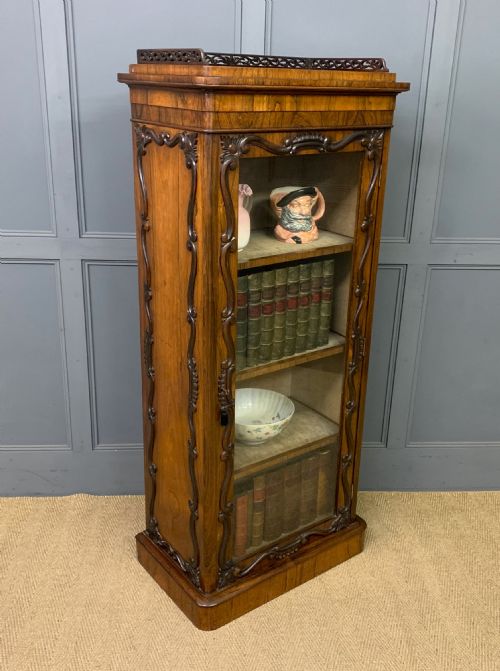
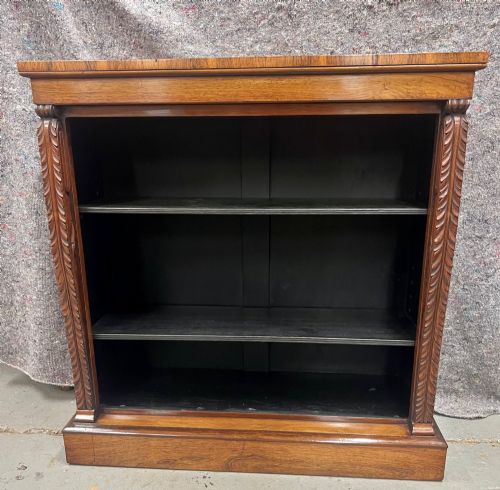
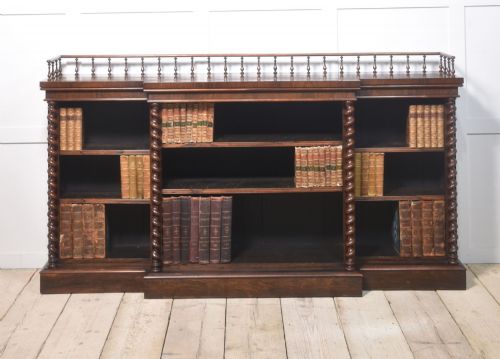
An antique rosewood bookshelf is a practical yet decorative piece of furniture designed to hold books and display objects. When you search for an antique rosewood bookshelf, you encounter a range of forms spanning open bookcases, tiered etageres, and wall shelves.
The pieces on this page originate predominantly from the nineteenth century, with strong representation from the Regency, Victorian, and William IV periods. Open bookcases with adjustable shelves and compact waterfall designs appear most frequently among the current selection.
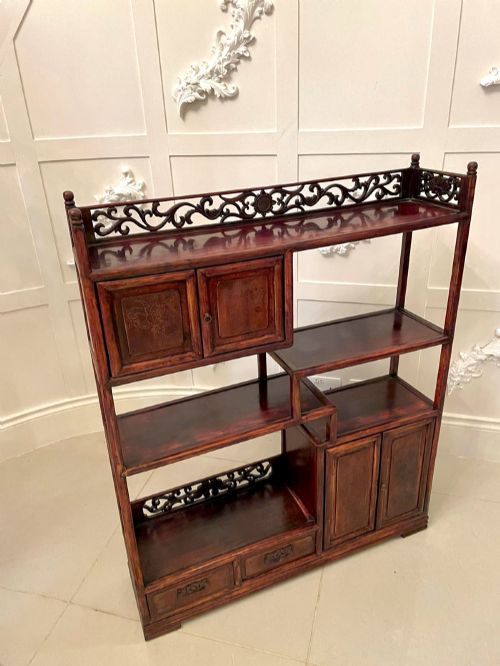
Maker signatures and specific regional styles also emerge within the inventory, including pieces associated with London workshops like James Winter and Samson & Son, alongside Chinese hardwood cabinets and Anglo-Indian carved shelves.
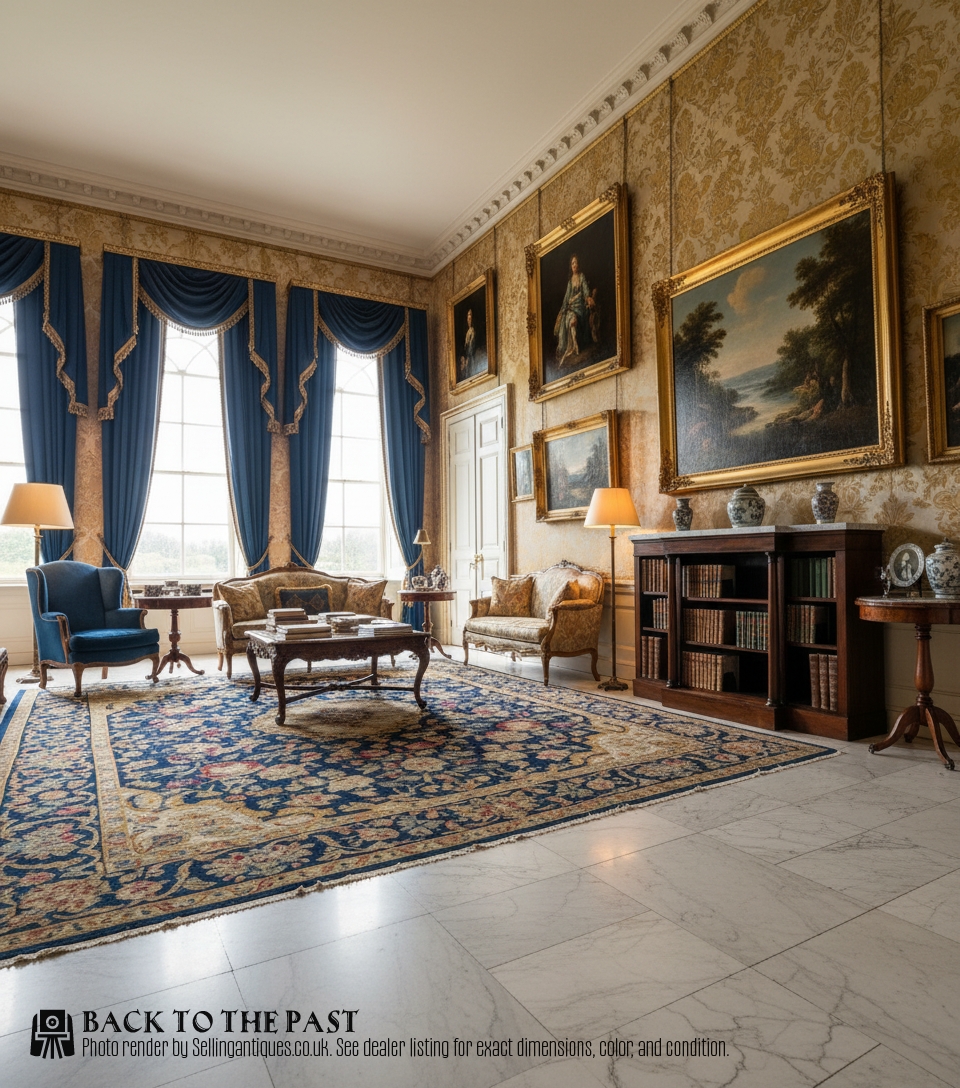
How they were made
Cabinetmakers utilised solid rosewood alongside rosewood veneer applied over secondary timbers like softwood, combining structural stability with deeply figured exterior surfaces. Workshops incorporated brass details, leather accents, and occasionally patinated marble tops to finish the upper surfaces of low bookcases.
Construction techniques included adjustable shelf mechanisms supported by brass ratchets or wooden pegs, alongside carved corbels and architectural mouldings. Some variants feature simulated paint finishes or intricate openwork carving, demonstrating diverse craftsmanship across the nineteenth-century periods.
Antique Rosewood Bookshelf Retail Price Guide 2026
Typical asking prices for rosewood bookshelf among the pieces listed under this phrase on Sellingantiques today, from the lower quarter to the upper quarter. They describe what is for sale here now, not the wider market.
Materials recorded across the selection include solid rosewood, rosewood veneer, brass, marble, glass, leather, and painted wood.
What varies in quality
Quality in these bookcases rests upon the depth of the timber's grain, the precision of the veneering, and the integrity of the structural joinery. Finer examples display harmonious proportions, crisp carving on corbels, and well-executed breakfront or inverted breakfront profiles.
The sophistication of the interior fittings, such as finely engineered adjustable shelf supports and secondary woods of high grade, distinguishes standard utilitarian shelving from pieces produced by premier nineteenth-century cabinetmakers.
James Winter·Samson & Son
The Antique Rosewood Bookshelf Glossary
- Breakfront
- A cabinet or bookcase whose central section projects forward from the flanking wings. This architectural arrangement creates shadow and depth across the front elevation.
- Waterfall bookcase
- A set of open bookshelves where each tier steps back progressively from the one below, creating a silhouette resembling a falling cascade. These pieces often feature graduated shelves suitable for smaller volumes.
- Etagere
- A set of open shelves supported by slender columns or pillars, used for displaying ornaments and small objects. They frequently appear in multi-tiered formats.
- Corbel
- A structural bracket projecting from the face of a bookcase to support a shelf or cornice. In rosewood pieces, these are often carved with scrolls or foliage.
- Rosewood veneer
- A thin layer of highly figured rosewood timber applied over a sound secondary wood base. This technique allowed cabinetmakers to showcase rich grain patterns while ensuring structural stability.
Antique Rosewood Bookshelf: Frequently Asked Questions
How do I identify a Regency bookcase?
Regency bookcases date from the early nineteenth century and frequently display classical architectural influences, clean lines, and brass inlay. They often utilise solid rosewood or finely figured veneers.
Look for balanced proportions, restrained brass mounts, and functional adjustable shelving systems within the interior.
Were these shelves always adjustable?
Many nineteenth-century bookcases feature adjustable shelves supported by wooden ratchets or brass pins. This allowed owners to alter the shelf height to accommodate volumes of varying sizes.
Fixed shelves do appear, particularly in smaller etageres, wall shelves, and specialised display cabinets.
Where should I place a low bookcase?
Low open bookcases function well beneath windows or against living room walls where they do not obstruct natural light. Their upper surfaces provide a convenient platform for lamps and decorative objects.
Double-sided or breakfront versions also work effectively as freestanding room dividers in larger spaces.