

Regency Brass Clock
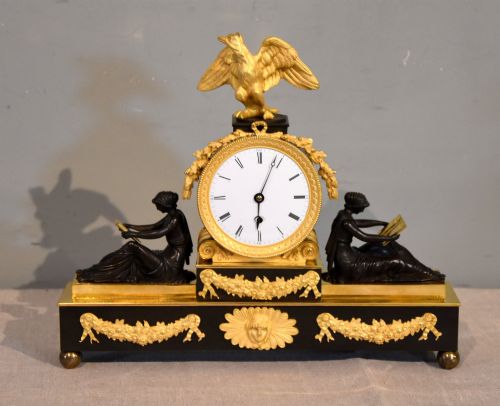
These pieces unite precision mechanics with decorative metalwork, offering a refined regency brass clock for the mantel, desk or wall.
Regency Brass Clock
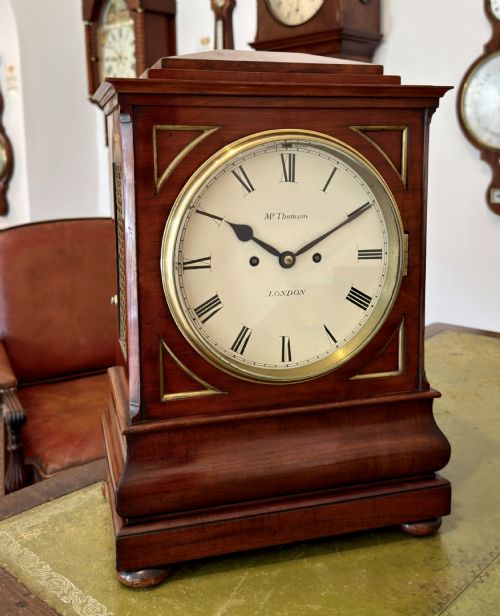
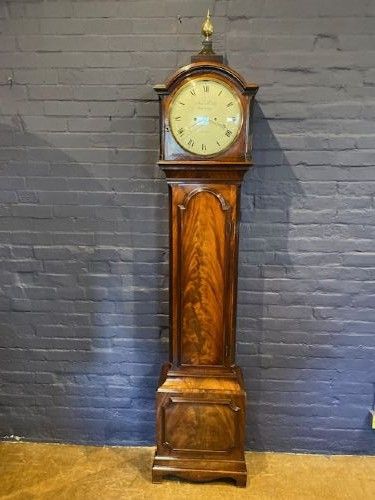
A regency brass clock encompasses mantel timepieces, wall dials, and bracket clocks spanning the Georgian, Regency, and early Victorian eras.
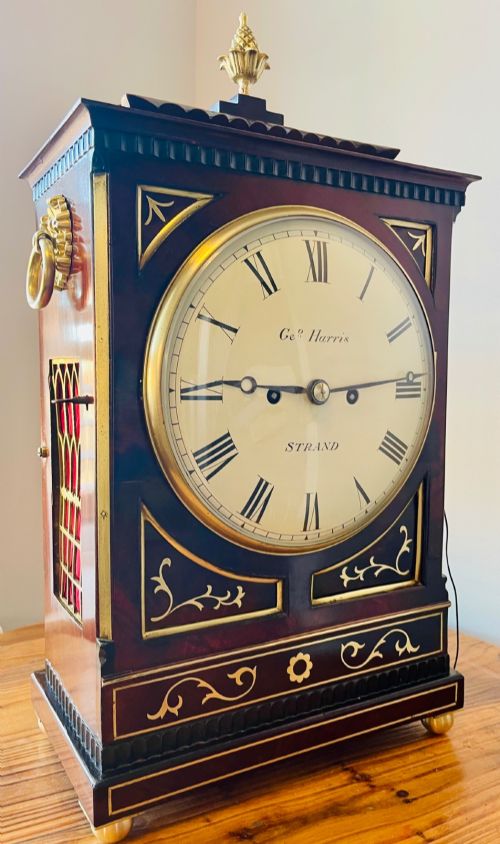
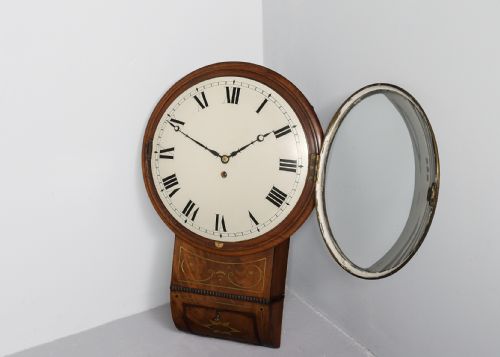
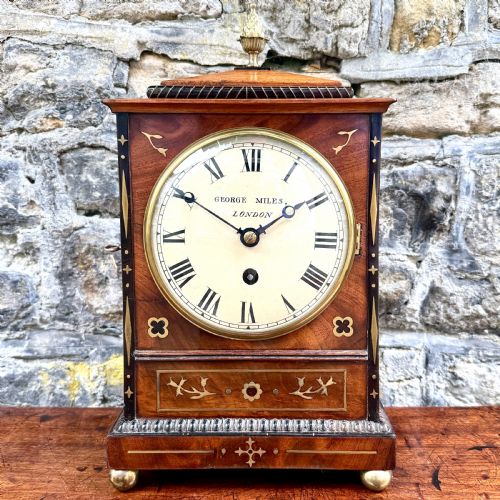
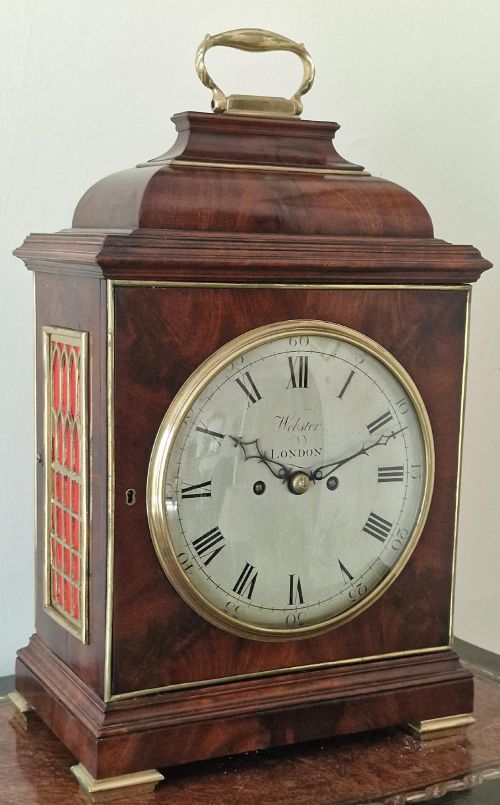
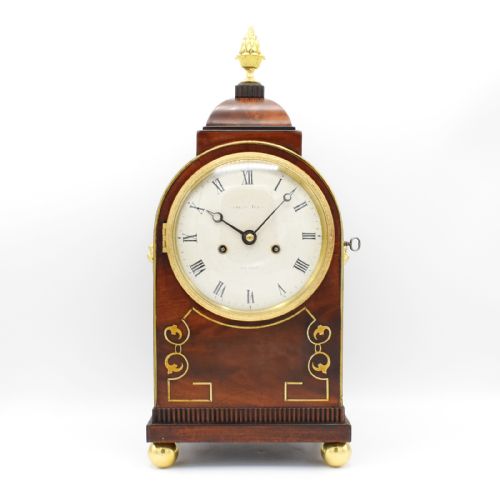
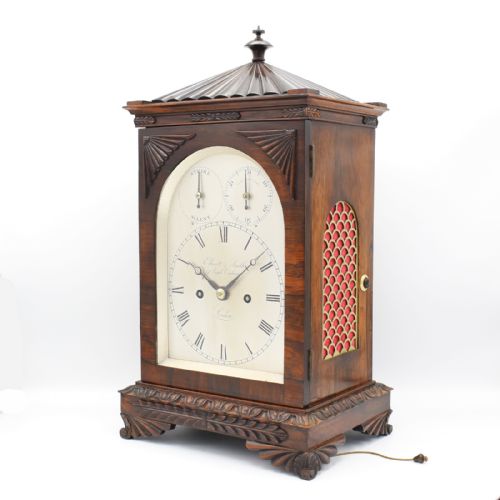
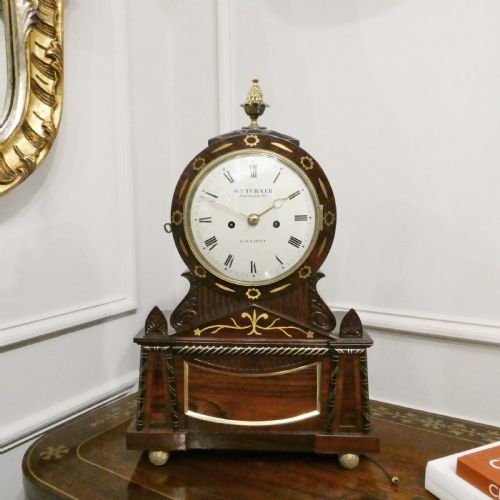
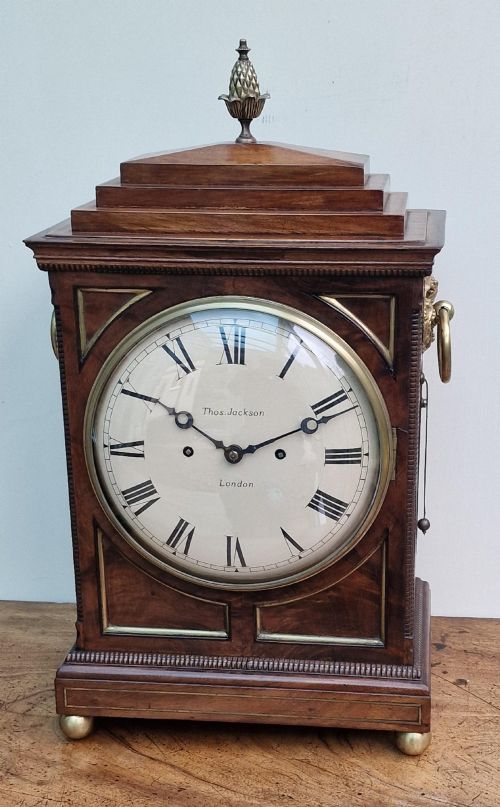
The version most commonly encountered on this page is the bracket clock or wall dial constructed from mahogany or rosewood and detailed with brass inlay.
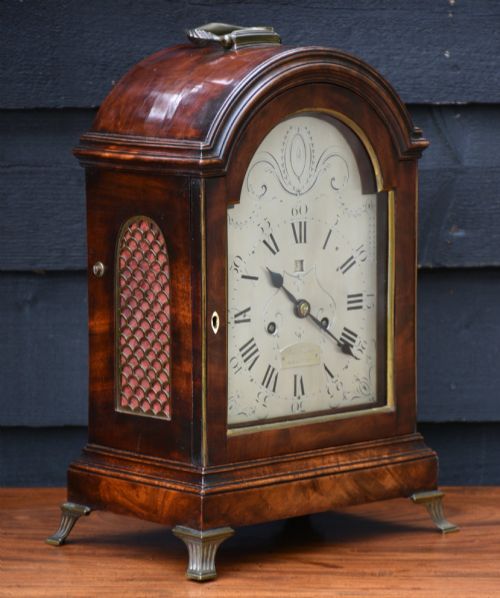
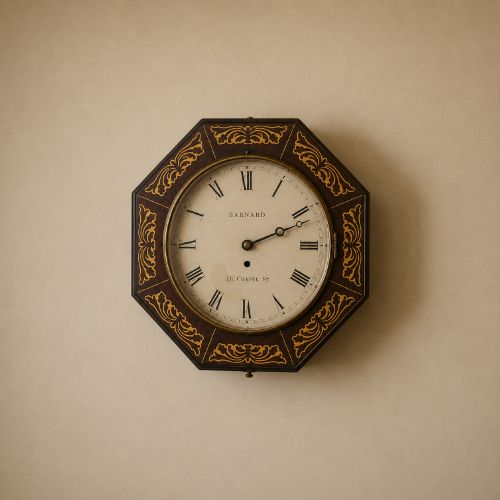
Makers housed these movements in architectural wooden cases, ranging from octagonal wall frames to lancet-topped table models.
Materials and construction
Craftsmen built the structural cases using dense hardwoods such as mahogany and rosewood, frequently enriching the surfaces with contrasting ebony and brass stringing.
Dial faces combined brass, silvered metal, enamel, or painted wood, often driven by fusee movements designed to maintain even tension as the mainspring unwound.
Listings feature mahogany, rosewood, and ebony cases paired with brass, enamel, and silvered metal dials.
Judging execution
Quality rests upon the crispness of the brass inlay work and the harmonious proportions of the timber case, where fine grain patterns elevate the overall design.
The sophistication of the internal movement and the signature of a recognised maker separate standard timepieces from exceptional examples.
James McCabe·Handley And Moore·Desbois And Wheeler·William Moon·George Orpwood
The Regency Brass Clock Glossary
- Fusee
- A conical pulley used in mechanical clocks to ensure uniform drive power as the spring unwinds. This mechanism provides consistent accuracy over the duration of the winding period.
- Bracket clock
- A portable timekeeper designed originally to sit on a wall bracket or table. These spring-driven pieces typically feature a carrying handle on top.
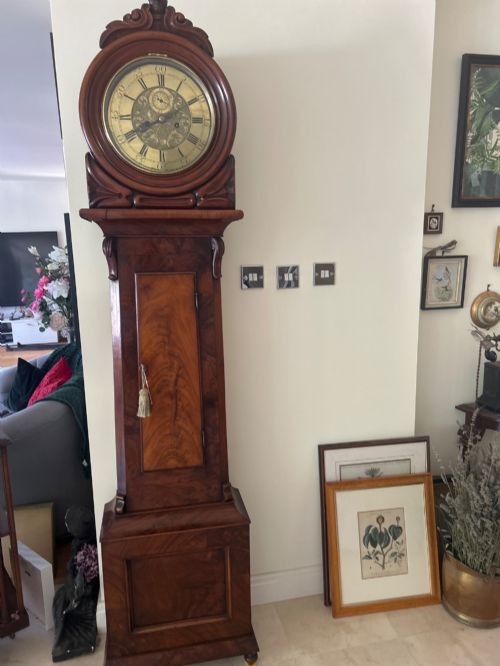
- Drop dial
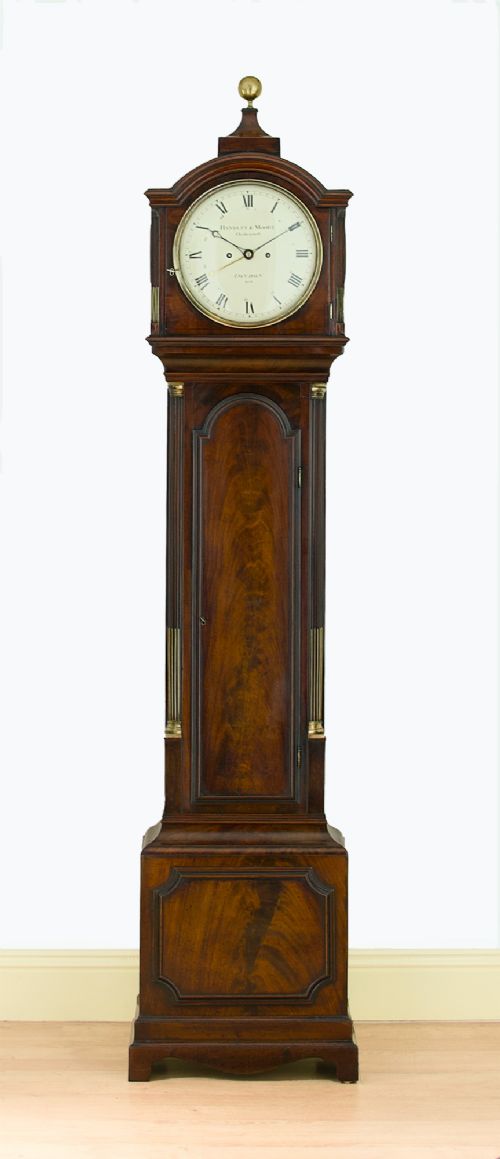
- A wall clock featuring an extended wooden trunk below the circular face. This configuration often housed a pendulum and weight-driven or fusee mechanism.
- Gilt bronze
- Copper alloy treated with a gold coating to provide a durable, decorative finish. Makers employed this technique for bezel rings, feet, and side mounts.
- Lancet top
- A pointed, Gothic-arch architectural shape applied to the upper portion of a wooden clock case. The style gained popularity during the Regency and Georgian periods.
Regency Brass Clock: Frequently Asked Questions
How do I wind a fusee clock?
Turn the key gently in the winding aperture until you feel resistance, taking care not to over-wind the spring.
Most fusee movements require a weekly wind to maintain accurate timekeeping.
Where should I place a wall dial?
Mount the clock on a sturdy internal wall away from direct sunlight, drafts, and fluctuating temperatures. External walls can transfer dampness and vibration to the movement.
Ensure the case hangs level so the pendulum swings evenly.
How do I tell a Regency clock from a Victorian one?
Regency models often feature restrained brass inlay, architectural mahogany cases, and convex painted wooden dials. Victorian iterations tend to introduce heavier proportions and alternative wood finishes.
Examining the signature and movement construction helps confirm the production era.
What is the purpose of the side frets?
Wooden or fabric-backed brass sound frets on the sides of bracket clocks allowed the bell strike to project clearly into the room. They also provided necessary ventilation for the internal movement.
Intricate pierced designs often reflect the maker's workshop style.