






Red Porcelain Decorative Plate
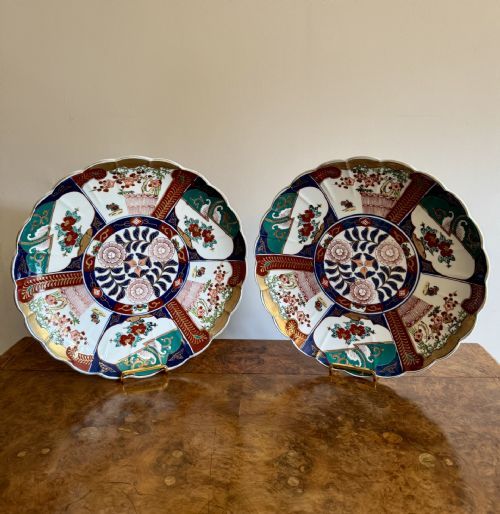
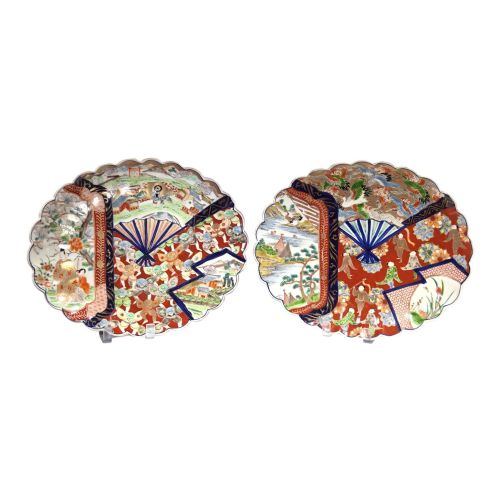
A red porcelain decorative plate brings rich iron-red pigments and intricate cobalt blue details into a room, offering a striking focal point for a wall or cabinet display.
Red Porcelain Decorative Plate
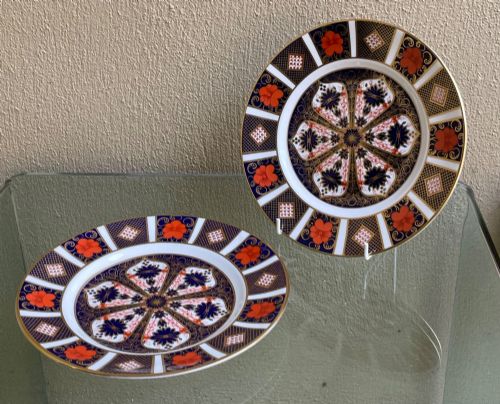
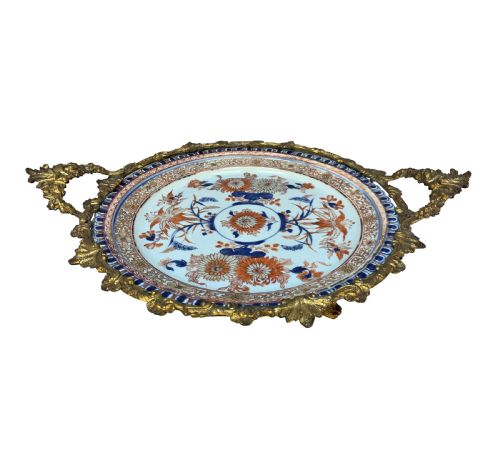
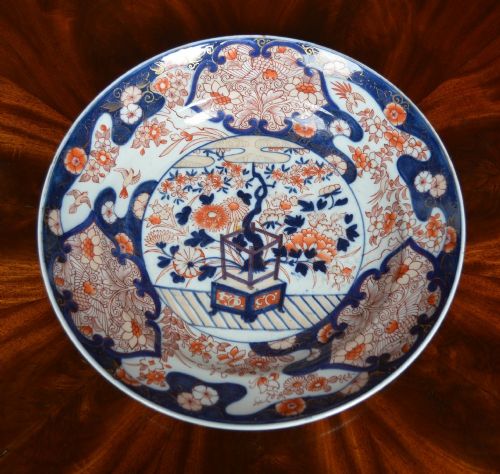
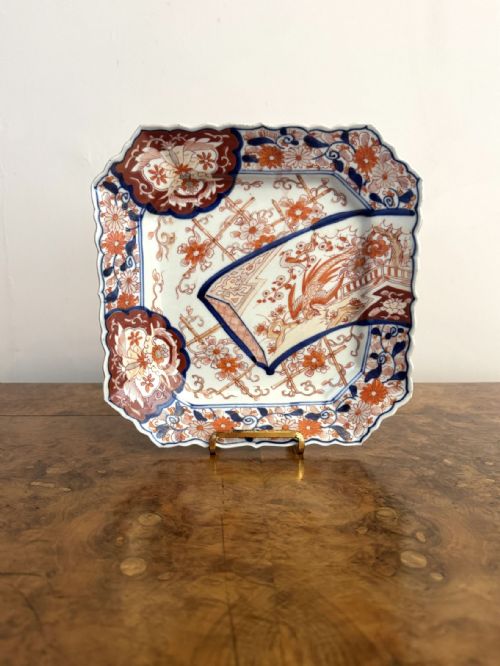
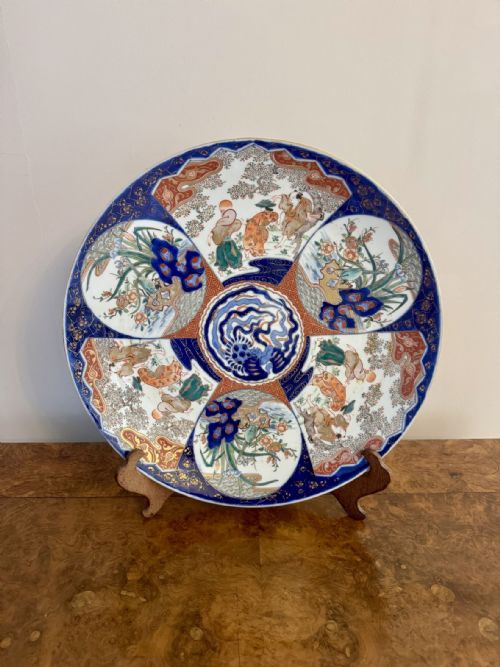
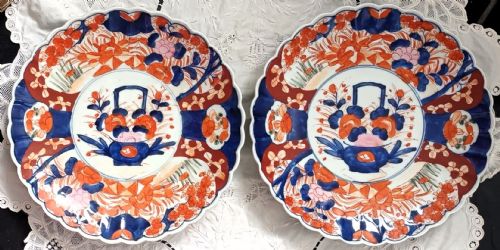
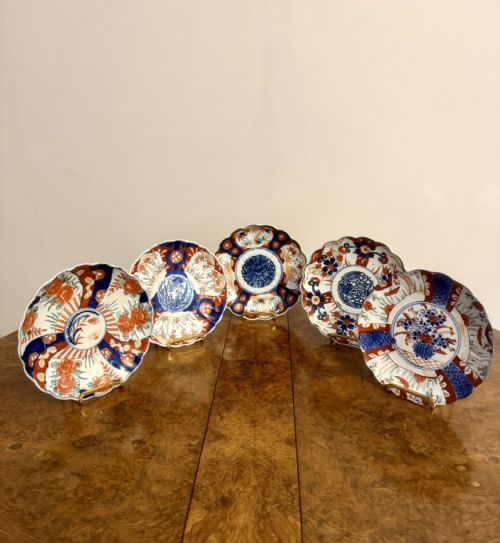
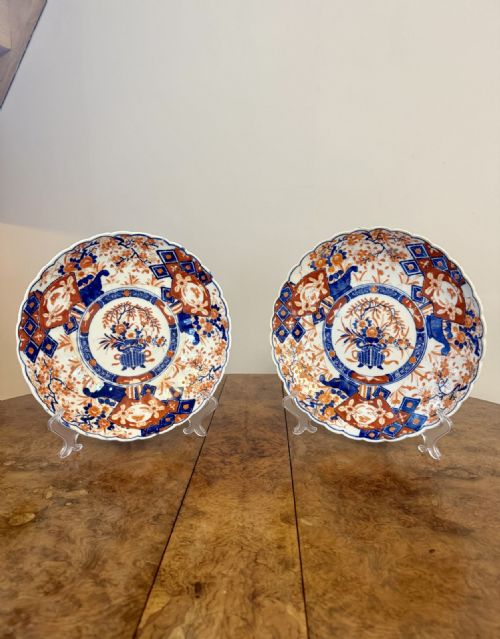
A red porcelain decorative plate search centres primarily on Japanese Imari wares from the late nineteenth and early twentieth centuries, alongside Chinese export porcelain. These pieces take the form of chargers, scalloped dishes, square plates, and large display platters intended for visual impact rather than dining.
The selections span periods from the eighteenth century through to the mid-twentieth century, with Victorian and Meiji period examples appearing frequently. Buyers encounter pairs, sets, and individual large chargers decorated with traditional floral, bird, and figural motifs.
How they were made
Potters shaped ceramic clay into plates and chargers, then applied cobalt underglaze beneath a clear protective finish. Artisans layered enamel and iron-red pigments over the glaze, often adding gold leaf and gilt highlights to enrich the design.
Firing took place in kilns at high temperatures to fuse the mineral colours to the porcelain body. Subsequent low-temperature firings fixed the overglaze enamels and gilding securely to the surface.
Several plates depict the Seven Lucky Gods, ensuring your wall display comes with divine maritime supervision.
What varies in quality
The distinction between standard production and superior craftsmanship lies in the precision of the hand painting and the complexity of the forms. Scalloped edges, square profiles, and unusual shapes demand greater skill from the potter than simple round platters.
The distribution of iron-red pigments, cobalt underglaze, and gold leaf influences the visual depth of a piece. Finer examples display crisp detail in motifs such as birds, florals, and figural scenes like the Seven Lucky Gods.
The Red Porcelain Decorative Plate Glossary
- Charger
- A large decorative plate or dish, typically measuring over thirty centimetres in diameter, designed for display on a wall or sideboard rather than for table service.
- Imari Style
- A ceramic decorating tradition originating in Japan, characterised by a distinctive palette of iron-red, cobalt blue, and gilt highlights on a white porcelain ground.
- Cobalt Underglaze
- A blue pigment applied to the raw ceramic body before glazing and firing, which reacts to high temperatures by turning a deep, permanent blue beneath the clear surface.
- Gilding
- The application of gold leaf or powdered gold to the surface of porcelain to create metallic highlights and decorative borders.
Red Porcelain Decorative Plate: Frequently Asked Questions
How were decorative plates used?
These large dishes and chargers served primarily for display on walls, mantelpieces, or cabinet shelves rather than practical dining use. Their rich pigments and metallic details were intended to catch the light and add colour to formal interiors.
Over time, collectors arranged them in pairs or sets to create balanced displays in reception rooms and dining spaces.
How do I identify Imari pieces?
Imari wares are recognised by their tripartite colour scheme of iron-red, cobalt blue, and gold highlights set against a white porcelain background. The patterns frequently incorporate floral designs, birds, and traditional Japanese motifs.
Plates often feature scalloped edges, hexagonal shapes, or square forms produced during the nineteenth and early twentieth centuries.
What periods do these plates date from?
The available selection spans from the eighteenth century through the Victorian and Meiji eras up to the mid-twentieth century. A large portion of the items originates from the late nineteenth and early twentieth centuries, specifically around eighteen eighty to nineteen twenty.
Earlier examples from the eighteenth century also appear, featuring Chinese export porcelain and ormolu mounts.
How should I display a charger?
Large chargers require secure wall hangers designed for heavy porcelain, or sturdy plate stands if placed on a flat surface. Positioning them away from direct sunlight protects the overglaze enamels and gold leaf from fading.
Grouping pairs or collections of similar plates creates a cohesive visual impact on a wall or dresser.