



Queen Anne Dressing Mirror
A queen anne dressing mirror brings quiet elegance to a room, offering a functional glass framed in rich walnut or mahogany.
Identifying Queen Anne dressing mirrors
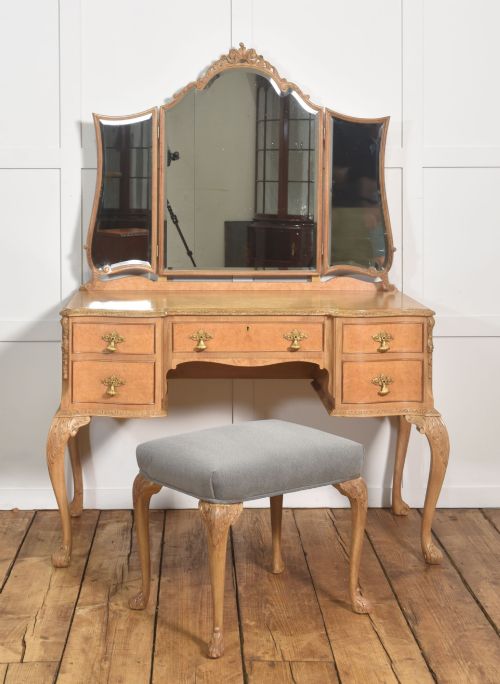
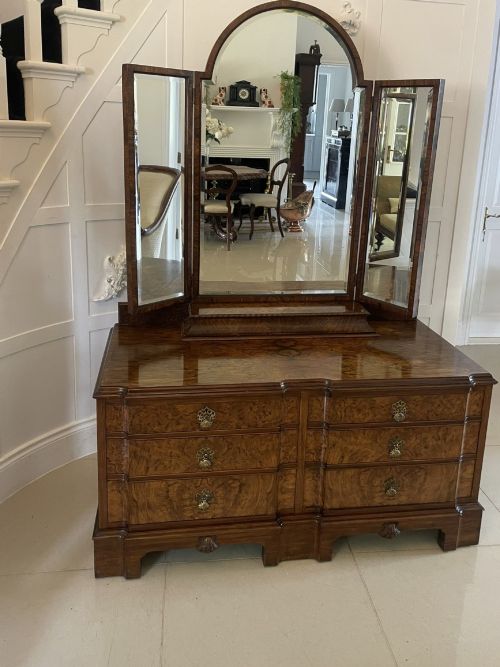
When you search for a queen anne dressing mirror, you are looking at items designed for reflection and grooming that trace their lineage back through multiple eras. These pieces range from authentic early eighteenth-century examples to later twentieth-century interpretations, including revival pieces from around nineteen-twenty.
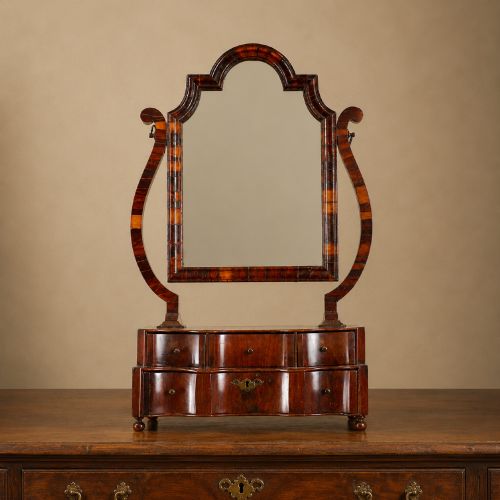
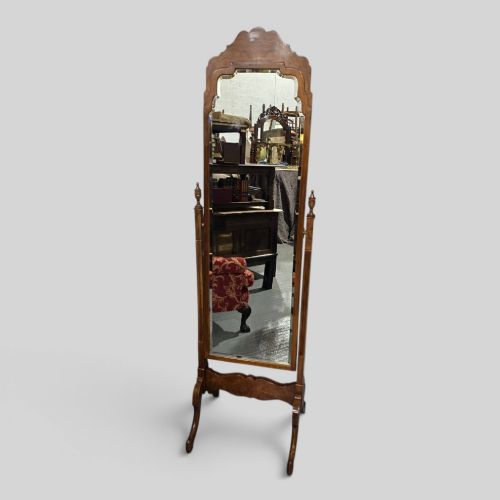
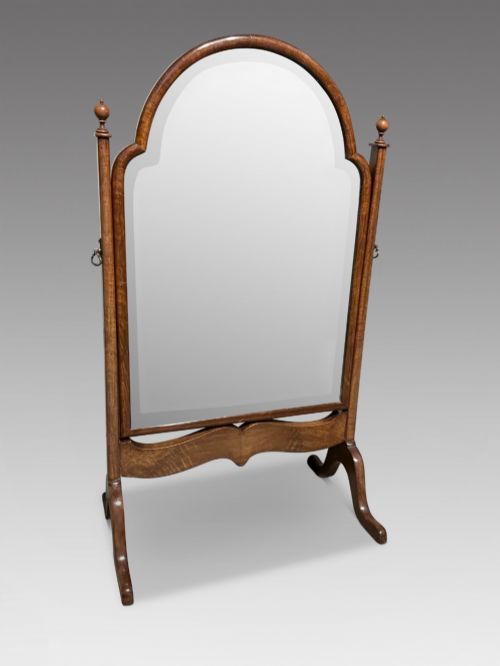
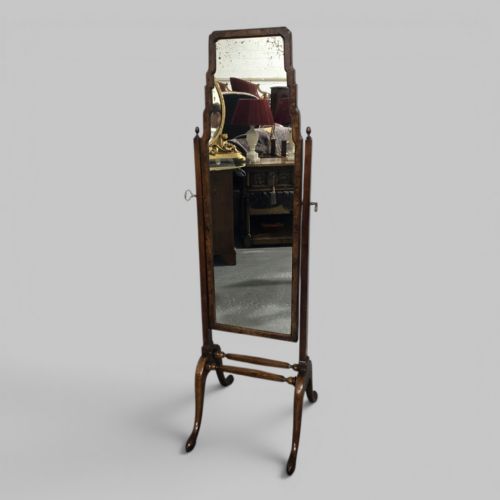
The forms encompass compact table mirrors, bureau mirrors with small fitted drawers underneath, and full-length floor-standing cheval mirrors. Walnut and mahogany predominate, often featuring the distinctive grain of burr walnut or the dark sheen of lacquer.
Materials and construction
Makers utilised solid wood and veneers, notably walnut, burr walnut, and mahogany, applied over secondary timbers to create curved frames and supporting stands. Brass fittings such as hinges, screw caps, and drawer pulls provide functional contrast to the warm timber tones.
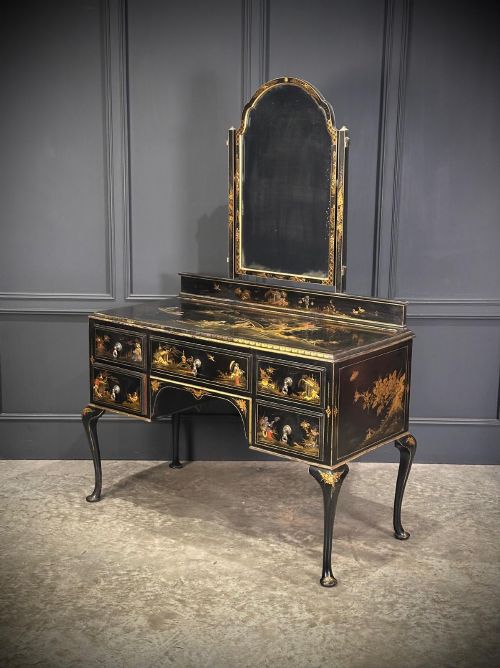
Glass plates are set within adjustable frames that tilt between upright supports, sometimes sitting atop small box bases containing miniature drawers. Specialised techniques such as Chinese export lacquer work also appear among the surviving examples.
Retail Price Guide 2026
Typical UK retail prices for queen anne dressing mirror, calculated from the Sellingantiques database of over a million retail prices indexed since 2003. This retail price guide relies exclusively on Sellingantiques data; no external sources or auction records are used, so the figures do not describe the wider market.
Listings feature walnut, mahogany, brass, and glass, spanning table mirrors, bureau mirrors, and cheval mirrors from the eighteenth century to the twentieth century.
Judging quality and character
The distinction between ordinary and exceptional examples lies in the depth of the timber grain, the crispness of the framing, and the retention of original brass hardware. Finer pieces display carefully selected burr walnut veneers and well-proportioned mirror plates.
Construction methods and the grace of the supporting uprights also determine the standing of a piece within its period. Original eighteenth-century examples carry the patina of age, whilst revival pieces from the twentieth century demonstrate varying degrees of cabinet-making skill.
The Queen Anne Dressing Mirror Glossary
- Cheval mirror
- A full-length floor-standing mirror suspended on a frame that allows it to swing fully. These tall glasses were designed for viewing an entire outfit.
- Bureau mirror
- A small dressing glass mounted upon a miniature bureau base containing small drawers. This combination offered space for correspondence and personal storage.
- Triptych mirror
- A three-panel dressing mirror featuring a central glass flanked by two smaller adjustable side wings. This arrangement allowed multiple angles of reflection.
- Burr walnut
- Timber taken from a walnut tree growth showing intricate, swirling grain patterns. Cabinet-makers sliced this wood into veneers for decorative surfaces.
- Chinese export
- Items produced in China specifically for Western markets, often utilising distinctive lacquer techniques. These pieces combined Eastern decoration with European furniture forms.
Frequently Asked Questions
How do I date a queen anne dressing mirror?
Dating relies on examining the timber construction, the type of mirror glass, and the secondary woods used in the frame. Eighteenth-century examples display period joinery and hand-bevelled glass, whereas later revivals from the twentieth century show more uniform machine finishing.
Hardware such as brass screws and hinges also offers clues to the decade of manufacture. Comparing the patination of the wood helps distinguish between an early period piece and a later revival.
What is the difference between a table mirror and a cheval mirror?
A table mirror is designed to sit on top of a dressing table, chest, or bureau. These compact pieces often feature small drawers within their base stands.
A cheval mirror is a tall, floor-standing glass that is supported by a heavy frame and vertical posts. It allows a person to see their entire reflection from head to toe.
Where should I place a dressing mirror in my home?
These mirrors suit dressing rooms, bedrooms, and hallways where they can reflect natural light and create a sense of space. Placing them on top of a solid wood dressing table or chest enhances their historical aesthetic.
Ensure the supporting surface is stable and capable of holding the weight of the frame. Position the glass to capture light from a nearby window without catching direct glare.
What woods were used for these mirrors?
Walnut is the predominant timber found in these pieces, frequently appearing as solid wood or as figured burr walnut veneer. Mahogany was also utilised, particularly in later interpretations and styles.
Chinese export examples feature lacquered surfaces over wooden foundations. Brass was used for the functional hardware, hinges, and decorative screw caps.