

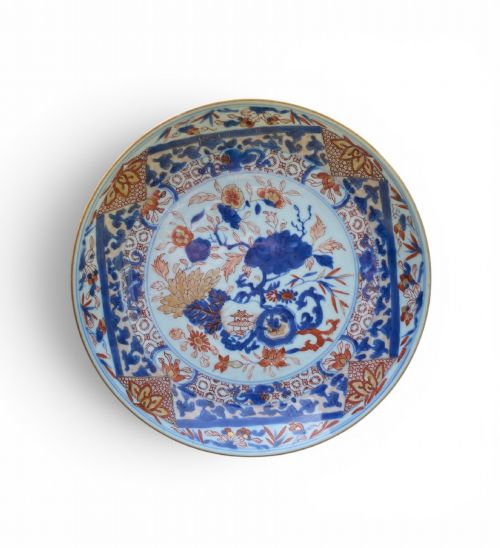


Qing Dynasty Porcelain Plate
A qing dynasty porcelain plate brings centuries of imperial kiln work into a modern room, offering hand-painted detail that catches the eye.
What these pieces are
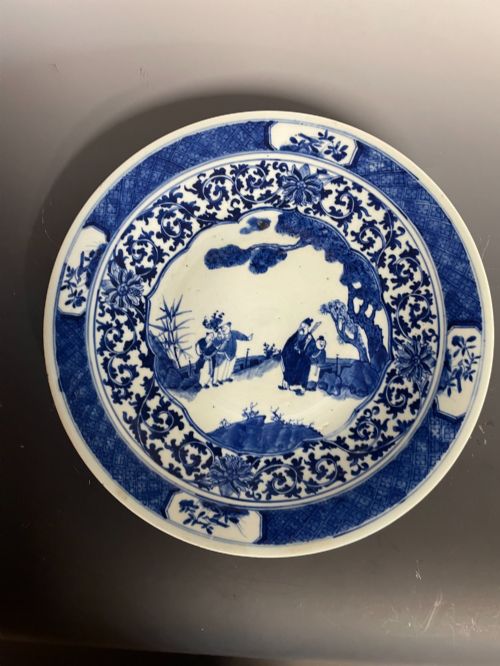
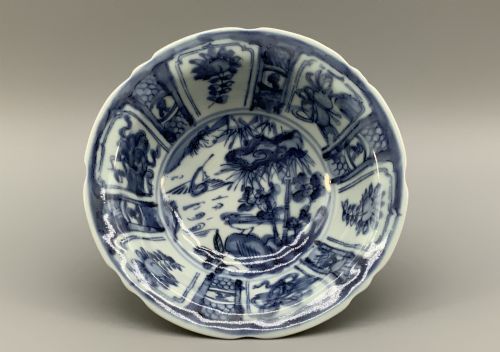
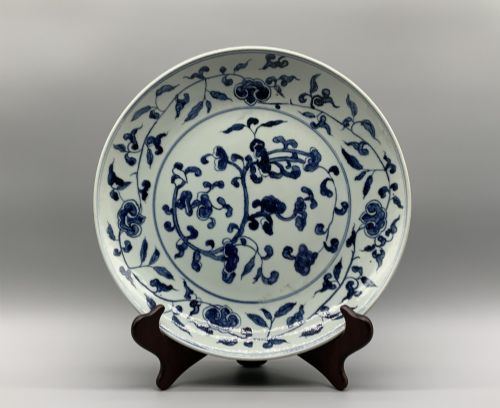
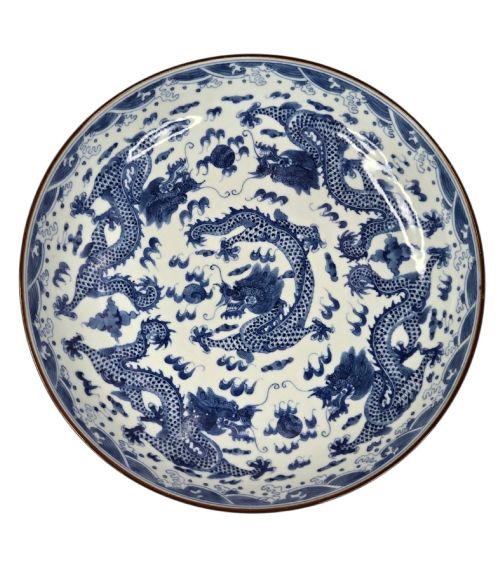
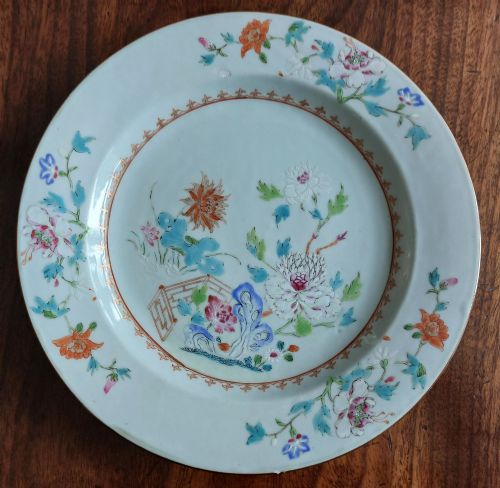
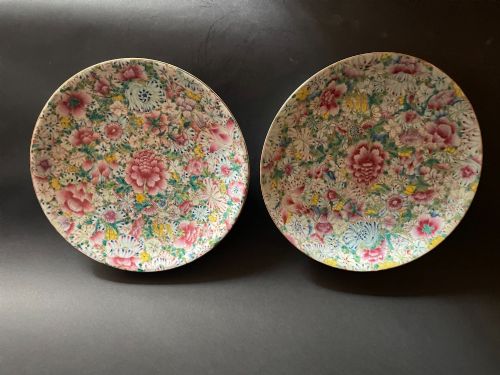
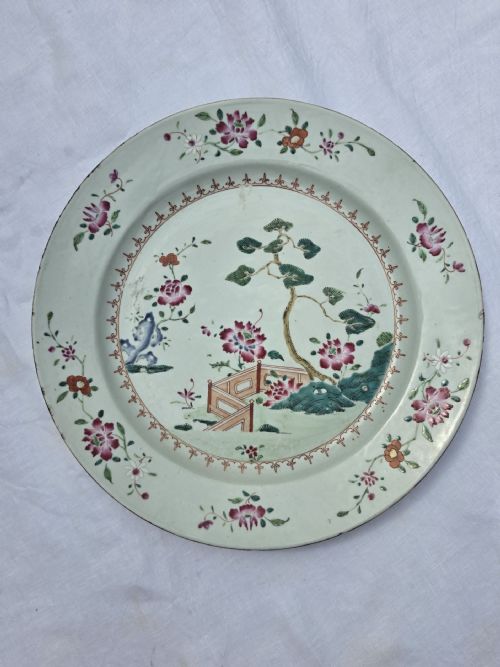
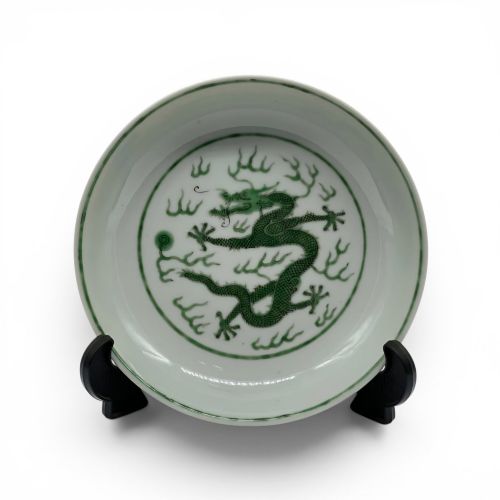
A qing dynasty porcelain plate encompasses decorative Chinese ceramics made during the Qing period, spanning the eighteenth and nineteenth centuries. These items take the form of decorative plates featuring hand-painted motifs.
The pieces on offer include eighteenth-century examples from the Qianlong period, alongside later nineteenth-century wares from the 1840s, 1850s, and 1870s. Buyers frequently encounter blue and white designs as well as polychrome palette work.
How they were made
Potters shaped fine porcelain bodies and applied cobalt underglaze or cobalt glaze before firing at high temperatures. Artisans utilised hand-painted techniques to apply detailed designs directly to the ceramic surface.
Overglaze enamel and gold leaf were added during subsequent low-temperature firings to build up rich palettes, including the famille rose style. Marks on the base, such as the Artemisia leaf mark, identified specific workshops and eras.
Retail Price Guide 2026
Typical UK retail prices for qing dynasty porcelain plate, calculated from the Sellingantiques database of over a million retail prices indexed since 2003. This retail price guide relies exclusively on Sellingantiques data; no external sources or auction records are used, so the figures do not describe the wider market.
Listings feature porcelain, enamel, gold leaf, and cobalt glaze across items dated from the eighteenth and nineteenth centuries.
What varies in quality
The refinement of the painted brushwork and the precision of the cobalt underglaze distinguish standard utility wares from superior artistic productions. The vibrancy of the enamel colours and the application of gold leaf dictate visual impact.
Earlier pieces from the eighteenth century demonstrate greater delicacy in the porcelain body compared to the robust forms of the later nineteenth century. The clarity of base marks and the sophistication of the decorative motifs separate ordinary items from exceptional examples.
The Qing Dynasty Porcelain Plate Glossary
- Famille Rose
- A polychrome enamel palette introduced in the Qing dynasty, dominated by opaque pink and rose colours.
- Cobalt Underglaze
- Pigment applied to the unglazed porcelain body before firing under a clear glaze, producing deep blue designs.
- Qianlong Period
- A reign era within the eighteenth century noted for technical virtuosity and varied ceramic styles.
- Artemisia Leaf Mark
- An auspicious symbol found on the base of Qing porcelain, often associated with the Kangxi period.
Frequently Asked Questions
How old is a qing dynasty porcelain plate?
These ceramics date from the Qing dynasty period, which spans from the seventeenth century through to the late nineteenth century.
Listings encompass specific eras such as the Kangxi and Qianlong periods of the eighteenth century, as well as dated items from the 1840s to the 1870s.
How were blue and white plates decorated?
Potters applied cobalt pigment directly onto the unfired porcelain body by hand before adding a clear glaze and firing the piece.
This technique locked the blue design permanently beneath the glossy surface glaze during the high-temperature kiln process.
What is famille rose porcelain?
Famille rose refers to a style of decoration that uses a distinct palette of opaque pink and rose enamels.
Artisans painted these vibrant colours over the fired glaze and subjected the plate to a lower temperature secondary firing to fix the pigments.
Can I display these plates on a wall?
These items serve as decorative plates suited for display within a home environment, provided secure fixings are utilised.
Careful placement away from heavy traffic areas protects the hand-painted enamel and gold leaf details from accidental impact.