

Qing Dynasty Dish
A qing dynasty dish brings centuries of Imperial porcelain tradition to a table, offering hand-painted cobalt blue or vibrant enamel designs that reflect sophisticated eras of Chinese craftsmanship.
Qing Dynasty Dish
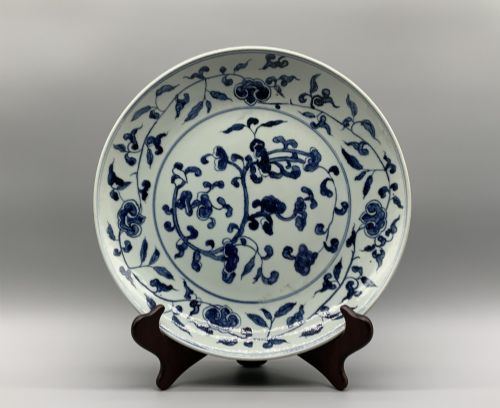
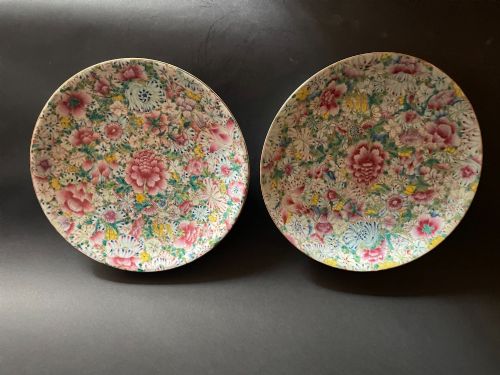
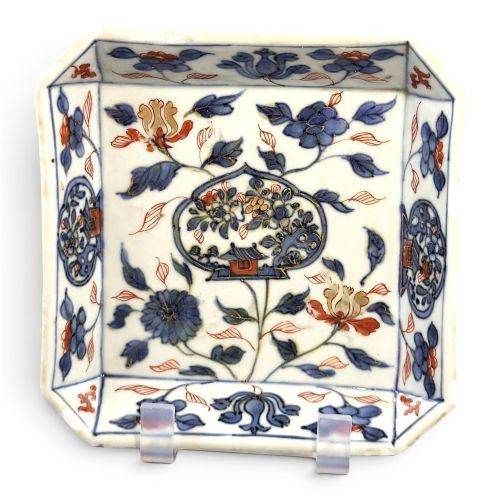
A qing dynasty dish encompasses a wide variety of ceramic tableware and decorative vessels produced under the Qing Empire, spanning forms from deep chargers and platters to lobed bowls and chamfered square dishes. These pieces often serve ceremonial or domestic functions, reflecting the diverse aesthetic shifts from the early Kangxi and Qianlong eras through to the later Guangxu period.
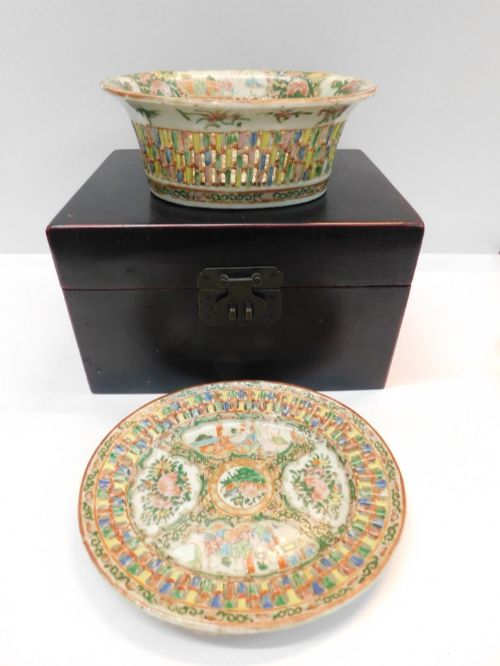
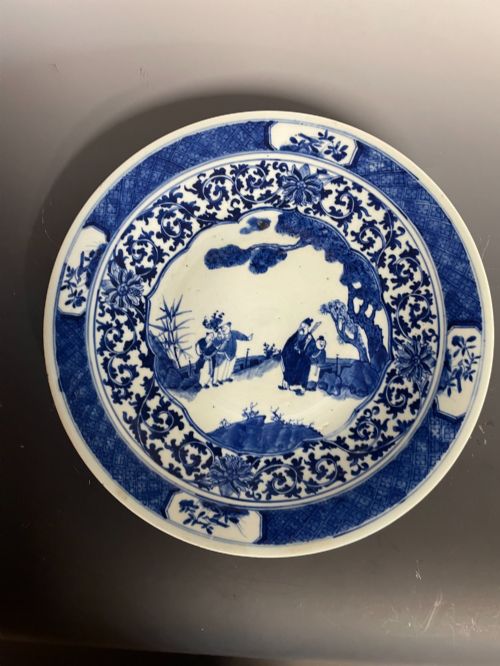
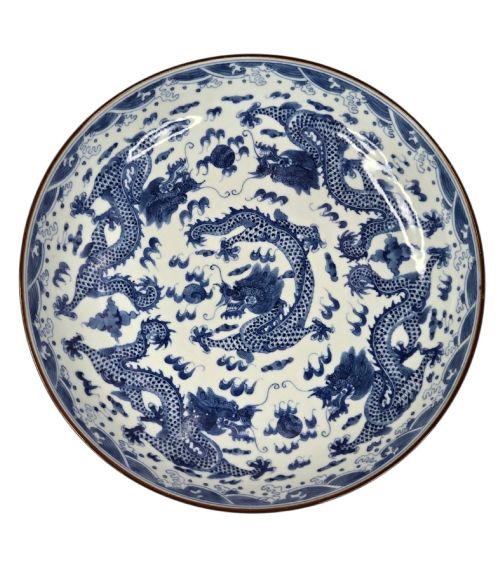
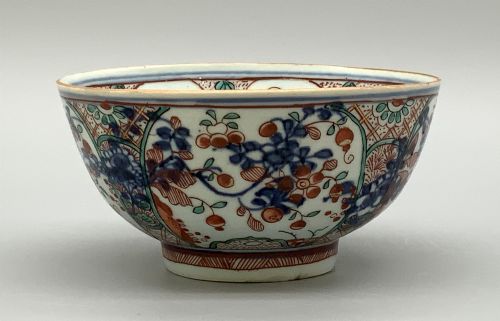
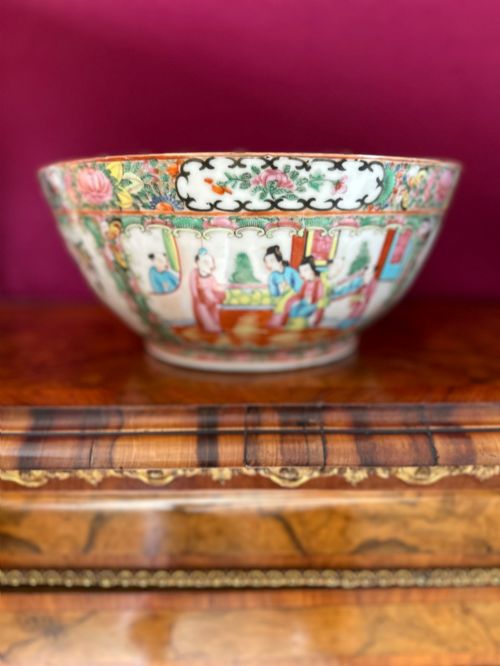
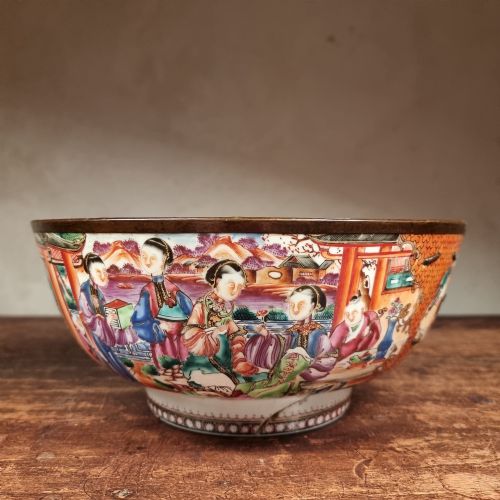
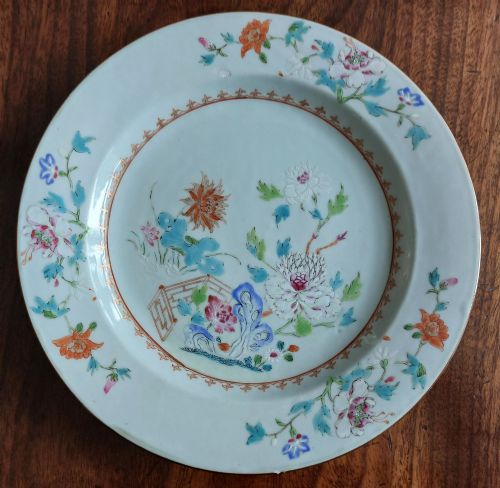
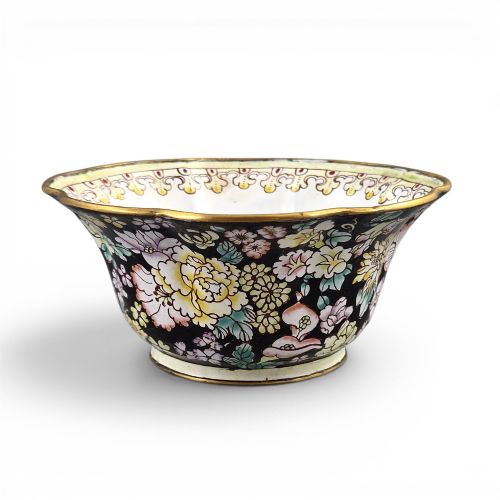
The pieces most commonly encountered on this page range from robust eighteenth-century export porcelain plates to nineteenth-century Canton enamel-on-copper bowls and blue and white serving platters. Buyers frequently encounter diverse stylistic categories, including Imari patterns, Famille Rose palettes, and monochrome celadon glazes.
Originating primarily from historic kiln centres like Jingdezhen, these items bridge domestic imperial production and goods tailored for global export markets. Each object carries the decorative vocabulary of its specific decade, whether featuring dragons, floral motifs, or court life scenes.
Materials and techniques
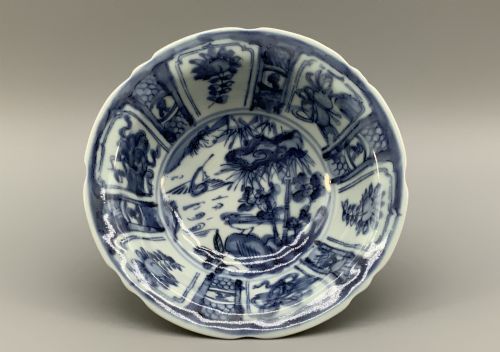
The foundational material across these listings is high-fired porcelain, shaped on the potter's wheel or in moulds to create plates, chargers, and bowls. Cobalt underglaze was applied before firing to achieve deep blue designs, while other wares utilised overglaze enamels such as Famille Rose and Famille Verte pigments.
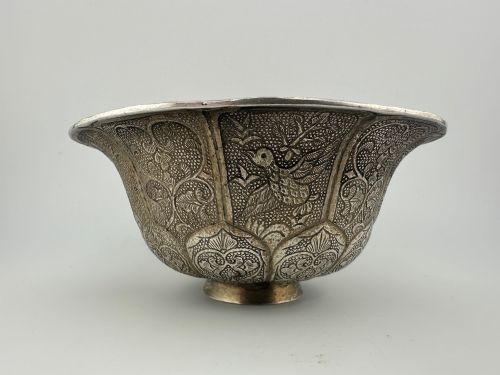
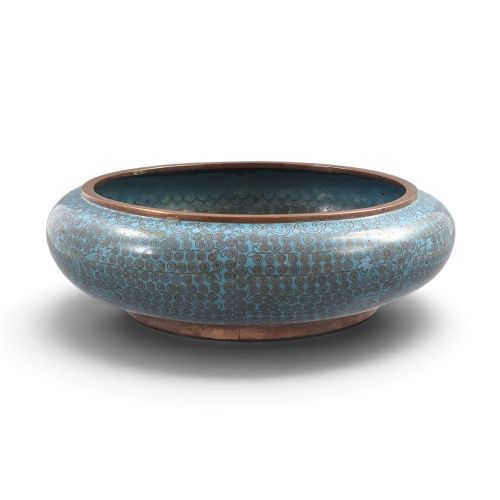
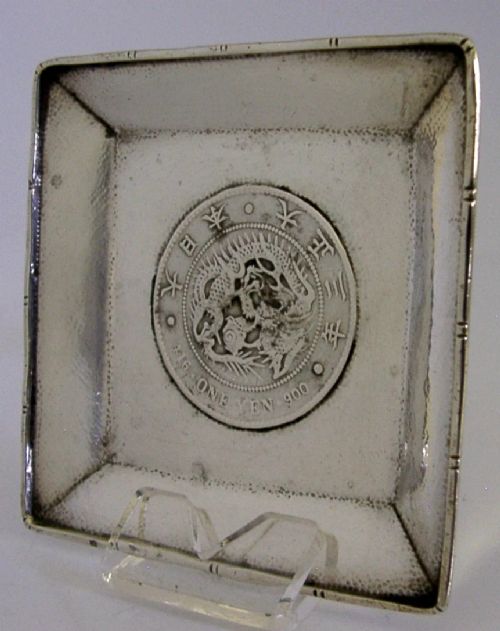
Advanced metalworking and alternative substrates also appear, with artisans employing white metal, sterling silver, copper, and cloisonné enamel for specialised vessels like scholar's brush washers and coin dishes. Guilds and imperial workshops additionally incorporated gold leaf and iron-red pigments to enhance surface detail on select dishes.
Qing Dynasty Dish Retail Price Guide 2026
Typical asking prices for qing dynasty dish among the pieces listed under this phrase on Sellingantiques today, from the lower quarter to the upper quarter. They describe what is for sale here now, not the wider market.
Shamrock shapes and coin-inset dishes reveal the playful side of global trade between Qing dynasty kilns and foreign markets.
Distinctions in craftsmanship
Quality in a qing dynasty dish rests heavily on the precision of the hand-painted decoration and the purity of the porcelain body. Pieces featuring crisp, meticulously detailed cobalt underglaze or finely layered enamel brushwork stand apart from simpler commercial wares.
The presence of accurate imperial reign marks, balanced proportions, and well-preserved glaze surfaces without heavy firing distortion indicate superior workshop output. The ambition of the form, from standard circular plates to complex reticulated chestnut baskets and chamfered squares, further defines the tier of the piece.
The Qing Dynasty Dish Glossary
- Famille Rose
- A major palette of opaque overglaze enamels introduced in the eighteenth century, dominated by pink and rose colours. This technique allowed artists to achieve delicate tonal gradations on porcelain surfaces.
- Kangxi Period
- The era spanning the reign of the Kangxi Emperor, known for exceptional blue and white porcelain and vibrant Imari export wares. Pieces from this time often display brilliant cobalt tones and refined potting.
- Celadon
- A term for pottery denoting both wares glazed in jade green and the specific translucent green glaze itself. Longquan celadons feature thick, jade-like surfaces applied over heavy porcelain bodies.
- Imari
- A style of ceramic decoration featuring iron-red, cobalt blue, and gilt highlights, inspired by Japanese porcelain but extensively produced in China for export. The palette creates a strong contrasting visual impact.
- Charger
- A large decorative plate or platter used traditionally for serving food or as a display piece on a sideboard. These substantial vessels often showcase the most ambitious painting of their period.
Qing Dynasty Dish: Frequently Asked Questions
How do I date a qing dynasty dish?
Dating relies on examining the style of the painted motifs, the characteristics of the porcelain body, and any reign marks found on the base. Comparing the potting weight and enamel palette to known examples from specific reigns helps narrow down the decade.
While imperial marks provide a starting point, many later pieces also bear earlier marks as a sign of respect. Evaluating the overall wear and glaze maturity offers a clearer picture of age.
What is the difference between export and imperial wares?
Export wares were manufactured specifically for international markets in Europe and the West, often blending Chinese techniques with shapes and motifs requested by foreign buyers. Imperial wares were commissioned directly for the imperial court and adhere strictly to court tastes and standards.
Imperial pieces frequently display specific dragon motifs or official reign marks associated with the ruling emperor. Export items, while finely made, often reflect broader commercial designs suited for Western dining tables.
Can these dishes be used for serving food today?
Most antique porcelain dishes are stable enough for careful handling, but many collectors choose to display them rather than use them for daily dining. Historic glazes and overglaze enamels can be sensitive to modern detergents and abrasive utensils.
Hand washing in lukewarm water with mild soap is recommended if the pieces are used. Structural stability should be assessed individually, especially on items with age-related hairline cracks or repairs.
What do the different enamel colour families mean?
Colour families like Famille Rose and Famille Verte categorize the dominant hues used in the overglaze enamelling process. Famille Verte relies primarily on green tones alongside iron-red and yellow, which became popular during the seventeenth century.
Famille Rose introduced pink and opaque white enamel derived from colloidal gold, allowing for softer pictorial representations. These palettes evolved over successive reigns, helping to anchor pieces within specific decades of production.