
Qing Dynasty Carved Table
A qing dynasty carved table brings traditional joinery, dense dark timbers and sculpted relief work into a room.
Qing Dynasty Carved Table
A qing dynasty carved table covers low coffee surfaces, compact plant stands, tiered nests and altar consoles made across the nineteenth and early twentieth centuries. These pieces reflect traditional forms originating from scholars' studios and domestic interiors in China.
How They Were Made
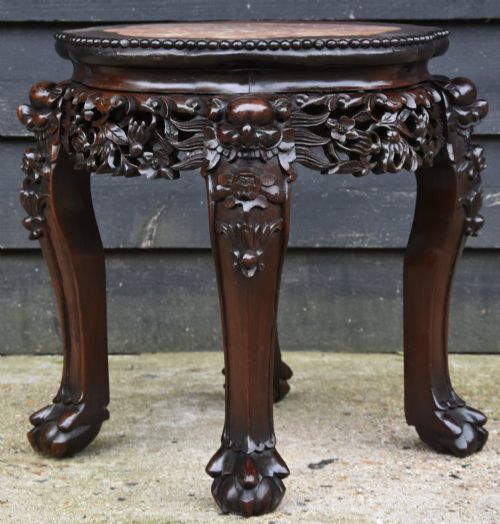
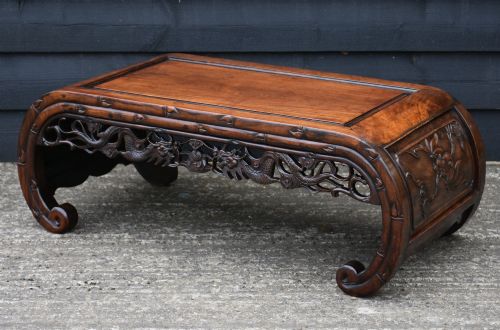
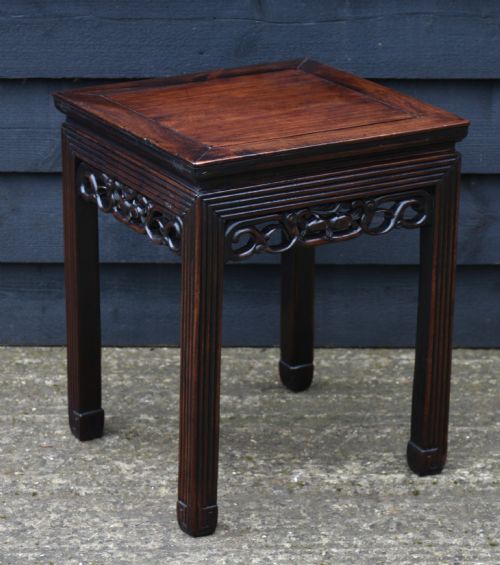
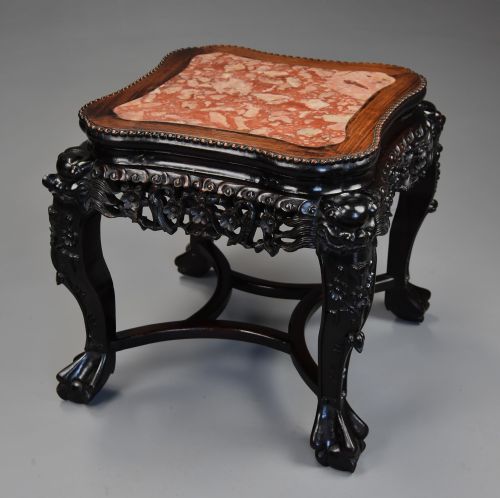
Workshops utilised dense tropical hardwoods including rosewood, huanghuali and hongmu, often combined with elm or timber for internal framing. These durable timbers supported intricate hand-carved relief work depicting dragons, foliage and scroll ends without relying on metal fasteners.
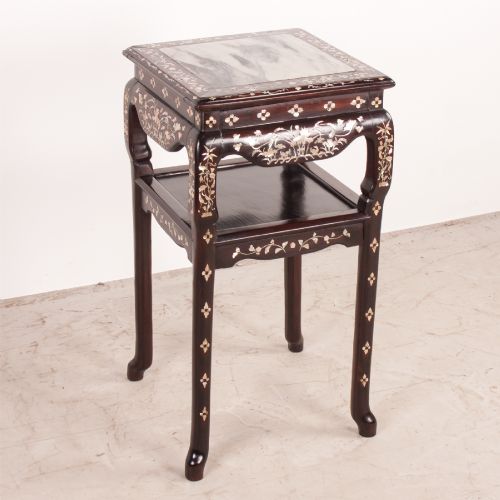
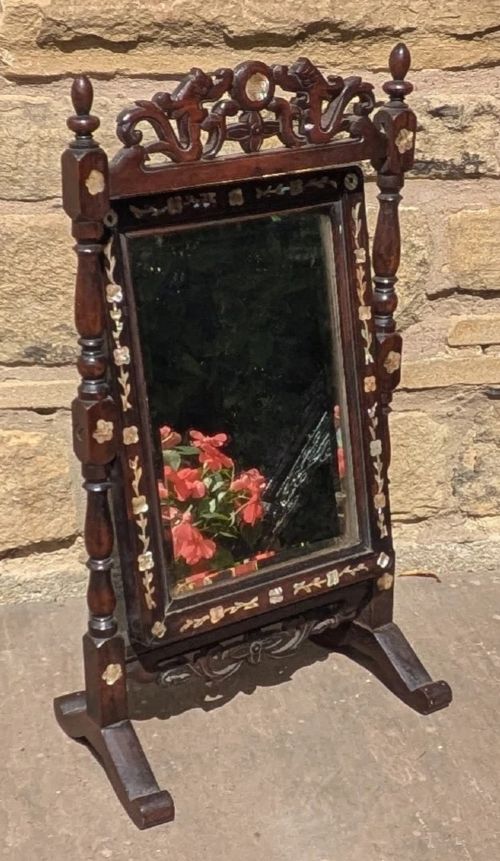
Surfaces frequently incorporated inset panels of variegated rouge or white marble, alongside mother-of-pearl inlay and clear lacquer finishes to highlight the natural grain and colour of the wood.
The archive records numerous nests of four tables alongside low kang tables and tall plant stands.
What Varies in Quality
Construction standards depend upon the precision of traditional joinery and the density of the selected timber, with heavier rosewoods and hongmu commanding greater appreciation. The crispness of the hand-carving and the integration of inset marble or mother-of-pearl panels dictate the refinement of each piece.
Proportions and stability separate standard utility pieces from exhibition-grade works designed with balanced scroll ends and matched grain patterns across tiered surfaces.
The Qing Dynasty Carved Table Glossary
- Kang table
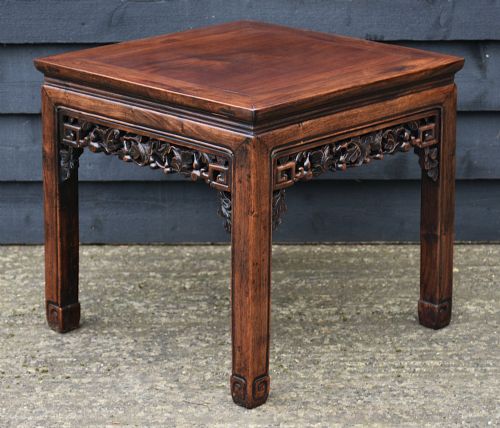
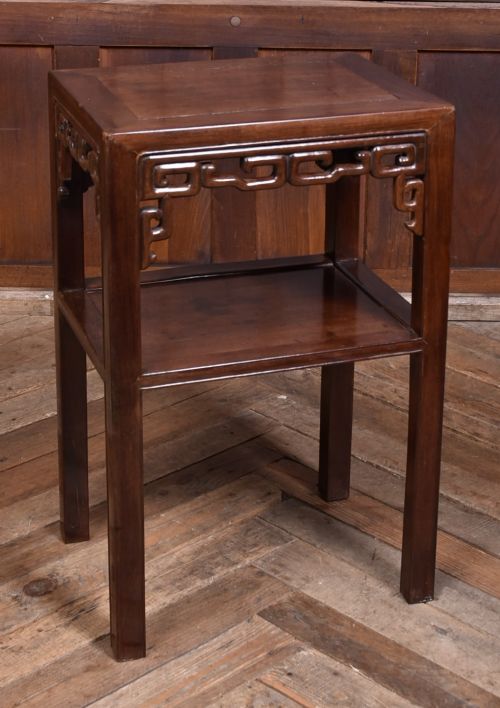
- A low domestic table traditionally used on a heated brick bed in northern China for dining or writing. These surfaces typically feature short legs and subtle scroll-ended aprons.
- Hongmu
- A categorical Chinese term translating to red wood, applied to dense, heavy hardwoods including various species of rosewood. It develops a rich patina over time.
- Quartetto
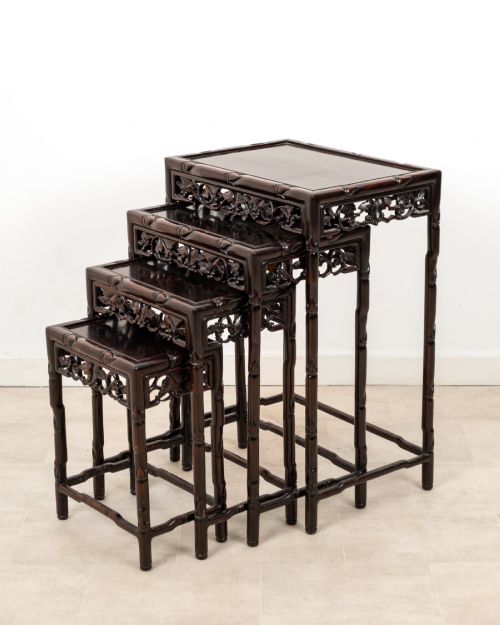
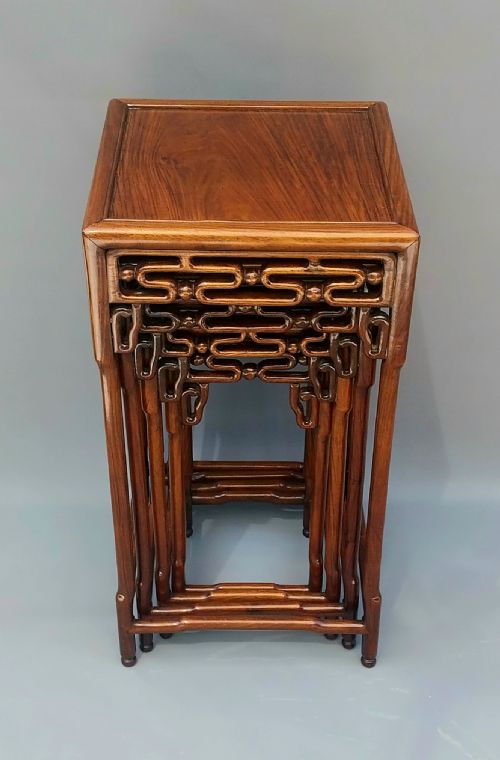
- A matched set of four graduated nesting tables designed to slide neatly beneath one another. They appear frequently in late nineteenth-century export inventories.
- Jardiniere stand
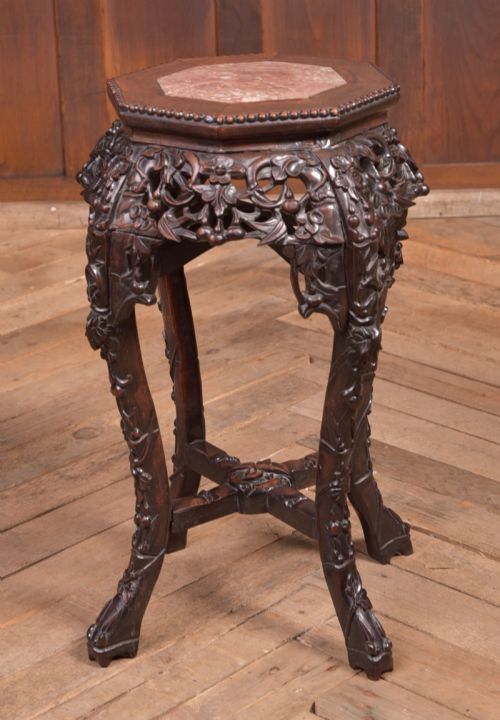
- A tall, slender pedestal or table created to elevate potted plants, flower bowls or bronze vessels. Tops are frequently shaped to match round or octagonal marble panels.
- Altar table
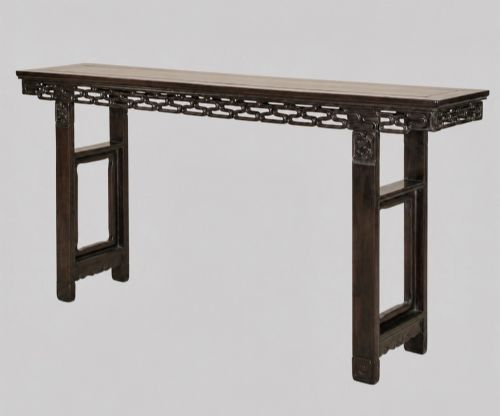
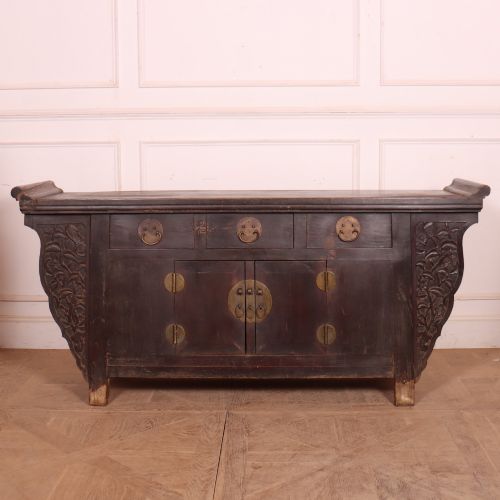
- A long, rectangular console table featuring high-relief carvings and upturned flange ends, historically placed against a wall for ceremonial displays.
Qing Dynasty Carved Table: Frequently Asked Questions
What is a kang table used for?
A kang table serves as a low surface originally placed on a heated masonry platform for tea, reading or dining. In modern interiors, they function well as compact coffee tables.
Their modest height and detailed aprons allow them to sit comfortably beside low seating without dominating the room.
How do I identify rosewood on these tables?
Rosewood, or hongmu, appears as a heavy, close-grained timber with deep brown and red tones. The material feels notably dense and cold to the touch.
Over decades of handling, the wood develops a warm, lustrous finish that highlights the natural grain beneath carved dragon motifs.
Why do some tables have marble inserts?
Marble panels provide a cool, smooth surface resistant to moisture from teapots, vases and potted plants. Rouge or white veined stone offered a decorative contrast to the dark surrounding timber.
These inserts sit flush within the wooden frame, secured by traditional joinery without modern adhesives.
What distinguishes a nest of tables?
A nest comprises four graduated tables designed to slide together into the footprint of the largest single piece. They were produced extensively for export and domestic use in the late nineteenth century.
Each smaller table fits beneath the next, offering flexible surface space for lamps or drinks while conserving floor area.