




Antique Chinese Dragon Desk
These antique chinese dragon desk pieces combine heavy hardwood construction with intricate mythological carving, offering both functional workspace and striking nineteenth-century craftsmanship.
Antique Chinese Dragon Desk
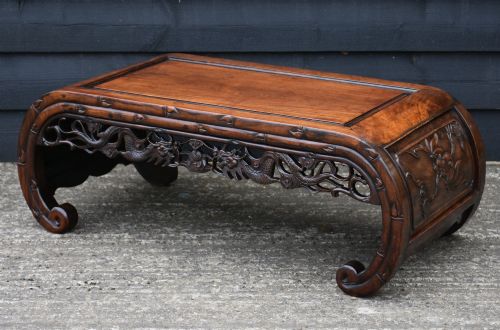
When you search for an antique chinese dragon desk, you are looking for solid timber writing furniture embellished with carved serpentine motifs. The examples appearing on this page typically date from the nineteenth century, including pieces produced during the Victorian and Edwardian eras as well as the Qing dynasty.
Most entries showcase dense timbers such as rosewood and elm rather than lighter domestic woods. These items range from dedicated writing tables to low tables and centre tables incorporating traditional regional joinery.
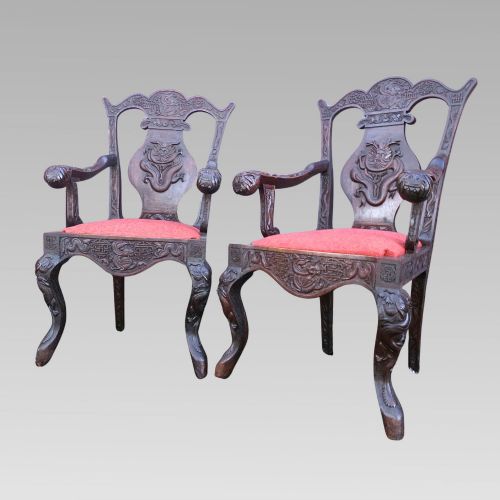
Dragon details appear not only on flat writing surfaces and friezes but also across related scholar's items and seating found within the same category. Buyers frequently encounter pieces created for Chinese export alongside domestic forms adapted for Western interiors.
Judging quality in dragon furniture
The distinction between ordinary and superior pieces rests upon the crispness and depth of the carving. Master carvers rendered dragon scales and claws with three-dimensional vigour, whereas lesser examples rely on shallow, summary incision.
Proportion and timber selection equally determine merit. Superior furniture employs well-figured rosewood with tight, stable joints built to withstand centuries of use without relying on excessive modern reinforcement.
Listings feature items spanning the eighteenth century, nineteenth century, Victorian era, Edwardian period, and Qing dynasty.
The Antique Chinese Dragon Desk Glossary
- Chinese Export
- Items manufactured in China specifically for Western markets and buyers. These objects frequently blend traditional Eastern motifs with European furniture forms.
- Qing Dynasty
- The final imperial dynasty of China, lasting from the seventeenth century until the early twentieth century. Much of the carved hardwood furniture on this market originates from this extended period of production.
- Hardwood
- Dense, slow-growing timber obtained from broad-leaved deciduous trees such as rosewood or elm. These materials resist warping and take a high polish suitable for intricate carving.
- Chinoiserie
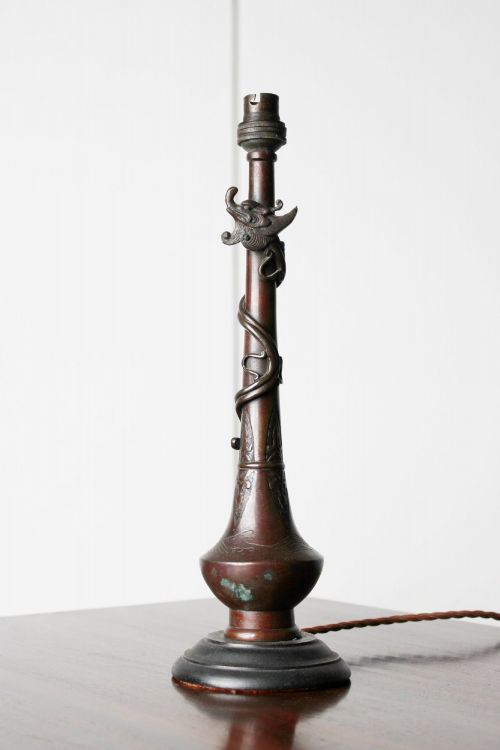
- European artistic style reflecting Chinese motifs and decorative techniques. This aesthetic influenced various nineteenth-century lamps and furnishings produced in the West.
- Scholar's Carving
- Small-scale decorative or functional objects created for the traditional Chinese literati. Items such as soapstone seals and brush washers reflect refined scholarly pursuits.
Antique Chinese Dragon Desk: Frequently Asked Questions
How do I date a Chinese carved desk?
Examine the timber shrinkage, tool marks left by hand chisels, and the style of the joinery beneath the writing surface. Nineteenth-century pieces generally show traditional mortise and tenon construction executed in dense rosewood or elm without modern metal fasteners.
Compare the wear patterns around the drawers and edges with dated comparative examples from the Victorian or Qing periods. Consistent patination across the carved dragon motifs helps confirm genuine age.
Are these desks suitable for daily use?
Solid hardwood writing furniture remains robust enough for contemporary office work when treated with appropriate care. The dense timbers used in these pieces withstand regular typing and writing provided the joints remain stable.
Protect the polished wooden surface from direct sunlight and moisture rings using appropriate desk pads. Regular dusting with a dry cloth preserves the hand-carved details without harming the finish.
What is a chi dragon?
A chi dragon is a traditional mythical serpent depicted with a stylized, unbranched tail rather than conventional claws. Artisans frequently carved this auspicious creature onto scholar's objects, seals, and furniture friezes.
This specific dragon motif carries ancient symbolism associated with renewal and protection. Its fluid, serpentine body suited the curved corners and borders of carved hardwood objects.
How do I maintain rosewood furniture?
Keep rosewood tables away from extreme temperature fluctuations and radiators to prevent timber splitting. Periodic application of natural wax helps nourish the dense grain and maintain a soft sheen.
Avoid silicone-based sprays that build up residue over time and dull the hand-carved dragon details. Gentle cleaning with a soft, lint-free cloth is sufficient for routine upkeep.