


Hand Carved Oriental Table
A hand carved oriental table brings deep regional character and intricate woodwork into a room, spanning nineteenth-century forms and early twentieth-century designs.
Hand Carved Oriental Table
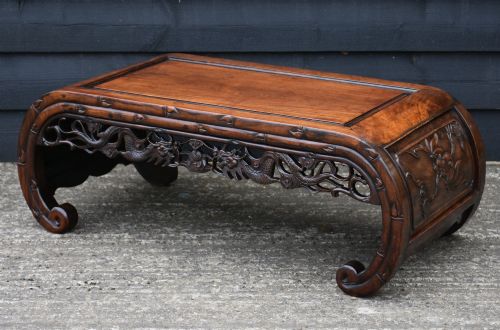
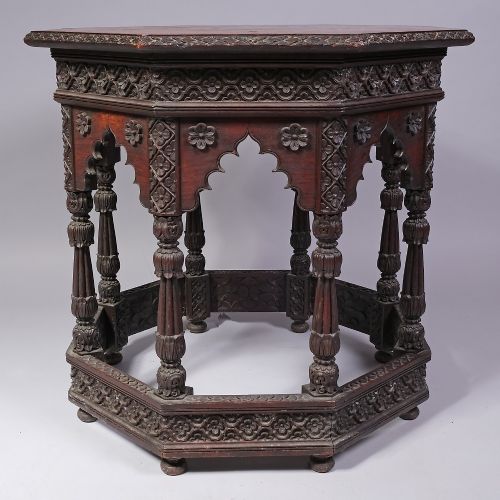
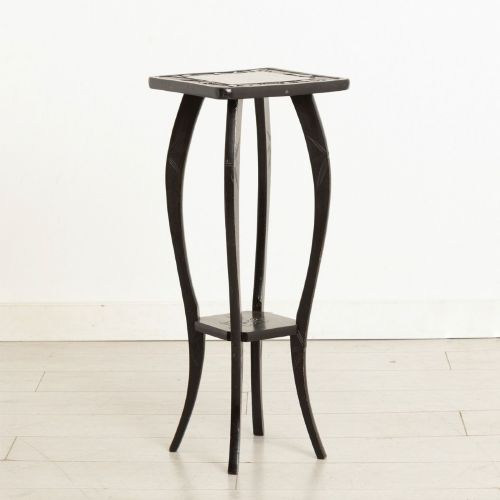
A hand carved oriental table encompasses diverse occasional forms, from low opium tables and plant stands to octagonal and nesting tables. Buyers searching for a hand carved oriental table encounter varied regional expressions originating from China, India, Burma, and Japan.
How they were made
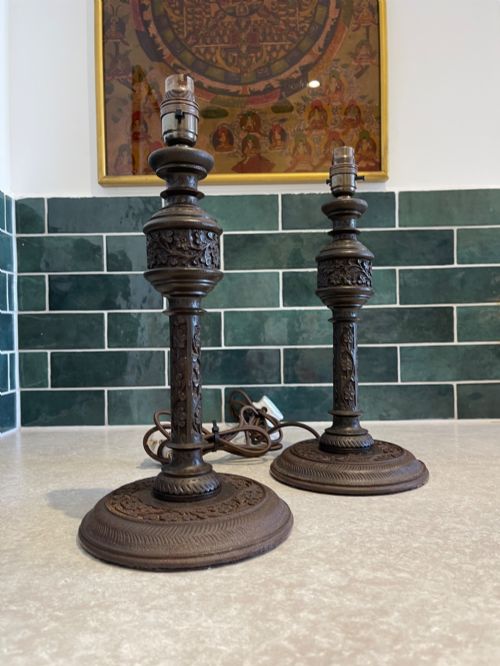
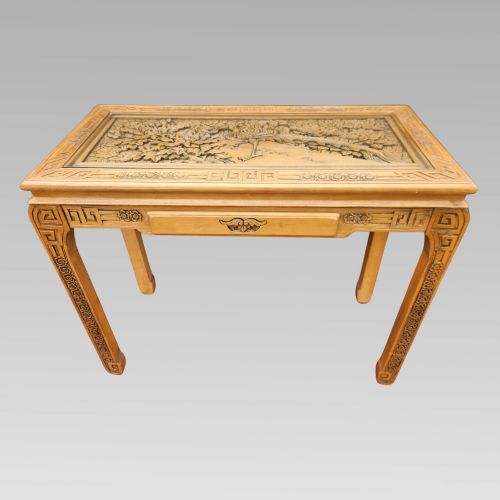
Artisans utilised dense timbers including teak, rosewood, and general hardwood to construct these tables. Skilled carvers applied deep relief work directly into the wood, incorporating motifs of dragons, elephants, and intricate foliage.
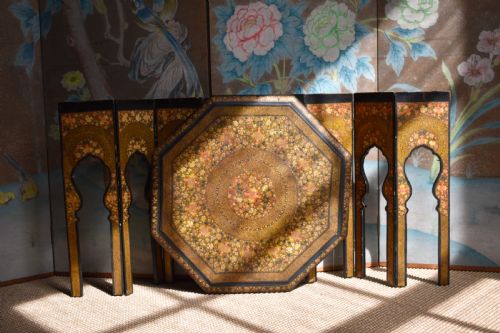
Additional surface treatments involved lacquer, painted decoration, bone inlay, and fitted marble inserts. Copper tops and glass elements also appear on specific regional examples from the nineteenth and early twentieth centuries.
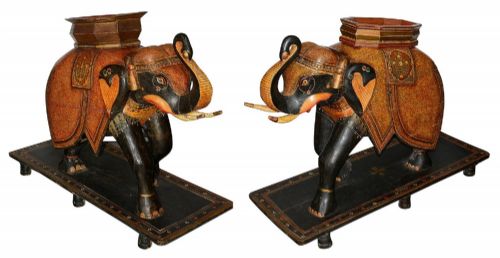
Several tables enlist carved wooden elephants to hold up the top.
What varies in quality
The depth and crispness of the hand carving distinguish finer examples from simpler production. Relief work featuring sharply defined animal details and complex geometric borders demonstrates superior craftsmanship.
The choice of dense timber, such as heavy rosewood or teak, alters the structural integrity and visual weight of a piece. Original surface finishes, whether polished hardwood or intact lacquer, preserve the historical integrity of the furniture.
Liberty of London
The Hand Carved Oriental Table Glossary
- Opium table
- A low table traditionally used in Chinese domestic settings for serving tea or smoking. These pieces sit close to the floor and often feature carved apron details.
- Anglo-Indian
- Furniture made in India by local artisans using traditional techniques adapted to British colonial tastes. These items frequently incorporate dense hardwood and carved elephant motifs.
- Root wood
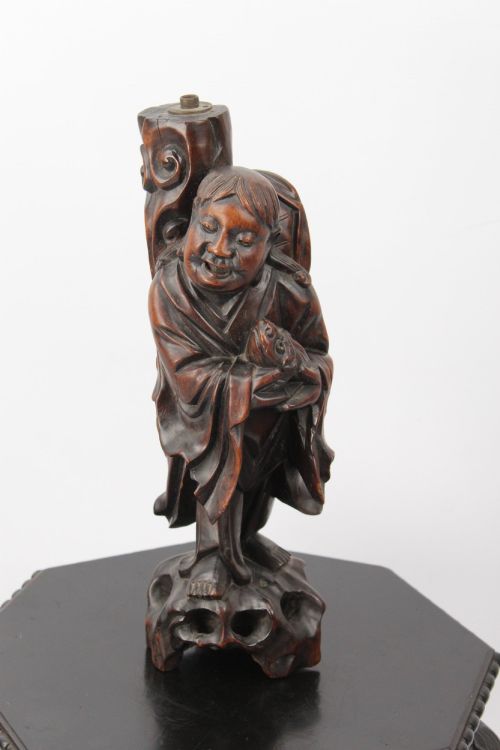
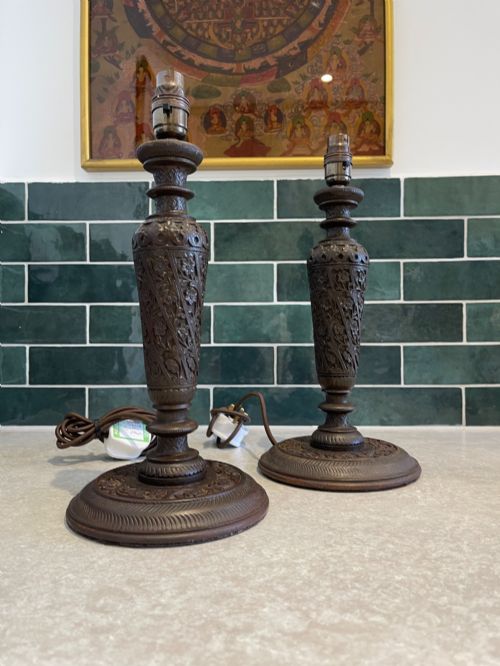
- Timber sourced from the root system of a tree, valued for its twisted, organic grain patterns. Makers utilised these natural forms to create unique table lamps and small stands.
- Chinoiserie
- European decorative styles reflecting Chinese artistic influences. This aesthetic appears on painted and lacquered furniture pieces dating from the nineteenth century.
Hand Carved Oriental Table: Frequently Asked Questions
What periods do these tables date from?
The pieces span from the late nineteenth century through the Victorian era and into the early twentieth century, specifically covering the 1880s to the 1930s.
Most items reflect traditional craftsmanship from distinct Asian regions created during these decades.
Which woods were commonly used?
Artisans utilised durable timbers including teak, rosewood, and general hardwood for structural stability and detailed carving.
Selected items also incorporate organic root wood for specialised decorative forms.
How do I identify Anglo-Indian pieces?
Anglo-Indian furniture typically combines traditional Indian carving techniques with forms familiar to British colonial households of the nineteenth century.
Look for distinctive motifs like carved elephants and dense hardwood construction originating from regions such as Bombay.
What styles appear in the collection?
Styles range from traditional Chinese Qing Dynasty designs and Chinese Export pieces to Anglo-Burmese and Kashmiri painted works.
Chinoiserie and Art Deco influences also emerge in pieces dating towards the 1920s and 1930s.