




Hardwood Centre Table
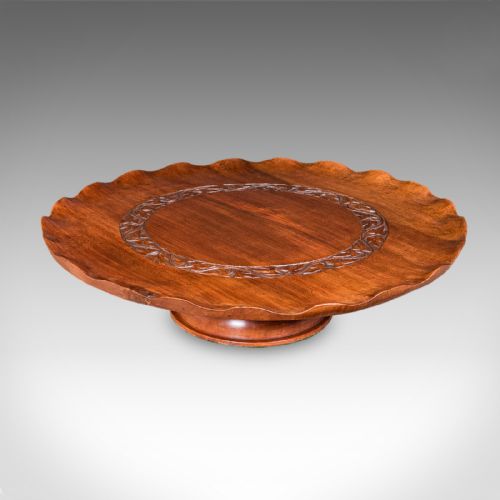
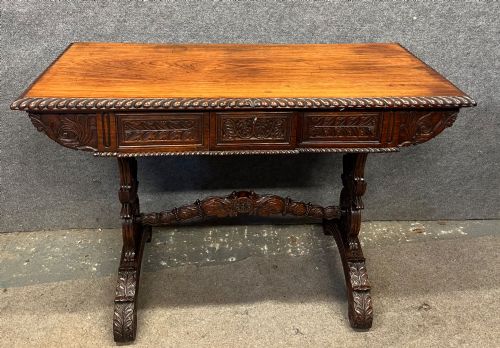
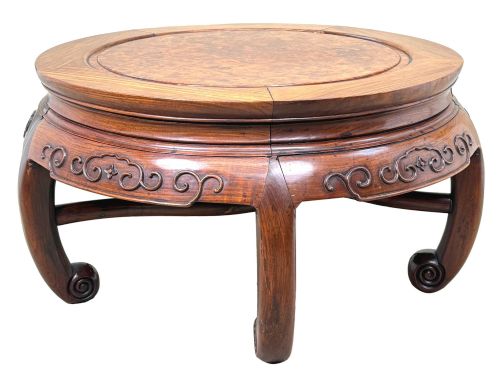
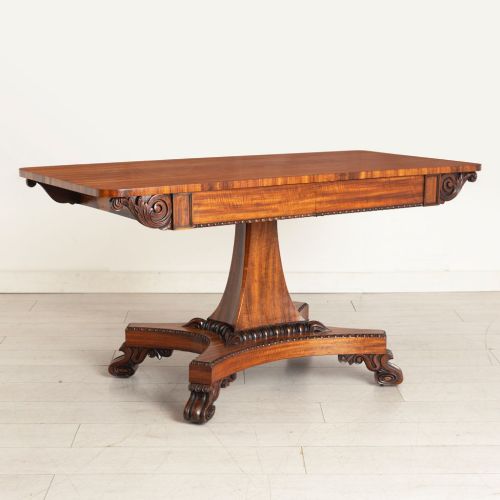
A hardwood centre table anchors a room with dense timber and intricate regional carving, offering a functional island for lamps, books, or display.
Hardwood Centre Table
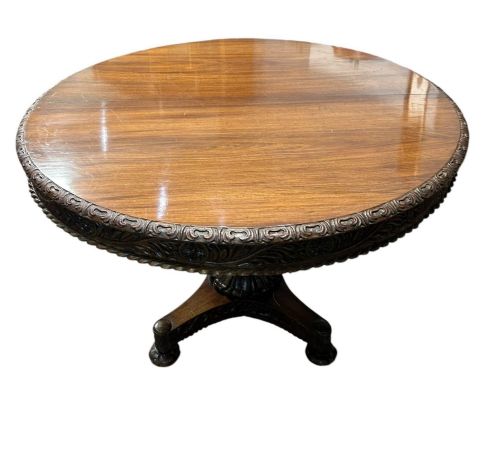
A hardwood centre table is designed to stand free in a room rather than against a wall, presenting carved detail from every angle. When searching for a hardwood centre table, a buyer encounters pieces originating primarily from the nineteenth century, spanning Victorian, Qing Dynasty, and colonial periods.
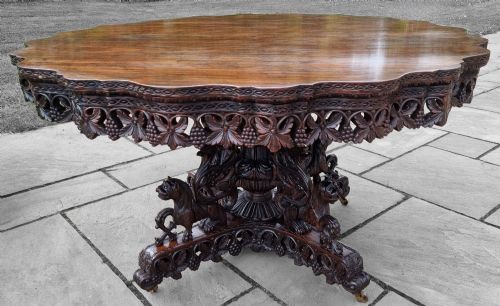
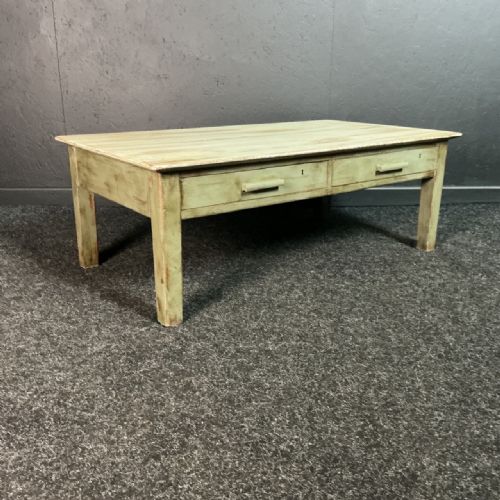
Forms vary widely across the inventory, ranging from circular tilt-top tables and low coffee tables to heavy rectangular and square hall tables. Many examples reflect Anglo-Indian, Chinese, and Burmese workshops, utilising dense timbers suited to elaborate relief work.
The domestic role of these tables shifts between practical serving surfaces and decorative display stands. A buyer meets both polished circular surfaces intended for central placement and rectangular forms adapted for side or console use.
Materials and Construction
Makers utilised dense exotic timbers including padouk, teak, and rosewood, selected for their stability and dark grain. These heavy hardwoods permitted deep, undercutting relief carving without compromising structural integrity.
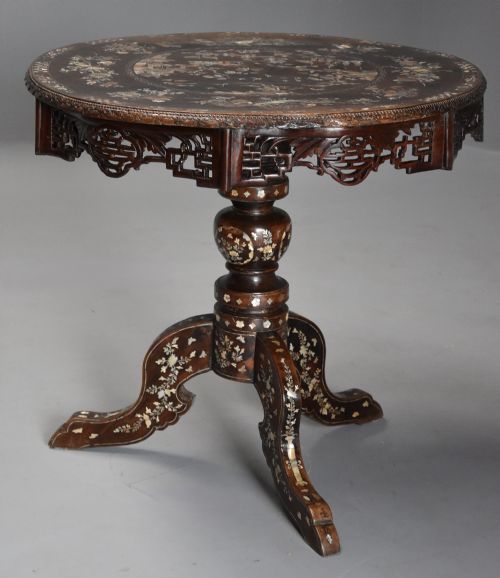
Surface decoration frequently incorporated contrasting inlays such as mother-of-pearl, bone, and cloisonné enamel panels. Certain tables integrated inset marble tops, particularly rouge marble, providing a cool, hardwearing central plate within the carved wooden frame.
Hardwood Centre Table Retail Price Guide 2026
Typical asking prices for hardwood centre table among the pieces listed under this phrase on Sellingantiques today, from the lower quarter to the upper quarter. They describe what is for sale here now, not the wider market.
Several tables rely on carved wooden elephants to hold up the top.
Quality and Craftsmanship
Quality rests in the crispness and depth of the hand-carved ornamentation, where crisp undercut foliage and distinct animal or dragon motifs distinguish superior work from shallow stamping. The precision with which inset marble or mother-of-pearl sits flush with the surrounding timber also separates finer production from routine output.
Structural honesty defines the better pieces, such as free-standing frames that remain rigid without excessive modern bracing. The choice of dense timber, whether heavily figured padouk or dark ebonised hardwood, dictates the tactile weight and enduring stability of the table.
The Hardwood Centre Table Glossary
- Tilt-top table
- A table with a mechanism allowing the circular top to pivot vertically when not in use. This clever design saved floor space in nineteenth-century drawing rooms.
- Padouk
- A heavy, durable tropical hardwood with a rich reddish-brown colour. Cabinet makers prized it for its resistance to woodworm and ability to hold fine carved detail.
- Cloisonné
- An ancient technique for decorating metalwork objects with coloured glass-paste separated by strips of metal. In table tops, these enamelled panels formed smooth, colourful central inserts.
Hardwood Centre Table: Frequently Asked Questions
Where should I place a centre table?
A centre table belongs in the middle of a room where it can be approached from all sides. It functions well beneath a central pendant light or as a landing space in a large hallway.
Ensure there is sufficient clearance around the perimeter for movement. These freestanding pieces lose visual impact when pushed flat against a wall.
How do I clean carved hardwood?
Dust intricate carvings regularly using a soft-bristled brush to prevent dirt accumulation in the recesses. Avoid heavy liquid polishes that build up within the carved channels over time.
Apply a microcrystalline wax sparingly once or twice a year to nourish the timber. Buff gently with a dry cloth to maintain a natural, low-sheen finish.
Can I use a tilt-top table flat?
Yes, the pivoting mechanism locks horizontally to function as a stable surface for lamps and objects. The catch beneath the top secures the platform firmly in place.
Release the catch only when moving the table or storing it against a wall. The tilt feature was originally intended to clear floor space when the room was empty.
How do I identify nineteenth century work?
Examine the underside and joints for hand-cut joinery marks and tool signatures consistent with nineteenth-century workshop methods. Dense timbers like teak and padouk often exhibit a dry, mature patina developed over generations of handling.
Look for regional stylistic clues, such as Anglo-Indian foliage or Qing Dynasty dragon motifs. The weight and density of the solid hardwood provide further confirmation of period manufacture.