


Chinese Scholar Table
A chinese scholar table brings the refined craftsmanship of the literati studio into your home, offering a functional surface steeped in history.
Chinese Scholar Table
When you search for a chinese scholar table, you are looking at items designed for the traditional studio of a scholar-official, including low desks, centre tables, and stands. These pieces served as the workspace for writing, painting, and contemplation.
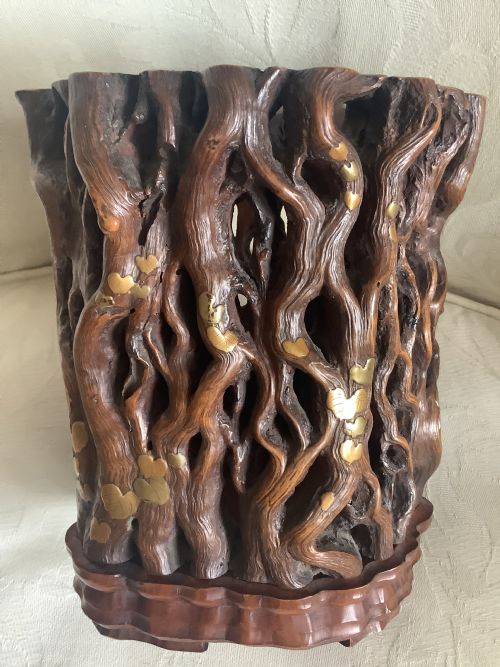
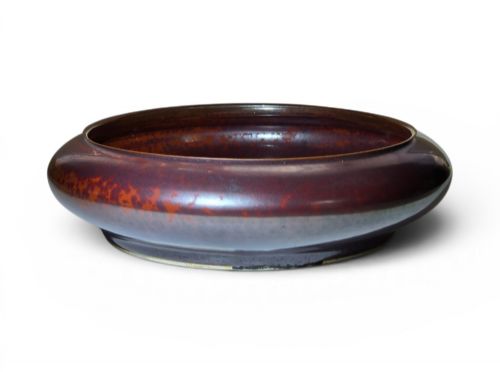
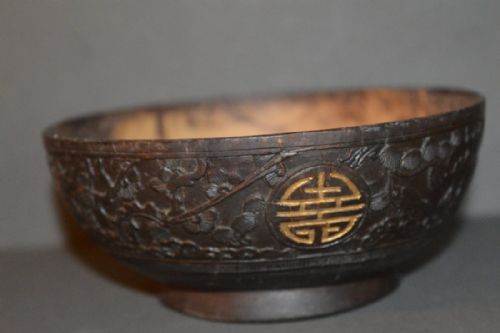
The selections available here span from the 17th century through the late 19th century, frequently associated with the Qing dynasty. Alongside actual tables and desks, the category often encompasses related scholar's studio objects such as brush pots, brush washers, incense burners, and table screens.
Hardwood is a dominant material found in these items, often presented alongside elm, bamboo, and root wood. Many pieces incorporate inset marble panels or intricate carved details that reflect traditional Chinese aesthetics.
How they were made
The construction relies heavily on dense hardwoods, bamboo, and elm, manipulated through traditional joinery and detailed carving. Craftsmen utilised natural materials like marble inserts, brass accents, and lacquer finishes to complete the surfaces.
Ceramic and porcelain elements, such as iron rust glaze and cobalt blue glaze, demonstrate specialised kiln techniques from periods like the Kangxi era. Artisans also worked with specialised media including soapstone, coconut wood, and gilt to produce smaller desk accessories.
Materials recorded across the inventory include hardwood, elm, bamboo, marble, lacquer, soapstone, and various ceramic glazes.
What varies in quality
The distinction between standard examples and the finest pieces rests in the crispness of the carving and the selection of materials. Dense hardwoods like hongmu and well-figured inset marble panels indicate superior craftsmanship.
Proportion and balance define the better tables and desks, where structural integrity meets refined aesthetic detail. Smaller objects show quality through the precision of the carving in bamboo, soapstone, or coconut.
The Chinese Scholar Table Glossary
- Hongmu
- A category of dense, fragrant hardwoods used in traditional Chinese furniture. It translates literally to red wood and is prized for its weight and dark colour.
- Qing Dynasty
- The final imperial dynasty of China, lasting from 1644 until 1912. Pieces from this era often feature elaborate carved decoration and traditional motifs.
- Buxi
- A traditional term for a brush washer, used in calligraphy and painting to clean writing brushes. These vessels appear in various ceramic glazes.
- Blanc de Chine
- A type of white porcelain made at Dehua in Fujian province. It is known for its distinctive milky glaze and smooth texture.
- Table screen
- A decorative panel supported by a stand, placed on a scholar's desk. These screens often feature carved stone or wood panels depicting landscapes or symbols.
Chinese Scholar Table: Frequently Asked Questions
How were these tables used?
Scholars used these tables for studying, calligraphy, painting, and examining antiquities. The surfaces were designed to hold scholarly implements like brush pots, desk seals, and incense burners.
Surrounding oneself with these objects formed an integral part of the literati lifestyle. The tables provided a stable, elegant workspace for creative and scholarly pursuits.
What materials are common?
Hardwoods such as hongmu and elm form the primary structure of the tables and desks. Inset panels of rouge marble frequently provide a smooth, decorative writing surface.
Secondary materials include bamboo, root wood, lacquer, and brass. Studio accessories made of soapstone, porcelain, and coconut also appear within this category.
How do I date a piece?
Dating relies on stylistic markers, construction methods, and materials associated with periods like the Qing dynasty or the 17th to 19th centuries. Specific ceramic techniques, such as Kangxi period glazes, help anchor the age of related vessels.
Wear patterns, the type of wood used, and traditional joinery further inform the period of origin. Comparing the carving style to known dated examples clarifies the timeline.
How do I live with one?
A chinese scholar table functions well as a centre table, desk, or display stand in a modern interior. Placing it in a study or living area highlights its architectural form and detailed woodwork.
Maintain the wood using appropriate traditional methods to preserve the finish. Keep the surface clear to let the grain and inset panels remain visible.