
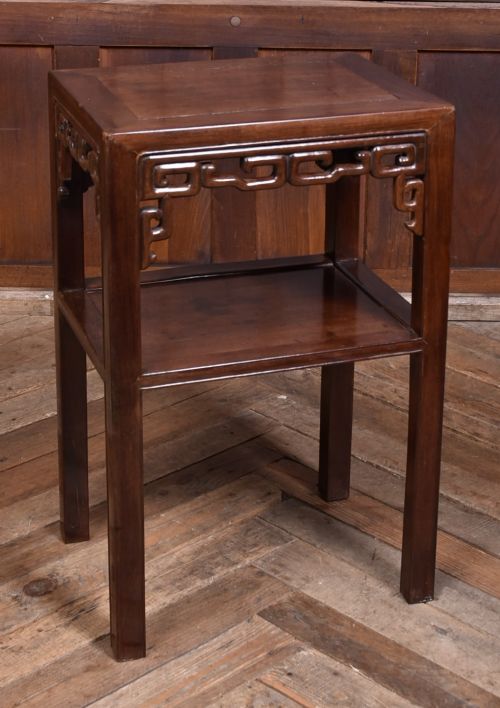
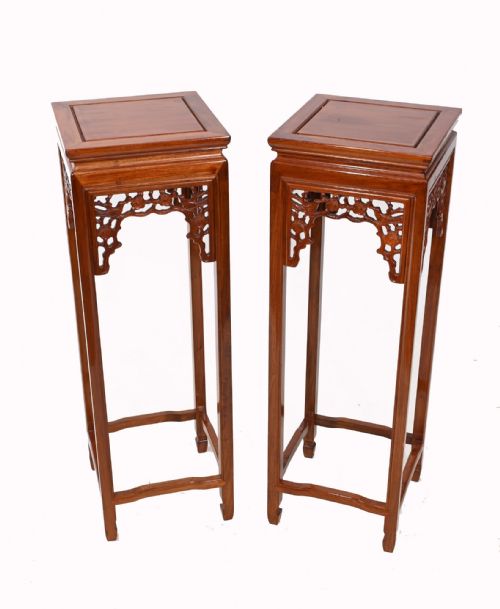


Chinese Square Table
A chinese square table brings substantial timber and balanced proportions into a room, offering a versatile surface rooted in Qing dynasty and traditional forms.
Chinese Square Table
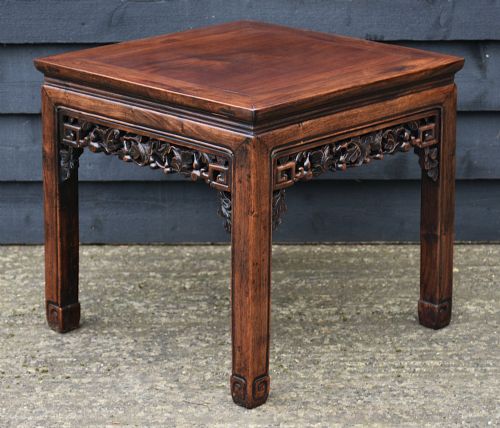
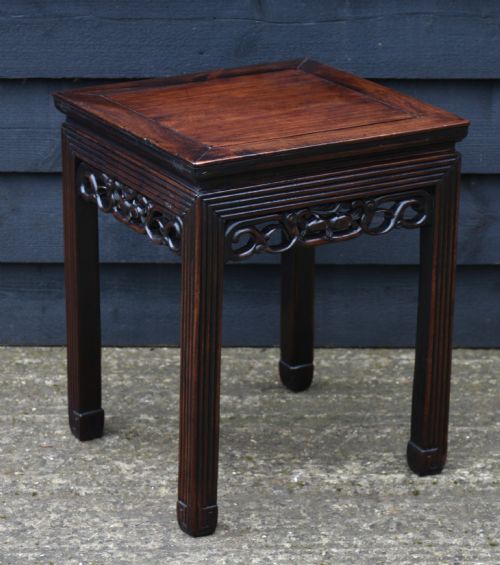
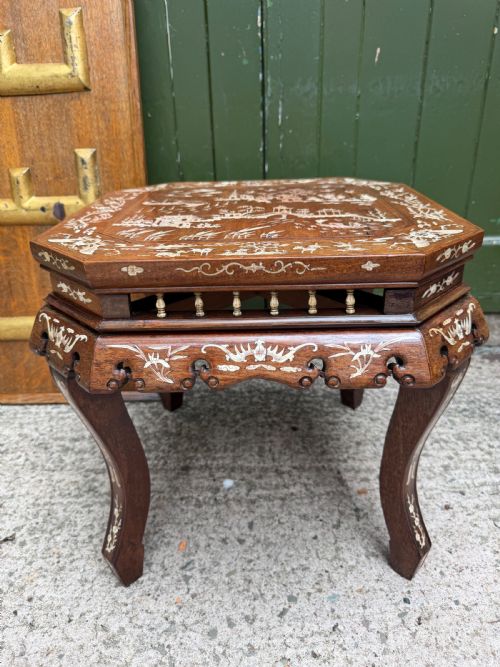
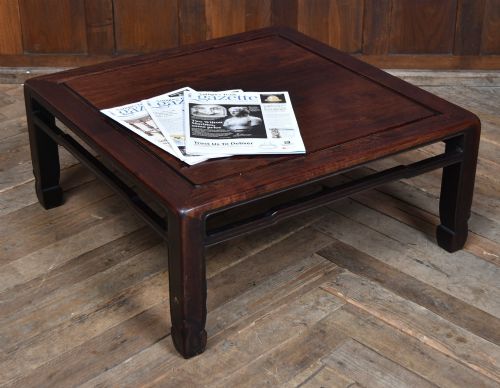
A chinese square table encompasses low tables, coffee tables, centre tables, and plant stands produced across the nineteenth century and into the early twentieth century. Buyers seeking this phrase typically encounter low tables, side tables, and plant stands designed for domestic display and utility.
The forms range from compact vase stands to two-tier occasional tables and substantial marble-topped centre pieces. These objects reflect traditional Chinese woodworking methods adapted for both domestic interiors and export markets.
Materials and Construction
Construction relies on dense tropical timbers such as rosewood, padouk, and hongmu, often shaped into sturdy frames without extensive metal fasteners. These hardwoods provide natural strength and a dark finish that highlights the grain.
Selected examples incorporate inset marble panels within the wooden top, combining smooth stone surfaces with carved wooden surrounds. Brass elements and painted fabric details appear occasionally on specific decorative items.
Several tables moonlight as lamp bases, proving that a solid nineteenth-century plant stand will happily hold an electrical cable.
Assessing Quality and Execution
The distinction between standard pieces and superior examples lies in the crispness of the carving and the selection of the timber. Dense rosewood and hongmu with consistent grain patterns indicate higher grade material.
Joinery execution dictates structural longevity, with precise mortise and tenon connections ensuring stability across low tables and centre tables. Fine execution appears in the balanced proportions and smooth integration of inset marble tops.
The Chinese Square Table Glossary
- Rosewood
- A dense, dark timber prized for furniture making. It accepts a fine polish and shows deep natural grain.
- Padouk
- A heavy exotic hardwood used in traditional furniture. It provides durability and a reddish-brown tone.
- Hongmu
- A categorical term for dense red hardwoods. It translates literally to red wood in Chinese.
- Qing Dynasty
- The final imperial dynasty of China, spanning from 1644 to 1912. Pieces from this era often display traditional carved motifs.
- Centre Table
- A freestanding table intended to be viewed from all sides. These forms occupy prominent positions within a room.
Chinese Square Table: Frequently Asked Questions
How were these tables used originally?
These tables served various domestic functions, acting as surfaces for vases, tea sets, or scholarly objects. Low tables and plant stands elevated decorative items within traditional interiors.
Larger centre tables provided a focal point in principal rooms, while smaller stands accommodated lamps or ornamental porcelain.
What woods should I expect to find?
The primary timbers include rosewood, padouk, and generic oriental hardwoods collectively termed hongmu. These heavy woods were selected for their durability and dark visual character.
Some examples also incorporate marble panels inset directly into the wooden framework.
How do I date a chinese square table?
Dating relies on stylistic indicators linked to the Qing dynasty and the nineteenth century, alongside construction characteristics. Marks of hand tool work and traditional joinery assist in establishing age.
Most surviving pieces originate from the nineteenth century up to the early twentieth century.
Are these tables suitable for modern living rooms?
The compact proportions of low tables and coffee tables make them practical for contemporary seating arrangements. Their balanced square shapes fit easily beside sofas or in corners.
Marble tops and dense hardwoods provide durable surfaces for daily use.