
Antique Asian Table
An antique asian table brings centuries of craftsmanship into a room, offering low forms, nests, and occasional surfaces crafted in dense hardwoods and decorated with lacquer.
Antique Asian Table
An antique asian table spans low opium designs, nesting sets, coffee tables, and occasional stands originating from China and Japan. The pieces frequently date from the nineteenth and early twentieth centuries, reflecting Qing Dynasty traditions and the Meiji period.
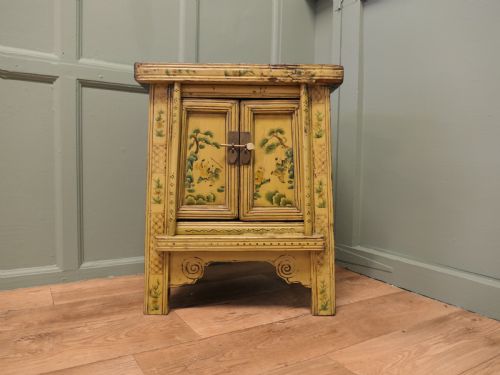
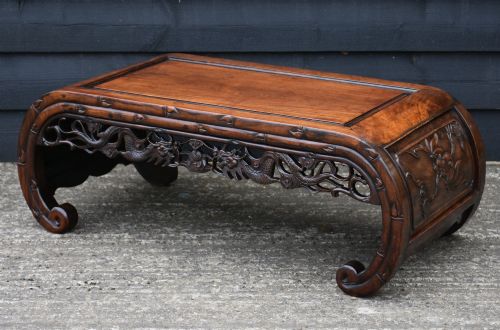
Lower formats dominate the selection, including rosewood low tables and compact tea stands designed for seated or floor-level interiors. Buyers also encounter occasional tables, plant stands, and occasional side furniture utilising traditional joinery.
How they were made
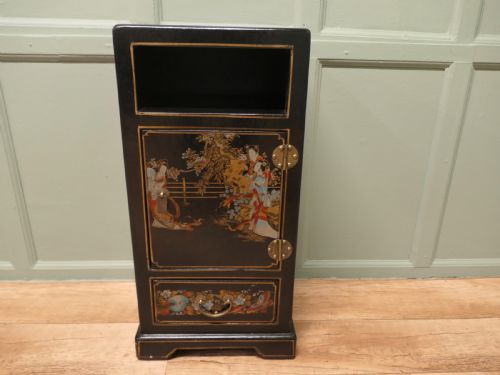
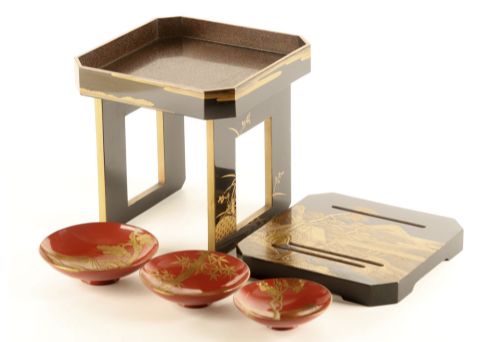
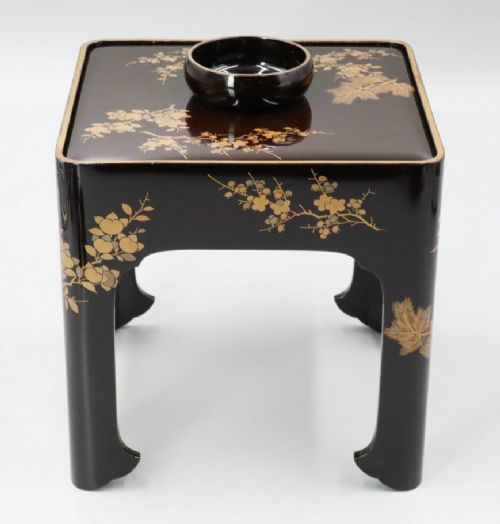
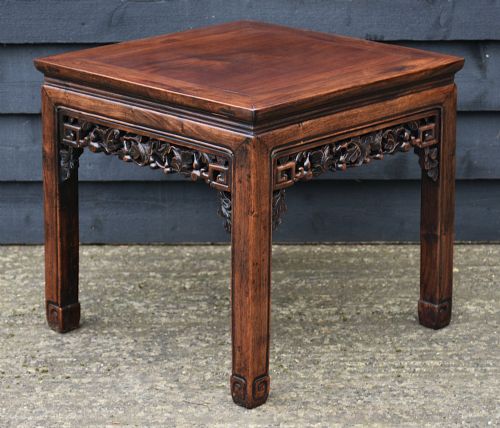
Construction relies heavily on dense hardwoods such as rosewood, padouk, elm, and Hongmu, often shaped without metal nails through intricate interlocking joinery. Artisans applied rich surface treatments including black and red lacquer, gilding, and detailed wood carvings.
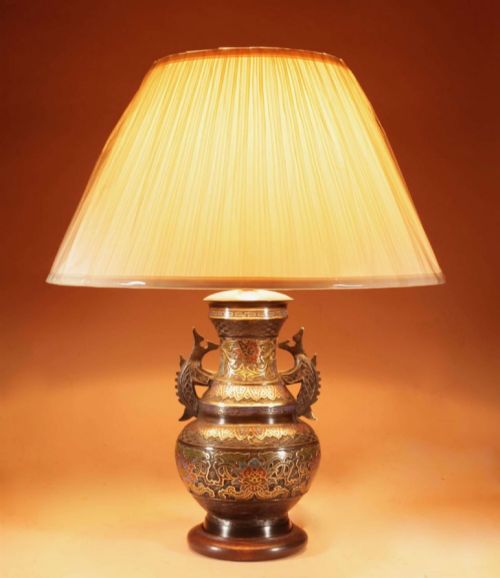
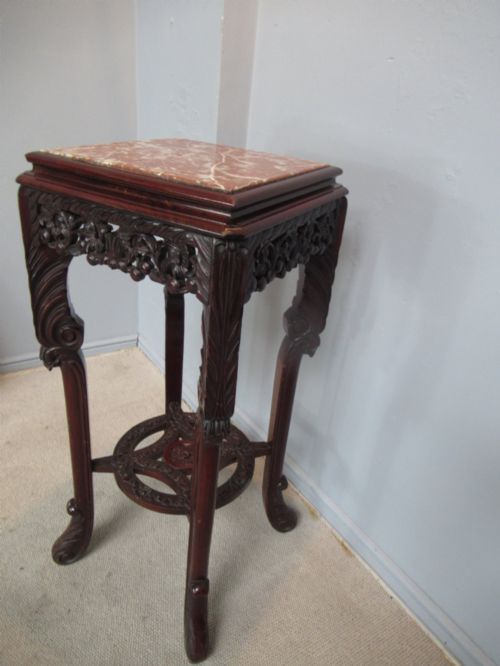
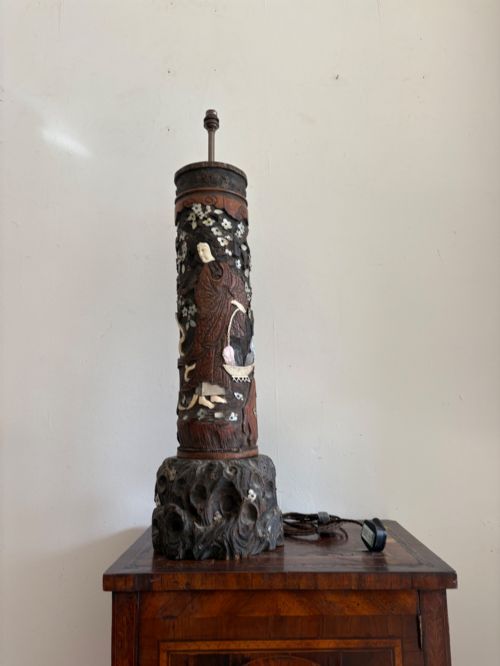
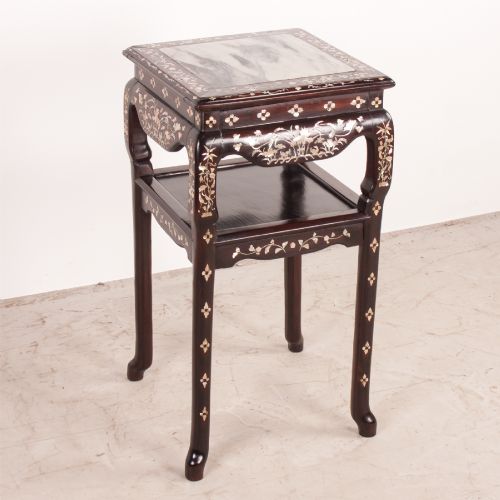
Many examples incorporate contrasting materials, setting marble into table tops or inlaying mother-of-pearl to form floral and geometric motifs. Brass and bronze elements appear as structural mounts, corner brackets, and decorative detailing.
Materials recur across elm, rosewood, padouk, and marble, complemented by lacquer and mother-of-pearl inlay.
What varies in quality
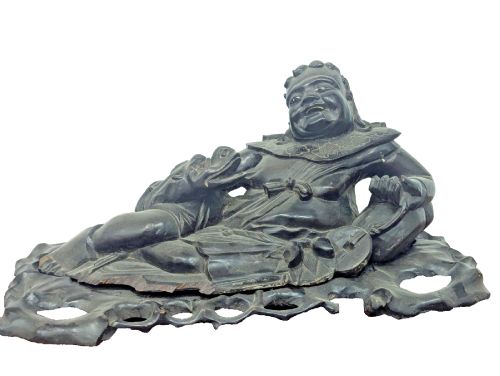
The refinement of the carving separates standard functional furniture from exceptional examples, with deeper undercut reliefs and crisp dragon details indicating superior handwork. The depth and stability of the original timber patina also define the standing of a piece.
The integrity of inlaid mother-of-pearl panels and the smoothness of lacquered finishes dictate the level of craftsmanship. Pieces retaining undisturbed original surfaces command greater appreciation than those with heavy modern intervention.
The Antique Asian Table Glossary
- Opium table
- A low rectangular or square wooden table traditionally used for serving tea or smoking, usually featuring cabriole or recessed legs. These pieces sit close to the floor and often display carved aprons.
- Nest of tables
- A graduated set of four tables designed to slide neatly beneath one another when not in use. This practical form became popular for entertaining in nineteenth-century workshops.
- Chinoiserie
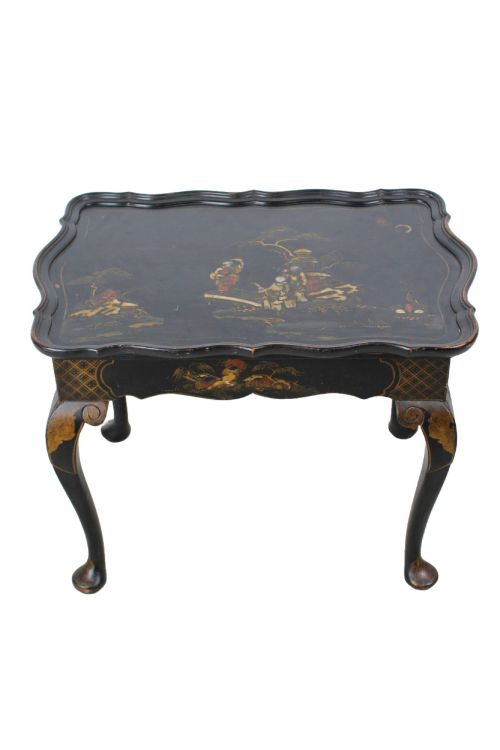
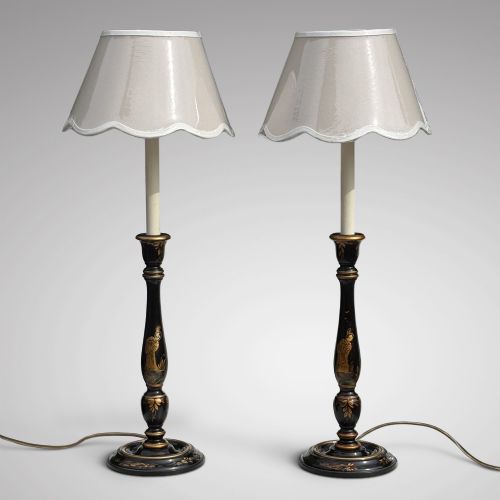
- European artistic interpretation and imitation of Chinese and East Asian artistic traditions. It appears on lacquered tray top coffee tables and cabinets.
- Shibayama
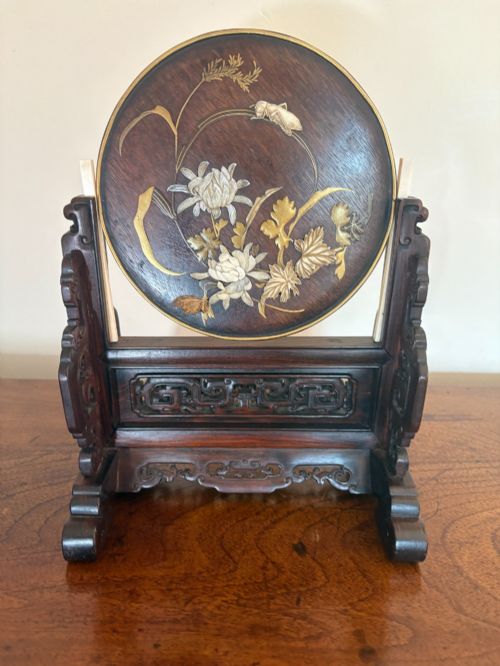
- A Japanese decorative technique using inlaid mother-of-pearl, ivory, tortoiseshell, and metals to create pictorial scenes on screens and small surfaces. It requires extreme precision from specialist artisans.
- Hongmu
- A category of dense, heavy Chinese hardwoods translating to red wood. It encompasses dense timbers prized for dark grain and durability in fine tables.
Antique Asian Table: Frequently Asked Questions
How are antique low tables used today?
These compact surfaces serve as low coffee tables or display stands in contemporary living spaces, positioning decorative objects effectively.
Their reduced height anchors modern seating arrangements while introducing distinct regional character and natural wood grain to a room.
What is a nest of tables?
A nest comprises four graduated tables designed to stack together into the footprint of the largest single piece.
Originating for functional versatility, they provide pull-out surfaces for drinks or books without taking up permanent floor space.
How do you identify Meiji period pieces?
Meiji period items date from eighteen sixty-eight to nineteen twelve, aligning with Japanese openness to international trade and high technical mastery.
They frequently feature bronze mounts, intricate carving, or lacquer work that showcases refined artisanal skill.
What is mother-of-pearl inlay?
Mother-of-pearl inlay involves embedding thin slices of iridescent shell into routed channels within hardwood surfaces.
Craftsmen secure these shimmering fragments to depict floral arrangements, birds, or geometric patterns that contrast with dark timber.