

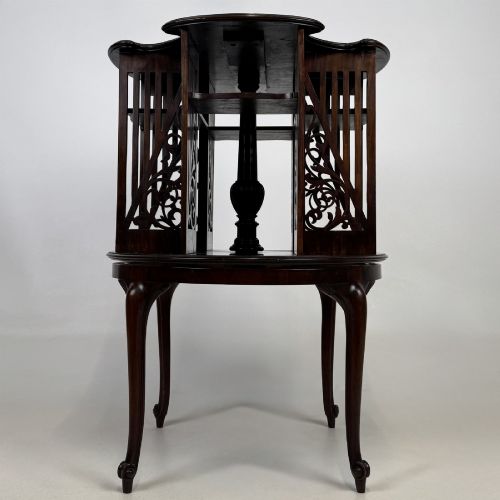

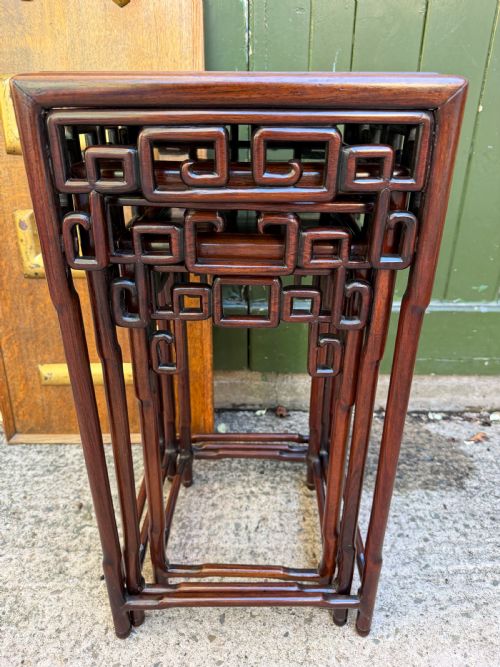
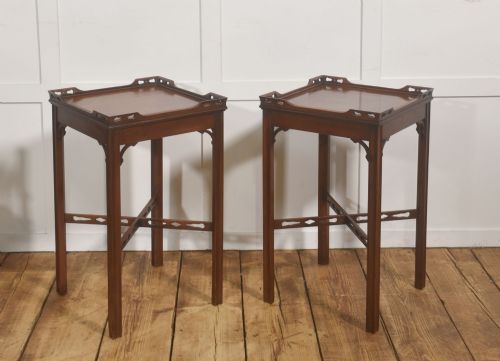
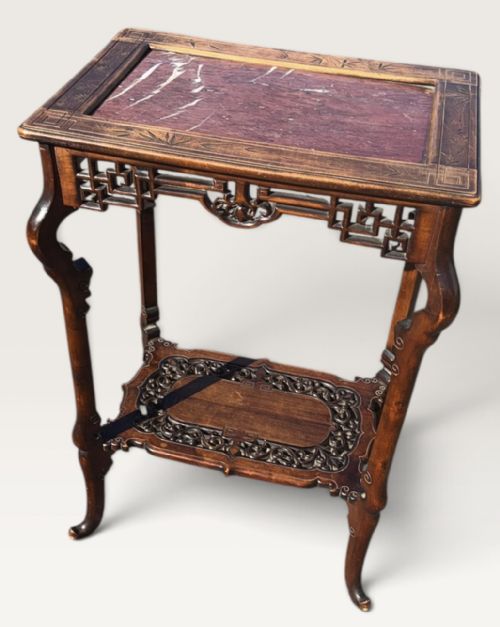
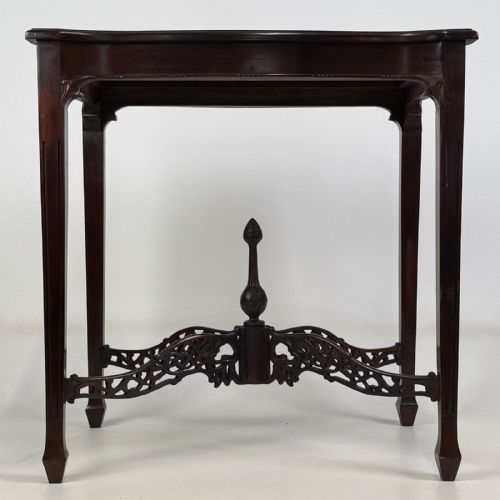
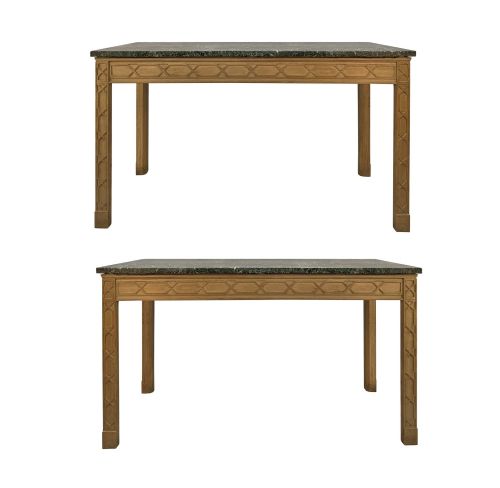
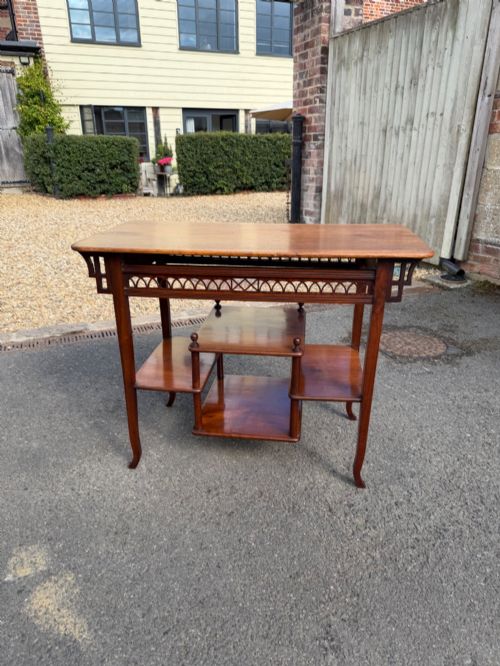
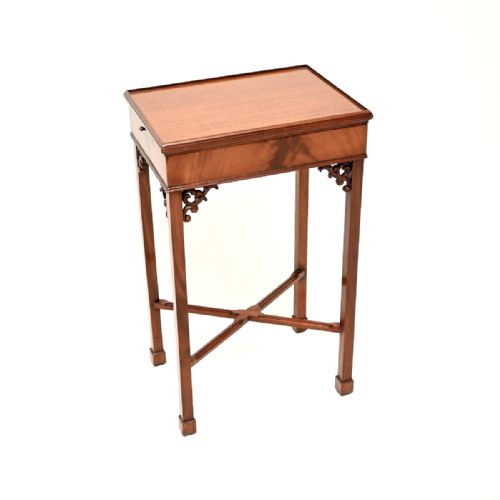

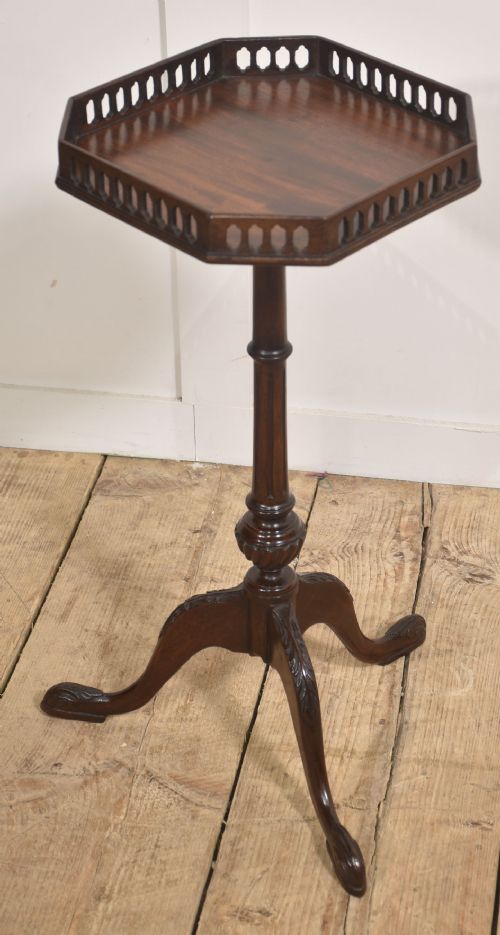
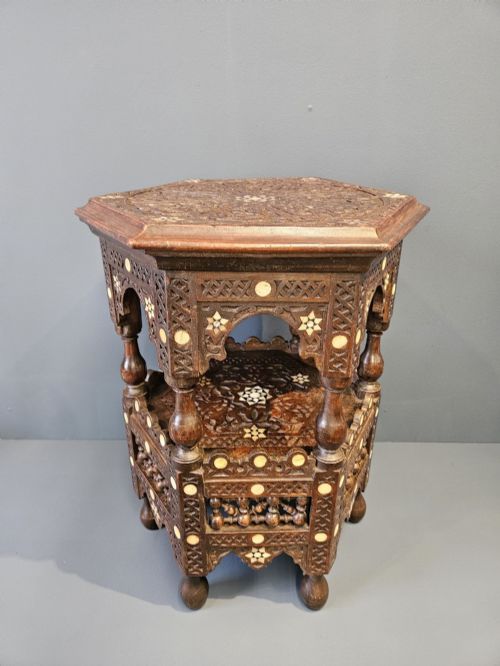
Carved Fretwork Side Table
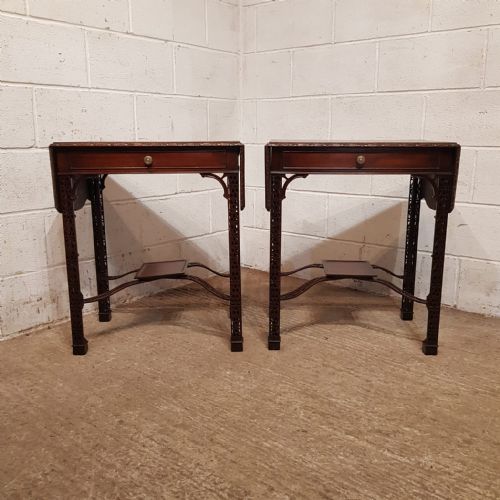
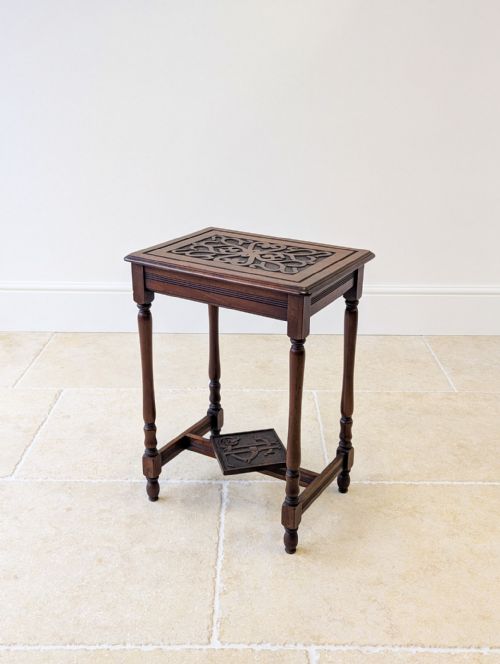
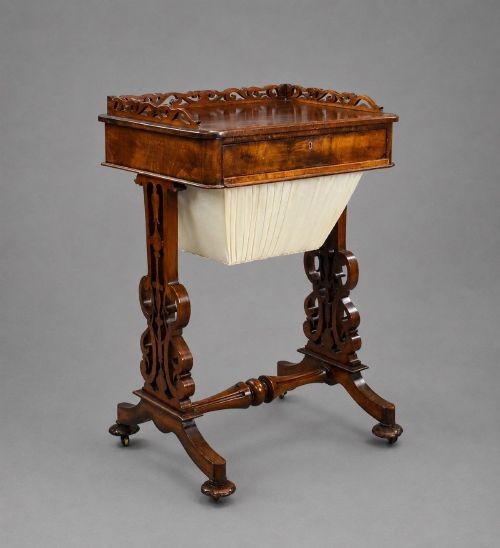
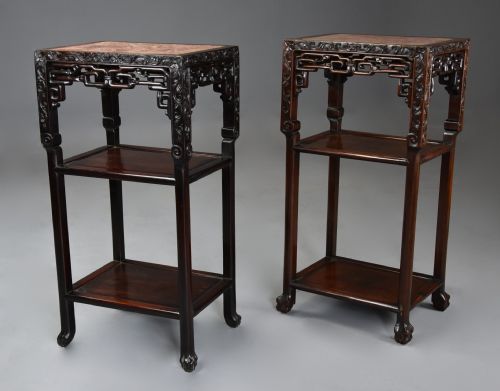
These carved fretwork side table pieces bring intricate joinery and global influences into a room, offering surface space paired with detailed openwork decoration.
Carved Fretwork Side Table
A carved fretwork side table encompasses various occasional, console, and lamp tables originating from the eighteenth century onwards, with Victorian and Edwardian interpretations dominating the selections. Makers drew on diverse aesthetic traditions, producing English Chippendale revival pieces alongside Anglo-Indian and Chinese hardwood examples.
The physical forms range from rectangular centre tables and octagonal lamp stands to drop-leaf and silver tables. Buyers frequently encounter nineteenth-century mahogany and teak iterations utilising traditional piercing and joinery techniques.
Materials and Construction
Workshops relied heavily on dense timbers such as mahogany, teak, walnut, and various exotic hardwoods that could withstand the deep incision of pierced decoration. Burr walnut and rosewood appeared where figured grain added visual depth to surfaces like console and occasional tables.
Craftsmen executed fretwork by piercing timber with fine saws to create geometric or organic open patterns, frequently combining this work with turned supports, brass inlays, or inset marble panels. Joinery techniques such as mortise and tenon secured the structural frames while allowing the decorative aprons and brackets to project.
Carved Fretwork Side Table Retail Price Guide 2026
Typical asking prices for carved fretwork side table among the pieces listed under this phrase on Sellingantiques today, from the lower quarter to the upper quarter. They describe what is for sale here now, not the wider market.
Listings feature woods spanning mahogany, walnut, burr walnut, teak, rosewood, oak, elm, and general hardwoods alongside fabric and brass.
Assessing Workmanship
The calibre of a carved fretwork side table depends on the crispness and depth of the pierced carving, where sharp interior angles and smooth channel bottoms distinguish superior joinery from mechanical or rushed work. Burr figuring in walnut or the density of selected teak and mahogany dictates the base material grade.
Structural integrity also separates individual examples, observable in the tightness of joints and the stability of freestanding frames against lateral movement. Elements such as brass inlay work and inset marble panels reveal the care taken in combining mixed media.
The Carved Fretwork Side Table Glossary
- Fretwork
- Open ornamental woodwork cut with a fretsaw in repeating geometric or scrolling patterns. This technique defines the decorative aprons and galleries seen across various side tables.
- Chippendale Revival
- A late nineteenth and early twentieth-century style imitating the mid-eighteenth-century designs of Thomas Chippendale. Pieces in this manner frequently incorporate elaborate carved fretwork and Chinese motifs.
- Anglo-Indian
- Furniture produced in India during the British colonial period, often for export to Britain. These items typically feature dense teak or rosewood carved with intricate floral and geometric motifs.
- Occasional Table
- A small, versatile table intended for flexible placement within a room rather than a fixed dining or desk arrangement. They appear frequently in walnut, mahogany, and oak across Victorian and Edwardian listings.
- Silver Table
- A raised-edge display table historically utilised for serving tea or displaying silver items. The form often incorporates pierced galleries and elaborate leg carving.
Carved Fretwork Side Table: Frequently Asked Questions
Where should I place a carved fretwork side table?
These pieces function well in reception rooms or hallways where their pierced aprons and detailed legs remain visible from multiple angles. Positioning them away from direct heat sources protects the dry timber and intricate joinery.
Smaller octagonal or lamp tables adapt easily beside seating, while rectangular console variants suit wall placement beneath mirrors or artwork.
How do I distinguish Chippendale revival from earlier periods?
Chippendale revival examples display machine-sawn consistency and twentieth-century timber conditioning despite adopting eighteenth-century motifs. Genuine eighteenth-century pieces reveal hand-cut tool marks and timber shrinkage characteristic of age.
Examining the underside and interior joints often clarifies the manufacturing era through visible construction methods.
What maintenance do these tables require?
Routine care involves dusting the pierced fretwork with a soft brush to prevent accumulation within the intricate recesses. Regular application of suitable furniture wax maintains the finish without building up heavy residues.
Avoiding excessive moisture protects both the timber joints and any delicate brass or marble elements integrated into the top.
How did Anglo-Indian pieces differ from English styles?
Anglo-Indian workshop production utilised indigenous timbers like teak and rosewood, carved entirely with dense regional flora and fauna motifs. British makers concentrated on classical proportions derived from European design books.
Regional Indian construction also favoured specific forms, such as octagonal folding tables and heavily pierced plant stands.