

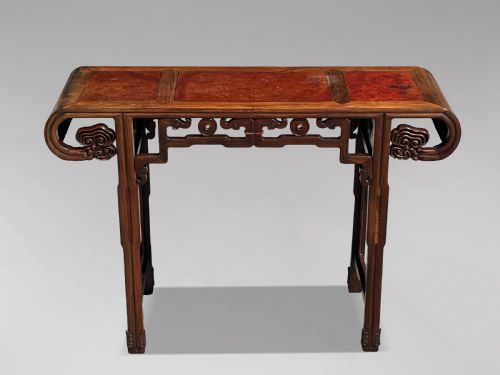
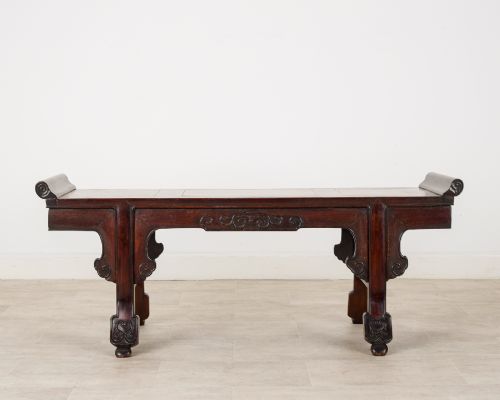


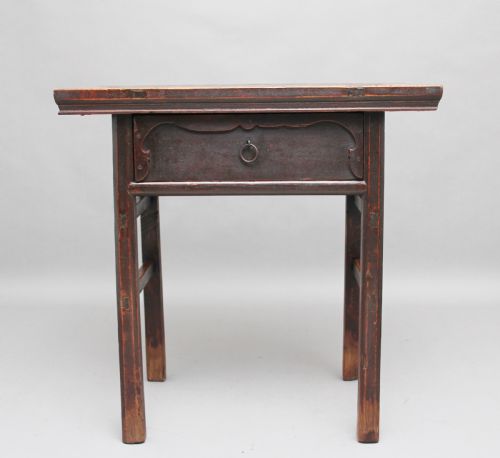


Oriental Altar Table
An oriental altar table brings sculptural presence and historic character to a room, offering a long, low surface rooted in tradition.
Oriental Altar Table
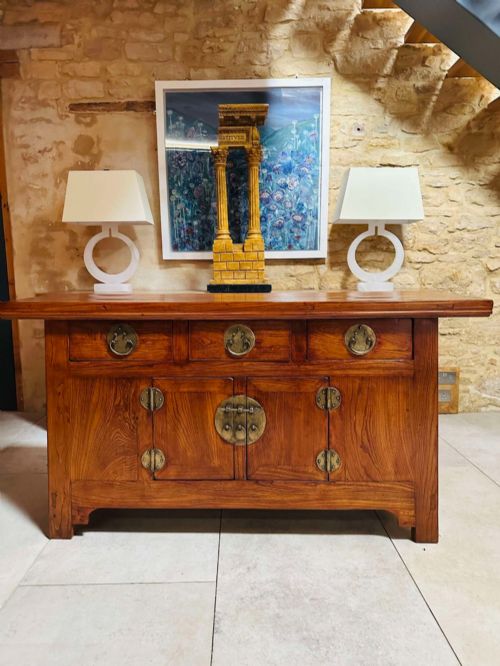
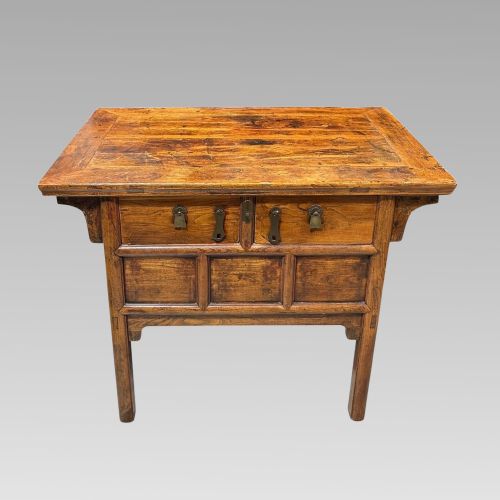
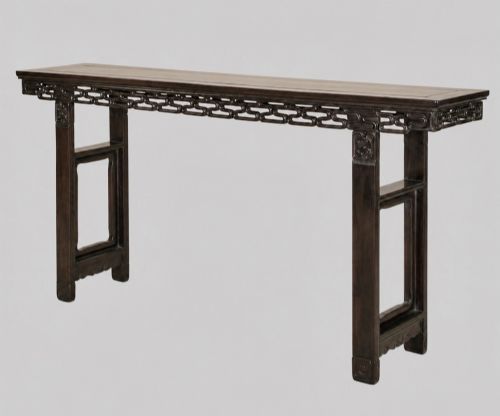
An oriental altar table takes the form of a long, narrow console or low table originally designed for domestic or ceremonial display in Chinese interiors. These pieces frequently date from the nineteenth century, spanning Qing Dynasty and regional provincial traditions.
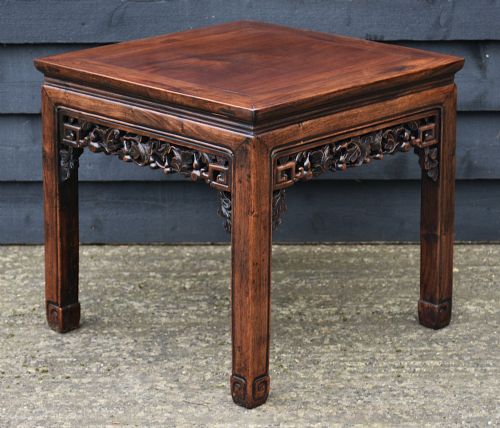
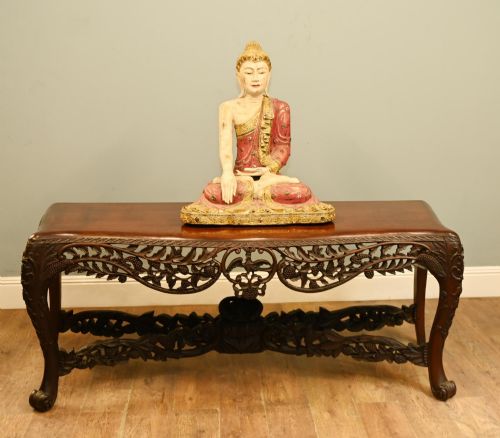
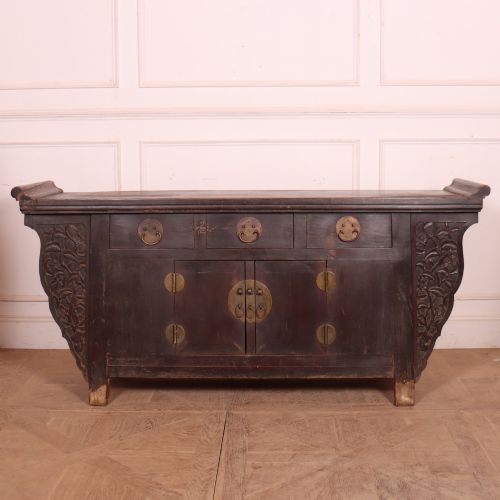
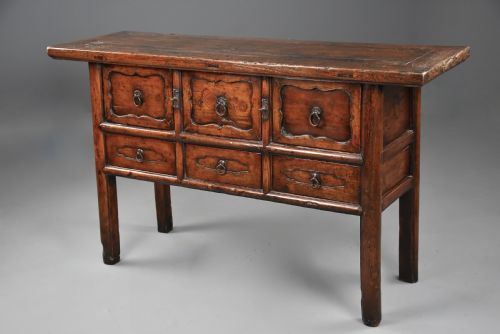
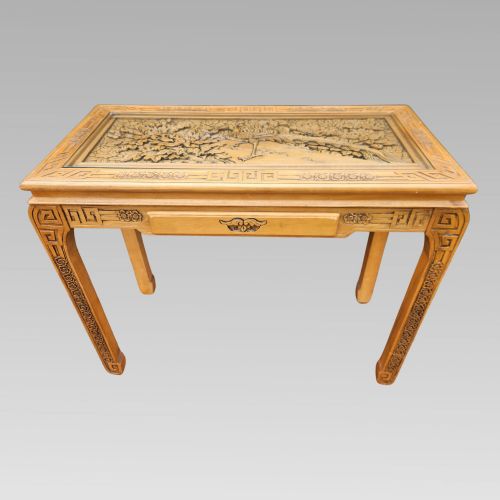
Buyers encounter sturdy elm timbers alongside denser hardwoods such as hongmu and rosewood, often shaped with clean linear frames or subtle upturned flange ends. The selection ranges from rustic elm sideboards to heavily carved hardwood exhibition pieces.
The category overlaps naturally with console tables, low benches, and narrow sideboards, reflecting the versatile proportions that suit contemporary hallways and living spaces.
How they were made
Joinery relies on traditional interlocking wooden frames designed to accommodate timber movement without metal nails. Elm provides a resilient grain for provincial work, while dense hardwoods like hongmu and rosewood allow for crisp, intricate carving.
Surface finishes include clear polished patinas that highlight natural timber grain, alongside red and black lacquer applications. Selected examples incorporate inset rouge marble panel tops set directly into the wooden framework.
Oriental Altar Table Retail Price Guide 2026
Typical asking prices for oriental altar table among the pieces listed under this phrase on Sellingantiques today, from the lower quarter to the upper quarter. They describe what is for sale here now, not the wider market.
What varies in quality
Subtlety and depth of hand-carved detail separate standard regional items from exceptional examples produced in dense hardwoods. The crispness of edge profiles and the structural integrity of the frame dictate the standing of a piece.
Material selection marks a clear distinction, where heavy, highly figured rosewood and hongmu command greater appreciation than softer domestic timbers. Surface preservation also plays a role, with untouched patinas and original lacquer finishes holding distinct appeal.
The Oriental Altar Table Glossary
- Hongmu
- A dense, heavy Chinese hardwood prized for deep reddish-brown tones and fine grain. It provides stability for intricate structural carving.
- Elm
- A resilient domestic timber widely used for regional Chinese furniture. It yields a pronounced grain pattern that accepts simple waxing well.
- Flange
- The subtle upturned ends found on the short sides of traditional altar tables. This architectural detail echoes ancient temple architecture.
- Qing Dynasty
- The final imperial dynasty of China, lasting from the seventeenth to the early twentieth century. It produced the predominant styles seen in antique tables today.
- Lacquer
- A traditional resin finish applied in multiple layers to seal and decorate wooden surfaces. It yields a smooth, durable barrier with a deep lustre.
Oriental Altar Table: Frequently Asked Questions
Where do I put an oriental altar table?
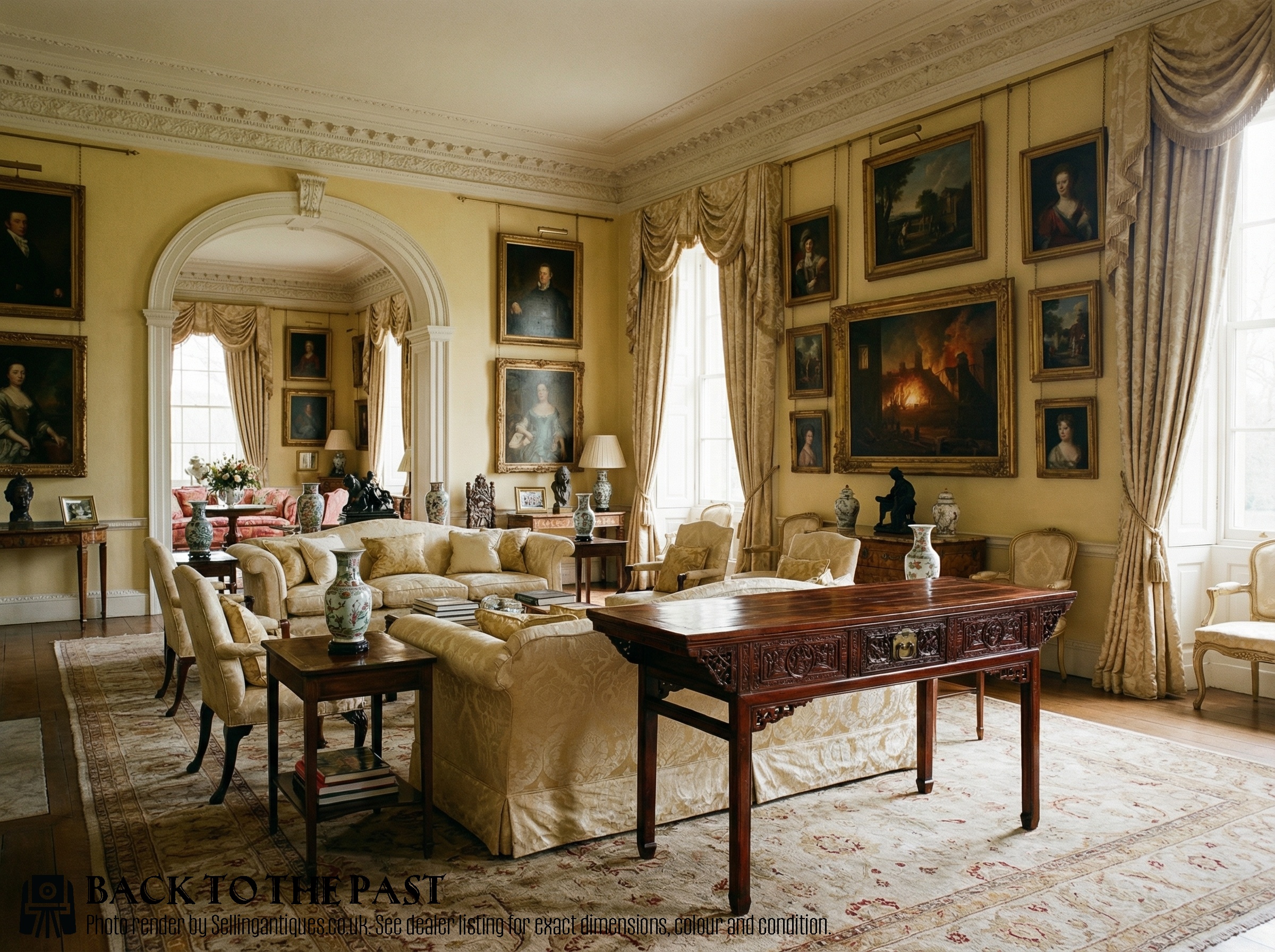
These narrow tables suit hallways, living room perimeters, and narrow spaces behind sofas where standard furniture proves too deep. Their elongated proportions allow for decorative display without blocking walkways.
They function effectively as console surfaces for lamps and ceramics, or as low focal points against plain walls.
How do I clean antique elm?
Maintenance requires only a soft, dry cloth to remove dust from the timber grain. Avoid modern chemical sprays and excessive moisture that might harm the dry historic patina.
Application of a neutral beeswax paste occasionally helps nourish untreated hardwoods and preserves the surface texture.
Are these tables solid hardwood?
Construction varies according to the region and the specific workshop involved. Elm pieces utilise durable domestic timber frames, while higher-status examples employ dense exotic hardwoods throughout.
Inspect the undersides and joints to understand the timber composition and structural joinery methods used.
How do I date an altar table?
Dating relies on assessing the tool marks, timber shrinkage, joinery wear, and the consistency of the surface patina. Stylistic details like flange shapes and carving depth offer further clues.
Nineteenth-century examples show characteristic hand-working signs that distinguish them from later reproductions.