

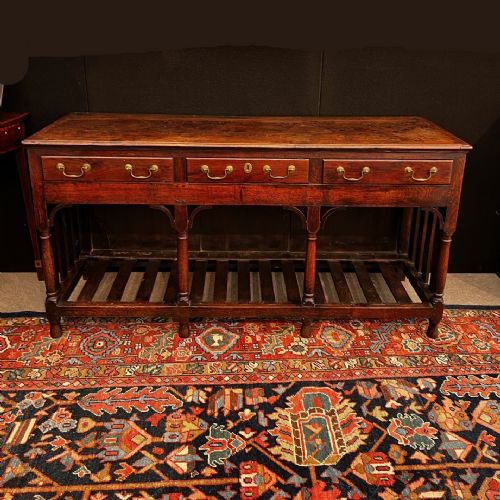


Antique Elm Sideboard
An antique elm sideboard brings honest timber and deep grain into a room, offering practical storage with a character that modern furniture cannot match.
Antique Elm Sideboard
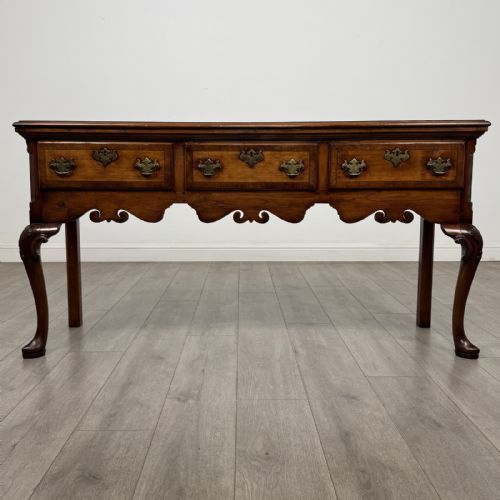
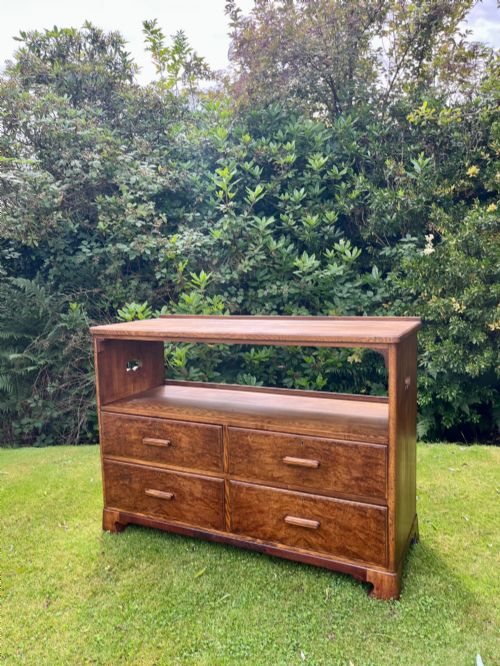
When you search for an antique elm sideboard, you encounter robust storage pieces spanning several centuries, from English country furniture to Chinese provincial cabinets. These items serve primarily as servers, dressers, and storage cupboards in dining rooms and living spaces.
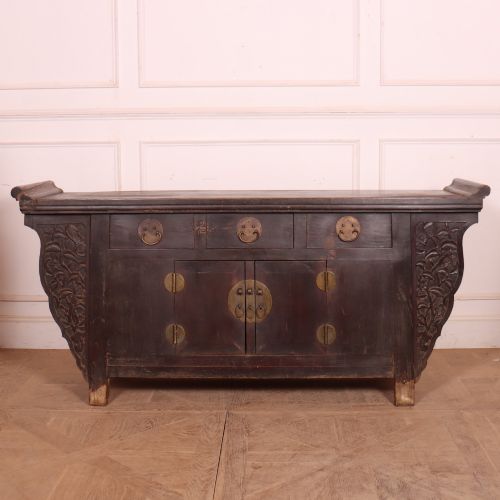
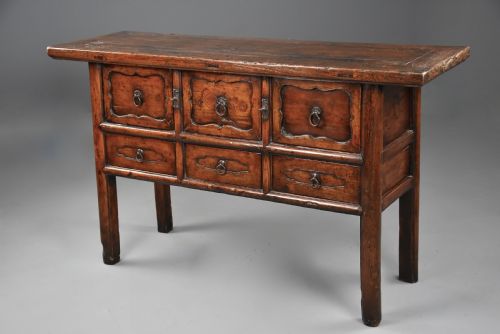
The English examples frequently appear as Georgian dresser bases or court cupboards, often combining elm with oak. Alongside these, Chinese elm sideboards and side tables from the nineteenth century feature prominently with distinctive joinery and warm patinas.
Continental versions also surface, including French provincial dressers and Dutch commodes with burr elm veneers. Across all these origins, the forms remain practical and grounded, built to hold tableware, linens, and provisions.
Factors that distinguish the pieces
Quality rests heavily on the selection of the timber and the liveliness of the grain. Plain, flat boards sit at one end of the scale, while highly figured burr elm veneers demonstrate superior craftsmanship and material selection.
Construction details reveal the standard of work, from hand-cut dovetails on drawer construction to the precision of traditional frame and panel joinery. Pieces that retain their original brass hardware, uncompromised backboards, and stable, warp-free timber command greater appreciation from collectors.
Materials recorded across current and archive listings include solid elm, burr elm, oak, brass, iron, and occasional marble tops.
Whytock and Reid·The Woodworkers Ltd Kilkenny·Augustus Pugin
The Antique Elm Sideboard Glossary
- Elm
- A hard, durable timber known for its twisting grain and resistance to splitting. It was widely used by country cabinetmakers for utilitarian furniture.
- Dresser base
- The lower section of a kitchen or dining room dresser, featuring cupboards and drawers below a flat serving surface. It functions independently as a sideboard.
- Burr elm
- A growth deformity in the tree that produces intricate, swirling patterns in the wood. It is sliced into veneers for decorative cabinet fronts.
- Patina
- The surface sheen and darkening developed by wood over years of handling, light exposure, and waxing. A deep patina indicates age and regular care.
- Court cupboard
- A traditional English enclosed storage piece with upper and lower tiers. It was used for displaying plate and storing household provisions.
Antique Elm Sideboard: Frequently Asked Questions
How do I clean an antique elm sideboard?
Dust the surface regularly with a soft, dry cloth to prevent grit buildup. Apply a quality beeswax periodically to nourish the timber and maintain the soft sheen.
Avoid silicone-based sprays and keep the cabinet away from direct heat sources and strong sunlight, which can dry out and split the ancient wood.
Are antique elm sideboards sturdy enough for daily use?
Elm is inherently tough and resilient due to its interlocking grain structure. These pieces were built for heavy domestic service in kitchens and dining rooms.
Most joints remain solid after centuries, though drawer runners may require occasional professional waxing to ensure smooth operation.
How do I distinguish English elm from Chinese elm?
English elm furniture often follows Georgian or provincial vernacular forms, frequently incorporating oak framing and traditional British brass drop handles. It tends to show heavier figuring and darker tones.
Chinese elm pieces display distinct regional joinery, often without nails, and sometimes feature carved panels, recessed doors, or integrated wooden hinges characteristic of Asian cabinetmaking.
What is burr elm?
Burr elm comes from a wart-like growth on the elm tree, which creates dense, swirling clusters of knots in the grain. Cabinetmakers prize this timber for its decorative impact.
It is usually cut into thin veneers and applied to the prominent surfaces of high-status furniture, such as drawer fronts and table tops.