


18th Century Kitchen Furniture
These pieces of 18th century kitchen furniture deliver working utility and domestic warmth through solid timber construction and practical form.
18th Century Kitchen Furniture
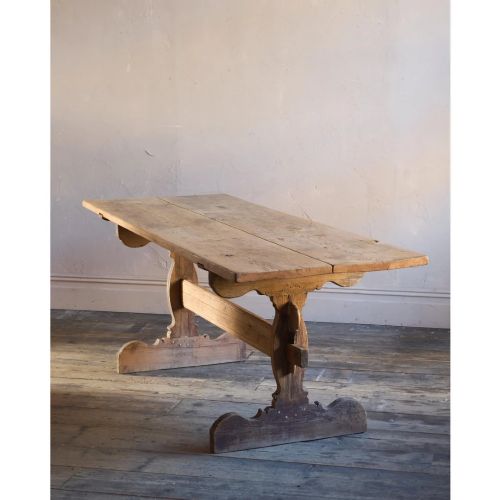
When you search for 18th century kitchen furniture, you encounter robust utility items built for daily domestic service in country houses, farmhouses and cottages. The selection spans sturdy dining tables, plate racks and large storage pieces designed to organise food and tableware.
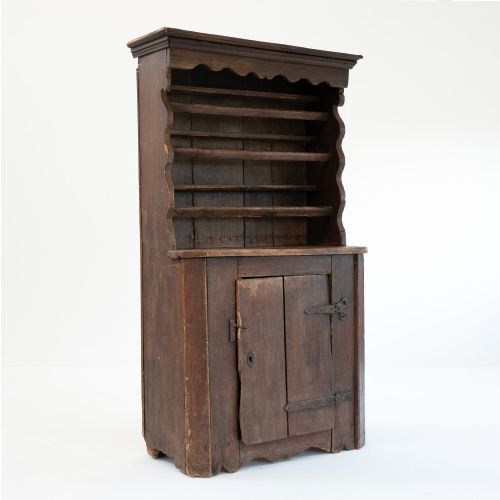
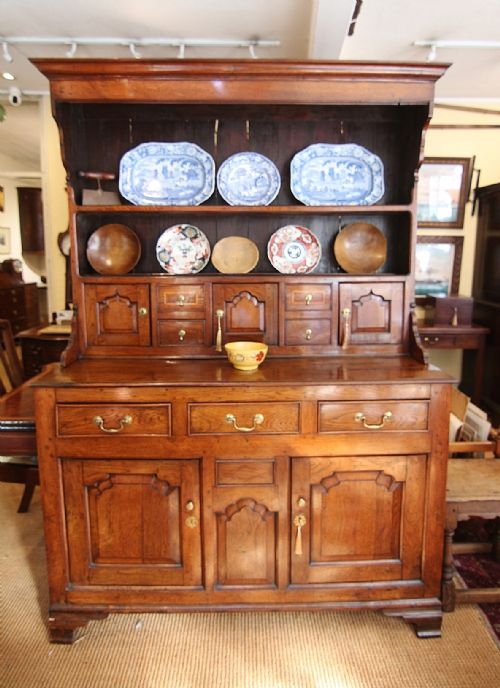
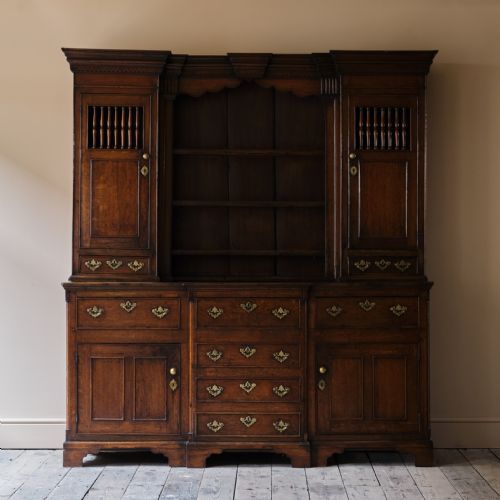
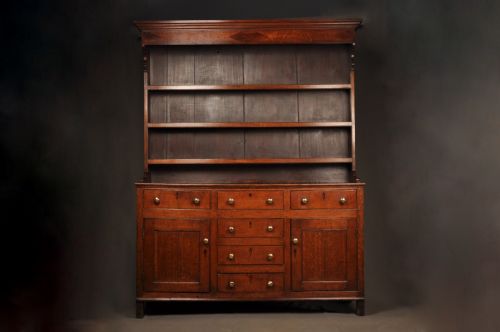
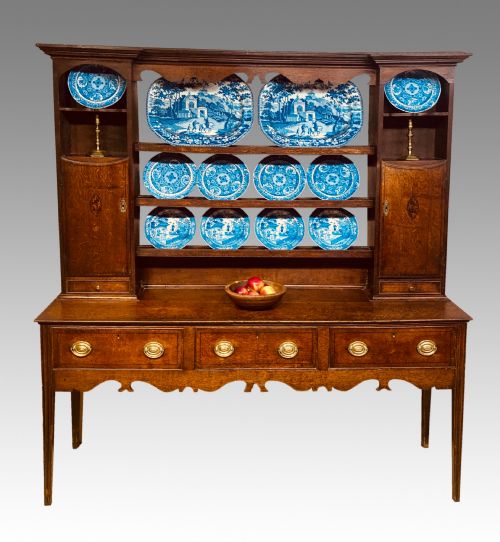
The most common form on this page is the dresser, particularly Welsh and regional English examples combining base cupboards or potboards with upper plate racks. These pieces reflect the rural vernacular of Georgian Britain alongside continental provincial styles in oak, pine and walnut.
Materials and Construction
Makers relied primarily on native hardwoods like oak and elm for structural frames, tabletops and drawer linings, supplementing them with softer timbers such as pine and softwood for internal shelving or backing boards. Walnut and chestnut appear in regional continental pieces, reflecting local timber supplies.
Joinery methods prioritize durability through pegged mortise and tenon joints, hand-cut dovetails on drawer construction and panelled doors. Iron and wrought iron hardware, along with brass fixtures, secure doors and drawers for heavy everyday use.
Common forms include potboard dressers, housekeeper's cupboards, larder cupboards, dining tables and spoon racks.
Factors That Determine Quality
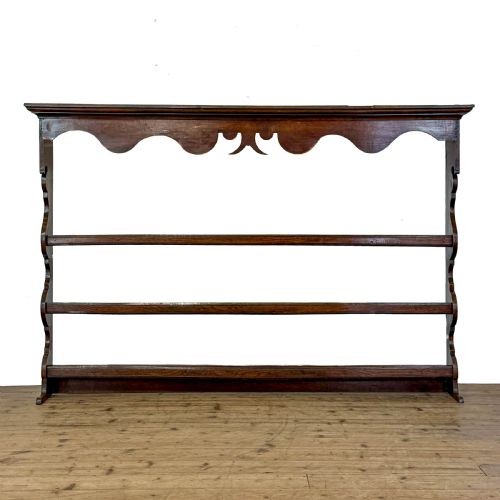
Quality rests upon the integrity of the timber selection and the retention of original surfaces, patination and hardware. Pieces retaining their original upper plate racks married correctly to matching base cupboards command greater regard than married assemblies put together at later dates.
Regional distinctiveness and proportion separate ordinary vernacular items from exceptional ones. Finer examples display thoughtful architectural details, such as shaped friezes, fretwork or panelled detailing, executed by skilled provincial joiners.
The 18th Century Kitchen Furniture Glossary
- Potboard
- An open slatted lower shelf beneath a dresser base designed for storing heavy pots and pans. This platform sits raised off the floor on feet or stile extensions.
- Plate Rack
- An upper wall-mounted or dresser-attached shelving unit featuring grooved plate rails and vertical slats to display and secure ceramic plates upright.
- Vernacular
- Architecture and furniture rooted in local traditions, using regional materials and functional designs rather than high-style metropolitan fashions.
- Buffet Deux Corps
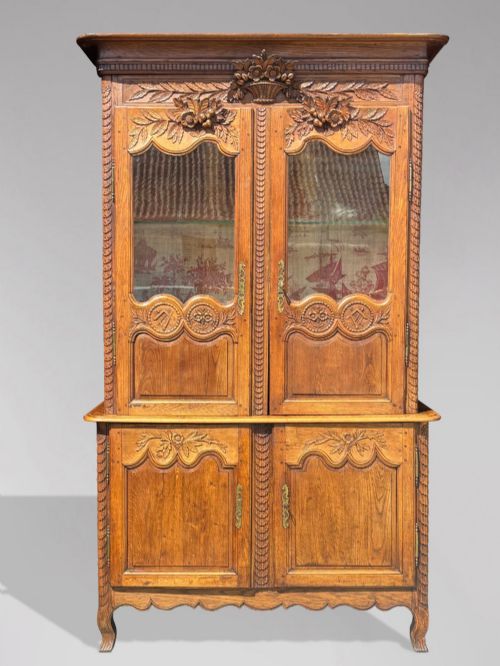
- A large two-part continental cabinet featuring a lower cupboard section surmounted by a matching upper storage tier.
18th Century Kitchen Furniture: Frequently Asked Questions
What rooms suit 18th century kitchen furniture today?
These items integrate naturally into modern kitchens and dining areas where their large storage capacity and sturdy surfaces provide practical utility.
Their warm timber tones and honest construction also allow them to sit comfortably in living spaces as display cabinets or sideboards.
How do I identify a Welsh dresser?
Welsh dressers typically combine an open plate rack top with a base containing drawers and cupboards or an open potboard.
They originate from Welsh regional workshops and often utilise local oak timbers combined with distinctive regional moulding and bracket details.
Were these pieces painted originally?
Many domestic items from this era received painted finishes to protect softer woods or to suit regional interior decoration preferences.
Today, surviving historical painted surfaces add considerable character and protect the underlying timber from moisture and wear.
How should I care for old oak furniture?
Maintain timber surfaces by applying natural beeswax sparingly and buffing gently with a soft cloth to nourish the wood grain.
Keep pieces away from direct heat sources and sudden humidity changes to prevent timber movement and splitting.