


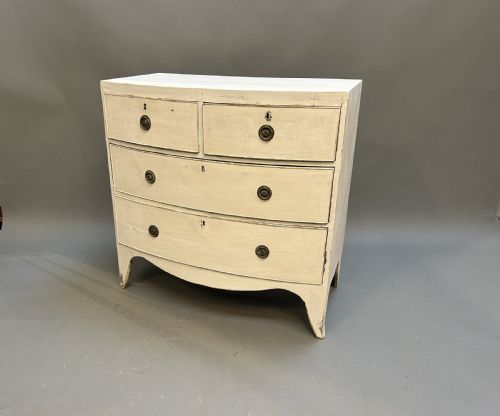
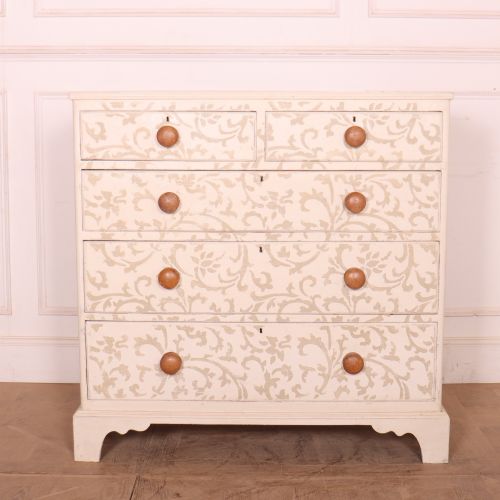


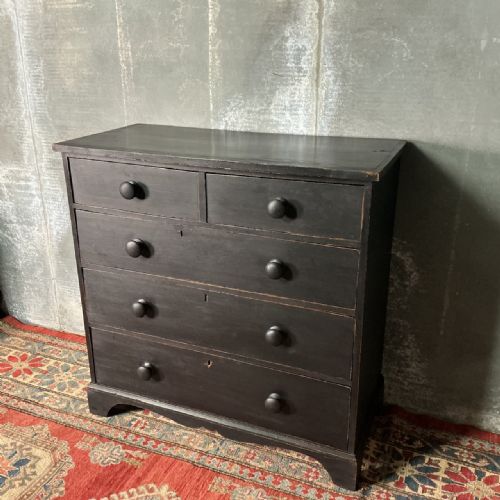
Country House Wooden Dresser
A country house wooden dresser brings enduring storage and character to a room, offering practical utility through sturdy timber construction and time-worn finishes.
Country House Wooden Dresser
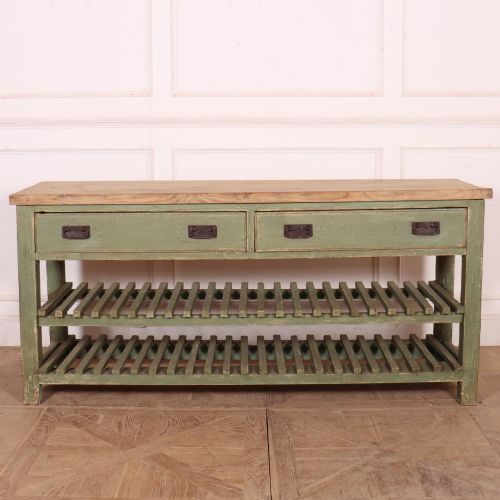
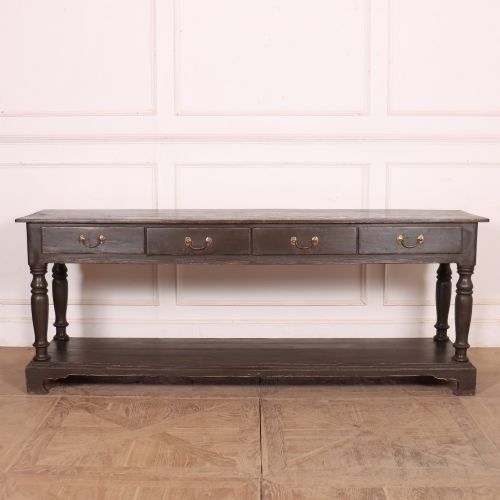
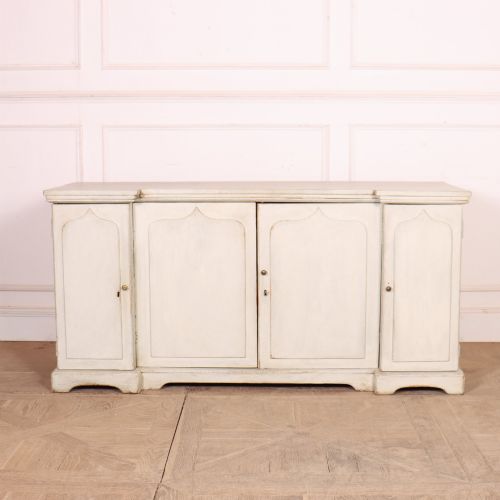
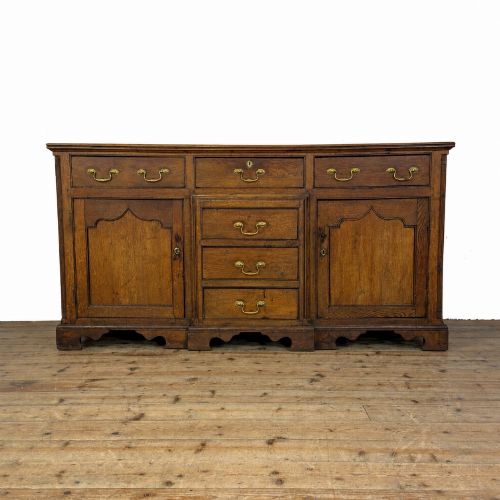
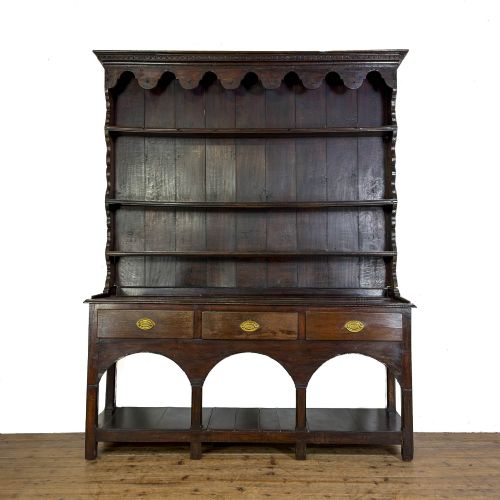
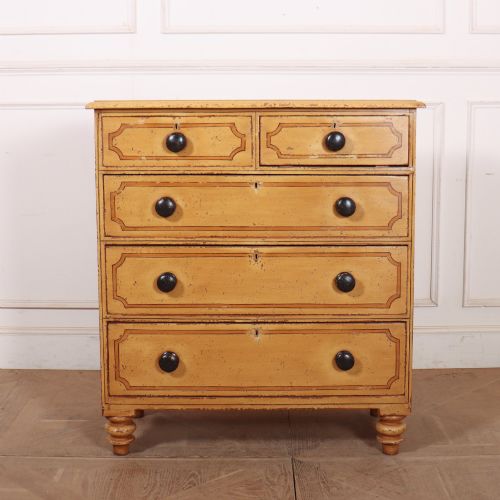
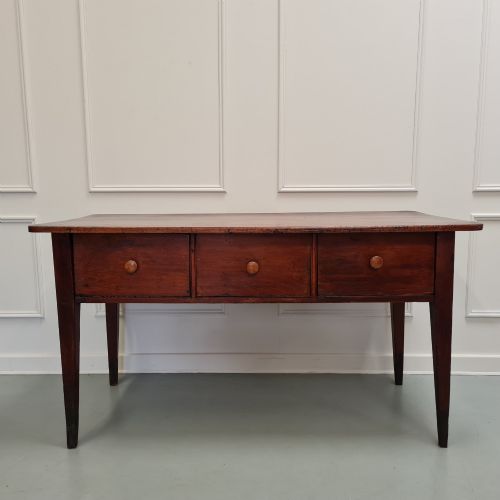
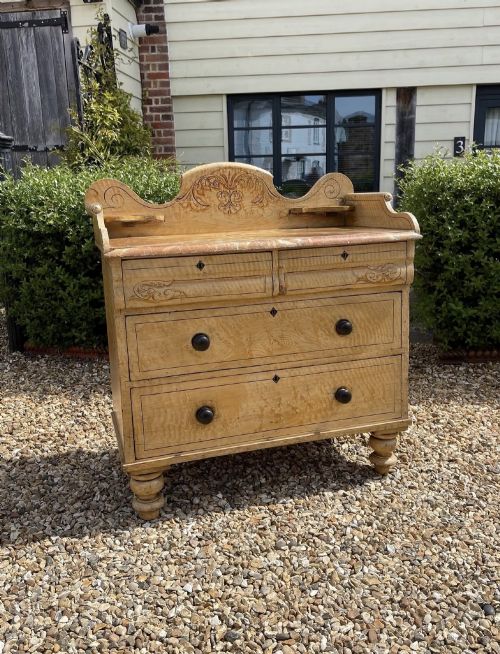
A country house wooden dresser combines functional storage with the robust charm of domestic British and European traditions. When exploring this selection, buyers encounter various forms including kitchen dressers, dresser bases, sideboards, and chests of drawers from the eighteenth and nineteenth centuries.
The pieces emerge from distinct regional styles such as English Country, Georgian, Victorian Country, and Scandinavian Country. Oak, pine, elm, and walnut form the structural core of these domestic items, often finished with original paint or left as exposed timber.
Kitchen dressers frequently incorporate plate racks for display, whilst dresser bases and sideboards offer deep surface areas and substantial drawer space. These items reflect generations of domestic use, grounding contemporary interiors in authentic historical utility.
Materials and construction methods
Craftsmen built these pieces primarily using solid native timbers such as oak, pine, elm, and walnut, selecting woods for durability and local availability. Brass fittings and glass elements appear selectively to accent drawer pulls and panel doors.
Surfaces frequently display layers of original paint or limed treatments applied to protect the wood and adapt to changing interior fashions. Joinery methods relied on traditional pegged and panelled construction to ensure the heavy frames endured decades of daily service.
Several cupboards retain their original paint, having survived generations of domestic kitchen life without ever meeting a modern sander.
Distinguishing quality across the range
The hierarchy of quality rests upon the preservation of original surfaces and the integrity of the timber. Pieces retaining their initial paint schemes or untouched patinated oak stand apart from heavily restored alternatives.
The Country House Wooden Dresser Glossary
- Dresser base
- A low sideboard form featuring drawers and cupboards without an upper plate rack. This configuration provides a flat surface for serving or display.
- Plate rack
- An open shelving superstructure attached to the top of a dresser. It allows ceramic plates to stand upright for storage and presentation.
- Housekeeper cupboard
- A large storage cabinet traditionally used for linens and provisions in domestic service quarters. These pieces offer substantial enclosed vertical storage.
- Original paint
- A surface finish applied during the period of manufacture that has survived without later stripping or modern repainting. It provides historical authenticity and visual depth.
Country House Wooden Dresser: Frequently Asked Questions
Where did these dressers originate?
The pieces originate from domestic workshops across England, Scotland, Ireland, Wales, and Scandinavia. Regional timber choices and local cabinet-making traditions shaped their distinct appearances.
Craftsmen utilised accessible materials like oak in English country districts, pine in northern houses, and elm or walnut for specialised regional variations.
How do I maintain an antique wooden finish?
Protect the timber surfaces by keeping them away from direct heat sources and sudden humidity changes. Regular gentle dusting preserves the historic wax or paint layers.
Avoid modern chemical polishes that can degrade original finishes and patination built up over centuries of domestic life.
Can I use a dresser in a modern kitchen?
These pieces integrate naturally into contemporary kitchens as storage islands, sideboards, or display units for tableware. Their deep drawers and surface areas accommodate modern utility needs.
Their historical character adds texture and warmth when paired with modern architectural kitchen fittings and minimalist surfaces.
What defines a Welsh dresser?
A Welsh dresser traditionally pairs a robust wooden base with an integrated plate rack superstructure. They served as the central storage hub in rural homes for ceramics and provisions.
Examples often feature constructed oak frames and display regional quirks in their drawer proportions and cornice mouldings.