



Oriental Carved Pedestal Table
An oriental carved pedestal table brings distinct regional character to a room, offering a sturdy yet decorative platform for plants, vases, or lamps.
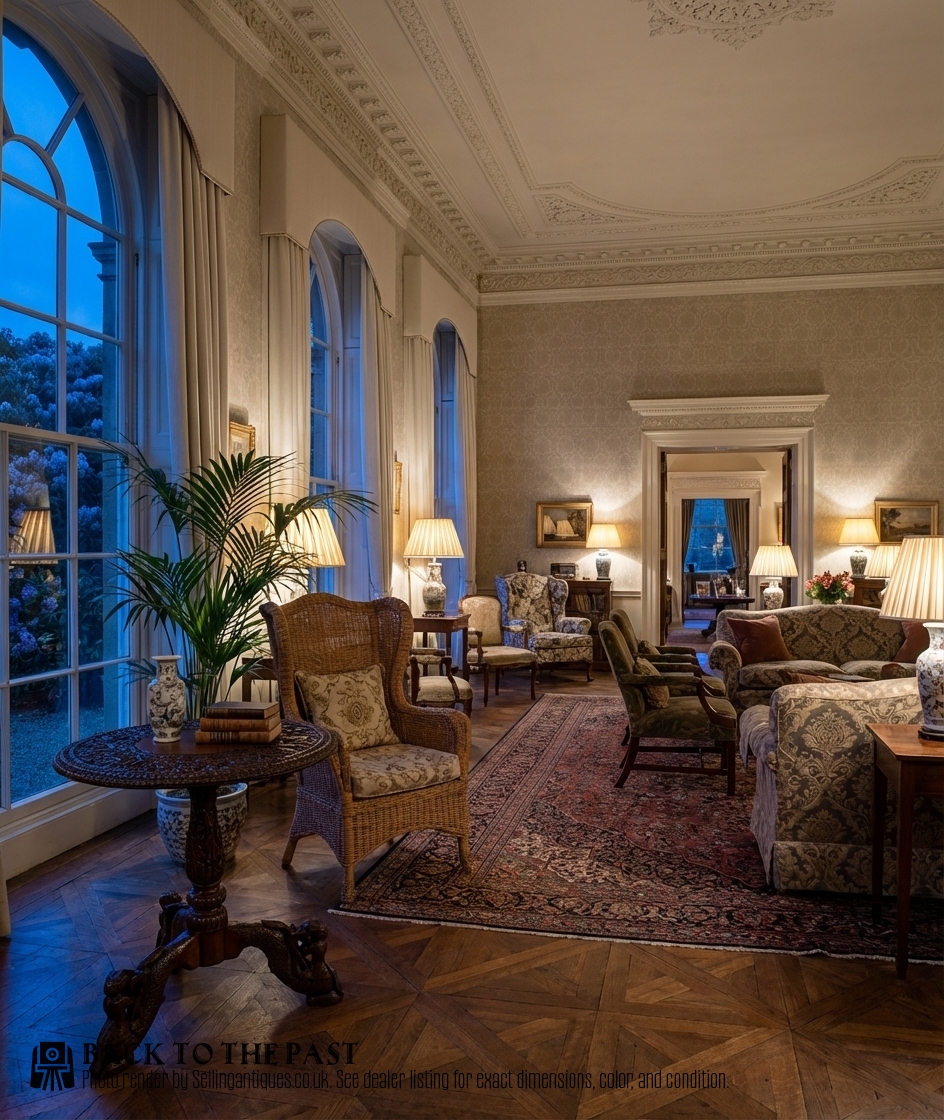
Oriental Carved Pedestal Table
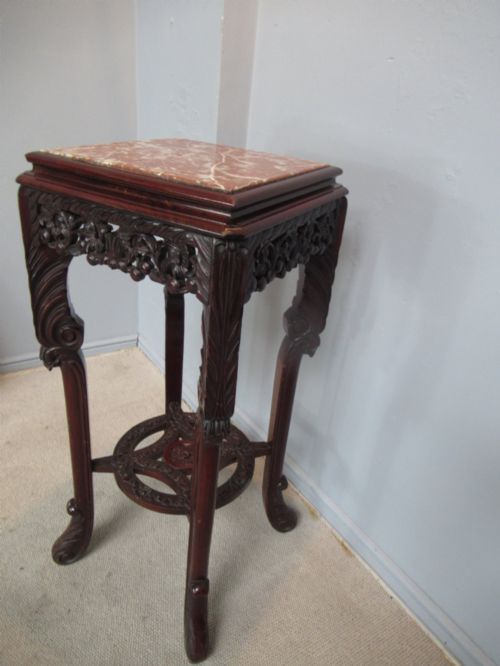
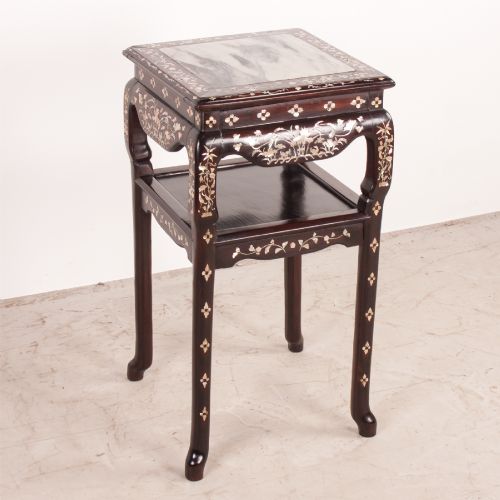
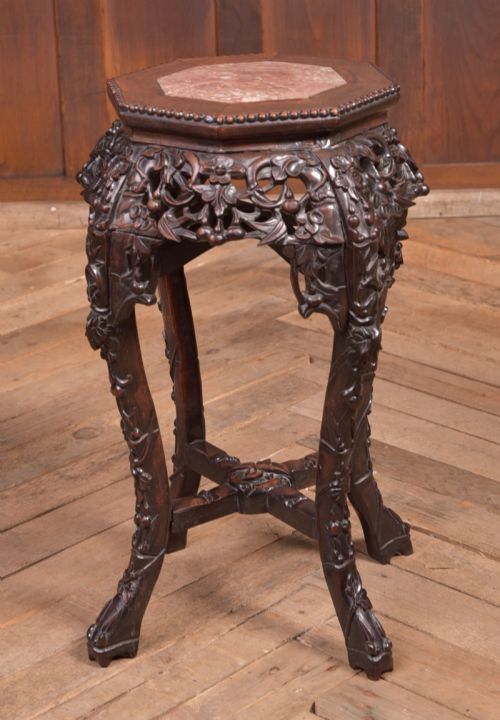
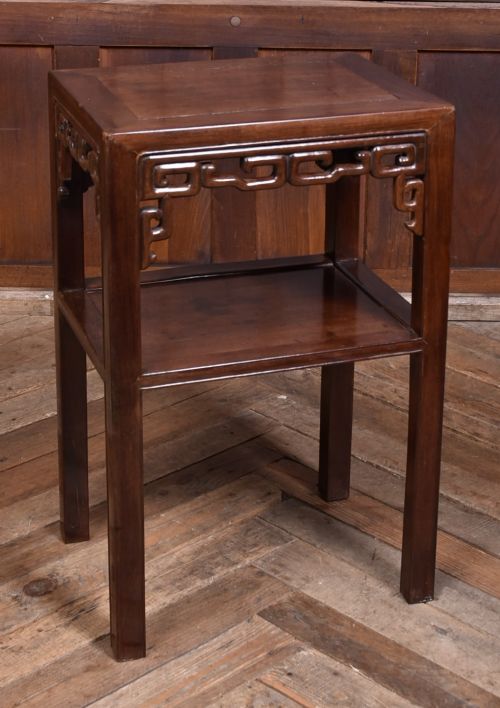
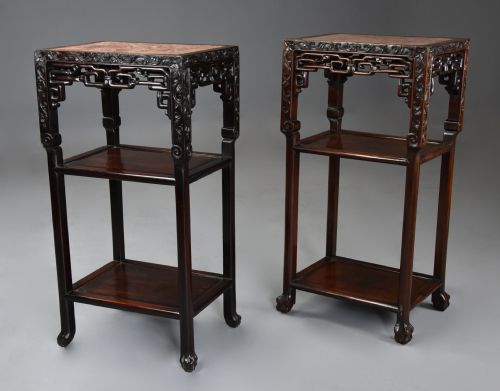
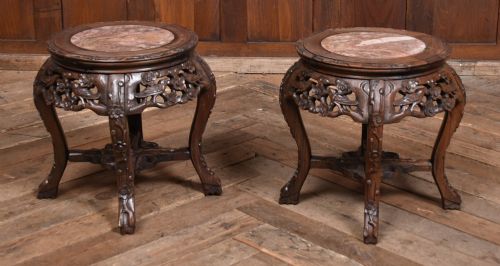
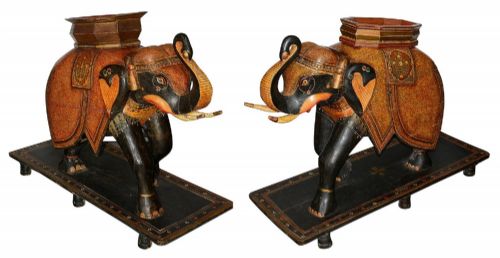
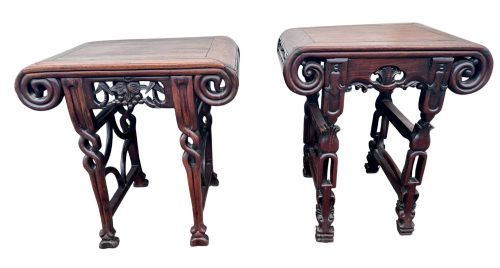
An oriental carved pedestal table encompasses various elevated supports designed for display, most frequently encountered as plant stands, jardiniere tables, or occasional furniture from the nineteenth and early twentieth centuries. These pieces emerge from diverse traditions, including Chinese Qing dynasty workshops, Anglo-Indian cabinet makers, and Japanese Meiji period artisans.
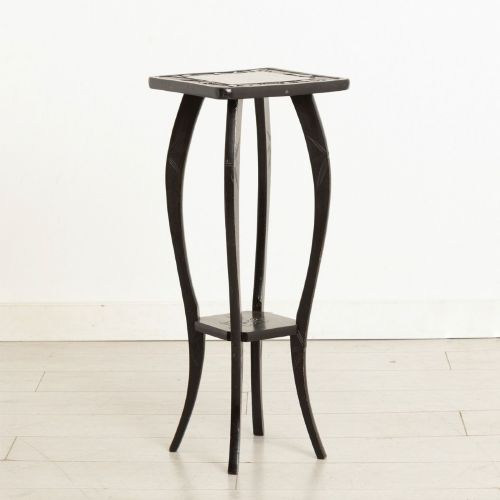
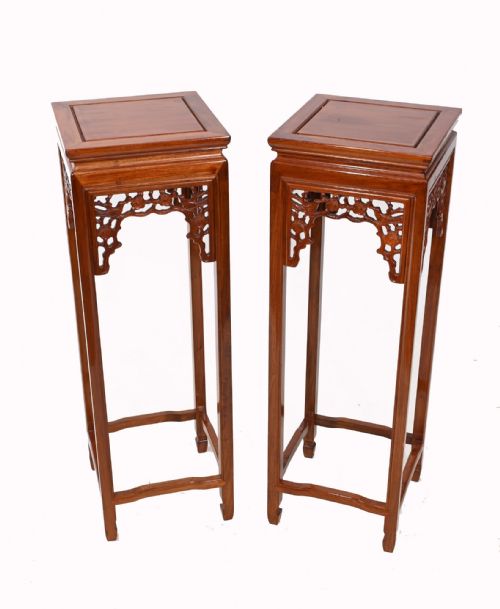
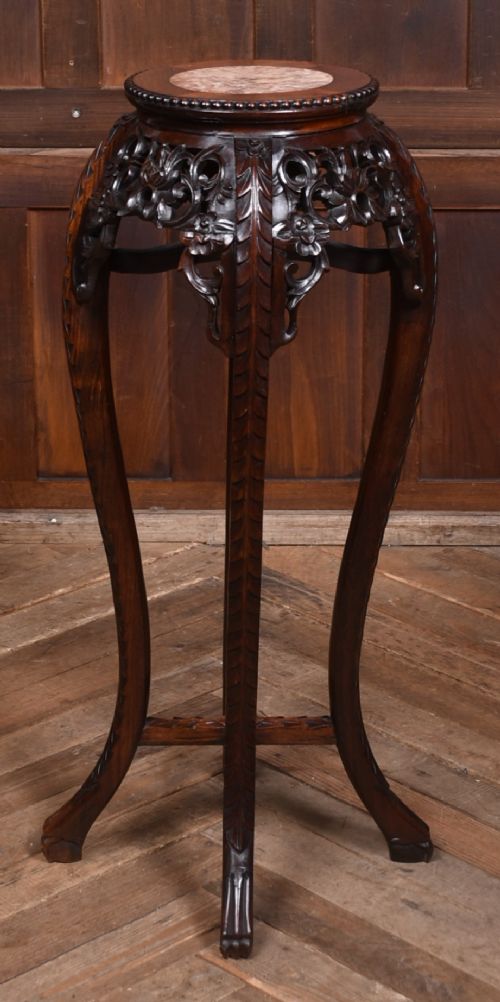
The forms vary from tall, slender plant stands with circular or rectangular tops to low side tables and sculptural multi-tier structures. Makers utilised dense exotic timbers and fitted inset marble or quartz panels to create stable surfaces intended for domestic display.
Materials and Construction
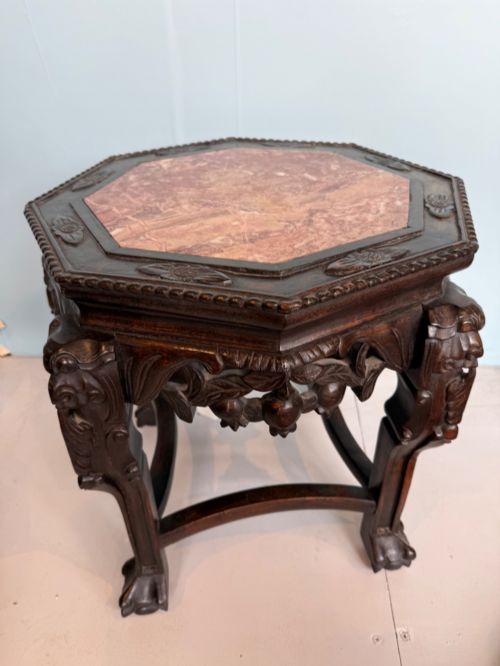
Craftsmen built these pieces using heavy timbers such as padouk, rosewood, teak, and ebonised wood, which provided the structural integrity needed for deep relief carving. Many examples incorporate inset marble or rouge marble tops, fitted flush into the wooden frame to support heavy ceramic planters and vases.
Joinery methods relied on traditional interlocking joints and pegged construction rather than modern metal fasteners, allowing the dense timber to expand and contract naturally. Surface decoration ranged from intricate hand-carved floral motifs and dragons to lacquer finishes and mother-of-pearl inlay.
Oriental Carved Pedestal Table Retail Price Guide 2026
Typical asking prices for oriental carved pedestal table among the pieces listed under this phrase on Sellingantiques today, from the lower quarter to the upper quarter. They describe what is for sale here now, not the wider market.
The listings span the nineteenth and early twentieth centuries, featuring hardwoods, marble, and lacquer across diverse regional styles.
Judging Quality
Quality depends upon the depth and precision of the hand carving, where crisp undercutting and well-defined motifs distinguish superior examples from mechanical work. The choice of timber also dictates standard, with dense woods like padouk and heavy rosewood holding sharper carved details than softer varieties.
The integration of inset materials, such as fitted marble tops or inlaid mother-of-pearl, shows the care taken in original assembly. Pieces retaining their structural stability without excessive shrinkage or loose joints demonstrate sound initial construction.
Liberty of London
The Oriental Carved Pedestal Table Glossary
- Jardiniere stand
- A tall decorative table specifically designed to hold a ceramic flower pot or plant container. These stands often feature elevated rims or inset marble tops to catch moisture.
- Padouk
- A heavy, durable tropical hardwood with a reddish hue that darkens with age. Artisans favoured this material for its ability to hold intricate, deep-relief carving.
- Qing dynasty
- The final imperial dynasty of China, spanning from sixteen-forty-four to nineteen-twelve. Pieces from this era often display traditional symbolism and refined botanical motifs.
- Meiji period
- The era of Japanese history lasting from eighteen-sixty-eight to nineteen-twelve. Works from this time demonstrate exceptional technical skill in metalwork and wood carving.
- Rootwood
- A specialty material formed from the dense, gnarled underground growth of trees. Craftsmen utilised its natural, irregular contours to shape highly individualistic tables and stands.
Oriental Carved Pedestal Table: Frequently Asked Questions
What is an oriental carved pedestal table used for?
These tables served primarily as display platforms for heavy ceramic jardiniere bowls, bronze vessels, or table lamps in nineteenth-century interiors. Their sturdy construction allowed them to support heavy ornamental objects safely.
Today, they function well as accent furniture in living spaces or hallways, holding plants, sculptures, or decorative items while adding architectural height and textural contrast to a room.
How do I identify a nineteenth-century piece?
Nineteenth-century examples typically display heavy, dense tropical hardwoods like padouk or rosewood, combined with traditional hand-carved detailing. The weight of the timber and the depth of the relief carving offer strong clues to the period.
Examination of the underside and joints often reveals hand-cut joinery and age-related patina that modern reproductions cannot replicate. Inset marble or stone tops fitted directly into the wood frame are also characteristic of this era.
Where were these tables made?
The pieces originate from various regions across Asia and the British Empire, including China, Japan, Burma, and India. Each region contributed distinct regional styles, such as Chinese Qing dynasty motifs or Anglo-Indian rosewood craftsmanship.
Export workshops produced many of these items specifically for Western markets during the Victorian and Edwardian periods, blending local carving traditions with forms suited to European homes.
How do I care for a marble top table?
Marble surfaces require gentle cleaning with a damp cloth and mild soap, avoiding acidic cleaners that can etch the polished stone. Using coasters or protective pads under heavy vases prevents scratching.
The wooden base benefits from occasional dusting and treatment with appropriate furniture wax to keep the timber from drying out in heated indoor environments.