
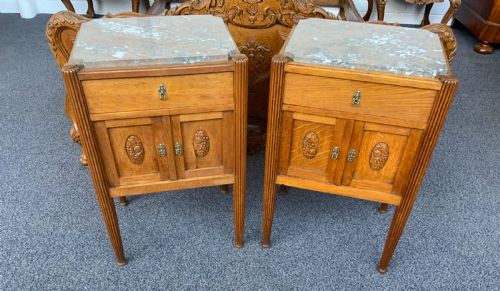
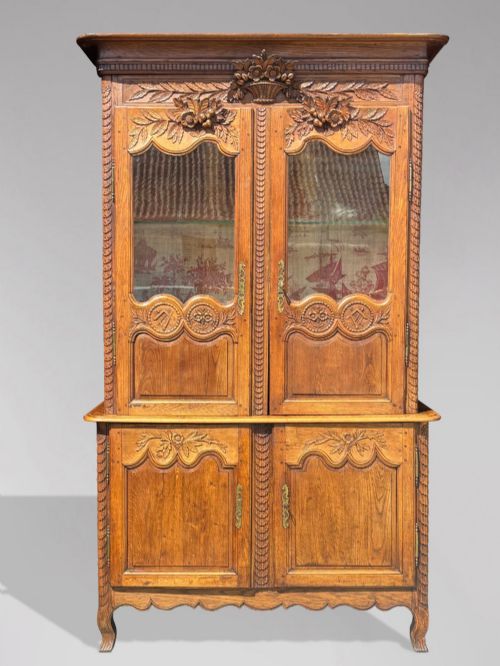
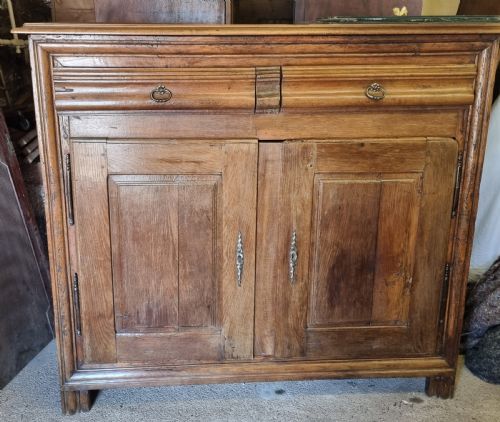
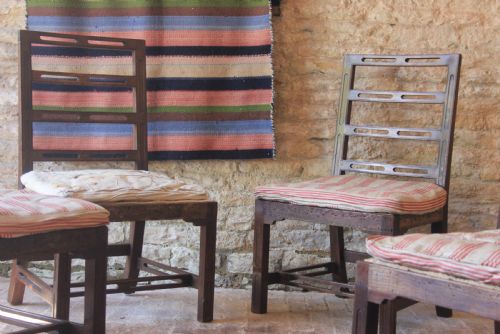
Provincial Oak Furniture
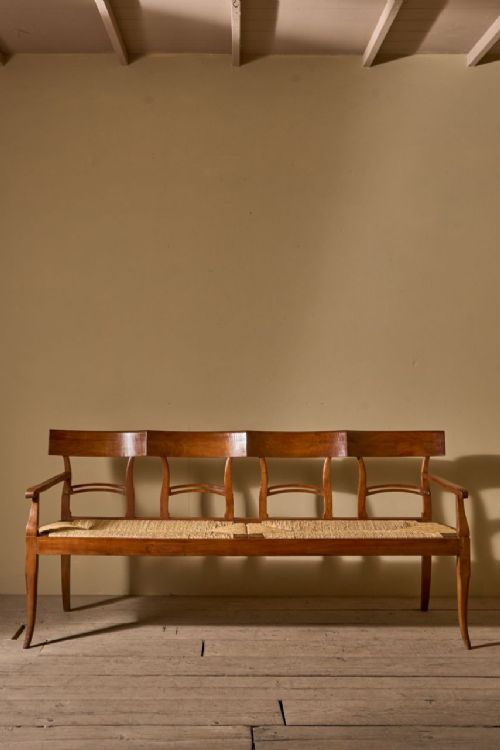
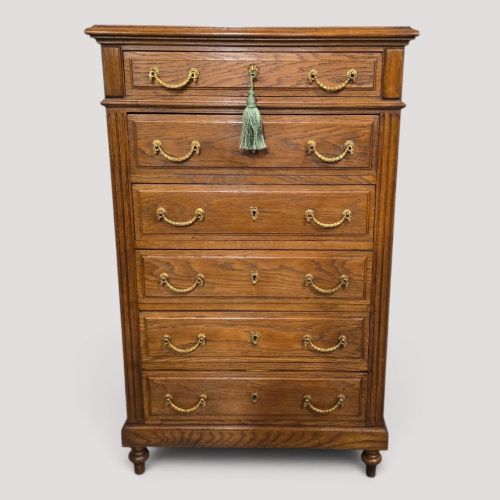
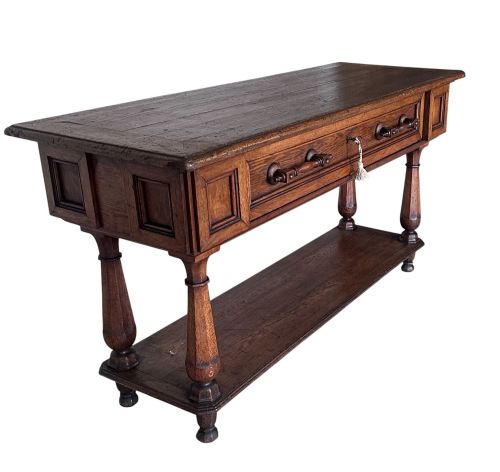
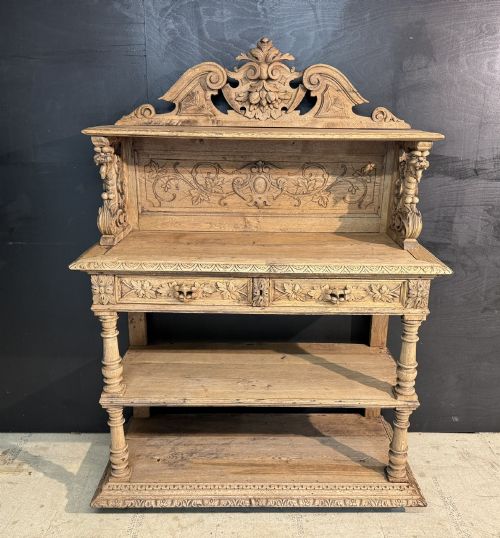
Provincial oak furniture brings heavy timber storage, seating and tables from rural workshops into domestic interiors.
Provincial Oak Furniture
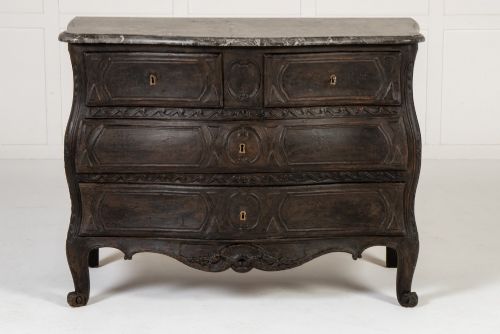
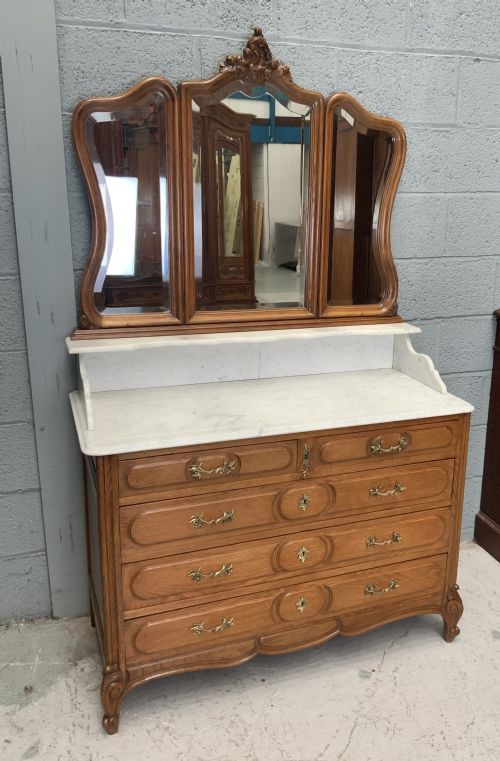
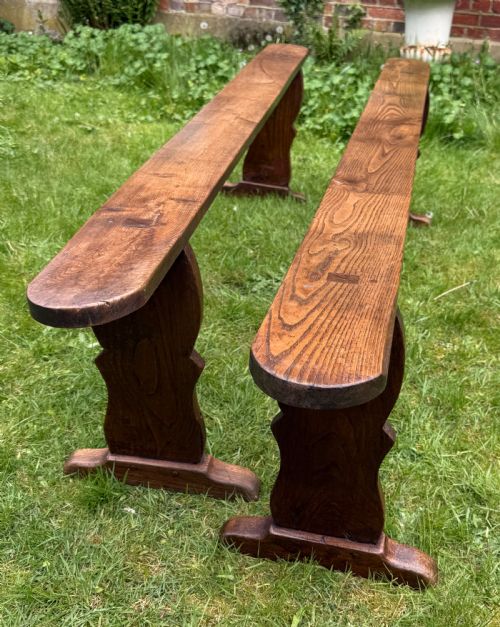
Provincial oak furniture comprises practical domestic pieces made outside metropolitan centres, predominantly from seventeenth, eighteenth and nineteenth century France and Britain. Buyers encounter heavy storage items like cupboards, commodes and dressers alongside seating and tables.
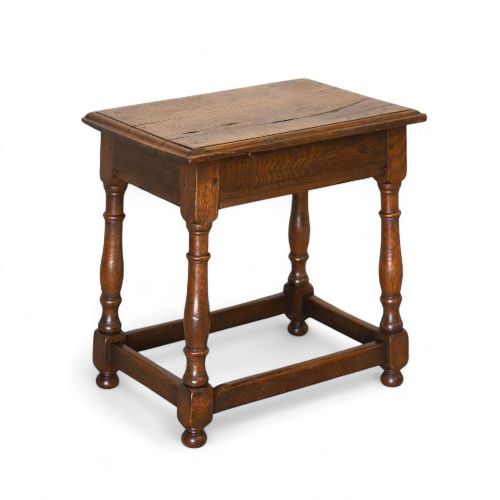
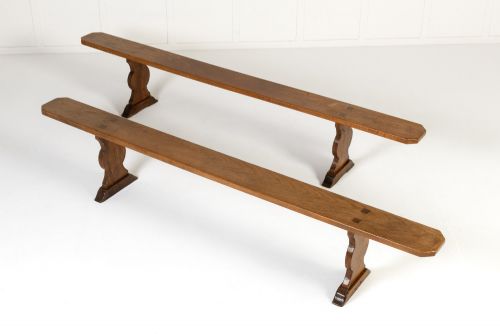
Regional variations dominate the selection, ranging from Welsh dressers and English joint stools to French provincial buffets, armoires and panetieres. These objects reflect local rural traditions and domestic needs rather than courtly fashions.
Materials and Technique
Makers relied primarily on solid oak, frequently augmented with secondary timbers such as fruitwood and elm for internal or contrasting components. Brass and iron hardware served functional roles on hinges, locks and drawer pulls.
Construction methods relied on traditional joinery techniques including pegged joints, hand carving and panelled frames designed to withstand heavy daily use in country houses and farmhouses.
Provincial Oak Furniture Retail Price Guide 2026
Typical asking prices for provincial oak furniture among the pieces listed under this phrase on Sellingantiques today, from the lower quarter to the upper quarter. They describe what is for sale here now, not the wider market.
A solitary bread safe stands ready to guard your sourdough against midnight pastry thieves.
Grading Quality
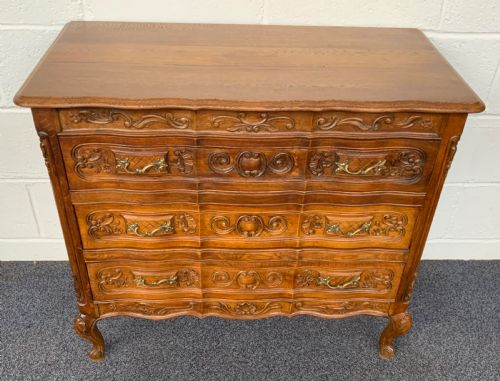
Quality rests on the depth of the timber's grain and the crispness of hand carving. Pieces retaining rich natural colour and original structural integrity command greater attention than heavily altered examples.
Proportion and scale distinguish finer country workshops from basic utilitarian output. Refined mouldings and balanced drawer arrangements elevate certain dressers and commodes above standard regional items.
The Provincial Oak Furniture Glossary
- Commode
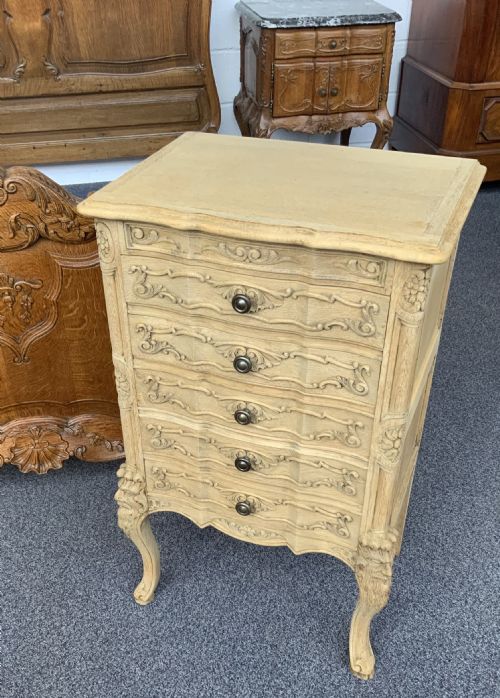
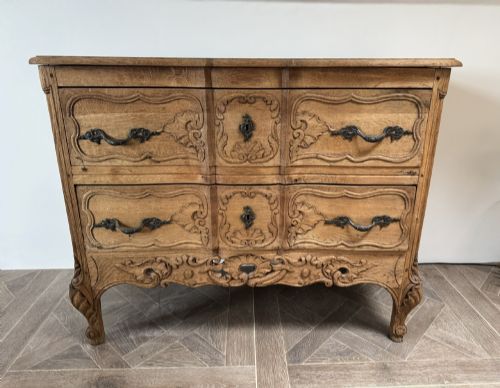
- A low chest of drawers or cabinet originating in France. These often feature curved serpentine fronts or detailed carving.
- Panetiere
- A traditional freestanding wooden bread safe used in French country kitchens. They incorporate turned spindles to allow ventilation for loaves.
- Joint stool
- A sturdy wooden stool constructed with mortise and tenon joints. These early seating forms typically date from the seventeenth century.
- Buffet deux corps
- A large two-tier storage cabinet consisting of an upper cupboard set upon a lower sideboard base. They provide substantial capacity for household provisions.
- Dresser base
- A low wooden sideboard fitted with drawers and sometimes cupboards beneath a flat top surface. They served practical food preparation and storage functions in country houses.
Provincial Oak Furniture: Frequently Asked Questions
How do I date provincial oak furniture?
Dating relies on examining construction marks, joinery methods and hardware types. Tool marks left by hand saws and adzes point to earlier periods.
Secondary woods and regional stylistic quirks also help narrow down the decade of production when maker marks are absent.
Where was provincial oak furniture made?
These pieces originated in rural workshops across Britain and France. Specific regions like Normandy, Brittany and Wales developed distinct local styles.
Local craftsmen utilised timber harvested from surrounding forests rather than imported exotic woods.
How do I care for oak surfaces?
Maintain timber surfaces by applying natural beeswax sparingly to nourish the grain. Avoid placing pieces near direct heat sources to prevent wood splitting.
Dust regularly with a dry cloth and keep humidity levels stable in the room.
Are these pieces suitable for modern homes?
Sturdy cupboards, chests and tables integrate easily into contemporary layouts while offering generous storage capacity. Their robust construction handles daily domestic use comfortably.
Neutral timber tones complement diverse interior colour schemes without dominating a room.