

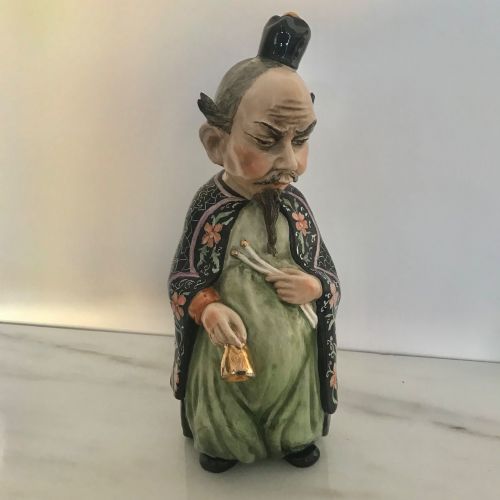


Polychrome Porcelain Sculpture
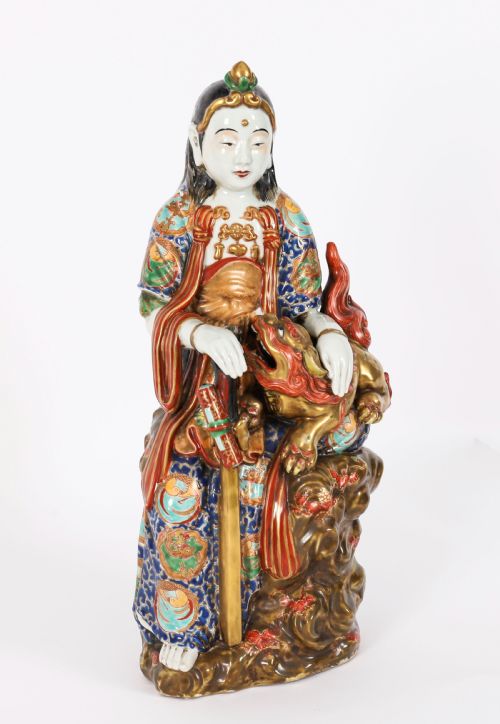
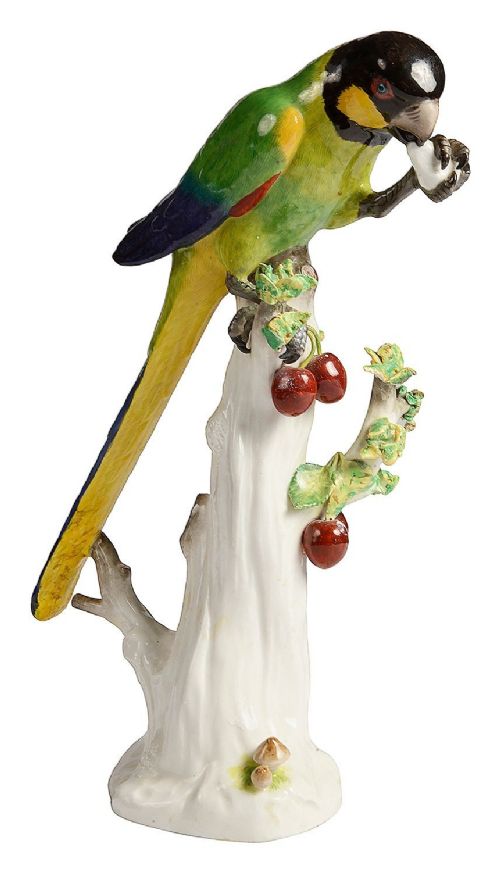
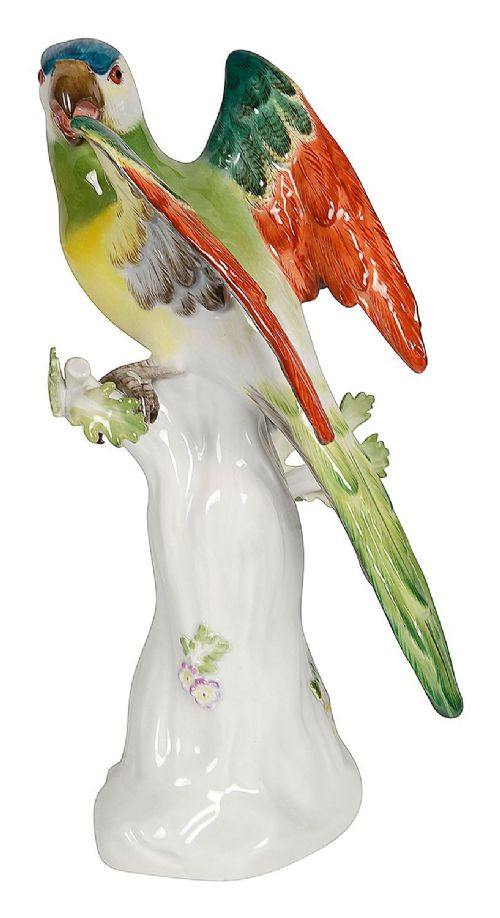
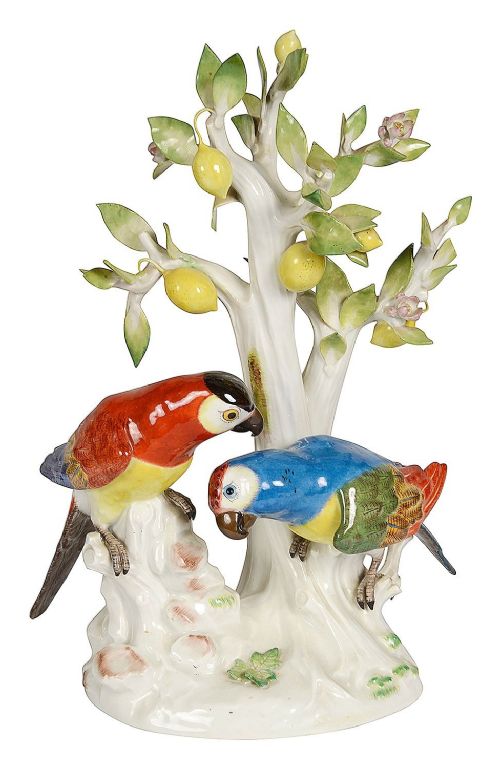
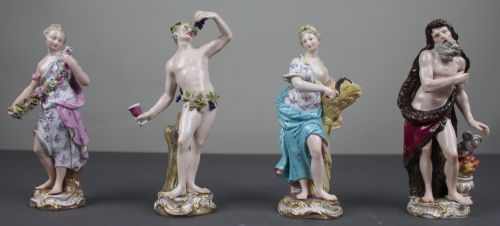
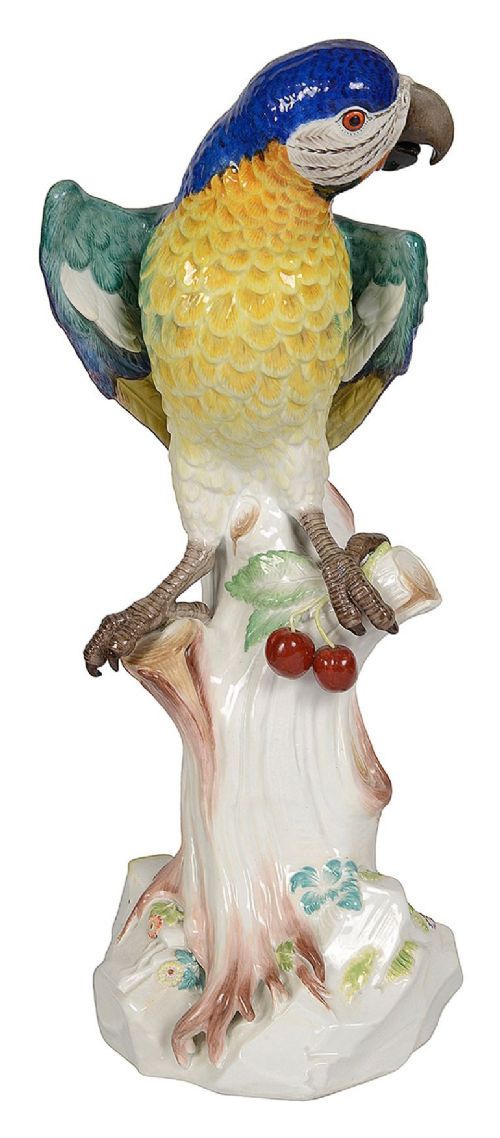
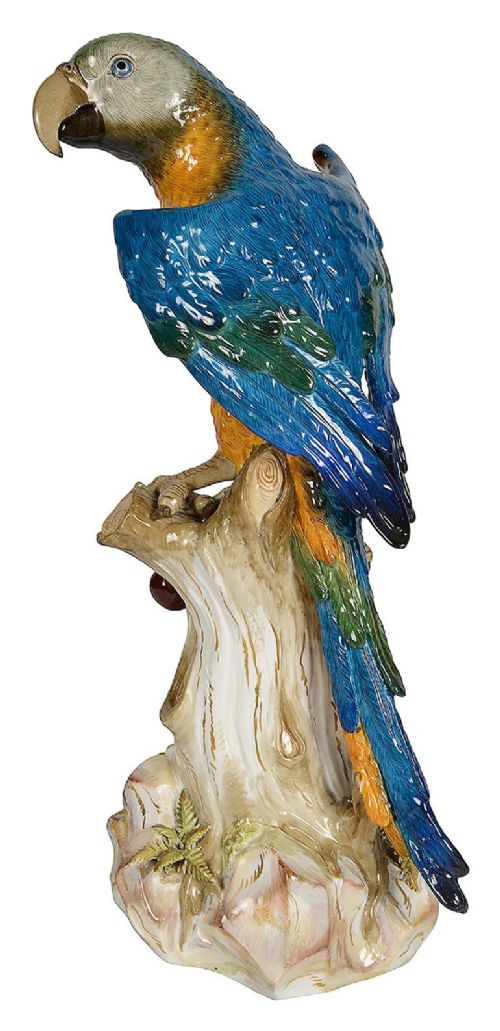
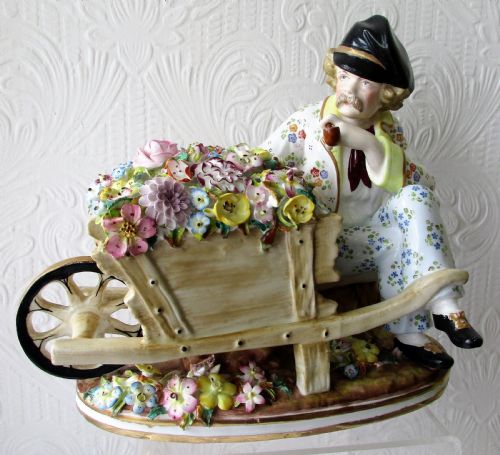
These polychrome porcelain sculpture works range from eighteenth-century European figures to Meiji period Japanese okimono, prized for intricate hand-painted detail and vibrant glaze colour.
Polychrome Porcelain Sculpture
A polychrome porcelain sculpture brings together modelled ceramic forms and rich multi-coloured enamel decoration. When exploring polychrome porcelain sculpture on this page, collectors encounter both European factory figures and Asian ceramic works.
The selection spans eighteenth-century Georgian derivations, nineteenth-century German salon pieces, and Japanese Meiji period works. Common formats include figural groups, birds, deities, and decorative attendants.
Makers from Meissen, Bow, and Derby sit alongside Kutani and Satsuma workshops. Each piece records specific historical styles, from Rococo revival groups to traditional Japanese motifs.
Materials and Construction
Makers utilised hard-paste porcelain, earthenware, and soft-paste bodies shaped into detailed figures and animal forms. Glazes, enamel colours, and occasional gold leaf or gilt were applied by hand before firing.
Many European examples combine ceramic components with gilt bronze or ormolu mounts. Japanese works often incorporate intricate moriage relief details and hand-painted underglaze or overglaze pigments.
Listings feature hard-paste porcelain, earthenware, and gilt elements across eighteenth and nineteenth-century European and Japanese periods.
Markers of Quality
The complexity of the composition also dictates standing. Multi-figure groups, large scale animal models, and pieces retaining original gilding or complex underglaze tones represent the upper tier of production.
John Bevington·Makuzu Kozan II·Ernst Bohne Sohne
The Polychrome Porcelain Sculpture Glossary
- Polychrome
- Decorated in several colours. This term describes ceramics and sculptures painted with a diverse palette of enamels.
- Hard-paste porcelain
- A dense ceramic material composed of kaolin and petuntse. It fires at high temperatures to create a durable, vitrified body.
- Okimono
- A Japanese ornamental statue or sculpture. These pieces were designed for display on a shelf or in a tokonoma alcove.
- Moriage
- A Japanese ceramic technique using clay piped from a tube to build up raised decorative patterns. It creates a textured surface beneath the glaze.
- Enamel
- A decorative glass-like substance fused to the ceramic surface during firing. It provides the vibrant colours seen on these sculptures.
Polychrome Porcelain Sculpture: Frequently Asked Questions
What periods do these sculptures cover?
The selection spans from the mid-eighteenth century through to the early twentieth century.
European factories like Meissen and Derby operate alongside Meiji period Japanese studios.
How do European and Japanese pieces differ?
European works often depict pastoral scenes, allegorical figures, or naturalistic birds using hard-paste porcelain and enamel.
Japanese Satsuma and Kutani pieces typically represent deities, historical figures, and fauna using distinct regional glaze traditions.
Where were these figures displayed historically?
European porcelain groups decorated formal dining tables, mantelpieces, and cabinet displays in wealthy homes.
Japanese okimono served as interior ornaments placed within traditional reception rooms.
How are different factories identified?
Identification relies on painted or impressed factory marks, such as the Meissen crossed swords.
Style, paste composition, and modelling characteristics also help distinguish between German, English, and Asian origins.