
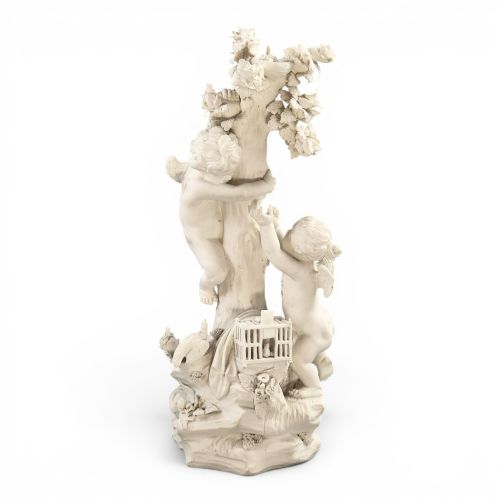


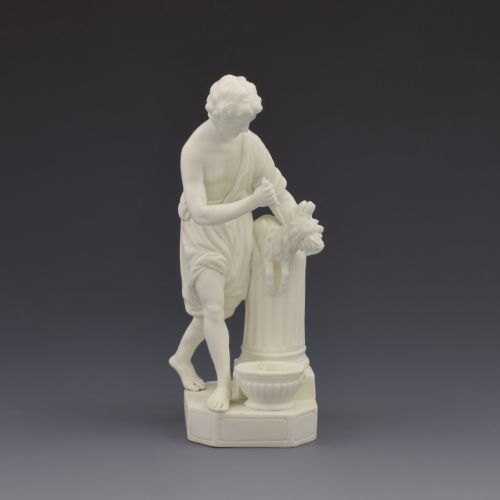


Antique Derby Sculpture
An antique derby sculpture brings tangible Georgian grace into a room, capturing mythological figures, pastoral allegories, and animals in delicate ceramic form.
Antique Derby Sculpture
Collectors seeking an antique derby sculpture will encounter graceful porcelain figures, intricate figure groups, and detailed animal models originating primarily from the Georgian era alongside occasional later pieces. The selection spans classical mythological representations, such as Zeus and the Three Graces, alongside charming pastoral subjects like shepherds, flower sellers, and wild boars.
The pieces often draw upon classical allegories, including the Four Elements and the Four Continents, rendered with characteristic artistic ambition. While the majority of examples date to the eighteenth century, the category also embraces nineteenth-century revivals and twentieth-century commemorative works.
Factors of quality and execution
The standard of an antique derby sculpture rests upon the crispness of the modelling, particularly in the rendering of facial expressions, drapery folds, and fine details like floral elements. Superior examples display confident, naturalistic posture and careful distribution of weight within complex figure groups.
The refinement of the hand painting and the precision of the gilding further distinguish exceptional pieces from simpler workshop output. Preservation of fragile elements, such as delicate bocage work and projecting limbs, also influences the overall standing of an example.
Even a nineteenth-century racehorse managed to immortalise the Derby name in ceramic form.
The Antique Derby Sculpture Glossary
- Biscuit porcelain
- Unglazed ceramic body fired to a matte, tactile finish that reveals the fine details of the modeller's work. It became particularly popular for neoclassical figures produced during the late eighteenth century.
- Bocage
- Applied background foliage made of porcelain, often pierced and enamelled to represent leafy arbours behind figures. This decorative element requires immense skill to survive the kiln intact.
- Soft-paste porcelain
- An artificial porcelain mixture used by early English factories before the widespread adoption of bone china. It possesses a warm tone and a distinctive texture beneath the glaze.
- Enamel
- Vitreous coloured decoration applied over the glaze or directly to the biscuit body and fired at a lower temperature. It provides the vibrant palette seen on pastoral and mythological figures.
- Gilding
- The application of gold leaf or gold paint to highlight borders, garments, and architectural details. The brilliance of the gold adds a layer of formal elegance to the finished sculpture.
Antique Derby Sculpture: Frequently Asked Questions
What subjects do these sculptures depict?
The pieces frequently portray classical deities, mythological scenes, and allegorical sets representing elements or continents. Other common subjects include pastoral workers, animals, and theatrical characters.
These varied themes reflect the changing tastes of collectors across the Georgian period and subsequent revival eras.
How do I distinguish biscuit porcelain from glazed pieces?
Biscuit porcelain is left entirely unglazed, presenting a matte surface that resembles marble and highlights fine sculptural details. Glazed figures feature a smooth, shiny vitreous coating that seals the ceramic body.
Both finishes were utilised effectively by the factory depending on the aesthetic requirements of the specific model.
Where were these figures made?
These sculptures originated from the renowned porcelain works established in Derby during the eighteenth century. The factory became celebrated for its artistic ambition and skilled modellers.
Production continued to evolve through subsequent centuries, incorporating various styles from rococo to neoclassical.
How should I care for an antique porcelain figure?
Display the sculpture away from direct sunlight and sources of extreme heat to protect the delicate enamels and gilding. Dust the piece gently with a soft, dry brush rather than using liquid cleaners.
Because fragile appendages and bocage work are vulnerable to impact, place the sculpture on a stable, secure surface.