


Georgian Porcelain Group
These georgian porcelain group pieces capture mythical scenes and rustic characters, offering collectors a tangible piece of eighteenth-century craftsmanship.
Georgian Porcelain Group
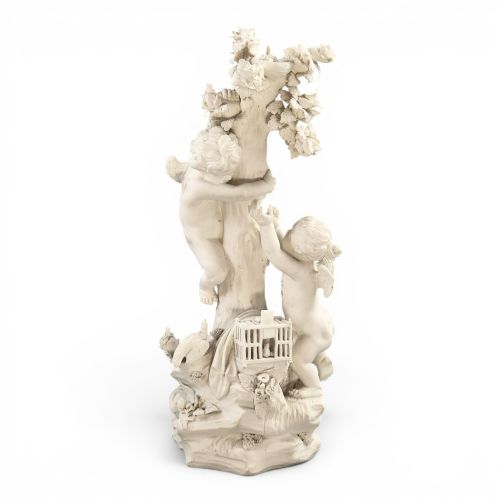
A georgian porcelain group brings together multi-figure sculptural compositions modelled in soft-paste porcelain, biscuit porcelain, or pearlware. These works range from classical allegories depicting deities and mythological figures to charming pastoral scenes of musicians and children.
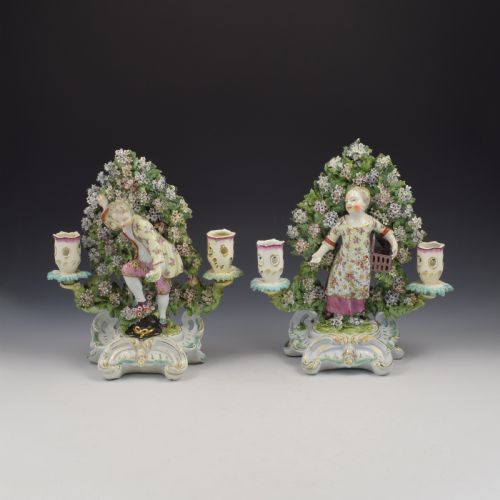
Buyers most frequently encounter Derby figures alongside Staffordshire pottery groups within this selection. The forms span candlesticks entwined with bocage foliage, large-scale sculptural groups, and detailed figurines representing trades and elements.
Materials and manufacture
Painters applied gold leaf and gilding to accentuate decorative borders and attributes, while bocage elements required intricate hand-applied foliage surrounding the central figures.
Father Time appears surprisingly busy clipping Cupid's wings in several eighteenth-century sculptures.
Assessing the quality
Quality rests primarily on the sharpness of the modelling and the precision of the enamel painting. Finer examples retain crisp details in facial expressions and delicate foliage without heavy glaze pooling.
The complexity of the composition distinguishes superior pieces, particularly multi-figure groups that demand advanced balancing and structural support during the firing process.
Derby·Staffordshire·Ludwigsburg·Walton
The Georgian Porcelain Group Glossary
- Soft-paste porcelain
- A vitreous ceramic composition developed in Europe before the discovery of hard-paste formulas, known for its warm glaze tone. It accepts enamel colours with a distinctive softness.
- Biscuit porcelain
- Unglazed fired porcelain that yields a matte, stone-like surface finish. This technique highlights the fine detail of sculptural modelling.
- Bocage
- Applied ceramic foliage and background greenery framing a figure group. It draws inspiration from natural woodland settings.
- Pearlware
- A refined earthenware developed in the late eighteenth century featuring a faint bluish glaze. Potters used it widely for Staffordshire figural groups.
Georgian Porcelain Group: Frequently Asked Questions
What is a porcelain group?
A porcelain group consists of two or more modelled figures interacting within a single sculptural composition. These works often depict mythological narratives or allegorical themes.
They serve primarily as decorative mantel or table centrepieces rather than functional tableware.
How do I spot a bocage figure?
Bocage figures feature an elaborate background of applied ceramic leaves and branches wrapping around the main subjects. This foliage creates a leafy arbour effect.
It is characteristic of eighteenth-century figures designed to mimic natural bowers.
What is biscuit porcelain?
Biscuit porcelain is fired ceramic material left completely unglazed with a matte, chalky texture. It resembles carved marble rather than glossy pottery.
Derby workshops frequently utilised this finish for classical mythological groups.
How do these differ from pottery groups?
Porcelain groups utilise vitrified paste materials that often display translucency under bright light. They tend to feature refined enamel painting and gilt highlights.
Pottery groups like pearlware employ earthenware bodies with heavier glazes and different firing properties.
How should I display them?
These figures require stable, enclosed shelving away from direct sunlight and heavy traffic areas. Their protruding elements and delicate bocage need careful clearance.
Proper placement protects the intricate painted surfaces and fragile appendages from accidental knocks.