

Polychrome Floral Ceramic
Polychrome floral ceramic pieces bring vibrant hand-painted colour to interiors, drawing collectors with their detailed botanical and figural designs.
Polychrome Floral Ceramic
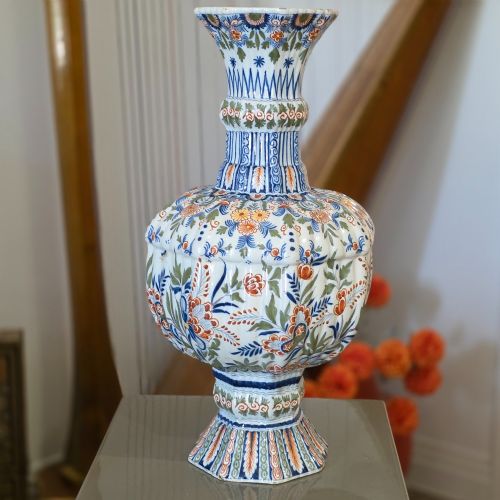
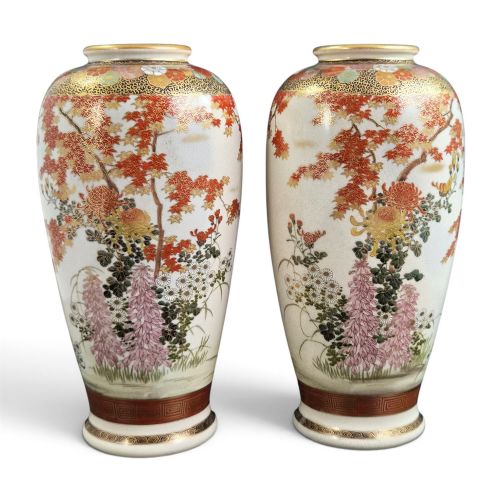
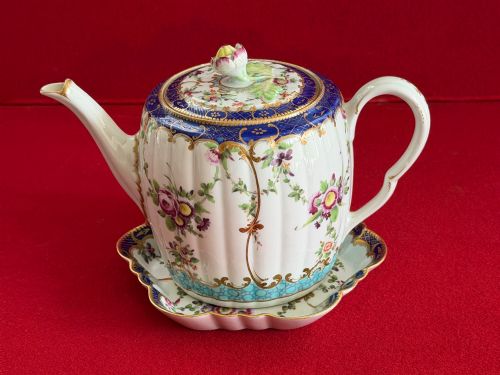
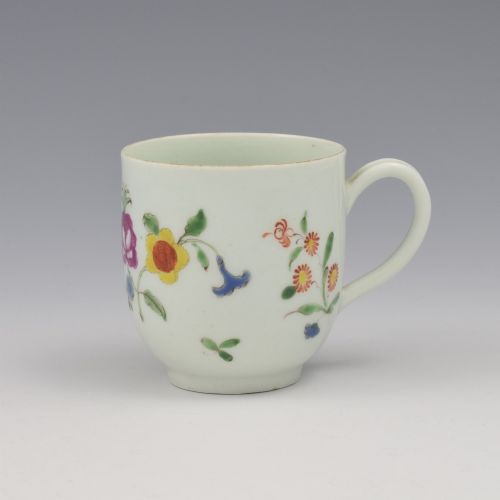
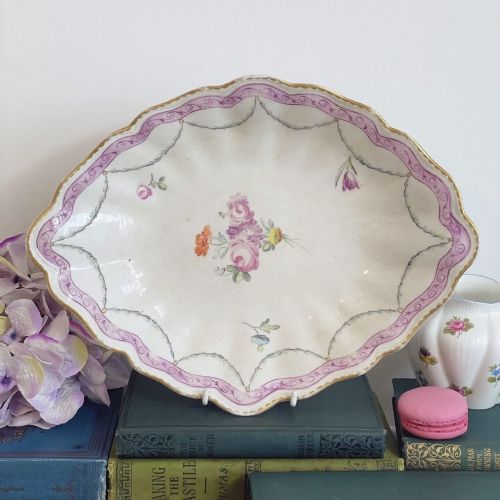
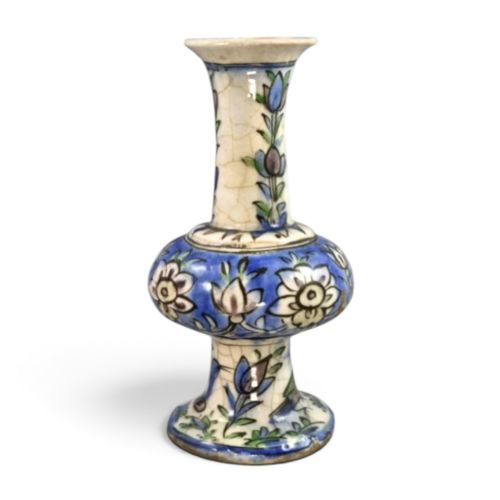
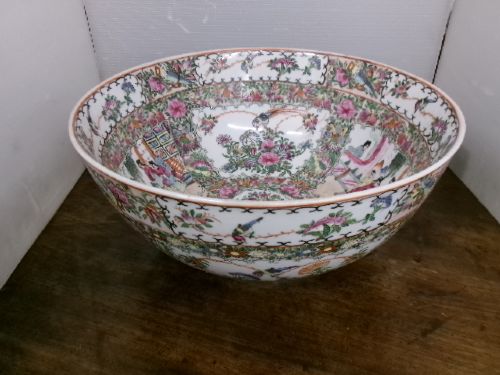
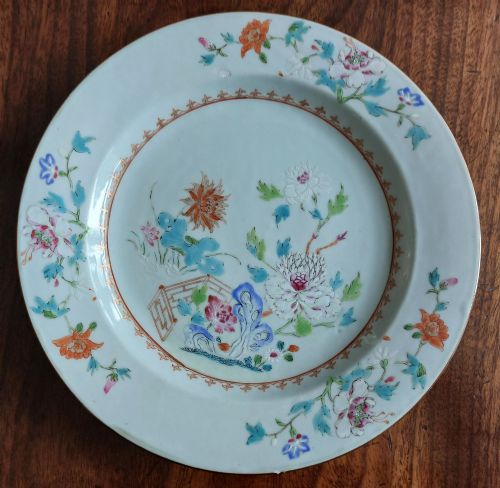
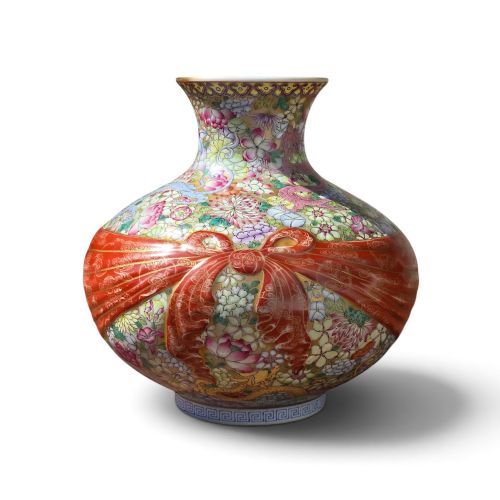
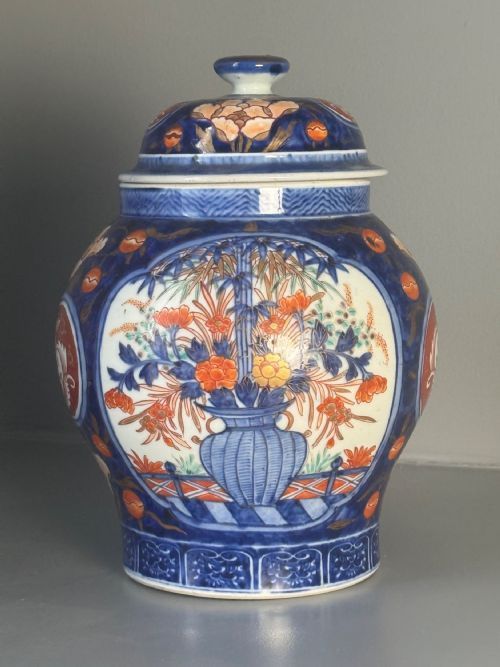
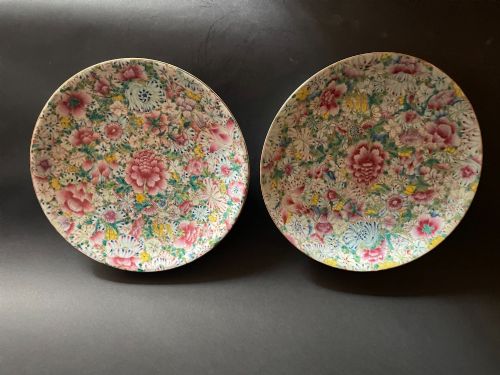
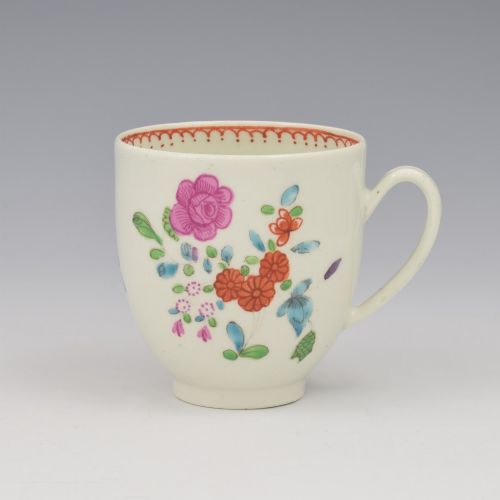
Polychrome floral ceramic encompasses a broad range of wares adorned with multi-coloured painted motifs, predominantly featuring botanical and floral subjects. You encounter these across various forms including vases, decorative plates, chargers, teapots, and figural baskets spanning multiple centuries.
The selection ranges from English factories like Derby, Worcester, and Liverpool to continental European Faience, Delftware, and extensive Asian traditions such as Chinese Canton, Famille Rose, and Japanese Imari or Satsuma wares. Pieces date from the eighteenth century through to the early twentieth century, reflecting diverse regional aesthetics and technical developments.
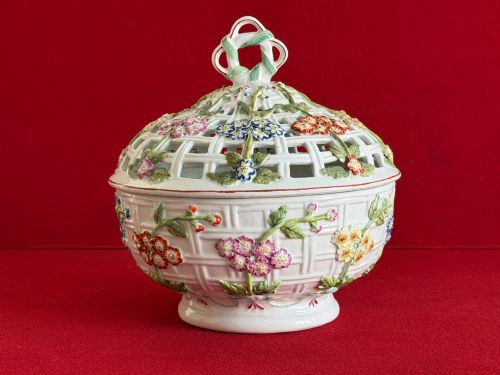
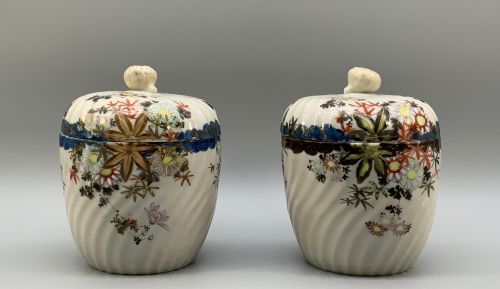
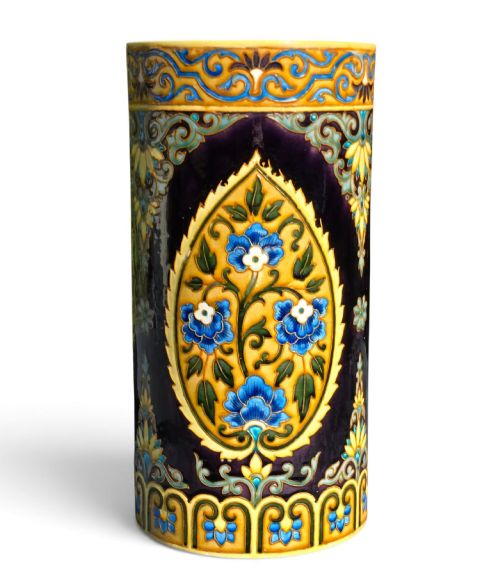
Objects vary from utilitarian vessels like cheese dishes and meat platters to purely ornamental umbrella stands, lidded jars, and porcelain figurines set amidst floral bocage. The common thread uniting these diverse items is the application of rich, multi-coloured enamel or glaze over ceramic bodies to depict flowers and nature.
Materials and construction
Potters shaped these objects using hard-paste porcelain, soft-paste porcelain, earthenware, and tin-glazed pottery bodies such as Delftware and Faience. Artisans then applied underglaze pigments or overglaze enamel colours by hand, frequently incorporating details in gold leaf, gilding, or iron-red.
Kiln firing fixed the ceramic body and initial glazes before subsequent firings fused the delicate enamel colours onto the surface. Certain styles, such as Japanese Satsuma, employed moriage techniques to build up raised enamel designs, whilst others utilised copper enamel bases or intricate pierced basketwork.
A porcelain lady with her lamb shares shelf space with fierce dragons and game plates, proving that historic floral ceramics take pastoral charm quite seriously.
Assessing quality and execution
Quality rests significantly on the precision and fluency of the hand-painted decoration, where confident brushwork distinguishes superior artistic output from mechanical repetition. The delicacy of the floral detail, the richness of the enamel palette, and the successful integration of gilding indicate higher tiers of craftsmanship.
The refinement of the ceramic body itself - whether a translucent porcelain throwing or a finely potted earthenware form - also separates standard domestic wares from exceptional factory productions. Furthermore, the crispness of moulded elements such as bocage leaves, figural modelling, and scalloped edges demonstrates the maker's technical capability.
Richard Chaffers·Mann And Co
The Polychrome Floral Ceramic Glossary
- Polychrome
- Decoration executed in multiple colours. This technique allows for complex pictorial scenes and detailed floral arrangements across the ceramic surface.
- Bocage
- An arbour or background of foliage and flowers made in relief behind ceramic figures. It is frequently seen on eighteenth-century porcelain candlesticks and groups.
- Famille Rose
- A Chinese ceramic palette introduced in the Qing dynasty distinguished by opaque pink enamel colours. The style often incorporates intricate floral and figural compositions.
- Imari
- Japanese export porcelain decorated in underglaze blue, iron-red, and gilt. The style originated in the Edo period and became widely collected in Europe.
- Tin-glazed
- Earthenware coated with a white tin oxide glaze that provides an opaque background for painted decoration. This method defines traditional Delftware and Faience.
Polychrome Floral Ceramic: Frequently Asked Questions
Can I use these ceramic dishes for food?
Many antique plates, platters, and bowls were originally created for domestic dining and serving use. However, centuries of wear can make historic glazes and enamel pigments vulnerable to acidic foods and modern detergents.
It is generally advisable to treat older ceramics, especially those with delicate hand-painting or overglaze gilding, as decorative display objects rather than functional tableware.
How do I distinguish eighteenth-century porcelain?
Examine the unglazed footrim of the piece, known as the base, for signs of wear, firing scars, and the texture of the paste. Eighteenth-century bodies often show characteristic potting flaws, lighter weight, and subtle variations in glaze pooling.
Look closely at the hand-painted brushwork and palette, which tend to use specific enamel formulations typical of early factory periods before industrial transfer printing became widespread.
What is the difference between Delftware and porcelain?
Delftware is a tin-glazed earthenware made from a coarser, opaque clay body that absorbs light and yields a softer structure. Porcelain is a vitrified, denser ceramic material that can achieve extreme thinness and often possesses translucency when held to the light.
While both carry polychrome floral painting, the underlying ceramic substrate dictates the weight, resonance, and manufacturing technique of the object.