


Vintage Faience Vase
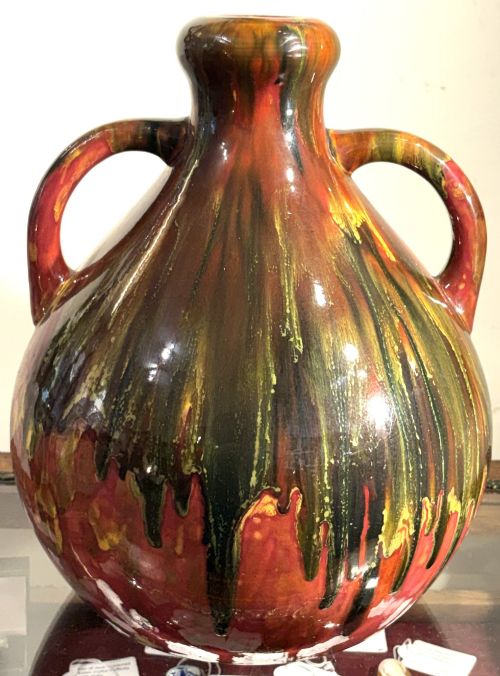
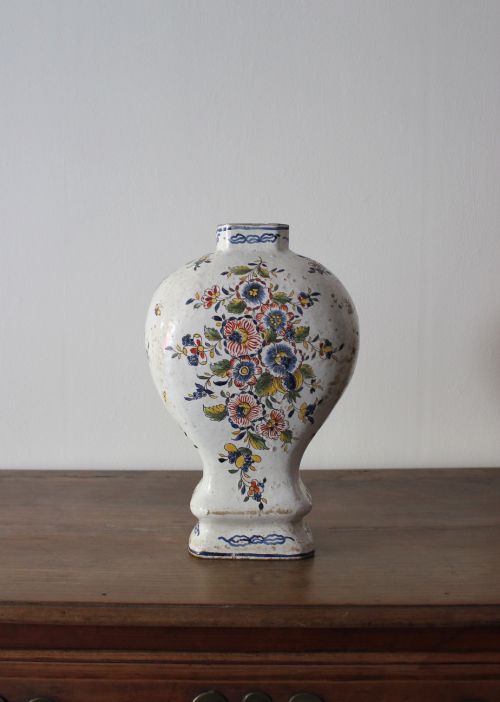
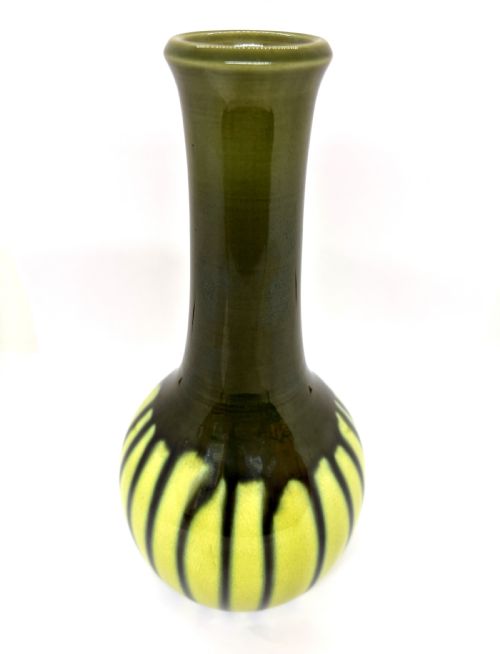
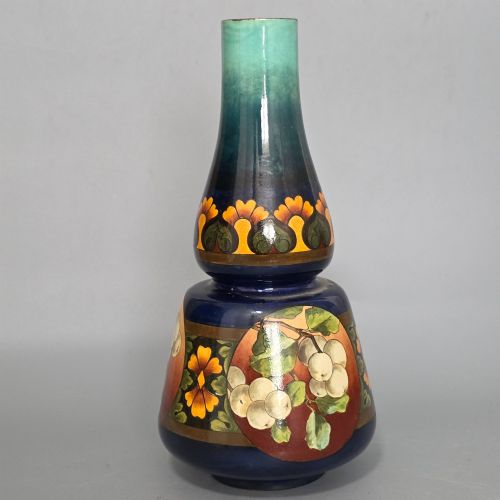
These vintage faience vase pieces combine tin-glazed earthenware bodies with hand-painted decoration across several European traditions.
Vintage Faience Vase
When you search for a vintage faience vase, you encounter earthenware vessels finished with an opaque tin glaze. The selection spans centuries of European ceramics, including examples from English potteries and continental workshops.
The forms range from single vessels and table lamps to pairs of lidded urns and wall pockets. These pieces cross various historical styles, encompassing Dutch Delftware, Italian maiolica, and French production.
The makers represented include major Victorian art pottery works alongside historical workshops producing traditional forms. Each piece offers a distinct interpretation of tin glazing techniques developed over generations.
How they were made
The underlying body consists of earthenware clay shaped by hand or on a wheel, providing a porous foundation for the surface finishes. Potters applied a tin-rich glaze to create a white or tinted opaque ground suitable for painting.
Decorators painted directly onto the unfired or raw glaze using metallic oxides that bonded during the firing process. This technique allowed for intricate blue and white patterns, polychrome floral designs, and Chinoiserie motifs.
The listings on this site span periods from the 17th century to the early 20th century, utilising earthenware, ceramic, and tin glaze materials.
What varies in quality
The refinement of the tin glaze and the control shown during the firing process set individual pieces apart. Smooth, even surfaces without excessive pitting indicate greater technical skill in the workshop.
The execution of the hand-painted decoration determines the visual success of the piece. Precise brushwork, balanced composition, and clarity of pigment separate standard production from exceptional examples.
Burmantofts Pottery·Doulton Lambeth·Alice Euphemia Thatcher·Cantagalli
The Vintage Faience Vase Glossary
- Faience
- Tin-glazed earthenware originating in Europe. The term covers various traditions of glazed pottery from France, Italy, Holland, and England.
- Tin Glaze
- An opaque ceramic glaze containing tin oxide. It provides a white background for painted decoration and seals the porous earthenware body.
- Maiolica
- Italian tin-glazed earthenware decorated with colours on an opaque white glaze. This tradition influenced later pottery styles across Europe.
- Chinoiserie
- European decorative motifs inspired by Chinese art and porcelain. These designs appear frequently on seventeenth and eighteenth-century tin-glazed vessels.
- Wall Pocket
- A decorative ceramic vessel designed to hang flat against a wall. Examples in this category include figural pottery forms like cats.
Vintage Faience Vase: Frequently Asked Questions
What is a vintage faience vase?
A vintage faience vase is an earthenware vessel finished with an opaque tin glaze and decorated with hand-painted designs. These pieces originate from various European ceramic traditions spanning the seventeenth century to the early twentieth century.
The category includes traditional styles such as Dutch Delftware, Italian maiolica, and French art pottery. They serve as decorative objects, and some historical examples have been converted into table lamps.
How do I date a faience vase?
Dating relies on stylistic markers, glaze characteristics, and any workshop marks or signatures present on the base. Pieces from the seventeenth and eighteenth centuries often feature traditional blue and white Chinoiserie or floral painting.
Later nineteenth and twentieth-century examples incorporate Victorian art pottery styles or Art Nouveau forms. Comparing the painted palette and clay body to known historical periods helps narrow down the origin.
Can I use these vases for fresh flowers?
Many of these vessels were designed for display rather than holding water, particularly older tin-glazed earthenware. The porous nature of the clay and historical glaze can sometimes allow moisture to seep through over time.
Using a discreet glass or plastic insert inside the vase protects the interior from water damage. This preserves the original earthenware body and glaze while allowing you to display fresh stems safely.
How should I clean and care for my vase?
Careful dusting with a soft, dry cloth is usually sufficient for routine maintenance. Avoid immersing older tin-glazed earthenware in water or using harsh chemical cleaners that might affect the glaze.
Keep the piece away from direct sunlight and areas subject to sudden temperature changes. Stable indoor conditions protect both the ceramic body and the historical painted surface.