


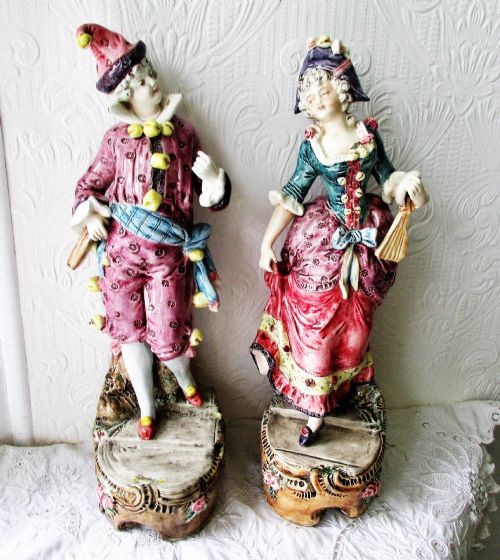
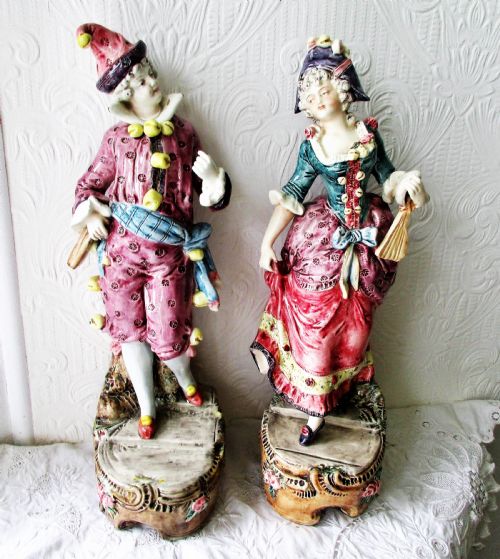
Polychrome Ceramic Ornament
A polychrome ceramic ornament brings colour and character into a room through moulded clay and painted glaze.
Polychrome Ceramic Ornament
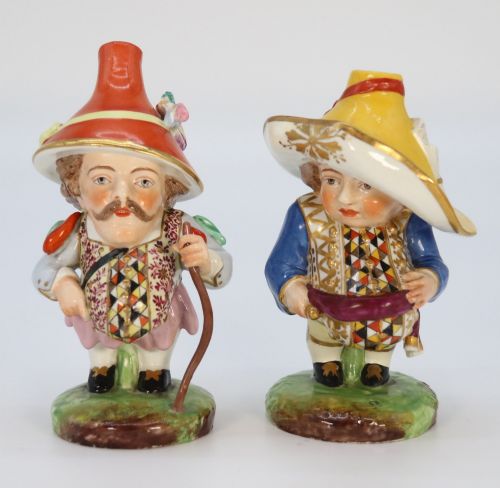
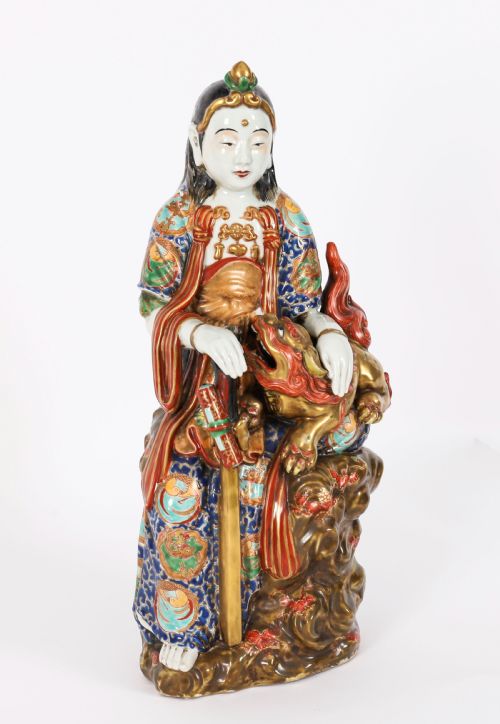
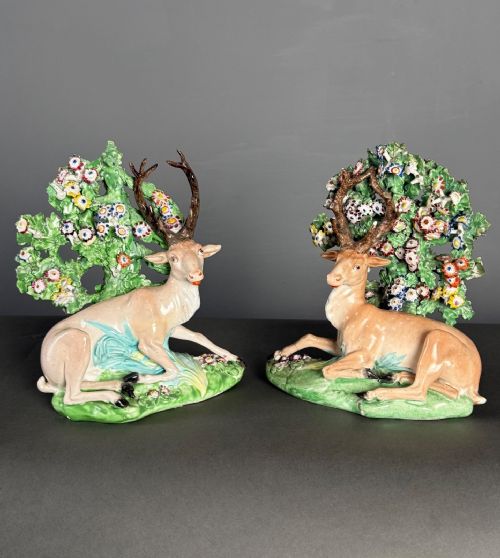
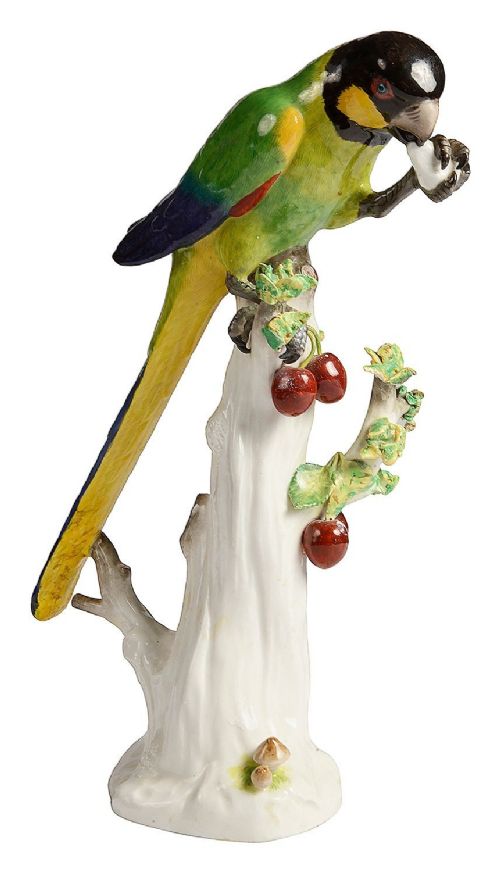
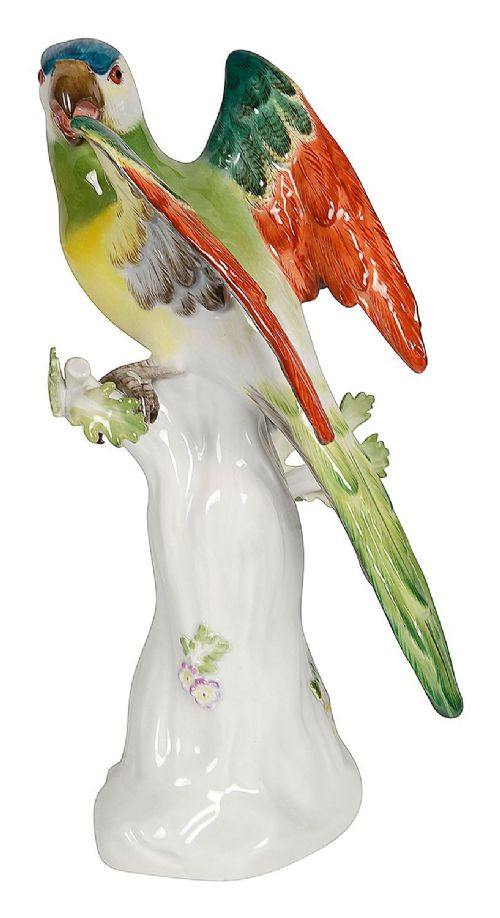
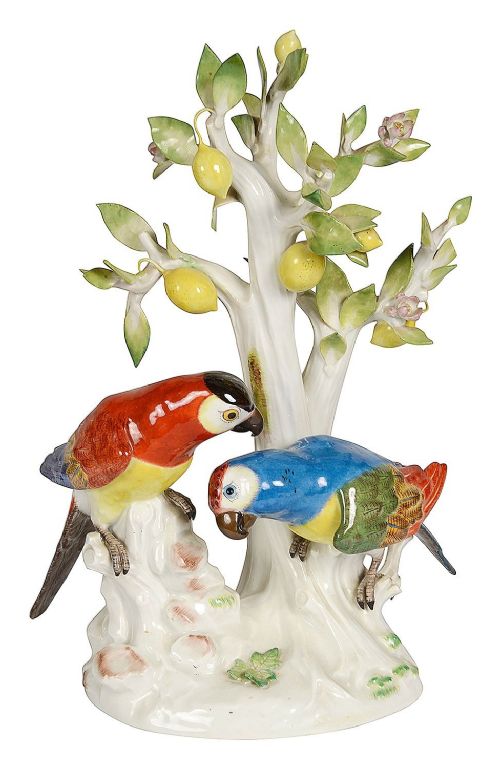
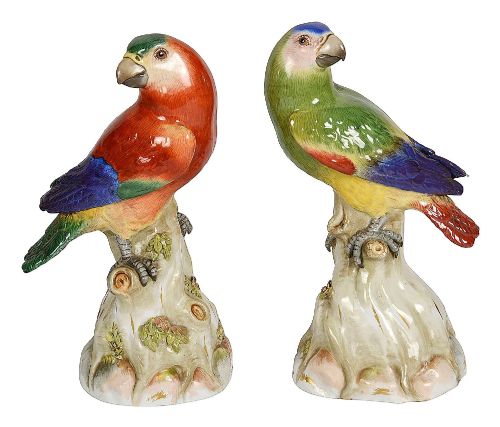
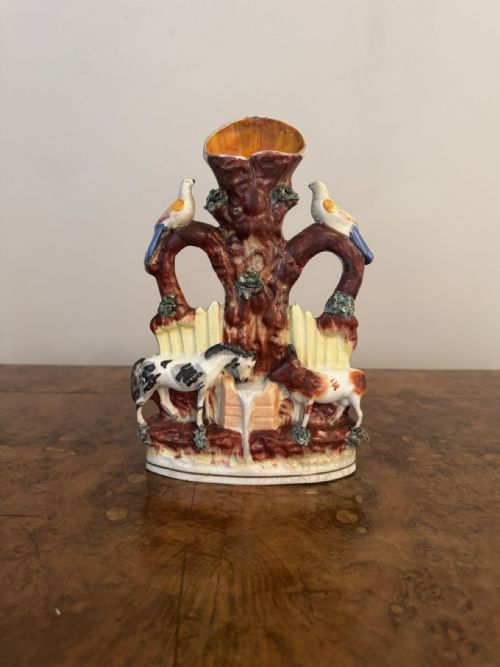
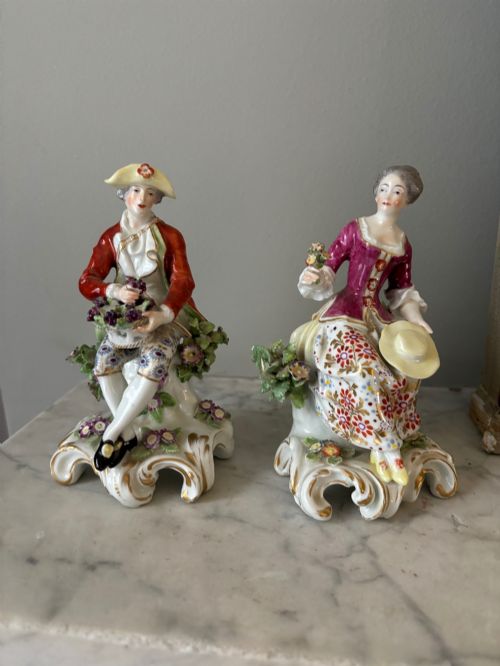
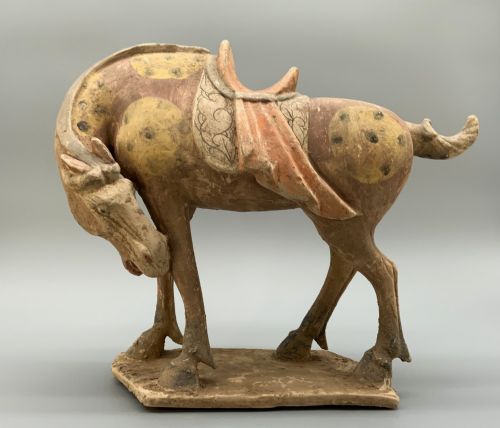
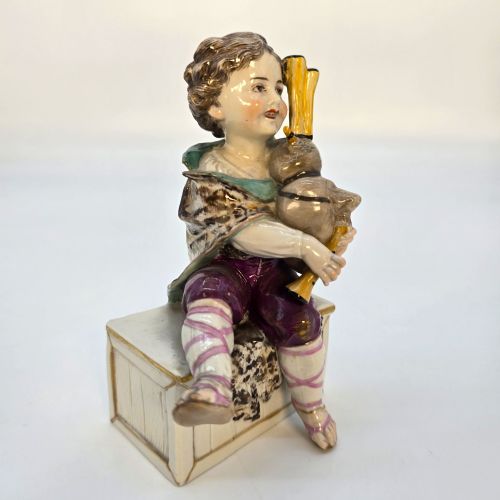
When you search for a polychrome ceramic ornament, you are looking at figurative figures, groups and sculptures modelled from porcelain, earthenware and pottery. These pieces span the eighteenth, nineteenth and early twentieth centuries, originating from English, continental European and Asian kilns. The selection on this page relies heavily on nineteenth-century Staffordshire figures, Meissen animal and human groups, and Japanese Meiji period okimono and deity sculptures.
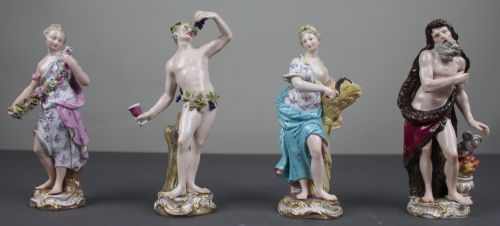
You will encounter various forms, ranging from single figures such as parrots and literary characters to complex allegorical sets representing the seasons or elements. Eighteenth-century examples include Derby and Bow porcelain figures, whereas later decades bring Victorian Staffordshire pottery and vintage studio pottery. Each piece uses colourful glazes and enamel painting to depict historical, mythological or everyday subjects.
Materials and methods
Makers shaped these ornaments using soft-paste or hard-paste porcelain, earthenware and pottery, depending on the period and origin. Porcelain pieces underwent high-temperature firing to achieve a vitreous body, while earthenware and pottery items utilised lower temperatures and opaque glazes.
Surface decoration relied on hand-applied enamels, rich glaze colours and occasional gold leaf accents to define details on figures and animals. Moulds formed the primary body of the sculpture, followed by hand-modelling and retouching before the final firing fixed the pigments.
Listings feature porcelain, earthenware and pottery materials across the eighteenth, nineteenth and twentieth centuries.
Understanding quality differences
Quality in a polychrome ceramic ornament rests upon the crispness of the moulding and the skill of the enamel painting. Superior pieces display finely delineated facial expressions, delicate hand-painted brushwork on garments and feathers, and harmonious glaze distribution without muddy colours.
The sophistication of the modelling separates standard production wares from top-tier factory outputs or master studio pottery. Earlier eighteenth-century figures often show refined porcelain bodies and subtle modelling, whereas later Staffordshire pottery relies on robust folk character and vibrant block colour.
Meissen·Derby·Bow·Royal Doulton·Charles Vyse
The Polychrome Ceramic Ornament Glossary
- Polychrome
- Decorated in several colours. This term describes ceramics painted with diverse enamel pigments or glazes.
- Okimono
- A Japanese decorative object or figurine designed for display on a household shelf or tokonoma. These carved and ceramic pieces often portray deities, historical figures or everyday people.
- Soft-paste porcelain
- An artificial porcelain composition fired at lower temperatures than hard-paste. It possesses a slightly warmer tone and softer glaze surface.
- Earthenware
- Porous pottery fired at lower temperatures. It requires a glaze to become impermeable to liquids.
- Enamel
- Vitreous coloured composition fused to the surface of fired ceramic during a secondary low-temperature kiln run.
Polychrome Ceramic Ornament: Frequently Asked Questions
What are polychrome ceramic ornaments?
These pieces are moulded and glazed figures, animals and sculptural groups made from clay or porcelain. They are painted in multiple colours using enamels or coloured glazes.
They encompass everything from eighteenth-century porcelain figures to nineteenth-century Staffordshire pottery and Japanese Meiji period ceramic sculptures.
How were these ornaments used originally?
Owners placed these figures on mantelpieces, side tables and cabinets to display taste, wealth or literary interests. Many commemorated historical events, political figures or theatrical characters of the day.
Some sets, such as the seasons or elements, served an allegorical purpose within formal domestic interior decoration.
How do I care for a ceramic ornament?
Keep these pieces out of direct sunlight to prevent the enamel colours from fading over time. Dust them gently with a soft, dry brush rather than using liquid cleaners.
Avoid moving them frequently, as protruding elements like branches or limbs are vulnerable to accidental knocks.
How do I identify the period of a piece?
Examine the base for factory marks, anchor symbols or impressed numbers that correspond to specific kiln eras. The weight, glaze consistency and painting style also indicate whether an item belongs to the eighteenth, nineteenth or twentieth century.
Comparing the modelling style to documented factory examples helps confirm the date of manufacture.