

Victorian Staffordshire Flatback Ceramic
Victorian staffordshire flatback ceramic figures bring the grand theatre, royal events and rural idylls of the nineteenth century straight onto the mantelpiece.
Victorian Staffordshire Flatback Ceramic
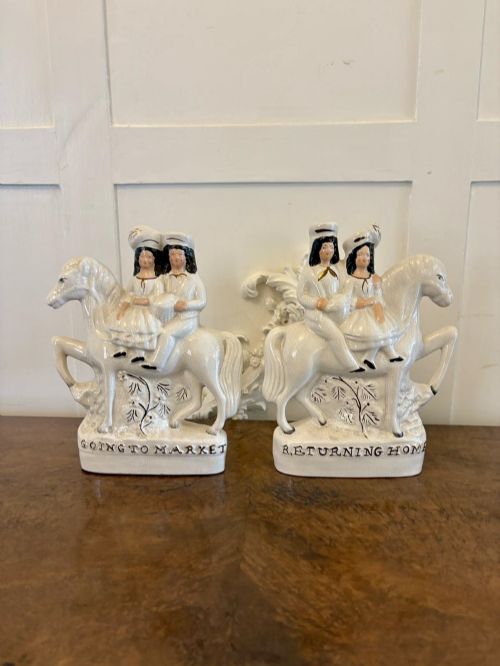
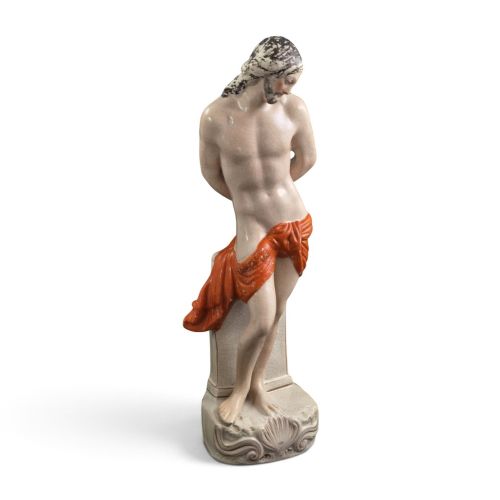
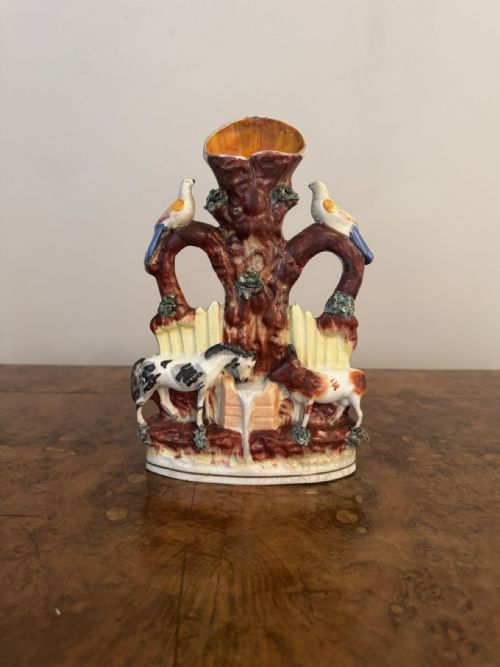
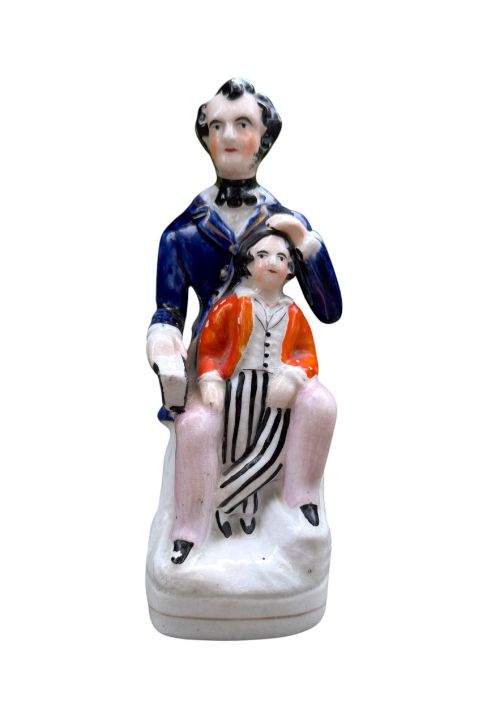
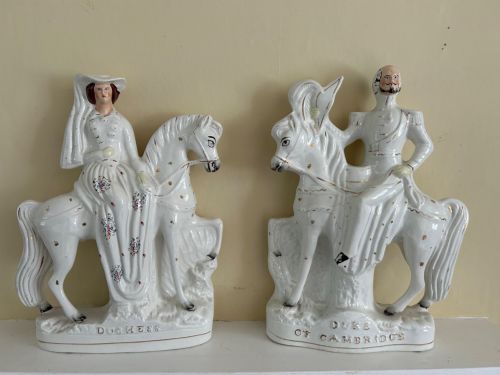
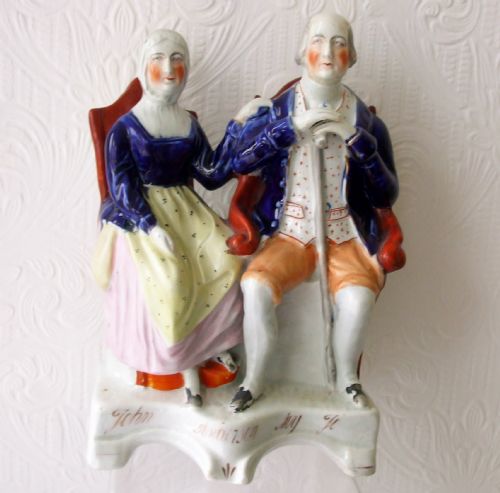
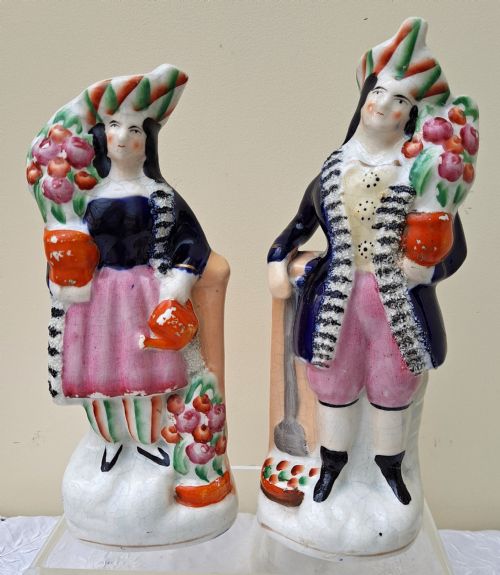
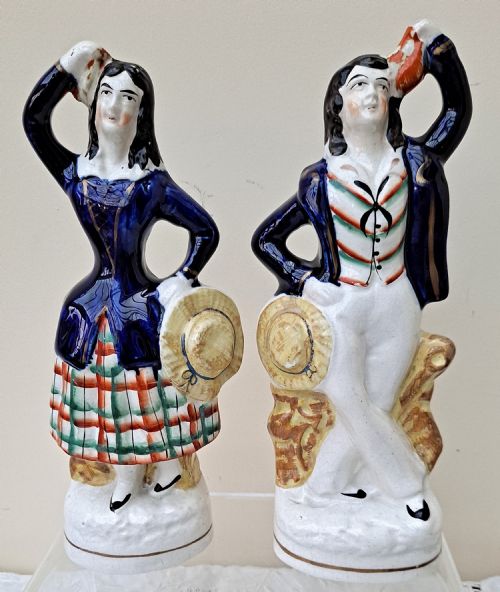
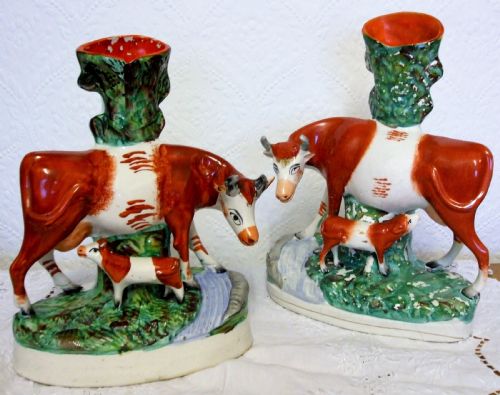
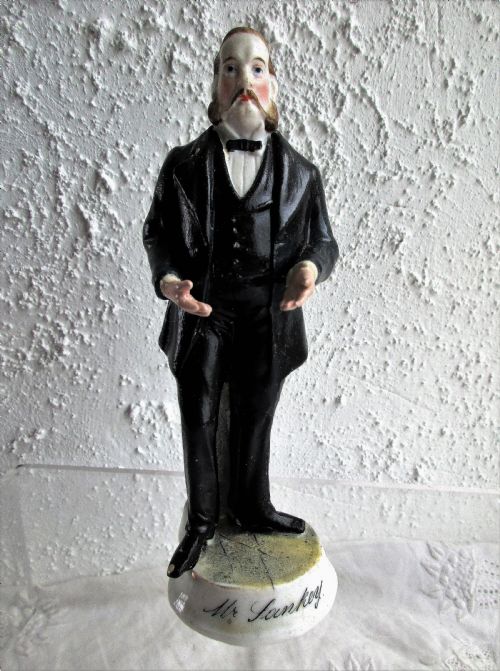
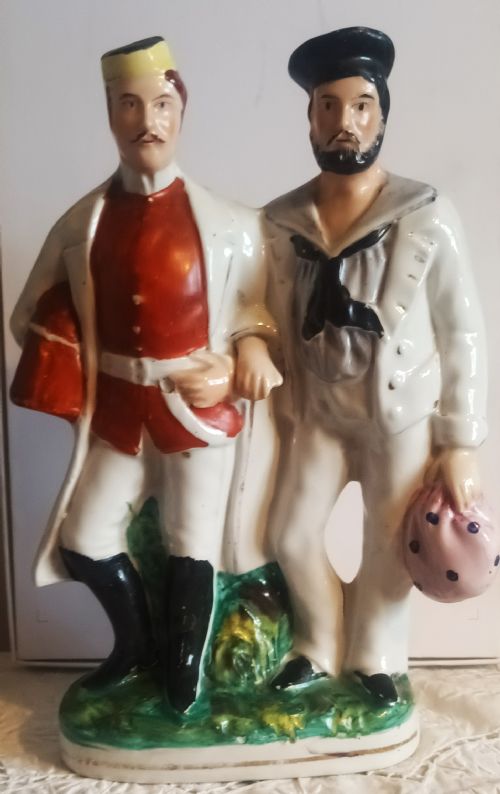
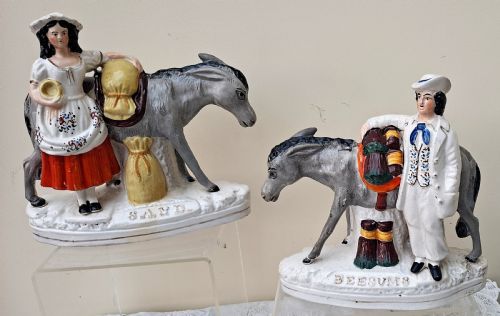
When you search for Victorian staffordshire flatback ceramic, you encounter pottery figures designed specifically for display on mantelpieces and shelves against a wall. The back is typically unglazed and flat, which distinguishes these mantel ornaments from freestanding sculptures that demand a view from every angle. The subjects span royal portraits, theatrical pairs, literary characters, and rustic animals such as cows, deer, and rustic cottages.
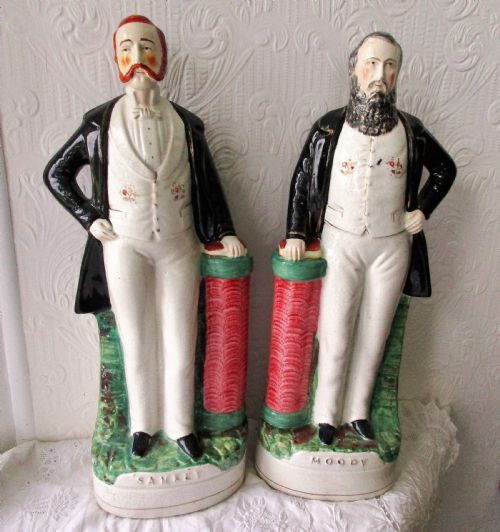
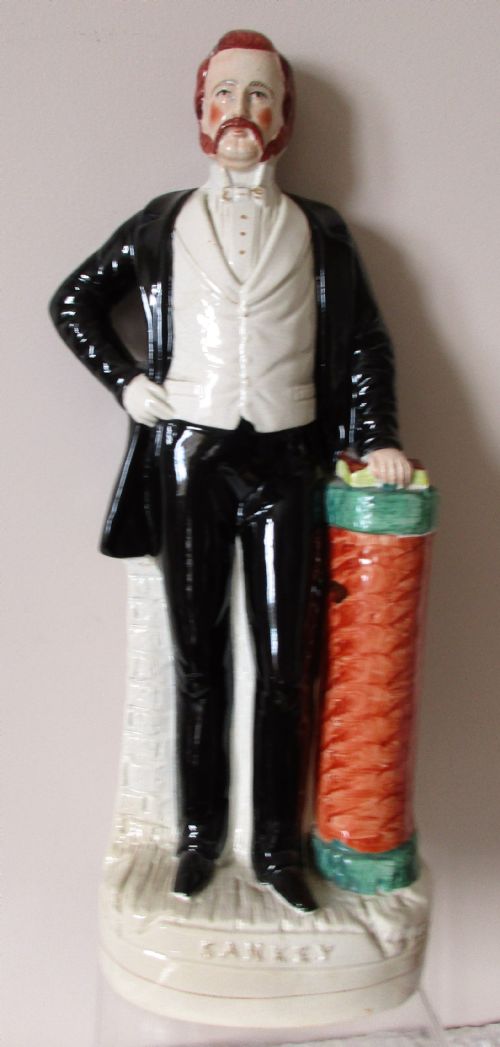
The objects derive from nineteenth century Staffordshire potteries, capturing contemporary news, politics, and folklore in clay. You find figures of Queen Victoria alongside military leaders from the Crimean War, religious evangelists, and characters from popular ballads and stories. Most examples on this page belong to the Victorian era, spanning the middle and later decades of the nineteenth century.
Materials and Construction
Potters shaped these pieces primarily using earthenware, applying a lead glaze to seal the porous clay body and impart a smooth, reflective surface. Enamel paint and gilt provide the colourful surface details and highlights, applied over or under the glaze depending on the workshop method. The flat backs were cast in moulds alongside the fronts, creating hollow figures that economised on weight and material for domestic hearths.
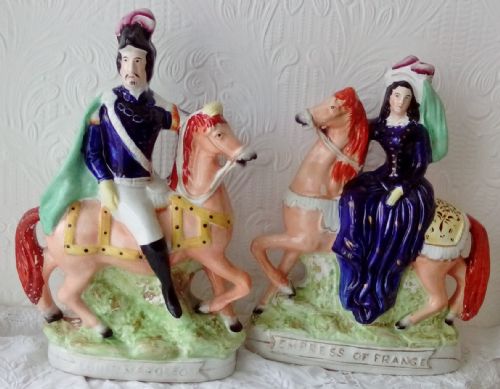
Several figures depict historical pairs, ensuring that even nineteenth century mantelpieces had to accommodate the dramatic tension of Louis Napoleon and the Empress of France.
Assessing Quality and Execution
Quality rests upon the crispness of the moulding and the skill of the hand painting that defines the facial expressions and costume details. Better examples display careful brushwork on the eyes and clothing, whereas lesser pieces rely on crude, hurried dabs of enamel paint. The depth and richness of the glaze and gilding further separate standard decorative stock from finer portrait and theatrical groups.
The Victorian Staffordshire Flatback Ceramic Glossary
- Flatback
- A pottery figure shaped with a flat, unglazed rear side intended to stand flush against a wall or mantelpiece. This design saved clay and production time.
- Spill vase
- A hollow pottery cylinder incorporated into the figure design to hold wooden spills for lighting candles or fires. These vessels combine practical function with decorative portraiture.
- Earthenware
- A porous pottery body fired at lower temperatures than stoneware or porcelain. It requires a glaze to become impermeable to liquids.
- Lead glaze
- A glossy coating containing lead oxide applied to earthenware before firing. It provides a smooth, protective finish that enhances the colours beneath.
- Enamel paint
- Vitreous coloured decoration applied to the fired and glazed ceramic surface. It is fixed by a second, lower temperature firing.
Victorian Staffordshire Flatback Ceramic: Frequently Asked Questions
What are Victorian staffordshire flatback ceramic figures?
These pieces are earthenware mantel ornaments manufactured in the nineteenth century with flat, unglazed backs. They depict historical figures, royalty, literary characters, animals, and rustic scenes.
Potters moulded and painted them to satisfy a domestic appetite for ornament and storytelling during the Victorian period.
How were these ceramic figures displayed?
People placed them on mantelpieces, ledges, and shelves where the flat back could rest securely against a wall. Their colourful glazes and theatrical subjects made them focal points in Victorian parlours.
Pairs of figures, such as theatrical characters or animal spill vases, often sat symmetrically on either side of a clock or centrepiece.
How do you date a flatback figure?
Dating relies on the historical events, royal marriages, or military campaigns depicted in the title. Subjects related to the Crimean War or specific royal weddings provide a clear terminus post quem for production.
Stylistic markers such as the depth of the glaze, the palette of the enamel paint, and the crispness of the earthenware mouldings also help determine the period.
Are all these figures made of porcelain?
Most pieces on this page are earthenware rather than porcelain. Earthenware is an opaque, porous ceramic that requires a lead glaze to hold liquids and achieve a glossy finish.
Potters utilised earthenware because it was economical to mould and fire in large quantities for the nineteenth century domestic market.