


English Earthenware Pottery Ornament
An english earthenware pottery ornament brings the robust charm of nineteenth-century parlours and cottage mantelpieces straight into your home.
English Earthenware Pottery Ornament
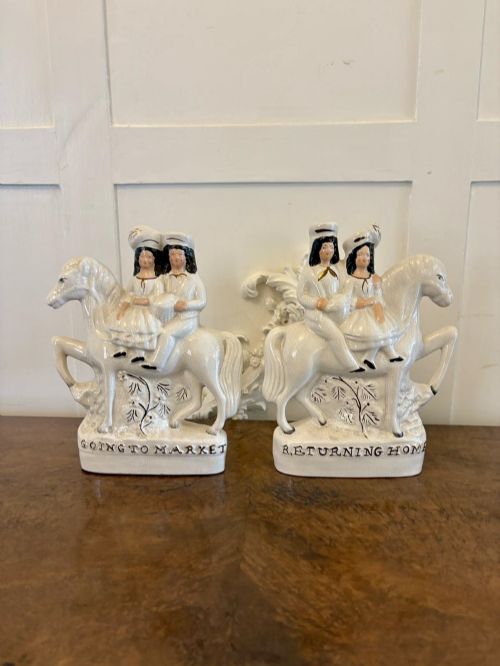
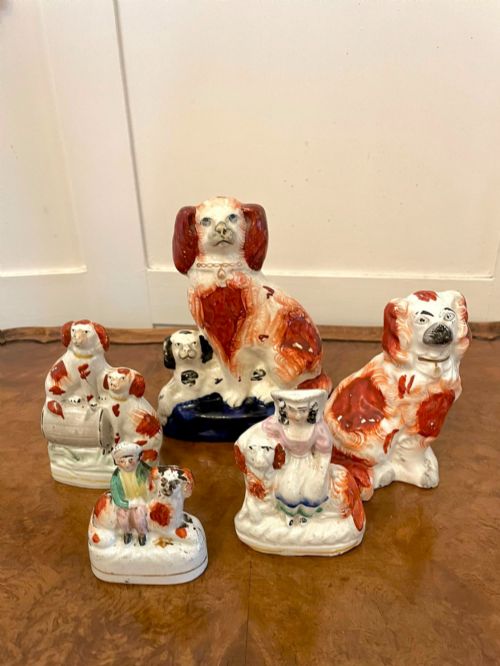
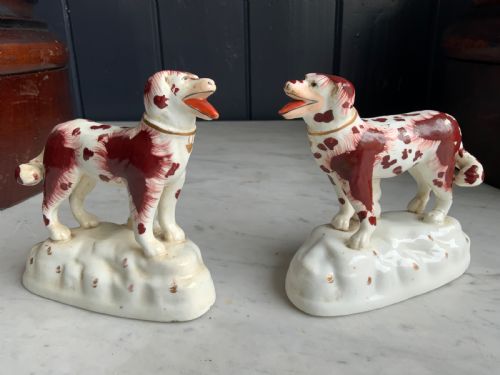
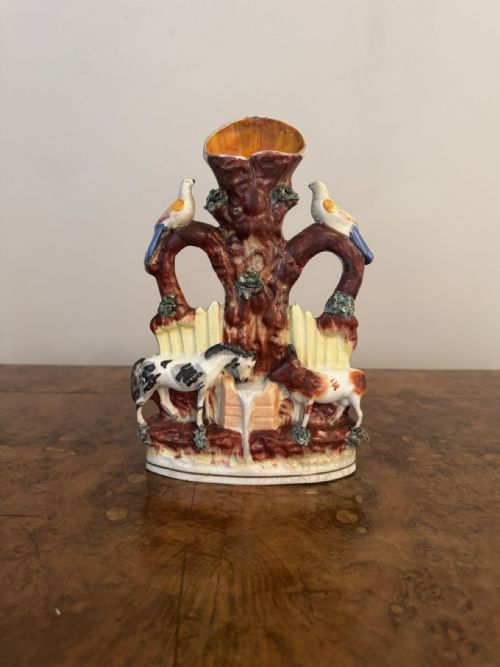
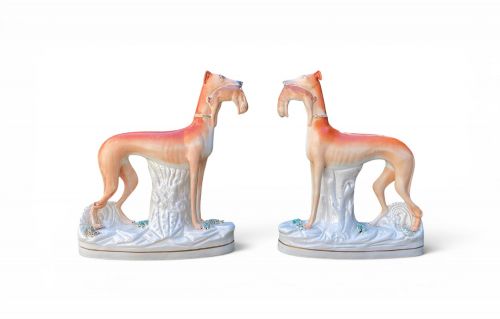
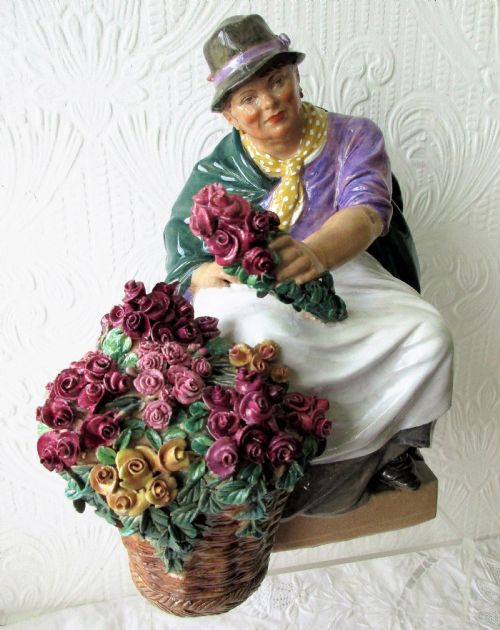
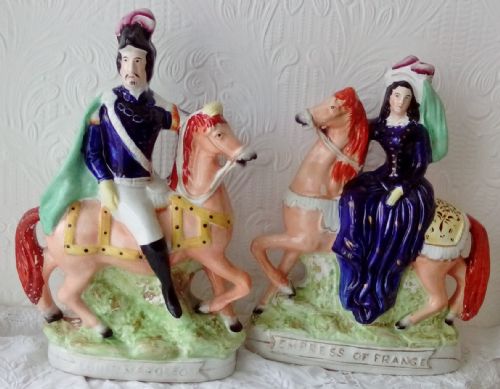
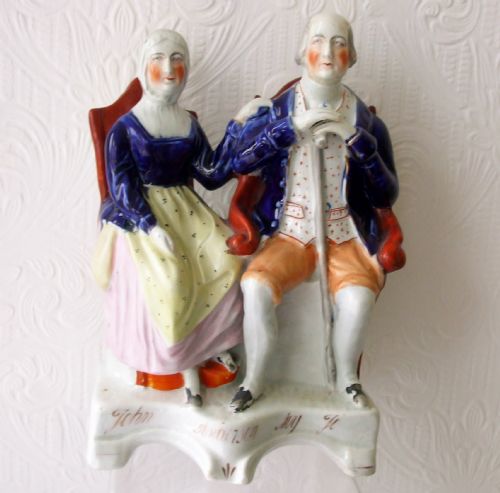
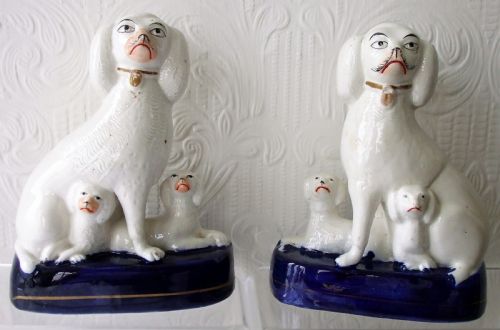
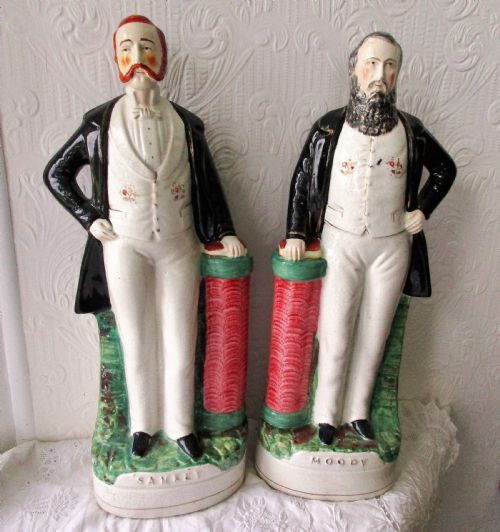
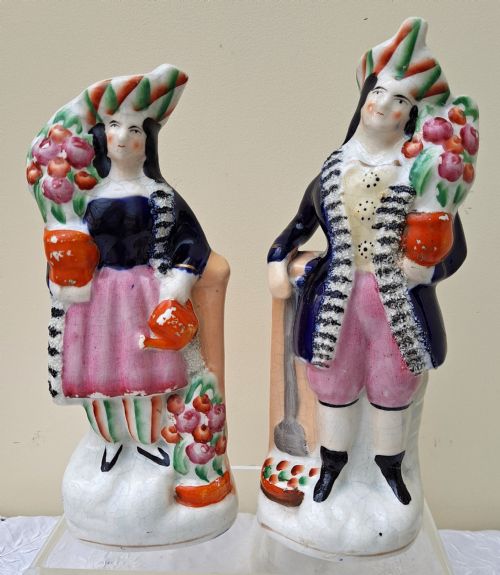
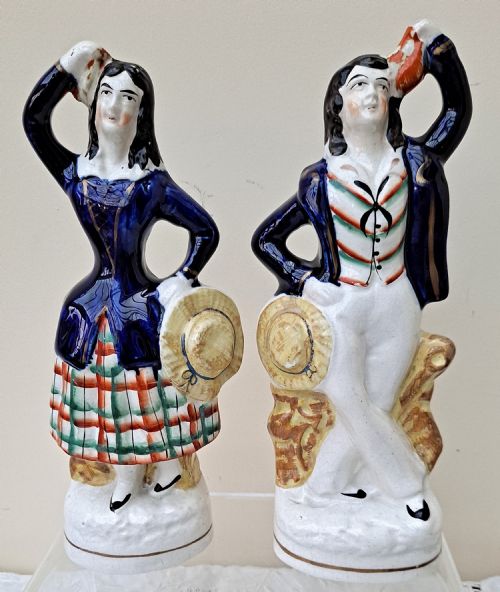
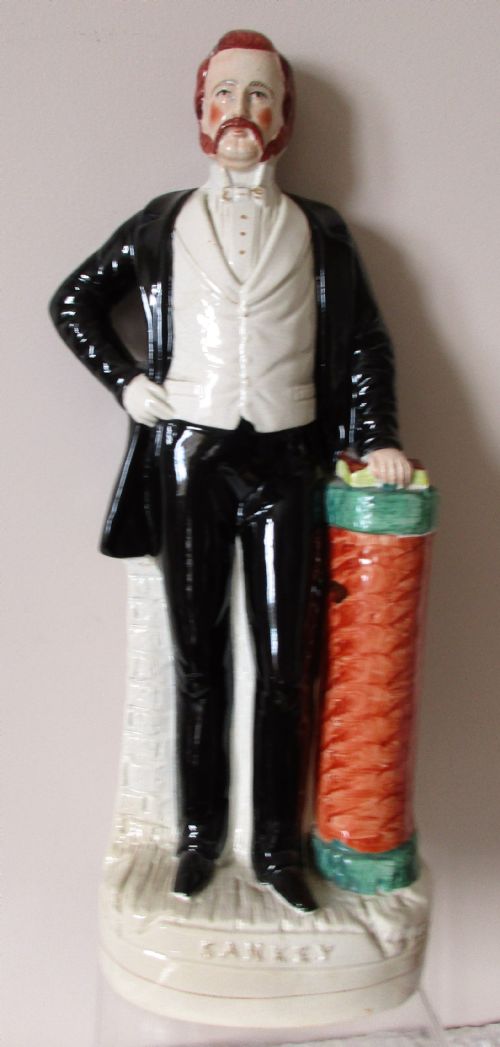
When you search for an english earthenware pottery ornament, you encounter a diverse array of figural ceramics spanning the nineteenth and early twentieth centuries. The selection on this page leans heavily toward Victorian Staffordshire figures, ranging from portrait groups and theatrical pairs to domestic animals and spill vases.
Moulded figures of spaniels, greyhounds, lions and country cottages dominate the offerings, alongside historical and literary characters. These pieces were originally made to decorate mantelpieces in modest homes, functioning as cheerful displays of popular culture and sentiment.
Materials and production
Potters shaped these ornaments using local clays to form earthenware bodies, which were then fired in kilns before receiving lead glazes or enamel colours. Many examples employ pearlware or traditional ceramic pastes finished with hand-painted details.
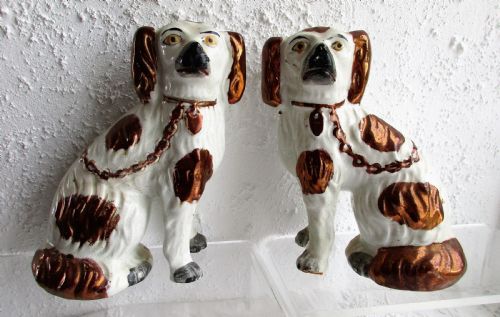
The decorative surfaces often combine bright enamel paints with rich treacle glazes, sometimes highlighted by touches of gold leaf. Potters cast the figures in moulds, smoothing the seams before applying the colourful glazes that define their bright appearance.
Nineteenth-century mantel dogs were routinely turned inward to face each other whenever the family went to sleep.
Markers of quality
The distinction between ordinary production pieces and superior works lies in the crispness of the moulding and the care taken with the enamel painting. Finer examples retain sharp facial expressions and clean detailing on the clothing or fur, rather than blurred outlines from worn moulds.
Application of colour also separates standard figures from the best specimens, with skilled brushwork bringing life to eyes and patterned garments. The depth of the glaze and the preservation of the original enamel pigments dictate the visual strength of the piece.
Charles Vyse·Rockingham Pottery·Mexborough
The English Earthenware Pottery Ornament Glossary
- Earthenware
- Porous pottery fired at lower temperatures than stoneware or porcelain. It requires a glaze to hold liquids and forms the structural base for most traditional mantelpiece figures.
- Spill Vases
- Hollow figural ornaments featuring a small cylindrical vase attached to the back. Victorians placed these on mantelpieces to hold wooden spills used for lighting candles and fires.
- Treacle Glaze
- A dark, rich brown lead glaze heavily saturated with manganese. It creates a glossy, translucent finish seen frequently on nineteenth-century lion and animal figures.
- Flat Back
- A construction method where the rear of a figural ceramic is left unadorned and flat. This allowed potters to save materials and place the ornaments flush against cottage walls.
English Earthenware Pottery Ornament: Frequently Asked Questions
What are Staffordshire dogs called?
Staffordshire dogs are frequently referred to as comforter spaniels or mantel dogs. Potters modelled these popular figures in pairs to sit on either side of a fireplace.
Victorian households placed them on mantelpieces to watch over the room. They remain the most recognizable form of nineteenth-century ceramic ornament.
How do I date an earthenware ornament?
Dating relies on stylistic clues, glaze types, and the historical subjects depicted. Figures commemorating specific nineteenth-century military campaigns or political figures offer clear chronological markers.
Examining the base and the weight of the ceramic paste also helps determine age. Earlier pieces often display finer potting and distinct glaze pooling compared to later reproductions.
Where should I display my figures?
These ornaments suit traditional mantelpieces, bookshelves, and sturdy sideboards where they can be viewed at eye level. Placing them away from direct heat and heavy foot traffic protects the fragile enamel painted surfaces.
Pairing matching figures together recreates their original Victorian display style. Ensure the supporting furniture is stable to prevent accidental tipping.