


Period Oak Bureau
A period oak bureau brings solid timber history and clever compartmentalised writing space straight into a modern study.
Period Oak Bureau
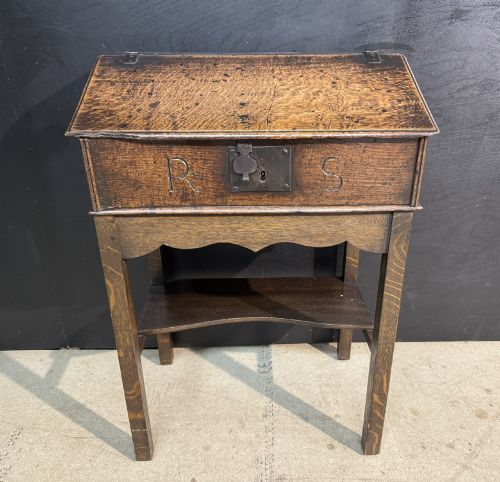
A period oak bureau is a fall front writing desk that opens to reveal internal pigeon holes and small drawers, often standing above a chest of drawers. When you search for period oak bureau, you meet substantial timber furniture spanning the seventeenth and eighteenth centuries, alongside later regional pieces.
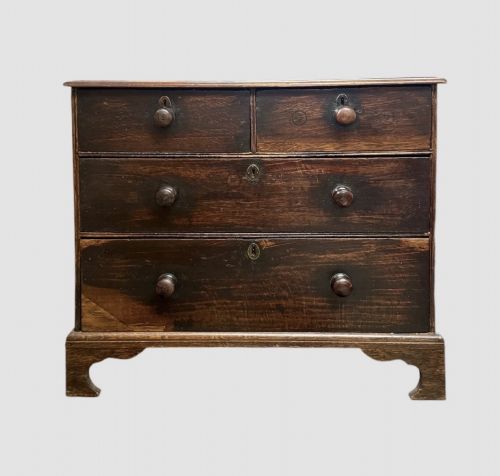
The most common examples encountered on this page date from the Georgian era and the seventeenth century, built by country cabinet makers using native hardwood. These domestic writing desks combine a hinged writing flap with enclosed storage, designed for letter writing and household accounts.
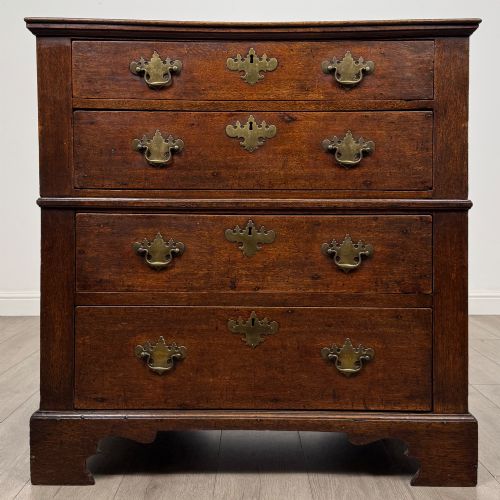
Makers utilised solid timber construction, applying brass drop handles and escutcheons to secure drawers. Alongside standard fall front forms, the selection includes tabletop variants, bureau bookcases with upper shelving, and secretaire chests lined in oak.
Materials and technique
Cabinet makers constructed these pieces primarily from solid oak, frequently incorporating walnut veneers, mahogany crossbanding, and secondary pine or oak linings inside the drawers. Iron hinges and brass hardware fastened the structural joints and drop fronts.
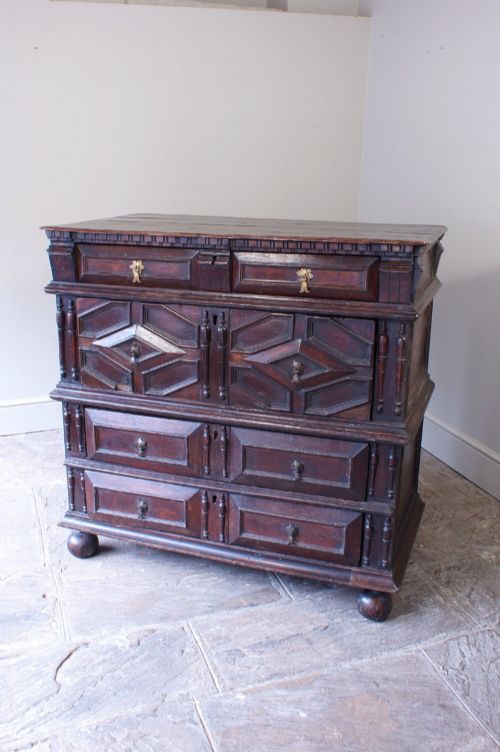
Moulders shaped solid oak planks using hand planes to create geometric drawer fronts and panelled sides, while joiners secured the carcase with dovetail joints. Interior compartments relied on fine pegged construction and simple sliding mechanisms for secret drawers.
Many bureau interiors hide tiny secret drawers operated by releasing concealed wooden spring catches behind the pigeon holes.
What separates the best from the rest
Quality rests upon the crispness of the timber grain, the depth of the original surface patina, and the proportion of the overall carcase. Superior examples display carefully selected quarter sawn oak boards that reveal distinctive medullary rays across the fall front.
Interior architecture dictates value, separating simple shelving from sophisticated arrangements of pigeon holes, secret compartments, and well carved prospect doors. Original brass hardware, untampered hinges, and robust oak drawer linings preserve the integrity of the piece.
Liberty s Of London
The Period Oak Bureau Glossary
- Fall front
- A hinged writing flap that drops down to provide a horizontal surface for correspondence. This panel conceals the internal pigeon holes when closed.
- Secretaire
- A chest of drawers or cabinet incorporating a fitted writing drawer with a drop down front. It merges standard clothes storage with a compact writing desk.
- Quarter sawn
- Timber cut radially through the growth rings to produce a stable board with prominent figuring. This method was favoured by better cabinet makers.
- Escutcheon
- A protective brass plate surrounding a keyhole on a drawer front or fall front. It prevents the timber from splitting around the lock.
- Pigeon hole
- A small open compartment within the bureau interior used for sorting letters and papers. These compartments often sit above concealed document drawers.
Period Oak Bureau: Frequently Asked Questions
How do I use an antique bureau today?
An antique bureau functions well as a compact laptop station or writing desk. The drop front provides a practical working surface while the interior compartments keep stationery organised.
Beneath the writing flap, the lower drawers offer generous storage for household papers or linens. Placing the piece in a study or living room allows the aged timber to serve as a focal point.
How can I tell a seventeenth century bureau from a Georgian one?
Seventeenth century pieces often feature geometric moulded drawer fronts, heavily panelled construction, and darker timber patination. The joinery tends to be robust and rustic, reflecting early vernacular woodworking traditions.
Georgian bureaus display cleaner lines, finer dovetailing, and lighter mahogany or walnut accents. The internal fittings become more architectural, featuring arched pigeon holes and sliding prospect doors.
What is a bureau bookcase?
A bureau bookcase combines a fall front writing desk base with an upper shelving cabinet enclosed by doors. This tall form maximises vertical storage in smaller rooms.
The upper section typically houses adjustable shelves for books, while the lower desk provides hidden compartments for correspondence. They represent some of the most ambitious case furniture produced in country workshops.
How do I care for period oak furniture?
Keep period oak away from direct heat sources and strong sunlight to prevent the timber from splitting. Maintaining a stable room temperature protects the historic joints and glue.
Apply a traditional beeswax polish occasionally to nourish the dry wood and enhance the natural grain. Avoid silicone sprays or modern chemical cleaners that can damage the antique surface patina.