
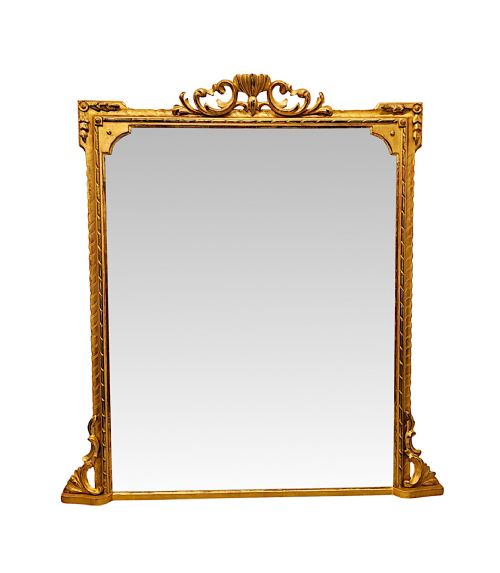

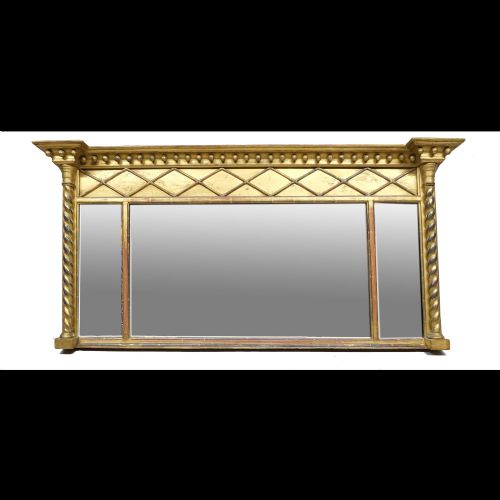
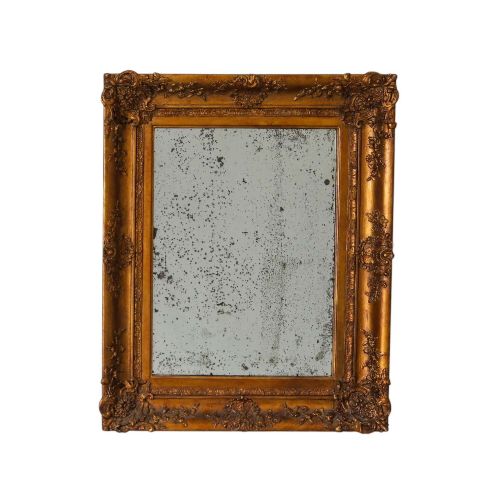
Period Gold Mirror
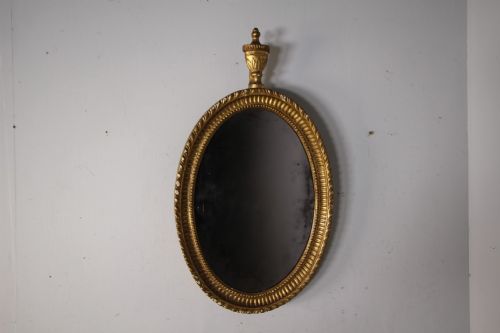
When you search for a period gold mirror, you enter a world of giltwood and gesso crafted across the Georgian, Regency and Victorian eras.
Period Gold Mirror
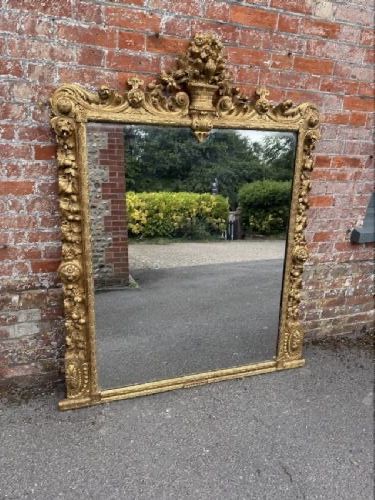
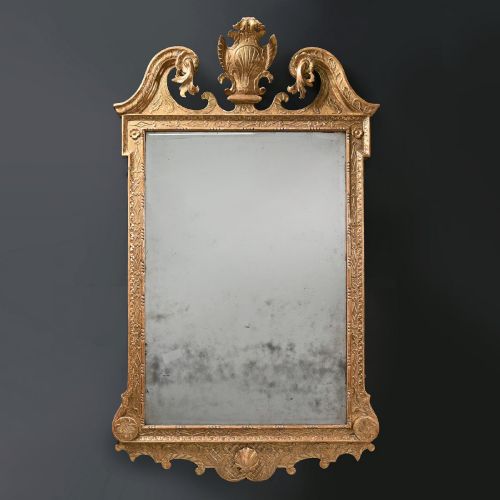
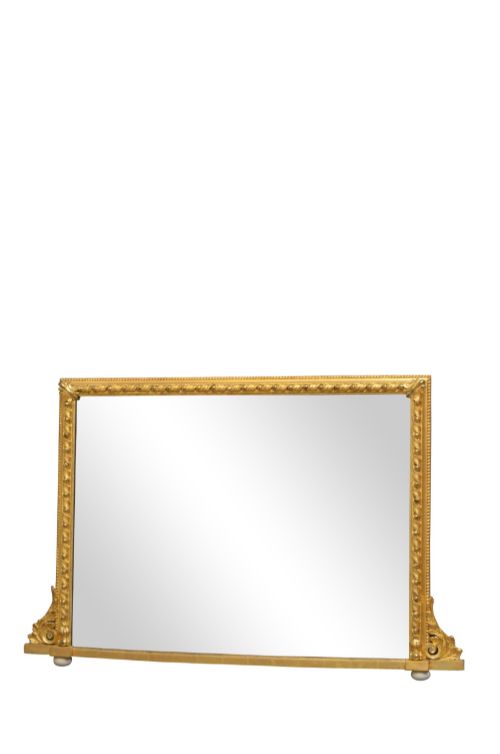
A period gold mirror delivers reflected light and decorative presence through antique forms such as overmantel mirrors, convex wall mirrors and pier mirrors. When exploring this search phrase, you encounter authentic examples originating primarily in the eighteenth, nineteenth and early twentieth centuries.
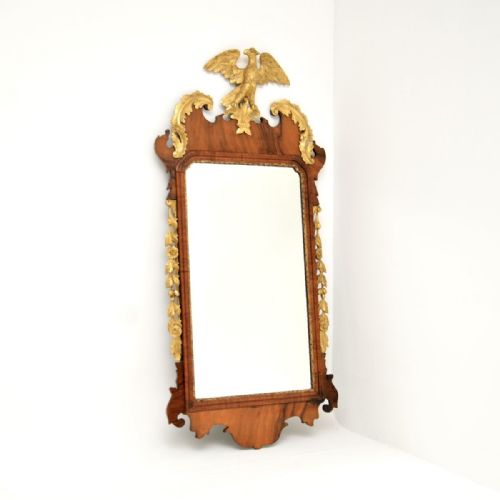
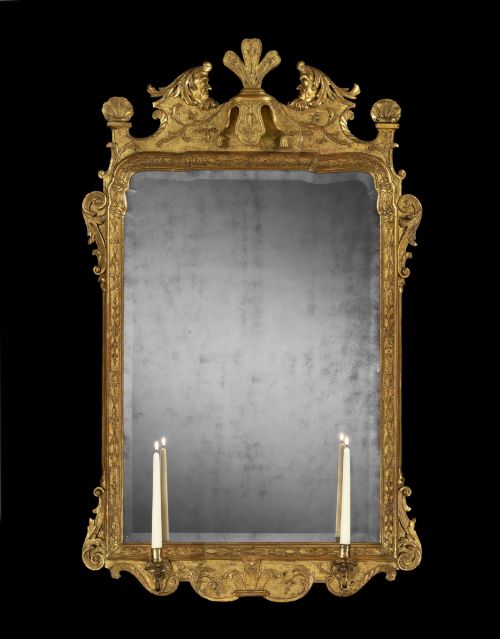
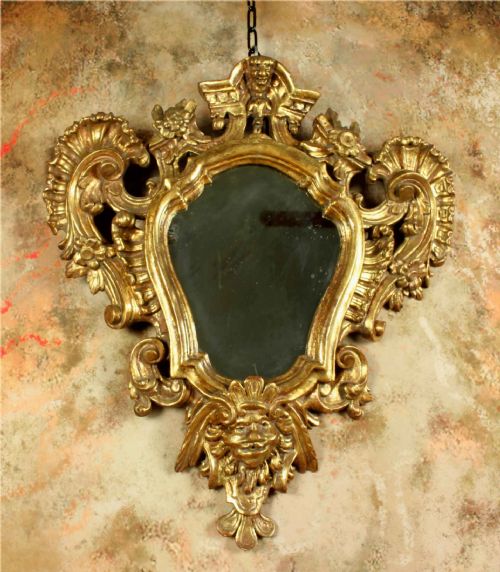
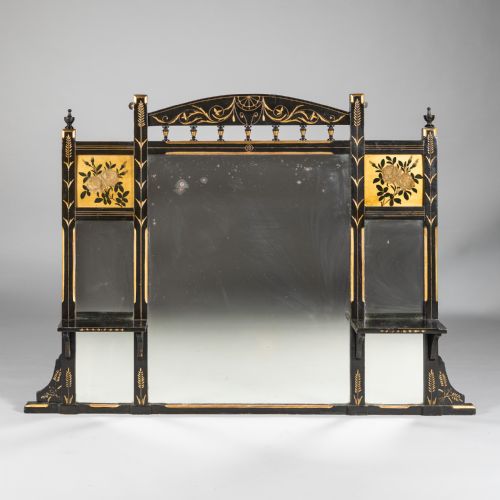
The pieces appearing here span specific stylistic revivals and original periods, ranging from compact George III carved frames to large Victorian architectural overmantels. English and French workshops dominate the selection, bringing together formal wall mirrors and domestic looking glasses.
How they were made
Carved wood frames, frequently fashioned from pine or mahogany, form the structural foundation of these gilt pieces. Artisans applied layers of gesso over the carved timber to build smooth surfaces for subsequent gilding.
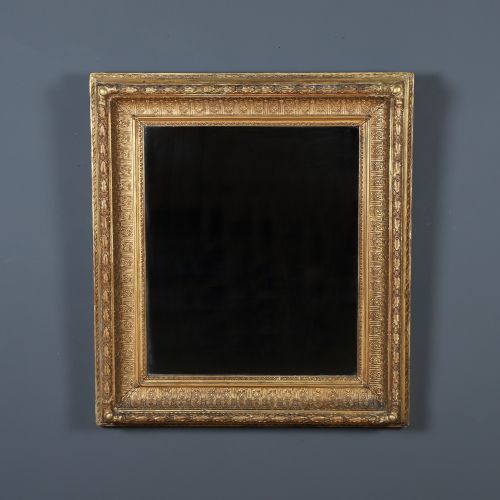
Gold leaf or oil gilding finishes the exterior, while composition ornaments provide crisp relief detail on Regency and Victorian mouldings. Original mirror plates often display foxing or mercury backing, indicating genuine age.
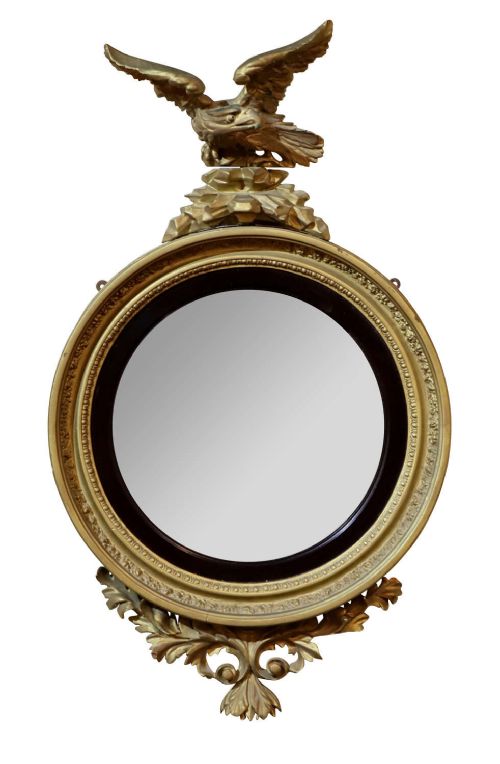
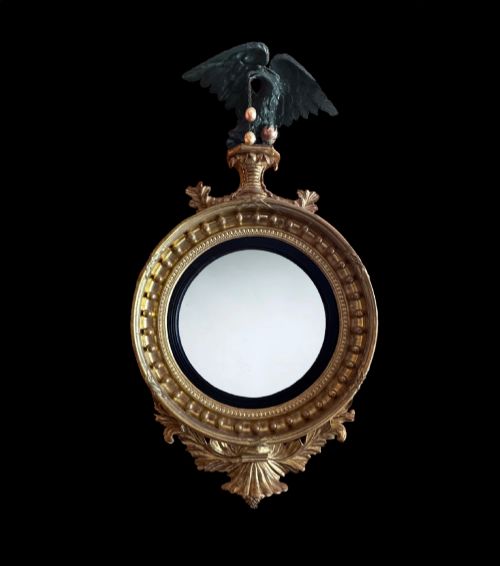
Watch out for watchful wooden eagles perched atop convex mirrors, keeping a sharp golden eye on every visitor in the room.
What varies in quality
Depth and crispness of the hand carving distinguish finer frames from simpler production, particularly in the rendering of foliage, scrolls and figural mounts like eagles or dragons. The integrity of the original gesso and the warmth of the underlying gold leaf dictate the visual success of the surface.
Proportion and scale play vital roles in overall merit, where well-balanced dimensions enhance the architectural presence of an overmantel or pier glass. The survival of early mirror plates with authentic foxing adds significant character and historical depth.
The Period Gold Mirror Glossary
- Giltwood
- Wood that has been coated with gold leaf. This material defines the bright, reflective frames typical of high-status antique wall mirrors.
- Gesso
- A plaster mixture applied to wood frames before gilding. It provides a smooth base that artisans could carve intricate details into.
- Convex mirror
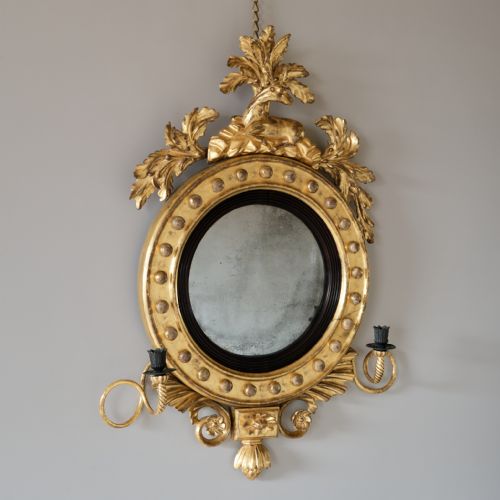
- A round looking glass with a curved plate that distorts reflections into a wide-angle view. These pieces frequently feature eagle surmounts and giltwood frames.
- Overmantel mirror
- A wide looking glass designed to hang above a fireplace mantel. These large mirrors anchor reception rooms across Georgian and Victorian interiors.
- Pier mirror
- A tall, narrow looking glass built to hang on the wall space between windows. Pairs of these mirrors often appeared in grand nineteenth-century rooms.
- Foxing
- Age-related spots and discoloration appearing within the silvering of a mirror plate. This chemical change confirms the antiquity of the glass.
Period Gold Mirror: Frequently Asked Questions
How do I hang a heavy overmantel mirror?
Secure heavy timber frames directly into wall studs using appropriate brackets or mirror plates rated for the weight.
Ensure the structure of the wall can support the substantial combination of wood, gesso and glass.
Are original mirror plates common?
Many surviving pieces retain their original glass, often identifiable by light foxing, uneven thickness or mercury backing.
Replacement plates do appear on pieces that underwent restoration during their long histories.
How do I clean a giltwood frame?
Dust the carved surfaces gently with a soft, dry brush to remove accumulated particles without disturbing the gold leaf.
Avoid liquid cleaners, moisture and chemical sprays, which easily damage historic water gilding and gesso.
What distinguishes Regency convex mirrors?
Regency convex mirrors typically feature circular frames surrounded by gilt balls, ebony reeded inner lips and prominent top ornaments like eagles.
These optical looking glasses were designed to illuminate domestic interiors by capturing light from across the room.