


Antique Period Looking Glass
An antique period looking glass brings centuries of craftsmanship into a room, offering genuine historical depth through authentic period glass and frames.
Antique Period Looking Glass
An antique period looking glass encompasses wall mirrors and hanging mirrors originating from eras such as the seventeenth century, the Georgian period, and the Regency era. These pieces serve as functional wall furnishings while displaying the distinct aesthetic priorities of their respective periods.
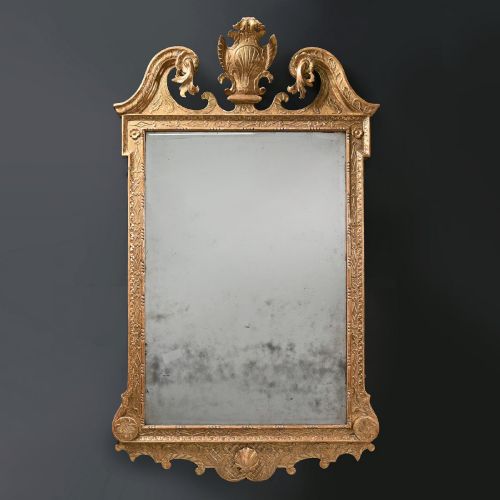
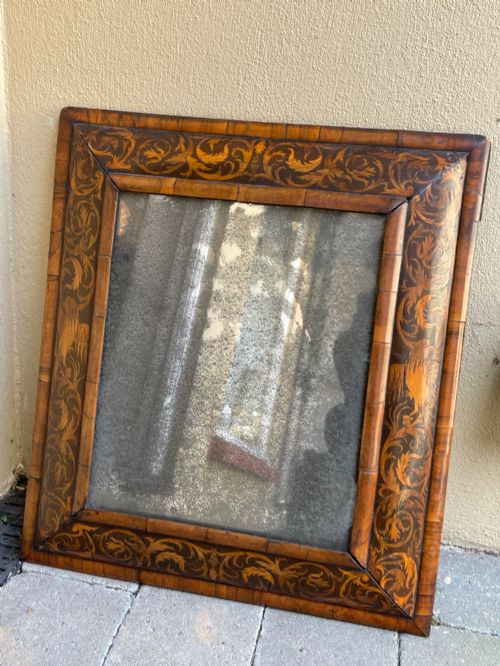
The versions most commonly met on this page range from walnut and mahogany frames to ornate giltwood and gesso creations. Buyers encounter both small fretwork designs and larger scale wall mirrors reflecting various regional British styles.
Materials and Construction
Makers utilised a foundation of solid timbers including walnut, mahogany, sycamore, and boxwood, often applying marquetry inlay or fine carving directly to the wood. These structural elements provide the core durability and weight of the frame.
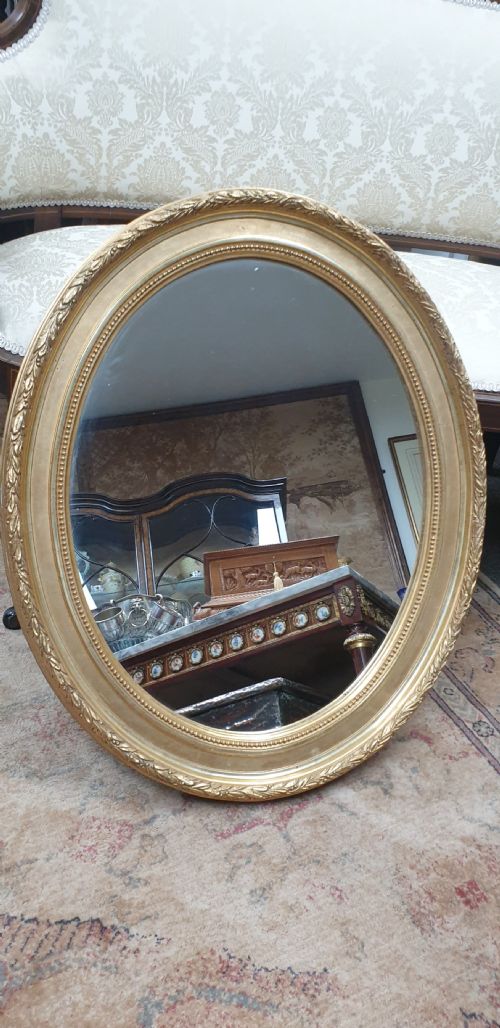
Surfaces frequently received layers of gesso before being gilded with gold leaf or silver, creating the brilliant metallic finishes characteristic of rococo and baroque wall mirrors. Mirror glass was then fitted into these housings, often retaining desirable signs of age.
Listings span multiple centuries, incorporating seventeenth-century silver gilt pieces, eighteenth-century walnut examples, and nineteenth-century Regency wall mirrors.
Distinguishing Quality
The refinement of the carved detail and the depth of the gesso work dictate the visual impact of an antique looking glass. Superior examples exhibit crisp joinery and masterly hand-carving that maintain their integrity across centuries.
The retention of original mirror glass and authentic gilding elevates a piece above those with later replacements. Proportions that feel balanced and harmonious mark out the finer works from more utilitarian examples.
The Antique Period Looking Glass Glossary
- Giltwood
- Wood that has been coated with thin gold leaf or gold powder. This finish provides the bright, reflective surface seen on many formal period frames.
- Gesso
- A plaster-like mixture applied to wood frames as a base for gilding. It allows craftsmen to carve intricate relief details before applying gold leaf.
- Marquetry
- The art of applying pieces of veneer to a structure to form decorative patterns. This technique appears on early wooden frames to add visual complexity.
- Fretwork
- Ornamental woodwork carved with a piercing saw to create intricate openwork designs. It is particularly characteristic of smaller Georgian wall mirrors.
- Parcel gilt
- A decorative method where only specific parts of an object are gilded while other areas show the natural wood. This creates a contrast between the timber grain and the metallic finish.
Antique Period Looking Glass: Frequently Asked Questions
How do I hang a heavy antique mirror?
Heavy antique mirrors require robust fixings secured directly into wall studs or masonry to support their considerable weight safely.
Professional mirror hangers often utilise custom brackets that distribute the load evenly across the frame structure without putting strain on the original antique wood or joints.
Can I clean the original mirror glass?
Original mirror glass should be cleaned very gently using a soft, dry cloth or a minimal amount of distilled water on a microfibre cloth.
Avoid commercial glass cleaners containing harsh chemicals, as liquid can seep behind the silvering or damage vulnerable gesso and giltwood surfaces surrounding the glass.
How do I identify a Regency mirror?
Regency mirrors typically date from the early nineteenth century and often feature classical motifs such as reeded frames, ebonised details, or convex formats.
Mahogany and rosewood are common timber choices for these pieces, reflecting the Regency taste for dark woods and restrained classical symmetry.