


Period Gilded Mirror
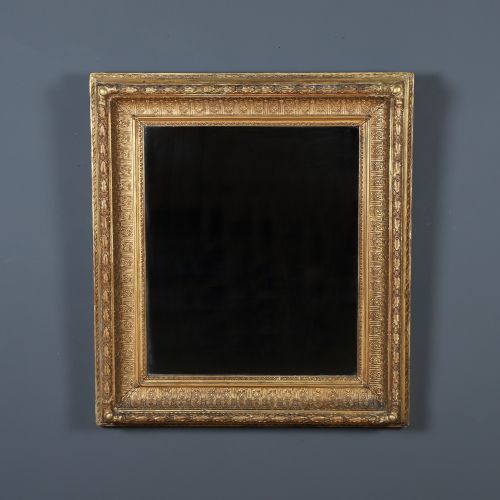
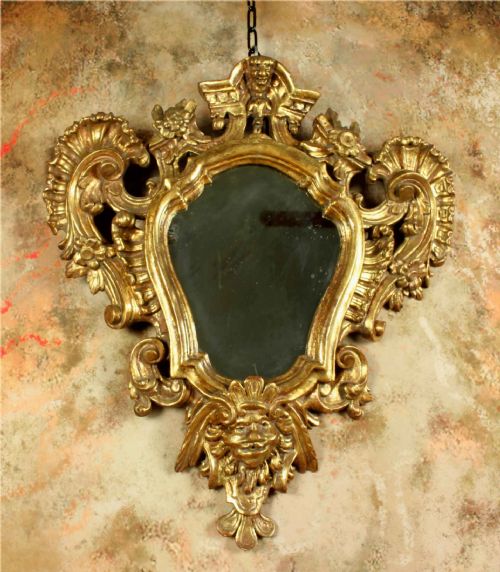
A period gilded mirror brings centuries of reflective light and carved detail into a room.
Period Gilded Mirror
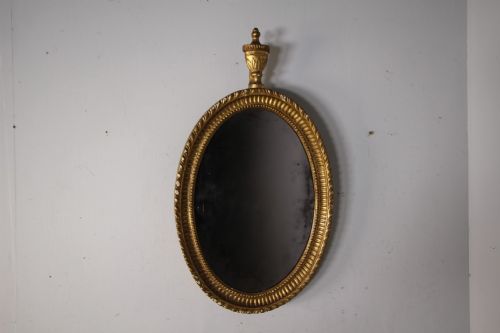
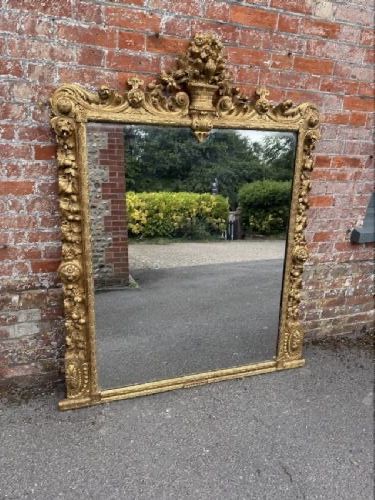
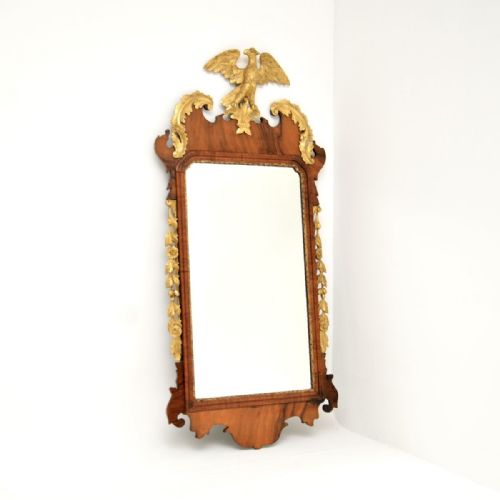
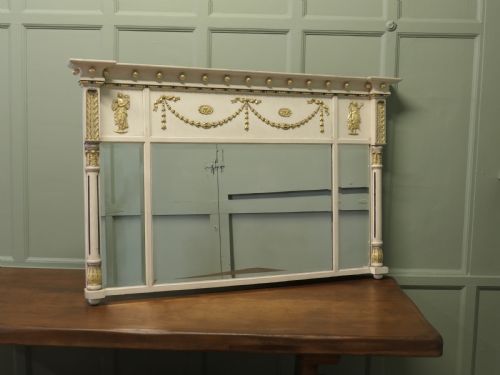
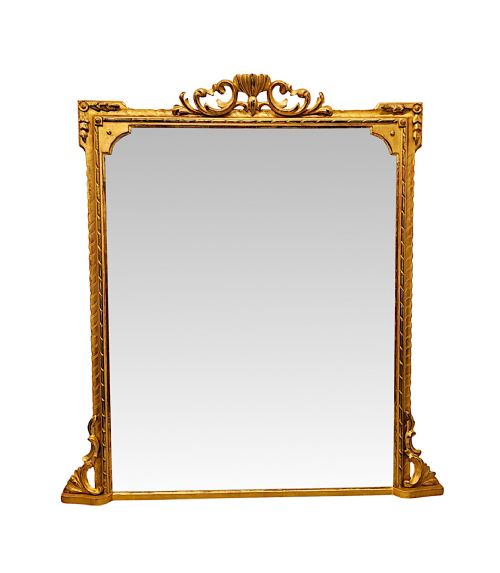
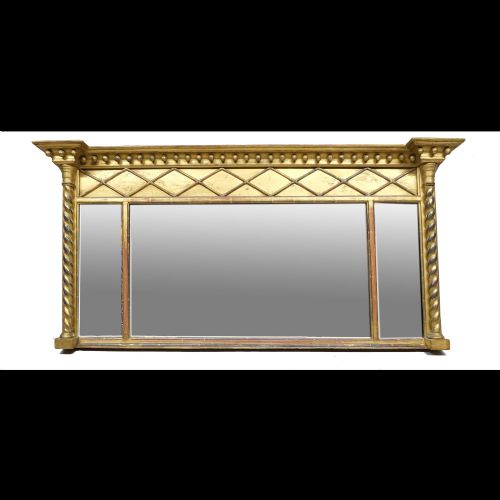
When you search for a period gilded mirror, you encounter wall hung glasses, large overmantels, and narrow pier mirrors from past centuries. The listings here centre on eighteenth and nineteenth-century examples, spanning Georgian, Regency, and Victorian eras.
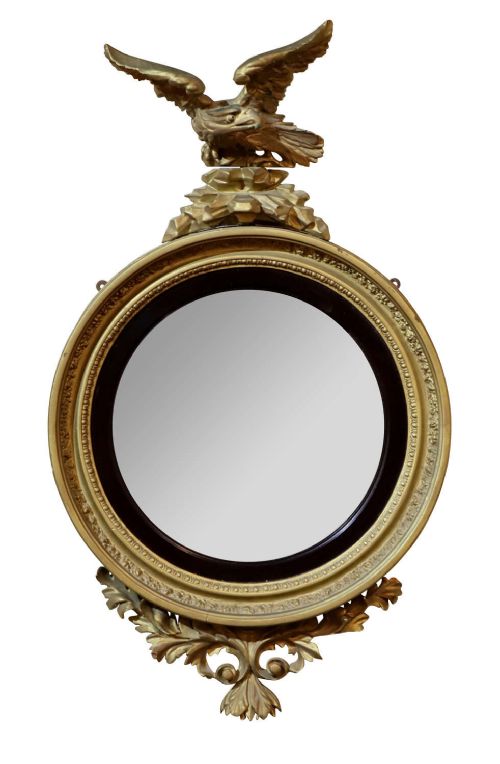
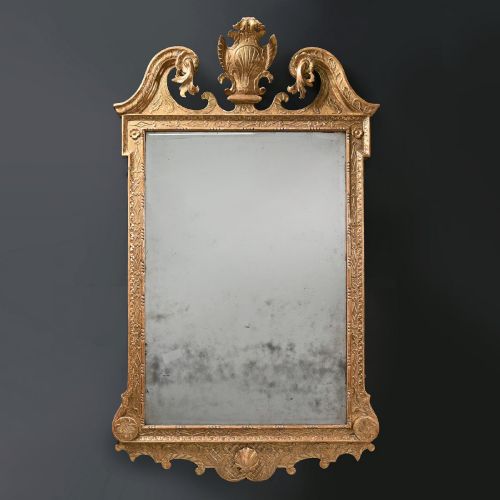
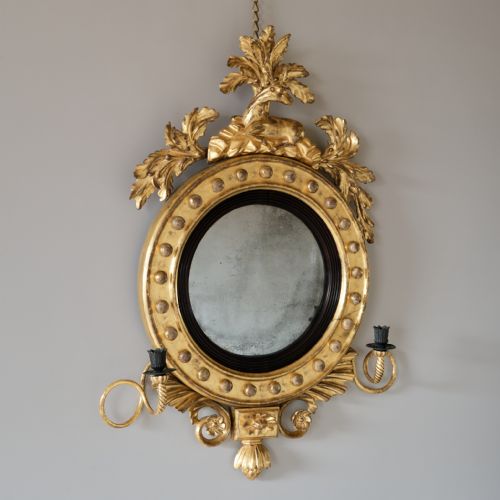
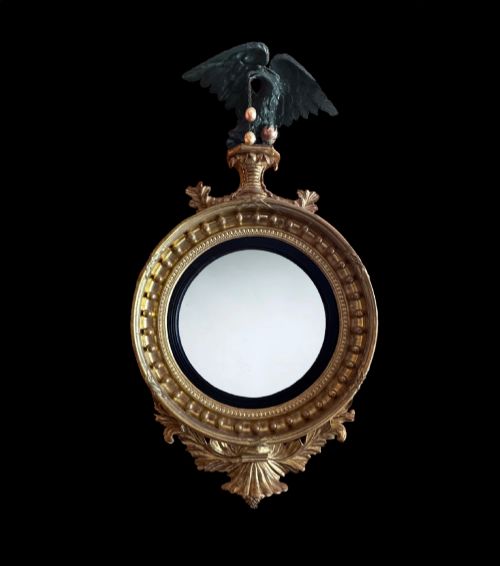
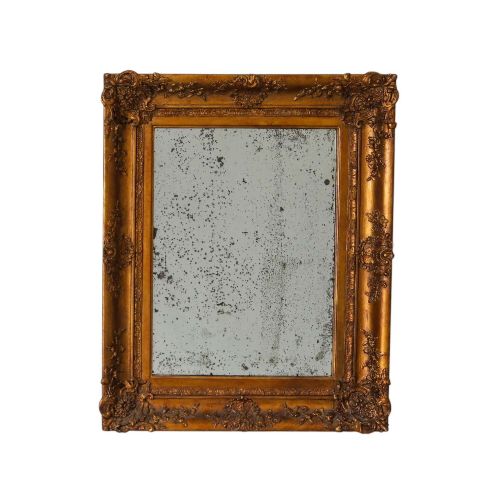
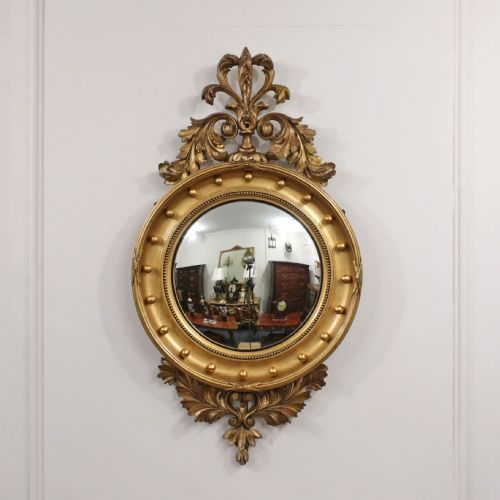
The most common form on this page is the Regency convex mirror, often surmounted by an eagle or fitted with candle arms, alongside substantial overmantel mirrors designed to sit above a fireplace. These objects utilise original glass plates, sometimes showing foxing, housed within ornate wood and gesso frames.
Originating from English country houses and continental workshops, these mirrors served both a practical purpose and a decorative role in reception rooms and hallways. Their styles range from Chippendale rococo to neoclassical revival.
Materials and construction
Carved wood forms the structural core of these frames, predominantly utilising softwoods, mahogany, or ebonised timber beneath decorative layers. Artisans applied successive coats of gesso, a plaster-like mixture, to the carved wooden base to build up crisp relief detail for ornamentation.
Guilders applied gold leaf or utilised water gilding techniques over a coloured bole ground to achieve the characteristic metallic brilliance. Mirror glass of the period was cast or blown, often resulting in subtle distortions and silver degradation known as foxing.
Convex mirrors were once nicknamed banker's mirrors because their wide-angle view allowed shopkeepers to watch customers from a single desk.
Variations in quality
Depth and precision in the wood carving separate ordinary frames from superior examples, with hand-chiseled gesso ornament displaying sharper relief and greater vitality. The originality of the surface finish and the preservation of the original gilding dictate the historical integrity of the piece.
The condition and retention of the original mirror plate heavily influence desirability, particularly when historic foxing remains undisturbed behind intact glass. Structural stability in the joints of heavy overmantel frames also marks the standard of the original workshop.
William Kent·John Belchier
The Period Gilded Mirror Glossary
- Gesso
- A prepared mixture of chalk, gypsum, and size used as a ground for gilding on wood. This substance allowed carvers to achieve sharp, intricate relief details before applying gold leaf.
- Foxing
- Age-related spots and discoloration within the silvering of a mirror plate. These dark patches develop over decades as moisture interacts behind the glass.
- Convex mirror
- A circular glass form that curves outward to provide a wide-angle reflection of the interior. These pieces frequently feature gilded spherical balls set into the outer frame moulding.
- Pier mirror
- A tall, narrow glass designed to hang on the wall space between windows. They often coordinate with matching console tables beneath.
- Parcel gilt
- A decorative treatment where only specific portions of a wooden or painted surface receive gilding. Mahogany and ebonised frames often utilise this technique to highlight carved details.
Period Gilded Mirror: Frequently Asked Questions
How do I date a gilded mirror?
Dating relies on combining the construction style of the wooden frame with the characteristics of the glass plate. Georgian and Regency pieces display distinct decorative motifs such as ball mouldings or eagle crests.
Examining the backboards, fixings, and joinery methods provides further evidence of the period of manufacture.
What causes foxing on old mirrors?
Foxing occurs when atmospheric moisture slowly penetrates behind the glass and reacts with the silver or mercury backing. This natural ageing process creates dark spots and cloudy patches across the reflection.
Many collectors value original glass with light foxing as proof of authenticity and considerable age.
Where should I hang an overmantel mirror?
Overmantel mirrors were traditionally engineered to hang on the wall directly above a fireplace mantelpiece. Their generous proportions reflect light from opposing windows across the living space.
Secure wall fixings that match the substantial weight of carved wood and gesso frames are essential for safe installation.
Are convex mirrors practical for daily use?
Convex mirrors produce a distorted, fish-eye perspective that shrinks the reflection to capture a wide panoramic view of the room. They serve primarily as decorative focal points rather than functional glasses for grooming.
Historically, people placed them in dining rooms and halls to monitor gatherings and distribute candlelight.