


Period Brass Metalwork
When you search for period brass metalwork, you encounter cast and chased vessels spanning centuries of global craftsmanship.
Period Brass Metalwork
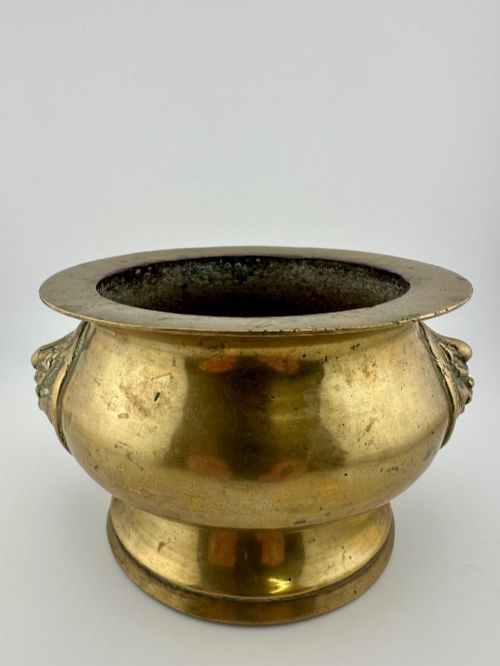
Period brass metalwork encompasses items such as decorative chargers, vases, candlesticks, and basins originating from diverse global traditions. These objects serve both ornamental and functional roles within interior spaces, bringing rich cultural history into the home.
Forms range from large floor-standing standard lamps and heavy jardinieres to delicate lidded gourd pots and incense burners. Each object reflects the distinct aesthetic priorities and metallurgical skills of its specific era and region of origin.
How they were made
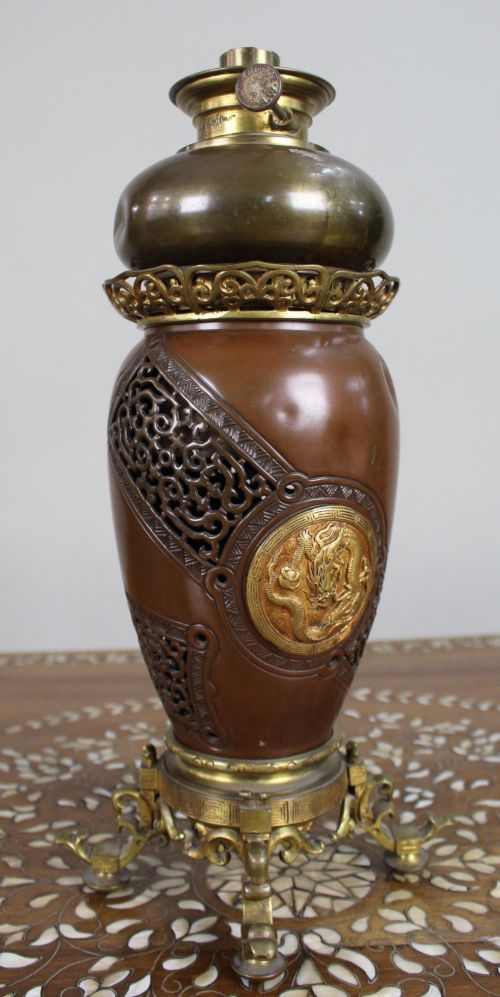
Metalworking techniques rely heavily on traditional casting, hand carving, and chasing to shape brass, bronze, and copper into intricate forms. Artisans applied deep incision and piercing methods to create textured surfaces on vessels, plaques, and wall chargers.
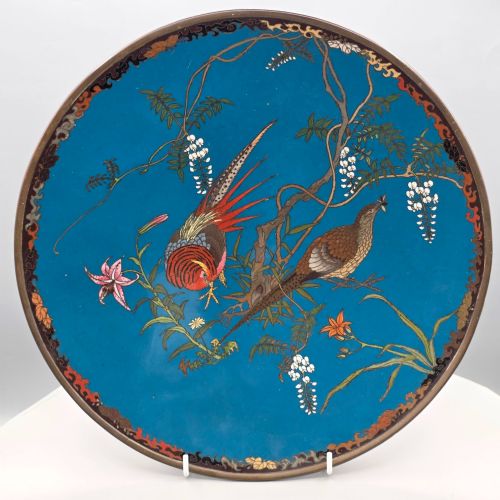
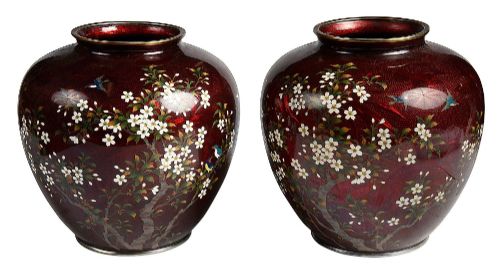
Many Japanese and Middle Eastern pieces incorporate applied enamel and cloisonne wirework, fusing coloured vitreous pastes within metal partitions. Mixed-metal inlays and silver foil details are also utilised to enhance the visual depth of the design.
The listings span from the 16th century to the 20th century, incorporating materials like cloisonne enamel, copper, and bronze alongside traditional brass.
What varies in quality
The distinction between standard examples and the finest work lies in the crispness of the chasing and the precision of the surface decoration. Master artisans achieved superior definition in motifs such as birds, dragons, and floral scenes, whereas lesser pieces display softer, more generalised detailing.
Material composition and weight also indicate quality, with heavier, more solidly cast bronze and brass vessels commanding greater appreciation. The complexity of the cloisonne enamel work or the depth of the repousse relief work further distinguishes exceptional items from routine production.
The Period Brass Metalwork Glossary
- Cloisonne
- A decorative metalwork technique where thin metal wires are soldered to a base to form compartments filled with enamel paste.
- Repousse
- A metalworking method where an artist hammers metal from the reverse side to form a raised design in relief.
- Censer
- A vessel designed specifically for burning incense safely during ritual or decorative use.
- Charger
- A large ornamental plate or shallow bowl typically displayed on a wall or sideboard rather than used for dining.
- Chasing
- The process of refining and texturing the front surface of metal using punches and hammers after casting.
Period Brass Metalwork: Frequently Asked Questions
How do I clean period brass safely?
Maintenance requires minimal intervention to preserve the historic surface and natural oxidation known as patina. Gentle dusting with a soft cloth is generally sufficient.
Harsh chemical polishes should be avoided because they strip away the aged character accumulated over centuries.
Can these antique censers still burn incense?
Many historical incense burners and censers remain structurally sound for burning aromatic resins or modern cones. Care must be taken to protect the interior lining from direct, prolonged thermal shock.
Displaying them as sculptural decorative objects is often preferred by collectors to protect the original finish.
How are 19th-century Japanese items dated?
Datings rely on stylistic markers tied to specific imperial reigns, such as the Meiji period, combined with signatures and construction methods. The introduction of specific enamel palettes also helps narrow down the decade of production.
Comparing motif complexity provides further context for chronological placement.
Where were heavy brass basins typically displayed?
Mamluk and Middle Eastern brass basins served both practical washing functions and status display within wealthy households. Their intricate engraved calligraphy and geometric patterns were meant to be admired closely.
Later European collectors often repurposed them as decorative centrepieces or planters.