


Traditional Brass Sticks
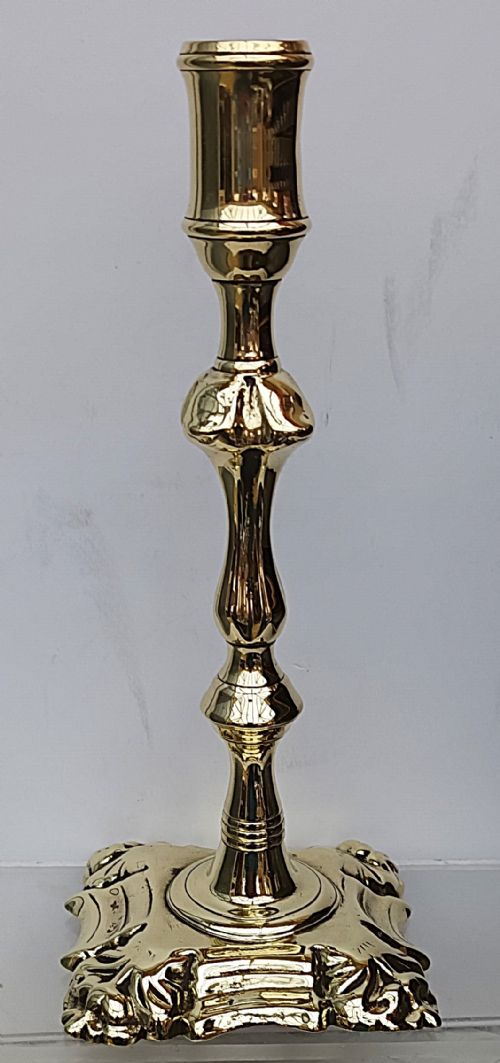
Traditional brass sticks are metal holders for candles and walking canes, bringing functional period weight and warmth into a room.
Traditional Brass Sticks
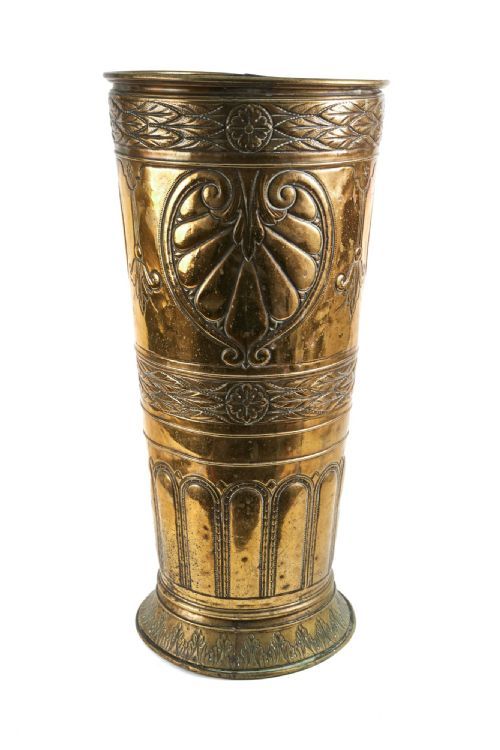
Traditional brass sticks encompass both candlesticks and umbrella or stick stands found in nineteenth and eighteenth-century forms.
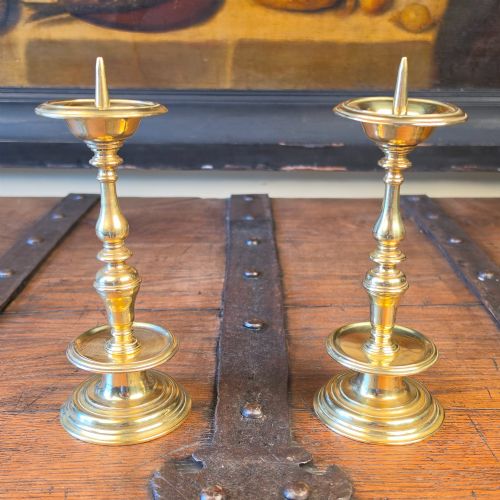
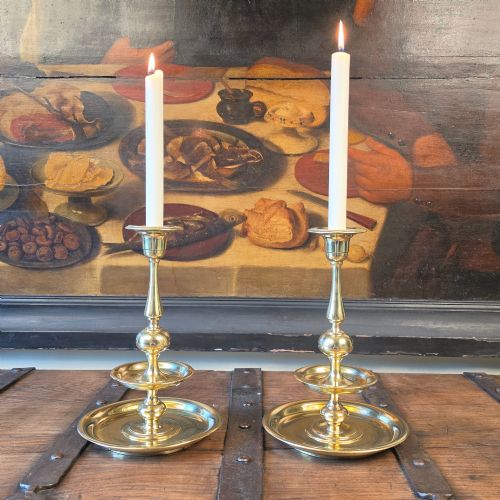
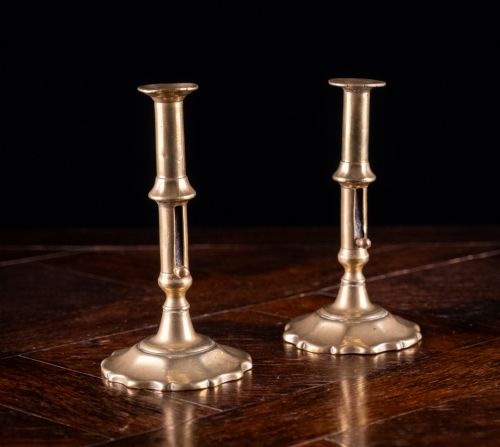
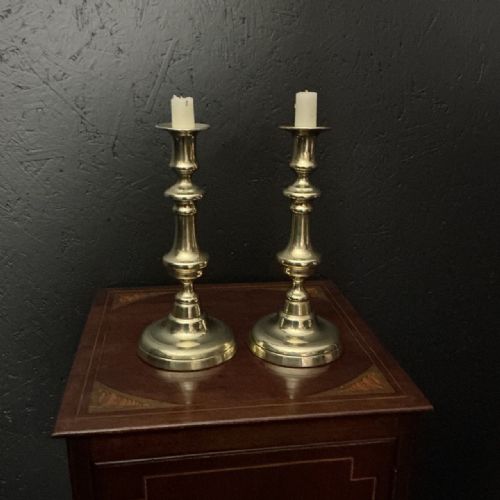
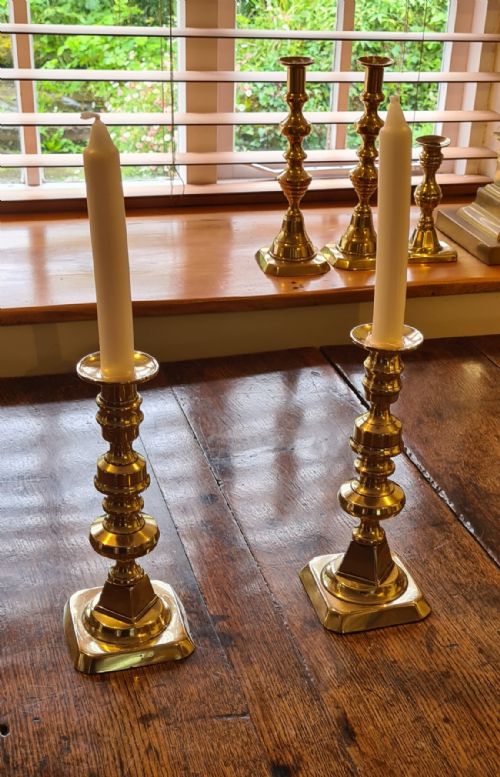
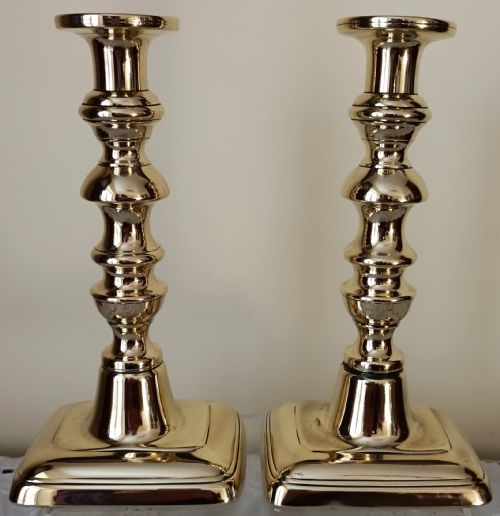
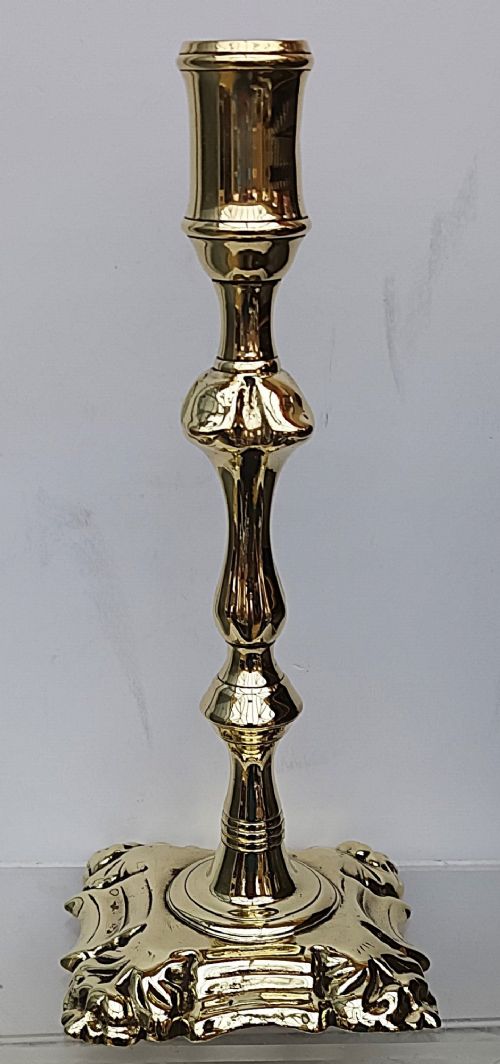
Candlesticks dominate the selections, appearing frequently in pairs with turned shafts, ejector mechanisms, or barley twist columns.
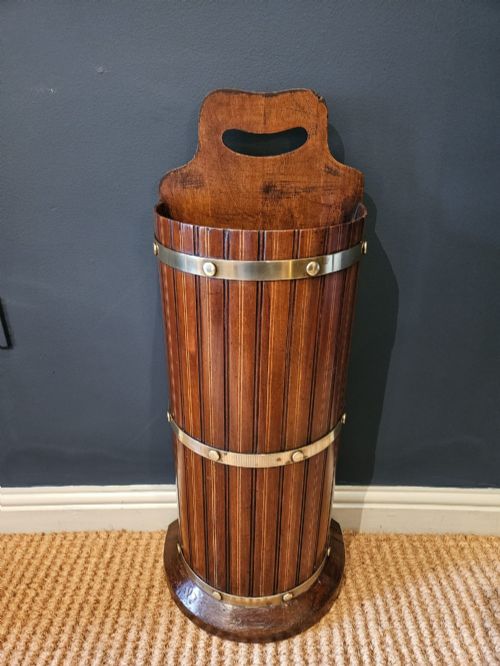
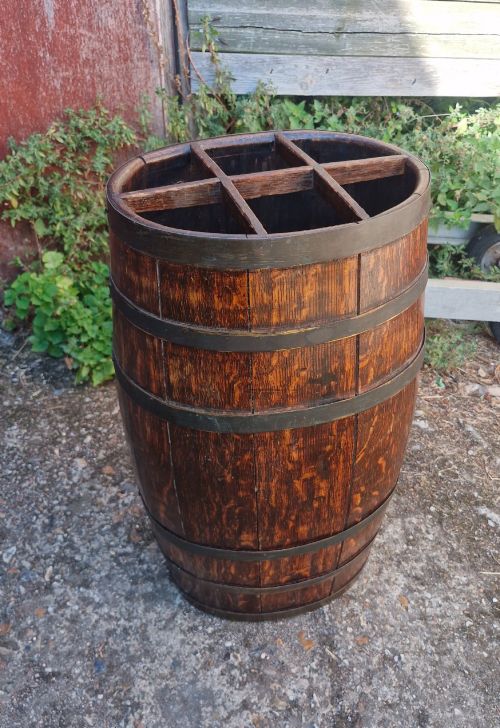
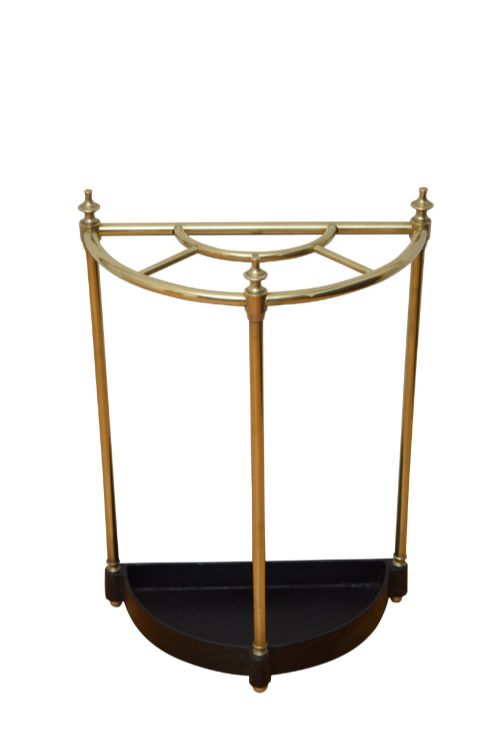
Hallway furniture also emerges through brass-bound oak barrels and demi lune umbrella stands incorporating cast iron and copper.
Construction and Materials
Many candlesticks utilise seamed or cast brass construction, resulting in solid weighted forms designed for stability.
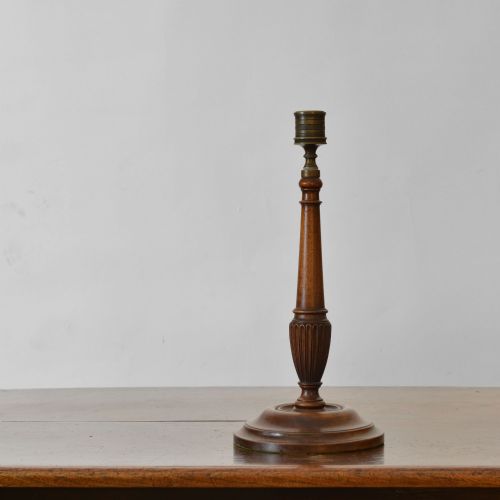
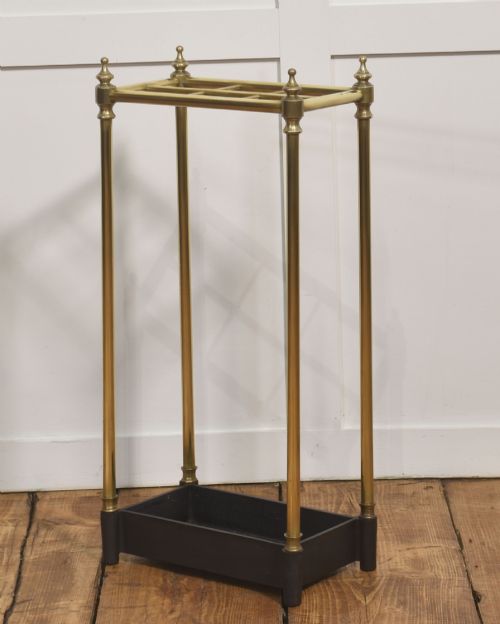
Stick stands combine brass with organic materials like oak and mahogany, often featuring metal bindings and cast iron components.
Barleys twist carving and turned woodwork integrate with metal elements in both Georgian and Victorian examples.
Several candlesticks hide internal pushers designed to eject stubborn wax stubs with a discreet thumb press.
Distinctions in Quality
The standard of execution in turning and casting separates mass-produced items from finer workshop pieces.
Proportion and crispness of detail dictate the character of both candlesticks and heavy hallway stands.
J.T. & Co·James Clews
The Traditional Brass Sticks Glossary
- Ejector candlestick
- A candlestick fitted with an internal sliding stem to push out the remaining wax stub. This mechanical addition helped servants clean the sockets efficiently.
- Barley twist
- A spiral column turning resembling twisted barley sugar. It appears on both wooden and brass shafts during the nineteenth century.
- Demi lune
- A half-moon shape used for hallway furniture and stick stands designed to sit flush against a wall. This layout saved space in narrow Victorian entrances.
- Seamed brass
- Metal rolled and joined at a seam before finishing. Earlier production methods often left visible vertical lines along the shaft.
Traditional Brass Sticks: Frequently Asked Questions
How do I clean old brass?
Old brass responds best to gentle cleaning with warm soapy water and a soft cloth to preserve the accumulated surface character. Avoid harsh chemical polishes that strip away the aged tone built up over centuries.
Patina indicates age and handling, so minimal intervention maintains the historical integrity of nineteenth-century sticks.
What is an ejector mechanism?
An ejector mechanism uses an internal sliding plate connected to a small side button or thumbpiece. Pushing this up raises the candle base for easy removal.
This clever device became common on nineteenth-century brass candlesticks used in domestic households.
Are these sticks made of solid brass?
Many traditional candlesticks utilise cast or seamed solid brass, giving them a satisfying heavy feel in the hand. Some larger umbrella stands combine brass frames with cast iron bases for added stability.
Checking the weight helps distinguish solid metal construction from lighter plated alternatives.
How do I date a brass candlestick?
Dating relies on base construction, manufacturing marks, and turning styles seen across Georgian and Victorian periods. Seamed construction and pusher mechanisms point toward specific nineteenth-century decades.
Design shifts from plain Georgian columns to ornate Victorian barley twists provide clear chronological markers.