





19th Century Brassware
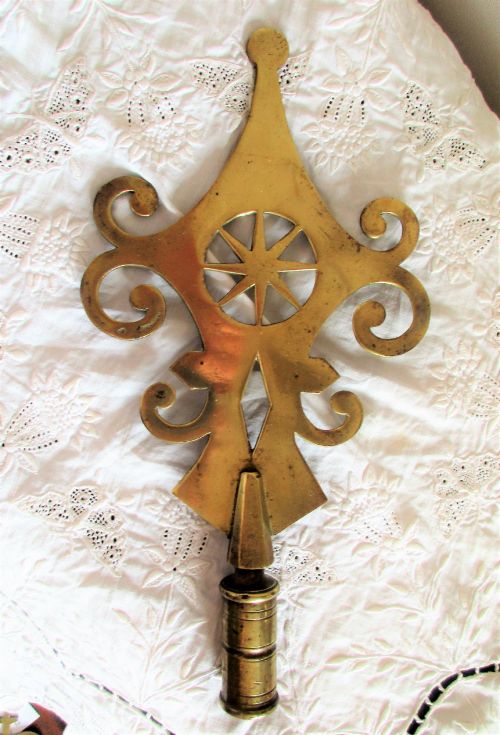
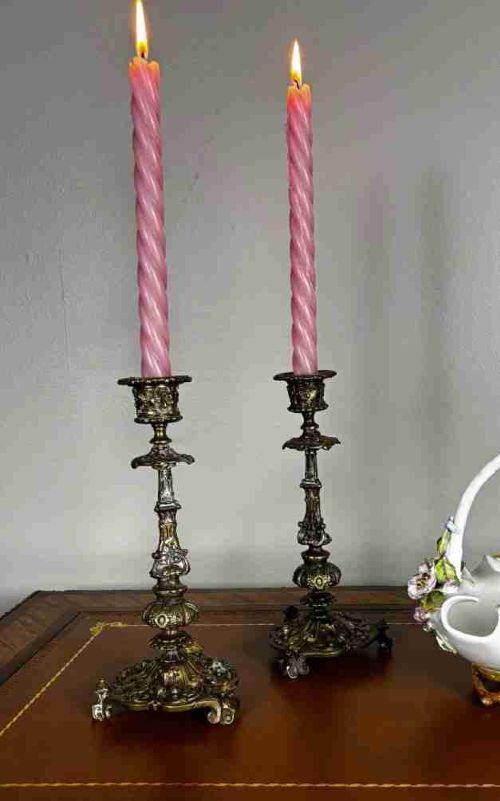
19th century brassware spans domestic candlesticks, heavy cast andirons, and inlaid chargers produced across Britain, Europe, and Asia.
19th Century Brassware
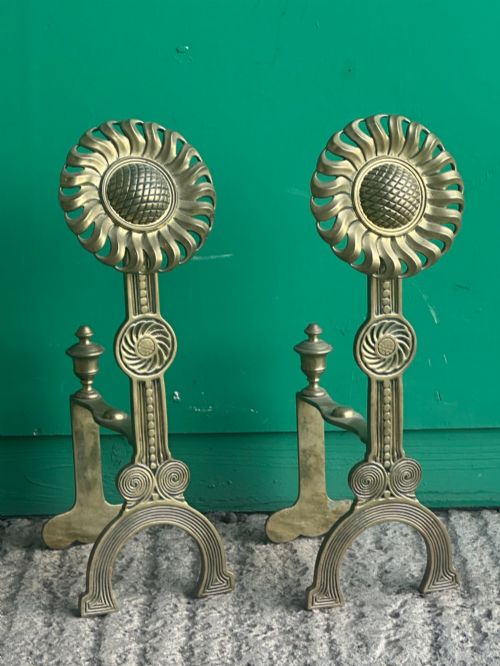
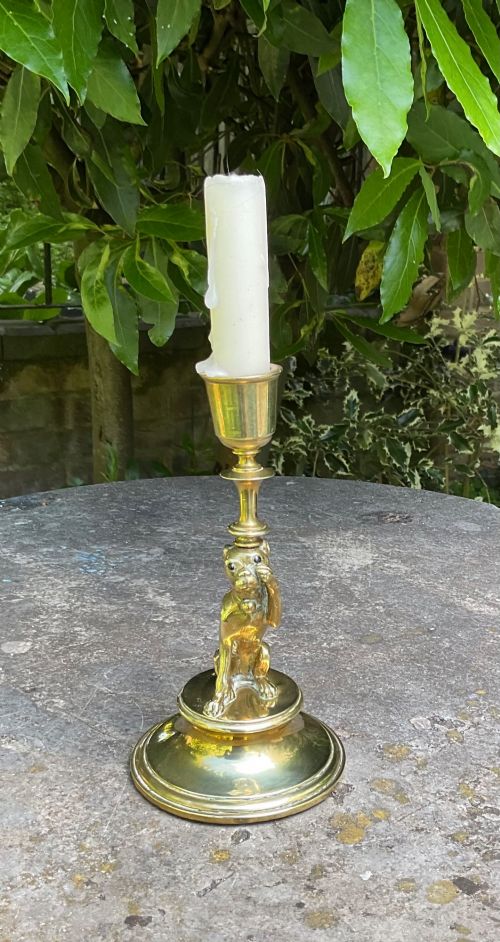
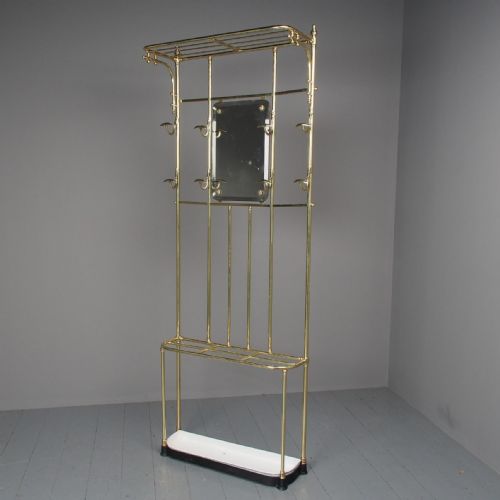
When searching for 19th century brassware, buyers encounter practical hearth furniture, lighting, and decorative vessels from the Victorian and Edwardian eras. Candlesticks, vases, and fireplace accessories form the core of the items available.
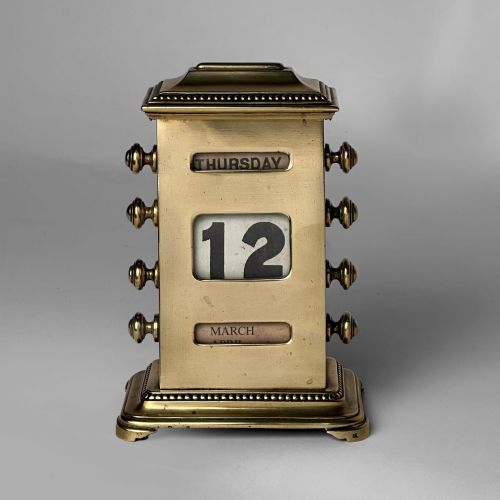
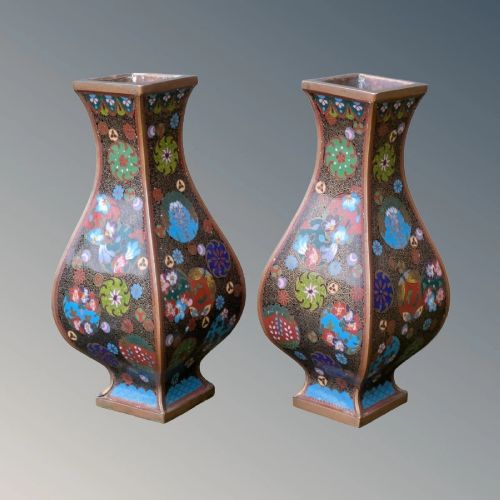
The selection includes domestic items such as watering cans, kettles, and desk accessories alongside global pieces like Qajar Persian candlesticks and Chinese high-relief baluster vases. These objects reflect both everyday utility and ornamental design from the period.
How they were made
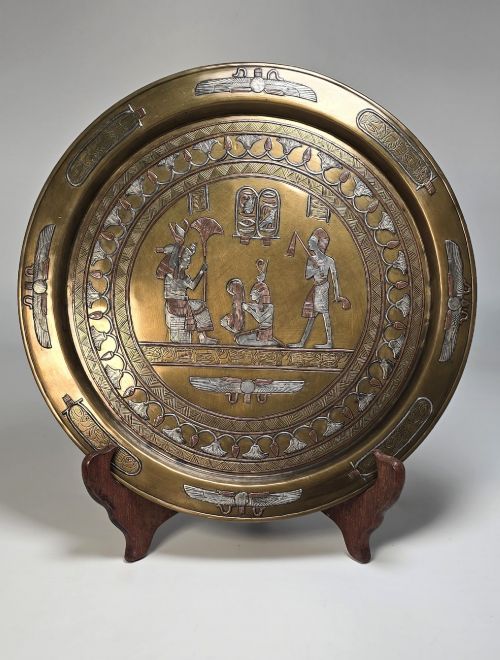
Makers utilised brass, copper alloy, and bronze, often combining cast elements with hand-engraved surface decoration or repoussé work. Silver inlay and enamel details appear on specific regional pieces such as Cairo Ware chargers and cloisonné vases.
Techniques range from sand casting for heavy architectural pieces and andirons to intricate hand-chasing on Indian jardinières and Persian candlesticks.
19th Century Brassware Retail Price Guide 2026
Typical asking prices for 19th century brassware among the pieces listed under this phrase on Sellingantiques today, from the lower quarter to the upper quarter. They describe what is for sale here now, not the wider market.
The selection includes diverse regional styles such as Aesthetic Movement, Egyptian Revival, Anglo-Indian, and Qajar Persian.
What varies in quality
The standard of 19th century brassware depends on the crispness of the casting and the depth of the hand-engraving or repoussé detail. Heavier cast items with well-defined motifs and maker attributions represent the finer end of production.
Execution of decorative surface work, such as silver inlay on Egyptian Revival chargers or cloisonné enamel on vases, distinguishes master craftsmanship from simpler mass production.
William Tonks·Thomas Jeckyll·Thomas Dunn
The 19th Century Brassware Glossary
- Repoussé
- A metalworking technique where the metal is hammered from the reverse side to form a raised design in relief on the front.
- Andirons
- Horizontal metal bars supported by legs, used to raise firewood in a hearth.
- Cloisonné
- An ancient technique for decorating metalwork objects with enamel compartments defined by strips of metal.
- Jardinière
- An ornamental pot or stand for holding plants or flowers.
- Baluster
- A small moulded shaft or pillar forming part of a candlestick or vase stem.
19th Century Brassware: Frequently Asked Questions
How do I clean antique brass?
Most collectors prefer to leave a natural aged patina on 19th century pieces rather than polishing them to a bright shine. Gentle dusting and occasional removal of accumulated grime preserve the surface integrity.
Harsh chemical cleaners strip away the historic oxidation that develops over decades, which reduces the character and visual depth of the metal.
What is the difference between cast and stamped brass?
Cast brass is poured into a mould, resulting in heavier, thicker pieces with substantial weight and deep relief. Stamped or spun brass is formed from thin sheet metal, making it lighter and more flexible.
Heavier cast items were typically used for structural objects like andirons and candlesticks, while thinner sheet metal suited decorative vessels and trays.
Are these items purely decorative?
Many 19th century brass objects were made for rigorous daily use in Victorian households, including spirit kettles, desk accessories, hydrometer sets, and watering cans.
While items like Chinese baluster vases and Egyptian Revival chargers served primarily aesthetic roles, domestic brassware combines utility with ornate period styling.
How can I tell the age of brassware?
Dating relies on stylistic clues, manufacturing marks, and construction methods characteristic of specific periods like the Aesthetic Movement or Gothic Revival. Maker stamps and patent dates provide precise chronological markers.
Wear patterns, tool marks from hand-engraving, and the composition of the underlying copper alloy also offer evidence of the manufacturing era.